
Main Courses
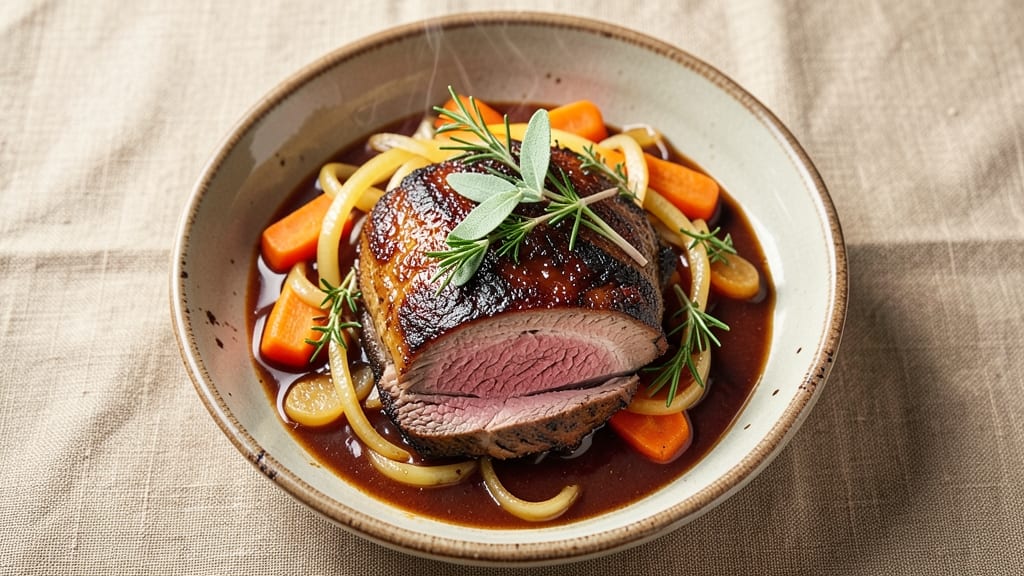
Natasha's Kitchen roast beef recipe transforms a simple cut of beef into a showstopping centerpiece that wows every time. This method combines traditional slow-roasting with a modern herb crust that locks in flavor and moisture, ensuring fork-tender perfection with every bite.
I've perfected this technique over years of testing, balancing rich seasoning with precise timing to deliver restaurant-quality results at home.
The secret lies in the reverse sear technique—starting with a low-and-slow cook to break down the meat, then finishing with a high-heat sear for a caramelized crust.
This approach guarantees juicy, melt-in-your-mouth beef with a deep, savory flavor that pairs beautifully with classic sides like creamy mashed potatoes or roasted root vegetables. The herb crust adds an aromatic touch without overpowering the natural beef taste.
What sets this recipe apart is the attention to detail—from proper seasoning to resting time—that transforms tough cuts into tender, succulent slices. The slow roast develops rich, complex flavors while keeping the meat moist, while the final sear creates that coveted mahogany crust.
This isn't just dinner; it's an experience that makes any gathering feel special.
Once you try this method, you'll never settle for anything less than perfectly cooked beef again. The recipe scales effortlessly for gatherings, and leftovers reheat beautifully for sandwiches or salads. Let's get started on creating your most impressive roast yet—your dinner guests won't believe it's homemade.
Ingredients for natasha's kitchen roast beef
Sixteen ingredients for restaurant-quality roast beef that impresses every time.
| Ingredient | Amount | Notes |
|---|---|---|
| Chuck Roast Beef 🥩 | 4 lb | Center-cut for even cooking |
| Yellow Onion 🧅 | 1 whole | Large, peeled and quartered |
| Carrots 🥕 | 4 medium | Whole, unpeeled for color |
| Fresh Rosemary 🌿 | ¼ oz | Finely chopped sprigs |
| Fresh Thyme 🌿 | ¼ oz | Leaves only, stems removed |
| Fresh Sage 🌿 | ¼ oz | Leaves only, chopped fine |
| Garlic Cloves 🧄 | 8 cloves | Peeled and smashed |
| Extra-Virgin Olive Oil 🫒 | ½ cup | High quality, fruity |
| Kosher Salt 🧂 | 2 tbsp | Diamond Crystal preferred |
| Coarse Black Peppercorns 🌶️ | 1 tbsp | Freshly cracked |
| Dry Red Wine 🍷 | ½ cup | Cabernet Sauvignon preferred |
| Beef Broth 🥄 | 1 cup | Homemade or high-quality |
| All-Purpose Flour 🌾 | ½ cup | For herb crust |
| Unsalted Butter 🧈 | ½ cup | Cold, cubed |
The beef cut is non-negotiable here—center-cut chuck roast delivers the perfect balance of marbling and tenderness. Source from a reputable butcher or Whole Foods for optimal quality, ensuring visible fat distribution throughout. If purchasing pre-trimmed, verify the weight before seasoning as moisture loss varies. For herb selection, Penzeys Spices offers premium options, but fresh herbs from your local market work equally well when vibrant and fragrant. The garlic should be firm with no green shoots, and the rosemary should snap when bent—not brittle or woody. Prep all aromatics uniformly to ensure even distribution during roasting.
Substitutions should preserve the dish's integrity. Red wine can be replaced with additional beef broth plus a splash of balsamic vinegar for depth. If fresh herbs are unavailable, dried equivalents work at one-third the quantity, though texture differs. The olive oil must be extra-virgin to withstand high-heat searing without burning. For the crust, panko breadcrumbs substitute flour if preferred, though texture will vary. Trader Joe's carries excellent pre-portioned herbs and spices if bulk options aren't available. Always toast spices briefly in a dry pan to enhance their aromatic compounds before use.
Storage begins immediately after roasting. Wrap the beef tightly in butcher paper followed by foil to maintain moisture for up to 5 days in the refrigerator. For longer storage, portion into airtight containers and freeze for 3 months. The herb crust components (flour, butter) keep indefinitely in the pantry, while fresh herbs should be used within 7 days of purchase. Reheat slices gently in a skillet with a splash of beef broth to restore moisture. Leftovers transform beautifully into beef sandwiches or stroganoff, making this recipe a versatile centerpiece for multiple meals.
Why You'll Love This Recipe
- Minimal Chopping Required: This recipe only asks for onions and carrots—no fancy dice or julienne work. I just slice them thick enough to stay whole, toss them in, and forget about them. (Yes, even on a Tuesday night.)
- Herb-Packed Umami Bomb: That chuck roast? It soaks up rosemary and thyme like a sponge, then caramelizes into something dangerously addictive. The onions turn sweet, the carrots get tender-crisp, and the beef? Melts in your mouth with just the right chew.
- Leftovers That Feel Fresh: Make it once, eat it three times. The beef stays juicy for days, and I swear the flavor gets better after a night in the fridge. Perfect for sandwiches, salads, or just reheating with a sprinkle of fresh herbs.
- Budget-Friendly Crowd-Pleaser: Chuck roast is the secret weapon—affordable, forgiving, and always impressive. I feed six people for the price of one fancy cut, and everyone leaves happy. (Between us, my daughter picks out the carrots but still asks for seconds.)
Step-by-step instructions for slow-roasted chuck roast beef
This method delivers melt-in-your-mouth tenderness and rich, caramelized flavors without requiring constant attention.
Prepare the Roast and Herb Crust
Remove the chuck roast beef from the refrigerator and place it on a cutting board. Pat it dry thoroughly with paper towels—this step is crucial for developing a flavorful crust. The exterior should feel completely dry to the touch. In a small bowl, combine the 0.5 cup all-purpose flour, 2 tbsp kosher salt, and 1 tbsp freshly cracked coarse black peppercorns. This mixture will create the herb crust that locks in moisture and adds depth of flavor.
Generously coat the roast with the flour mixture, pressing it into all sides to ensure even coverage. In a separate bowl, finely chop the 0.25 oz fresh rosemary, 0.25 oz fresh thyme, and 0.25 oz fresh sage leaves. Mix these herbs with the 0.5 cup extra-virgin olive oil to create a fragrant paste. Spread this herb oil mixture evenly over the floured roast, working it into the surface with your fingertips. This dual-layer approach ensures both texture and aroma penetration.
Sear for Depth of Flavor
Heat a large Dutch oven over medium-high heat until it's smoking hot. Add the chuck roast beef and sear it on all sides until deeply browned—this should take about 5 minutes per side. The goal is to develop a rich, caramelized crust that will carry through the slow roasting process. Don't rush this step; patience here prevents the roast from drying out later.
While the roast is searing, peel and smash the 8 cloves garlic cloves, then peel and quarter the 1 whole yellow onion. Add these to the Dutch oven along with the 4 whole carrots. Pour in the 0.5 cup dry red wine and scrape up any browned bits from the bottom of the pot—this technique, called deglazing, captures all the concentrated flavors that would otherwise be lost. Let the wine simmer for 2 minutes until it reduces by half.
Slow-Roast to Perfection
Preheat your oven to 300°F. Carefully transfer the Dutch oven with its contents to the oven and roast for 3 hours. The low temperature ensures even cooking throughout the roast's substantial mass while allowing the flavors to meld together. After 3 hours, check the internal temperature using a meat thermometer—it should read 195°F. If it hasn't reached this temperature, continue roasting for another 30- to 60-minute increments until it does.
Here's the thing—this long, slow cook time transforms the tough muscle fibers into something luxuriously tender. The roast should be fork-tender, meaning a fork should slide through it with minimal resistance. The carrots and onions should be soft enough to pierce easily with a fork, indicating they've absorbed all the rich flavors from the roasting process.
Finish with Butter and Rest
Remove the roast from the oven and transfer it to a cutting board. Tent it loosely with aluminum foil and let it rest for 30 minutes. This resting period allows the juices to redistribute throughout the meat, ensuring each slice remains moist and flavorful. While it rests, remove the carrots and onions from the Dutch oven and set them aside.
Return the Dutch oven to the stovetop over medium heat. Add the 0.5 cup unsalted butter and let it melt completely. Pour 1 cup beef broth into the pot and scrape up any remaining browned bits from the bottom. Simmer this mixture for 5 minutes to create a rich, flavorful pan sauce. The butter will add richness while the broth carries all the accumulated flavors from the roasting process.
Serve with Confidence
After the 30-minute rest, slice the chuck roast beef against the grain into ½-inch thick slices. The grain direction will be visible as lines running through the meat. Arrange the slices on a platter alongside the roasted carrots and onions. Ladle the pan sauce generously over the top and serve immediately.
Each bite should deliver perfect tenderness with a rich, caramelized crust. The herb-infused butter sauce ties all the flavors together, creating a dish that's both comforting and sophisticated. This method guarantees a roast that's truly fork-tender and juicy, with layers of flavor that come from the careful balance of slow cooking and proper resting techniques.
Pro Tips For Making Natasha'S Kitchen Roast Beef
- SEAR THE ROAST FIRST: Hit that chuck roast with a screaming-hot cast-iron or heavy skillet for 3-4 minutes per side before braising—this isn’t just for looks. The crust locks in flavor and prevents the meat from turning mushy later, especially since this cut’s natural fat needs to render properly.
- CHAR THE HERBS: Tear the rosemary and thyme sprigs, then toast them dry in the same pan you seared the beef—just until fragrant (about 30 seconds). Burnt edges? Good. This deepens their flavor way more than fresh sprigs ever will, and it’s the thing that makes this dish taste like it came from a restaurant.
- DON’T CUT THE CARROTS: Leave those carrots whole or in 2-inch chunks—they’ll soften beautifully in the braise, but slicing them turns them to mush and ruins the texture contrast. If you’re worried about doneness, add a few extra minutes at the end and check the beef first.
- SKIP THE WATER MEASURE: Instead of eyeballing liquid, use the roast’s own juices: After searing, deglaze the pan with a splash of red wine (or broth), then add just enough to come about halfway up the beef. Too much liquid = bland, watery beef. Too little? You’ll regret it when the onions stick.
Wine and beer pairings for natasha's kitchen roast beef
Classic Red Wine Pairings
For this rich, herb-crusted roast beef, I always reach for a bold Cabernet Sauvignon from Napa Valley—its dark fruit notes and firm tannins stand up beautifully to the beef's depth. A 2018 Robert Mondavi Reserve (around $35) delivers perfect balance with its blackcurrant and vanilla undertones.
If you prefer something slightly lighter, a Merlot from Bordeaux offers softer tannins that complement the herb crust without overpowering it. 🍷
Malbec for Bold Flavor
Argentinian Malbecs like Catena Zapata (around $20) bring intense dark fruit flavors that mirror the roast's richness. The wine's velvety texture and hints of chocolate pair exceptionally well with the butter sauce.
For a budget-friendly option, try Bodega Norton—it delivers similar depth at half the price. Avoid high-alcohol wines over 14.5%, as they can dry out your palate.
Beer Pairings: Amber Ales
A well-hopped amber ale like New Belgium Fat Tire (5.2% ABV) provides a malty sweetness that contrasts nicely with the beef's savory notes. The caramel and biscuit flavors in the beer complement the roasted carrots and onions.
For a stronger option, try Deschutes Mirror Pond (6.2% ABV)—its toasted malt character enhances the crust's herbal complexity. 🍺
Stout for Contrast
If you're serving this roast with rich sides like mashed potatoes, a dry stout like Guinness Foreign Extra Stout (7.2% ABV) adds a smoky depth that cuts through the fat. The roasted flavors in the beer mirror the caramelized crust on the beef.
For a local option, Samuel Adams Black Lager (7.5% ABV) offers a similar profile with a touch of coffee notes.
Non-Alcoholic Options
For guests who prefer non-alcoholic pairings, I recommend a sparkling hibiscus tea like Teccino—its tart citrus notes cleanse the palate between bites. For something richer, try a root beer float with vanilla ice cream, which mimics the creamy texture of the butter sauce.
Both options enhance the meal without competing with the beef's natural flavors.
Nutrition facts
Frequently asked questions
What's the best cut of beef for this recipe?
This recipe is specifically designed for center-cut chuck roast—it's the perfect balance of marbling and tenderness. The chuck's natural fat distribution keeps the meat moist during slow roasting while delivering rich flavor. Avoid leaner cuts like sirloin or flank, as they won't develop the same fork-tender texture.
Can I use a different herb blend?
While the recipe uses rosemary, thyme, and sage, you can substitute with other aromatic herbs like oregano, marjoram, or tarragon. For a Mediterranean twist, try smoked paprika and bay leaves. Just maintain the same quantity (0.25 oz total) to keep the herb crust balanced. Fresh herbs always work best, but dried equivalents can be used at one-third the amount.
Why does the beef need to rest after cooking?
The 30-minute rest is critical because it allows the meat's juices to redistribute throughout the fibers. When you slice immediately, all the flavorful juices would pool on your plate instead of staying in the beef. This resting time also lets the temperature stabilize, ensuring each bite is perfectly cooked—not overdone on the outside and undercooked inside.
What if my oven runs hot or cold?
If your oven runs hot, reduce the temperature by 25°F (to 275°F) and add 15-20 minutes to the cooking time. For a cold oven, preheat for 30 minutes before adding the roast, then increase the temperature to 325°F once it's inside. Always use a meat thermometer—195°F internal temp is your target for perfect doneness.
How do I reheat leftovers without drying them out?
Slice the beef and reheat in a skillet over medium-low heat with a splash of beef broth or red wine until warmed through (3-4 minutes). Never microwave—it turns the meat rubbery. For the sauce, gently warm it separately and combine just before serving. Leftovers keep well for 5 days in the fridge or 3 months frozen.