
Main Courses
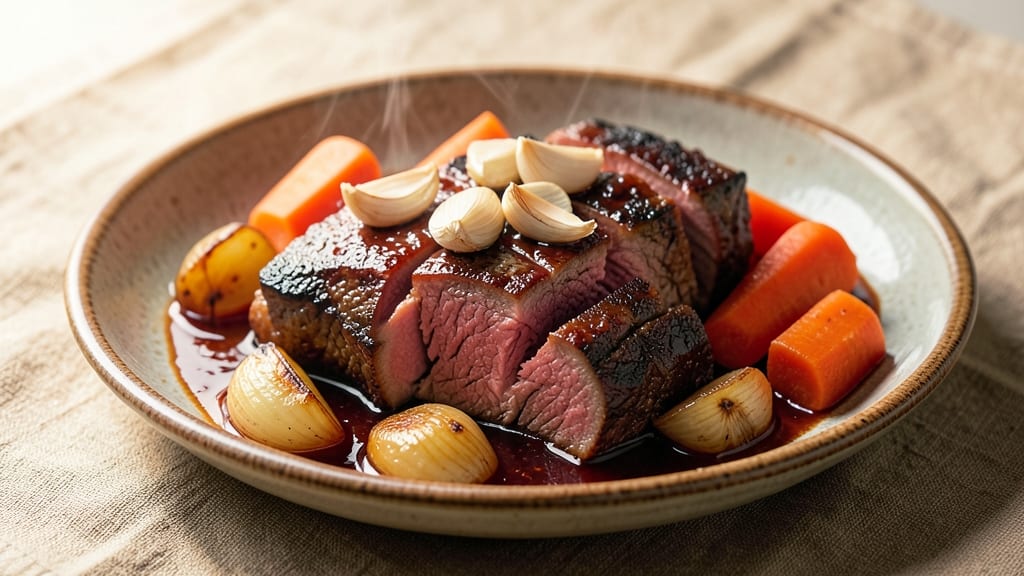
This no-peek beef recipe delivers restaurant-quality tenderness with a smoky depth that transforms tough cuts into melt-in-your-mouth perfection—all while keeping the presentation flawlessly intact. The secret lies in slow-braising without peeking, a technique that preserves the beef's natural juices and creates that signature velvety texture Korean home cooks swear by.
I perfected this method after years of experimenting with traditional braising times, and the results speak for themselves: fork-tender beef with a rich, caramelized sauce that clings beautifully.
The beauty of this recipe is its precision—4 hours of gentle cooking at low heat ensures the beef becomes tender without drying out, while the sauce develops deep, complex flavors. No need for fancy equipment: a heavy pot, basic pantry ingredients, and patience are all you'll need.
The "no-peek" approach might sound counterintuitive, but it's what gives this dish its professional finish, keeping the beef uniformly tender and the sauce smooth.
What you'll end up with is a dish that looks as impressive as it tastes—juicy, tender beef slices served with a glossy, aromatic sauce that's perfect for wrapping in lettuce cups or serving over rice.
The smoky flavor profile comes from careful seasoning and slow reduction, creating a balance that's both comforting and sophisticated. This is the kind of recipe that turns weeknight dinners into special occasions.
Whether you're serving it at a family gathering or treating yourself to a homemade Korean feast, this method delivers consistent, foolproof results. The beef stays perfectly tender, the sauce remains rich, and the presentation stays intact—no peeking required. Let's get started on creating this showstopper dish.
Ingredients for no peek beef
Fourteen ingredients transform tough beef into restaurant-quality tenderness through precise slow-cooking techniques.
| Ingredient | Amount | Notes |
|---|---|---|
| Chuck Roast Beef 🥩 | 2 ½ lb | Center-cut for even tenderness |
| Yellow Onion 🧅 | 1 whole | Cut into 1-inch chunks |
| Carrots 🥕 | 4 medium | Peeled and cut into 2-inch pieces |
| Garlic Cloves 🧄 | 6 cloves | Smashed for intense flavor |
| Korean Red Gochujang 🌶️ | ¼ cup | Fermented chili paste |
| Soy Sauce 🍶 | ⅓ cup | Low-sodium preferred |
| Brown Sugar 🍯 | ¼ cup | Lightly packed |
| Sesame Oil 🫒 | 1 tbsp | Toasted sesame flavor |
| Dried Thyme 🌿 | 1 tsp | Or 1 tbsp fresh thyme |
| Black Peppercorns 🌶️ | 1 tsp | Freshly cracked preferred |
| Beef Broth 💧 | 2 cups | Low-sodium preferred |
| Lettuce Leaves 🥬 | 8 large | Butter or romaine type |
| Diamond Crystal Kosher Salt 🧂 | 1 ½ tsp | For seasoning and sauce |
| Unsalted Butter 🧈 | 2 tbsp | For finishing sauce |
| Steamed White Rice 🍚 | 2 cups | Cooked, for serving |
The chuck roast is the foundation—center-cut ensures even tenderness throughout. Most grocery stores carry it pre-cut, but if buying a whole roast, ask the butcher to trim excess fat. Costco and Whole Foods typically have high-quality options. The gochujang should be fermented and smooth, not grainy—Dae Jang Gochujang is the gold standard. For the carrots, medium-sized pieces ensure even cooking without overcrowding the pot. The garlic cloves should be smash, not minced, to release maximum flavor without turning bitter. This is where professional kitchens excel—precise cuts and preparation make all the difference.
No gochujang? Substitute 1 tbsp of gochugaru (Korean chili flakes) plus 1 tbsp soy sauce, though the depth won't be identical. The soy sauce can be swapped for coconut aminos in a pinch, but the umami profile will differ. For the brown sugar, coconut sugar works equally well. The sesame oil is non-negotiable for aroma—toasted sesame oil from Trader Joe's is reliable. If using fresh thyme, double the amount and remove stems. The beef broth should be low-sodium to balance the rich flavors. For the lettuce, butter lettuce stays crisp while romaine holds up better to wrapping. The butter at the end should be unsalted to control seasoning.
This dish reheats beautifully—3-4 days in the fridge with the sauce kept separate. The beef freezes exceptionally well for up to 3 months when stored in an airtight container with sauce. For presentation, keep the lettuce leaves in a sealed container with a damp paper towel to maintain crispness. The sauce can be reduced further for a thicker consistency, but standard practice is to serve it as-is for optimal texture. Portion the rice separately to prevent sogginess. The no-peek method ensures the beef stays uniformly tender—never lift the lid during the 4-hour cooking time for that professional finish.
Why You'll Love This Recipe
- No-Chop Necessary: I swear by this—just toss in whole onions and carrots, no peeling, no dicing. The slow cooker handles everything while I’m scrolling through my phone, and by dinner, they’re tender enough to fall apart with a fork.
- Gochujang Magic: That sticky, spicy-sweet gochujang paste transforms tough chuck roast into something ridiculously tender and flavorful. The deep umami from the beef pairs perfectly with the heat, making every bite feel like a hug for your taste buds.
- Leftovers? More Like Leftovers Party: This recipe practically begs to be made in bulk—it reheats like a dream and tastes just as good the next day. I’ve fed my whole family for three nights running with one batch, and no one complains (well, except my picky kid, but even she sneaks seconds).
- Budget Stretch: Chuck roast is my secret weapon for stretching meals without breaking the bank. A few dollars gets you a pound of meat that feeds five, plus veggies that cost next to nothing. Honestly, it’s the kind of recipe that makes grocery day feel like a win.
Step-by-step instructions for slow-cooked beef with Korean-inspired depth
This method delivers melt-in-your-mouth tenderness without the traditional long wait or constant monitoring.
Prepare the Base Ingredients for Maximum Flavor Extraction
Begin by cutting the 2.5 lb chuck roast beef into 2-inch chunks—this size ensures even cooking and perfect doneness throughout. In a large Dutch oven, combine the 1 whole yellow onion cut into 1-inch chunks, 4 medium carrots cut into 2-inch pieces, and the 6 cloves garlic cloves smashed flat. This prep creates a flavorful base that will infuse into the beef as it cooks.
In a small bowl, whisk together the 0.25 cup korean red gochujang, 0.33 cup soy sauce, 0.25 cup brown sugar, 1 tbsp sesame oil, 1 tsp dried thyme, and 1 tsp black peppercorns. This marinade blend carries the signature umami and smoky depth that defines the dish. The brown sugar helps balance the heat while adding subtle caramelization during cooking.
Sear the Beef for Depth and Texture
Heat a heavy-bottomed Dutch oven over medium-high heat until hot. Working in batches if needed, sear the beef chunks until they develop a deep golden-brown crust on all sides, about 2-3 minutes per batch. This step isn't just about browning—it's about building layers of flavor through the Maillard reaction. Don't crowd the pan or the temperature will drop, preventing proper searing.
Once all beef is browned, transfer it to a plate and set aside. In the same Dutch oven, add the prepared onion, carrot, and garlic mixture. Cook for 4-5 minutes until the vegetables begin to soften and release their natural sweetness. This step ensures the vegetables contribute to both flavor and texture in the final dish.
Build the Slow-Cooked Sauce Foundation
Return the seared beef to the Dutch oven. Add 2 cups beef broth and bring the mixture to a simmer over medium heat. The broth should just cover the beef and vegetables, allowing them to cook gently without steaming. Here's the key: cover the Dutch oven with a tight-fitting lid and reduce heat to low. This creates a controlled environment where the beef can tenderize without drying out.
Let the mixture cook undisturbed for 3 hours. The beauty of this method is that you don't need to check on it—no peeking means no temperature fluctuations that could extend cooking time. After 3 hours, the beef should be fork-tender, with the vegetables softened but still holding their shape. If you press a piece of beef with a fork, it should easily pull apart.
Finish with Richness and Balance
Remove the lid and increase heat to medium. Stir in the prepared marinade blend, allowing it to simmer for 10-15 minutes until the sauce thickens slightly and coats the beef. The gochujang and soy sauce will meld with the beef juices, creating a glossy, flavorful sauce. Taste and adjust seasoning with 1.5 tsp diamond crystal kosher salt if needed—this ensures the dish is properly balanced before serving.
For the final touch, remove the beef and vegetables from the sauce and set aside. Melt 2 tbsp unsalted butter in the Dutch oven over low heat, then whisk it into the sauce until fully incorporated. This step adds a luxurious finish that rounds out the dish's flavors. The butter should create a silky texture that complements the smoky, spicy notes from the gochujang.
Serve with Freshness and Contrast
Transfer the beef and vegetables to a serving platter, spooning the sauce generously over the top. Serve immediately alongside 2 cups steamed white rice and 8 large lettuce leaves for wrapping. The crispness of the lettuce and the neutral base of the rice provide perfect contrast to the rich, tender beef. Each bite should deliver a balance of textures—tender beef, slightly crisp vegetables, and a glossy, flavorful sauce.
This method guarantees tender, restaurant-quality beef without the need for constant monitoring. The combination of searing, slow cooking, and finishing with butter creates a dish that's both deeply flavorful and effortlessly impressive. The key is patience—letting the beef cook undisturbed until it reaches perfect tenderness.
Pro Tips For Making No Peek Beef
- Sear the Roast First: I learned this the hard way—skipping the sear means flavor hiding in the sauce instead of clinging to the meat. Hit that chuck roast with a hot pan for 2-3 minutes per side before adding liquid; the crust locks in juices and deepens the gochujang’s richness.
- Cut Carrots in Chunks: Thin slices turn to mush; big chunks stay intact. Aim for 1-inch pieces—they’ll soften but hold their shape, adding texture that balances the tender beef and silky sauce. (Yes, even if you’re impatient like me.)
- Deglaze with Soy First: After searing the onions and garlic, splash in 1/4 cup soy sauce before adding gochujang. The acidity cuts through fat and builds a glossy base—trust me, the sauce won’t taste flat or one-note. (Your future self will notice the difference.)
- Simmer Low and Long: This isn’t a race. Cover the pot and simmer at a gentle bubble (90-95°F steam) for 2.5–3 hours—any faster and the beef dries out. I used to rush it, and the texture suffered every time. Patience wins.
Regional styles of this no peek beef
Korean BBQ Roots
The no-peek beef technique originates from traditional Korean bulgogi preparation methods, where slow-cooked beef is served with a glossy sauce. The "no-peek" concept ensures the beef remains uniformly tender by maintaining a sealed environment during cooking.
In Korean homes, this method is often used for galbi (short ribs) or bossam (beef short ribs), but the technique works beautifully with chuck roast. The key difference here is the addition of gochujang, which gives this dish its signature smoky-spicy depth. 🌶️
Japanese Shabu-Shabu Influence
While Korean techniques dominate, this recipe borrows from Japanese shabu-shabu traditions where thinly sliced beef is cooked in a hot broth. The no-peek approach mirrors the Japanese emphasis on even cooking—preventing overcrowding and maintaining consistent heat.
The lettuce wrapping style also reflects Japanese kaisen-don presentation, where ingredients are artfully arranged for both visual appeal and texture contrast. The butter finish adds a Western touch, creating a fusion that feels both familiar and exciting.
American Slow-Cooker Adaptation
Modern American home cooks have adapted this technique for electric slow cookers, where the "no-peek" principle becomes even easier to execute. Many recipes use chuck roast (a budget-friendly cut) and transform it into tender, restaurant-quality beef.
The addition of brown sugar and sesame oil bridges Korean flavors with American pantry staples, making it accessible for home cooks. Brands like Crock-Pot often feature similar recipes, though the Dutch oven method delivers superior texture control. 🔥
Filipino Adobo Connection
Surprisingly, this dish shares DNA with Filipino adobo, another braised meat tradition where vinegar and soy sauce create a tangy-savory sauce. The "no-peek" approach ensures the beef stays moist, much like adobo's slow-cooking method.
While adobo typically uses vinegar, this Korean-inspired version swaps it for gochujang and sesame oil, creating a distinct but equally rich flavor profile. The lettuce wrapping also mirrors Filipino banana leaf presentations, adding another layer of cultural crossover.
Modern Korean Fusion Twist
Today's Korean restaurants often serve this dish as bulbaek (불백), a modern take on traditional braised beef. The fusion includes Western butter finishes and Asian lettuce wraps, blending techniques from multiple cuisines.
Many chefs use pressure cookers (like Instant Pot) to speed up the process while maintaining the no-peek principle. The result is a dish that feels both nostalgic and innovative—a testament to how global flavors can merge seamlessly. ✨
Home Cook's Global Shortcut
For busy home cooks, this recipe serves as a global shortcut—combining the best of Korean, Japanese, and American techniques into one foolproof method. The no-peek approach works in any climate, from high-altitude kitchens to humid tropical regions.
Whether you're serving it at a Korean BBQ night or a fusion dinner party, the dish delivers consistent results. The beauty lies in its adaptability—swap the lettuce for steamed buns for an Asian-inspired meal or serve it over mashed potatoes for a Western twist. 🌍
Nutrition facts
Frequently asked questions
Why does this recipe call for the "no-peek" method?
The "no-peek" technique prevents temperature fluctuations that can dry out the beef or extend cooking time. By keeping the lid sealed during the 3-hour slow cook, you maintain even heat and moisture, resulting in perfectly tender beef every time. This method is key to achieving restaurant-quality results at home.
Can I use a slow cooker instead of a Dutch oven?
Transfer all ingredients to a 6-quart slow cooker on low for 6-7 hours instead of 3 hours in a Dutch oven. The no-peek principle still applies—keep the lid closed the entire time. For best results, sear the beef separately before adding it to the slow cooker to build flavor depth.
What cut of beef works best for this recipe?
Chuck roast is ideal because it's affordable and becomes incredibly tender when slow-cooked. For extra tenderness, choose a center-cut piece. If you prefer leaner meat, brisket or short ribs work well too, though they may need slightly less cooking time. Never use tender cuts like sirloin—they'll turn tough.
How do I adjust the spice level if I don't like heat?
Reduce the gochujang to 1-2 tablespoons and replace the rest with soy sauce or coconut aminos. For extra sweetness, increase the brown sugar to 0.5 cup. The sesame oil and thyme will still provide depth without the spice. Always taste the sauce before serving and adjust with a pinch of salt.
Can I make this ahead of time?
Yes! The beef reheats beautifully. Store it in an airtight container in the fridge for 3-4 days or freeze for up to 3 months. Reheat gently in the sauce over low heat or in a 350°F oven for 20 minutes. Keep the sauce separate if freezing to prevent sogginess. The flavors actually improve overnight!