
Snacks
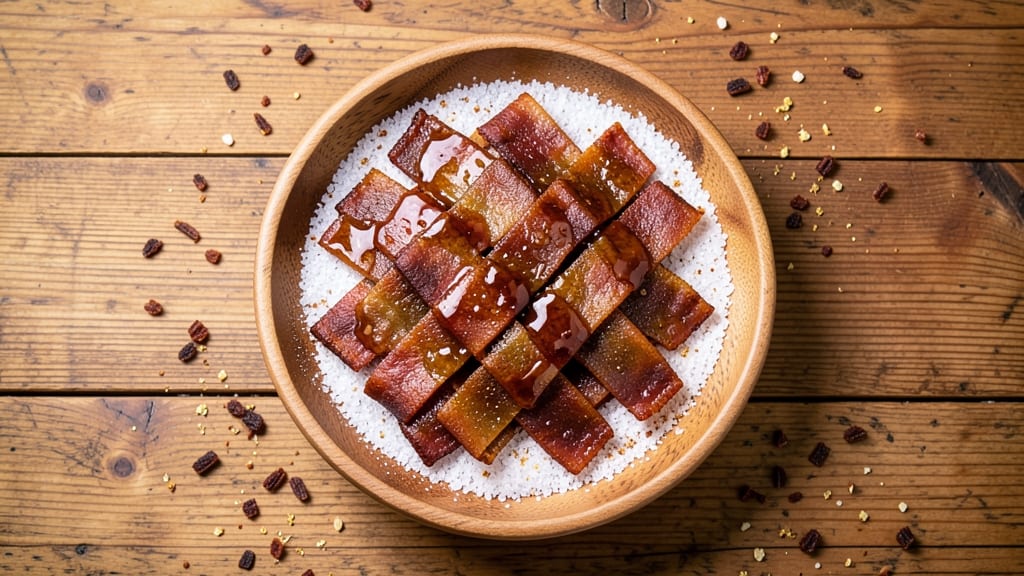
This old-fashioned beef jerky recipe brings back the rugged tradition of 19th-century trail rations, now perfected for your modern kitchen. The key lies in thinly sliced beef, a smoky-sweet marinade, and precise drying—transforming tough cuts into chewy, leather-like bites that keep for weeks.
I’ve refined this method over years, balancing historical techniques with today’s convenience.
What sets this apart is the 3-hour process that delivers restaurant-quality results without a dehydrator. You’ll start with lean beef, cure it in a flavorful marinade, then dry it evenly until it reaches that perfect chewy texture.
The smoky-sweet rub—blended with brown sugar, smoked paprika, and garlic powder—creates depth that lasts long after the first bite.
By the end, you’ll have smoky-sweet jerky that’s ideal for snacks, camping trips, or protein-packed lunches. The lean cut ensures minimal fat, while the marinade infuses flavor deep into every fiber. This isn’t just jerky—it’s a taste of tradition with a modern twist, ready to satisfy cravings for days.
The beauty of this method is its versatility. Use it for quick snacks, hiking fuel, or even gifting. With proper storage, your jerky stays fresh for weeks, making it a pantry staple. Let’s get started on crafting your own batch!
Ingredients for old fashioned beef jerky
Lean beef, smoky spices, and a tenderizing marinade—everything you need for jerky that tastes like nostalgia.
| Ingredient | Amount | Notes |
|---|---|---|
| Lean Beef Top Round Roast 🥩 | 2 lb | Thinly sliced against grain |
| Brown Sugar 🍚 | ½ cup | Light or dark variety |
| Smoked Paprika 🌶️ | 2 tbsp | For deep smoky flavor |
| Garlic Powder 🧄 | 2 tsp | Freshly ground preferred |
| Ground Black Pepper 🌶️ | 1 tbsp | Freshly cracked for bite |
| Kosher Salt 🧂 | 1 ½ tbsp | For curing and seasoning |
| Granulated Sugar 🍚 | ¼ cup | Balances sweetness |
| Ground Cumin 🌿 | 1 tsp | Earthy depth (optional) |
| Apple Cider Vinegar 🍎 | ¼ cup | For tenderizing |
| Worcestershire Sauce 🍶 | 1 tbsp | Umami richness |
| Water 💧 | ½ cup | For marinade consistency |
| Lemon Juice 🍋 | 1 tbsp | Brightens flavors |
The beef is everything. Top round roast cuts the fat while keeping it tender when sliced thin. Look for well-marbled sections—this means more flavor. Most grocery stores carry it pre-sliced, but if you're slicing yourself, cut against the grain for that perfect chewy texture. I grab mine from Costco when I can—they usually have it pre-cut and vacuum-sealed, which saves time. If you can't find top round, sirloin tip works too, but trim any visible fat first.
No smoked paprika? Regular paprika plus a pinch of liquid smoke gets you close. The vinegar is key here—it tenderizes the meat and balances the sweetness. Short on Worcestershire? Soy sauce or a splash of balsamic vinegar works in a pinch. The sugars caramelize during drying, so don’t skimp. For a sweeter kick, add 1 tbsp honey or molasses. And if you're feeling fancy, Penzeys Spices has the best smoked paprika—worth the splurge for this recipe.
This marinade keeps for up to 1 week in the fridge. The beef soaks for 2 hours max—longer makes it mushy. After drying, store in an airtight container with parchment paper between layers to prevent sticking. Keeps for 2-3 weeks at room temp or 3 months in the freezer. I portion mine into ziplock bags for easy snacks—just squeeze out the air before sealing.
Why You'll Love This Recipe
- No-Fuss Prep: I swear by this recipe because it’s literally just slicing beef, tossing it in a bowl, and letting the oven do the work. No marinating overnight, no fancy equipment—just a sheet pan and 20 minutes of my time.
- Sweet-Smoky Magic: That brown sugar and smoked paprika combo? It’s the secret weapon. The jerky gets this perfect balance of caramelized sweetness and deep, smoky warmth that makes it disappear faster than I can say "second helping."
- Snack Attack Ready: Honestly, this is my go-to for road trips, hiking snacks, or even just keeping in the pantry for when I’m craving something salty but don’t want to cook. It’s the ultimate grab-and-go protein that actually tastes good.
- Budget-Protein Powerhouse: A single roast stretches forever, and the ingredients cost next to nothing. I make a big batch, portion it out, and freeze what I don’t use—so I’m never scrambling for a cheap, filling snack again.
Step-by-step instructions for smoky-sweet beef jerky
Here's how to transform tough beef into tender, smoky jerky with a perfect sweet-spicy balance.
Prepare the Marinade for Maximum Flavor
In a medium bowl, combine the 0.5 cup brown sugar, 0.25 cup granulated sugar, 2 tbsp smoked paprika, 2 tsp garlic powder, 1 tbsp ground black pepper, 1.5 tbsp kosher salt, 1 tsp ground cumin, 0.25 cup apple cider vinegar, 1 tbsp Worcestershire sauce, 0.5 cup water, and 1 tbsp lemon juice. Stir vigorously until the sugars dissolve completely—this ensures even coating and deep penetration into the meat.
Here's the thing—don't rush this step. Let the marinade sit for 5 minutes while you prep the beef, allowing the spices to bloom and release their full aroma. The vinegar and Worcestershire sauce will begin tenderizing the meat right away, breaking down tough fibers for that perfect leather-like texture.
Slice and Marinate the Beef Properly
Using a sharp knife, slice the 2 lb lean beef top round roast against the grain into ¼-inch thick strips. You'll know you're slicing correctly when you see the long muscle fibers running parallel to your cuts. This is critical—cross-grain slicing creates chewy jerky, while against-the-grain gives you tender, bite-sized pieces.
Place the beef strips in a large resealable plastic bag and pour the marinade over them. Gently massage the marinade into the meat, ensuring every strip is thoroughly coated. Seal the bag and refrigerate for at least 4 hours, though overnight marinating yields even better results. The acid in the vinegar and lemon juice will work their magic during this time, making the beef tender and ready for drying.
Prep for Drying (The Key to Perfect Texture)
Remove the beef from the marinade (reserve the marinade for later) and pat the strips dry with paper towels. This step is crucial—excess moisture on the surface will prevent proper drying and lead to gummy jerky. Arrange the beef strips on a wire rack set over a baking sheet, making sure they don't overlap. This allows air to circulate freely on all sides.
Preheat your oven to 175°F—this low temperature is essential for slow, even drying without cooking the meat. Place the baking sheet in the oven and let it heat up for 10 minutes while you prepare. The gentle heat will begin the drying process gradually, preserving that tender texture we worked so hard to achieve in the marinating step.
Dry the Jerky to Leather-Like Perfection
Carefully transfer the wire rack with beef strips to the preheated oven. Bake for 2 to 2.5 hours, checking every 30 minutes. You're looking for jerky that's dry to the touch but still pliable—not brittle, not sticky. The edges should curl slightly at the corners, and when you pick up a piece, it should feel firm but still flexible, like quality leather.
If the jerky isn't dry enough after 2 hours, continue baking for 15-minute intervals until it reaches the perfect texture. The key is patience—rushing will result in jerky that's either too tough or still moist. When you're satisfied with the texture, remove the jerky from the oven and let it cool completely on a wire rack before storing.
Store and Enjoy Your Homemade Jerky
Once completely cool, transfer the jerky to an airtight container or resealable bag. Store in the refrigerator for up to 2 weeks or freeze for up to 3 months. The flavors will continue to develop and meld beautifully during storage, making each bite even more delicious.
Real talk: This jerky is so good you'll want to make it all the time. The sweet-spicy balance from the sugar and smoked paprika pairs perfectly with the umami depth from the Worcestershire and cumin. Cut it into bite-sized pieces for snacks, pack it for hiking trips, or enjoy it as a protein-packed appetizer. Each piece should be tender enough to eat without chewing excessively, with a satisfying snap when you bite into it.
Pro Tips For Making Old Fashioned Beef Jerky
- Trim the Fat First: That top round roast is lean, but any lingering fat spots will make your jerky greasy and unevenly cooked. Grab a sharp knife and trim every visible fat line—yes, even the tiny ones—before slicing. I learned this the hard way when my first batch had sticky, unappetizing slices.
- Marinate Overnight, Not Hours: The brown sugar and smoked paprika need time to penetrate, but don’t rush it. Twenty-four hours is ideal—any less, and the flavor will be superficial. Toss the sliced beef in a zip-top bag, press out air, and refrigerate. (Pro move: Use a meat mallet to tenderize the slices first if you’re impatient.)
- Dry the Meat Before Drying: Pat those slices thoroughly with paper towels before dehydrating. Wet beef steams instead of drying, and you’ll end up with jerky that’s more soggy than chewy. I used to skip this, and my jerky always came out disappointingly limp—like overcooked pasta.
- Rotate Trays Midway: If you’re using a dehydrator, swap the trays halfway through cooking. The slices closest to the heat source dry faster and can burn while the back ones stay damp. This isn’t the prettiest method, but it’s the thing that actually changes the outcome—no more half-done jerky.
Pro cooking tips for old fashioned beef jerky
Precision Slicing
The secret to jerky texture starts with slicing. Use a sharp boning knife (I recommend the Victorinox Fibrox) and cut the beef against the grain into ¼-inch thick strips. The fibers should run parallel to your cuts—this creates that signature chewy texture.
If your strips are too thick, they’ll dry unevenly and turn tough. For even slices, freeze the beef for 20 minutes before slicing—it firms up the meat for cleaner cuts. 🔪
Marinade Blooming
Let your marinade sit for 5 minutes before using it. This allows the spices to fully dissolve and release their aromas. Stir in the brown sugar first—it needs time to break down and create a syrupy consistency.
The apple cider vinegar and Worcestershire sauce will begin tenderizing the meat immediately, so don’t skip this step. Pro tip: If you’re short on time, microwave the marinade for 30 seconds to speed up the blooming process. 💡
Drying Temperature
Your oven’s temperature gauge can be off by 25°F or more, so use an infrared thermometer to confirm it’s at 175°F. Too high, and your jerky will cook instead of dry; too low, and it’ll take forever.
Place a wire rack over a baking sheet for even airflow—this prevents soggy spots. If your oven lacks racks, use a cooling rack from your dishwasher. For extra insurance, prop the oven door open 1 inch with a wooden spoon to release moisture. ⚡
Texture Test
The perfect jerky should feel firm but flexible—like a well-worn leather belt. When you poke it with your finger, it should spring back slightly. If it’s still sticky, return it to the oven for 15 more minutes.
Over-drying turns jerky brittle, so remove it as soon as it passes the touch test. For a quick check, bend a strip—it should crackle slightly but not snap. This is the leather-like texture that makes old-fashioned jerky so satisfying. 🧤
Spice Layering
For deeper flavor, apply a second spice rub after the initial drying phase. Brush the cooled jerky with 1 tsp melted butter (to help adhesion) and sprinkle with a mix of ½ tsp smoked paprika and ¼ tsp cayenne pepper.
Let it sit for 10 minutes before storing—this adds an extra layer of complexity. If you’re feeling adventurous, try a honey glaze (mix 1 tbsp honey with 1 tsp water) for a sticky-sweet finish. 🌶️
Storage Secrets
Store jerky in airtight containers or vacuum-sealed bags to prevent moisture loss. For long-term storage, freeze it in portioned ziplock bags—this lets you grab single servings without thawing the whole batch.
Label with the date: homemade jerky keeps for up to 3 months in the freezer and 2 weeks in the fridge. To revive dried-out jerky, place it in a paper bag with an apple overnight—the apple’s ethylene gas rehydrates it naturally. ❄️
Nutrition facts
Frequently asked questions
Can I use any cut of beef for this recipe?
Lean cuts like top round roast or sirloin tip work best—they have minimal fat which prevents soggy jerky. Avoid fatty cuts like ribeye, as excess fat can make the jerky greasy. If using pre-sliced jerky meat from the store, check the fat content—it should be 5% or less for ideal results.
Why does my jerky turn out tough instead of chewy?
This usually happens from two things: over-drying or slicing with the grain. The perfect jerky should be pliable like leather—not brittle. If it's too tough, you likely dried it too long. For chewy texture, slice against the grain into ¼-inch thick strips and remove from oven when it's firm but still flexible.
How do I know when the jerky is fully dried?
Test for doneness by checking three things: texture (should feel firm but bend slightly), appearance (edges should curl slightly), and touch (shouldn't feel sticky). The drying time varies by oven—typically 2-2.5 hours at 175°F. If unsure, remove a piece early and let it cool completely before testing. Over-drying makes jerky brittle, so better to remove slightly underdone.
Can I make this jerky without an oven?
Use a dehydrator set to 160°F for 4-6 hours or even a smoker at 165°F for 3-4 hours. For a no-equipment option, hang strips in a well-ventilated area (like a sunny porch) for 2-3 days, flipping occasionally. The key is maintaining consistent airflow—just avoid direct sunlight which can make it too dry.
What's the best way to store homemade jerky?
For short-term storage (2 weeks), keep in an airtight container at room temperature. For longer shelf life (3 months), freeze in portion-sized bags with all air removed. Separate layers with parchment paper to prevent sticking. Pro tip: Add a silica gel packet to absorb moisture. Never store in the fridge—it dries out too quickly.