
Main Courses
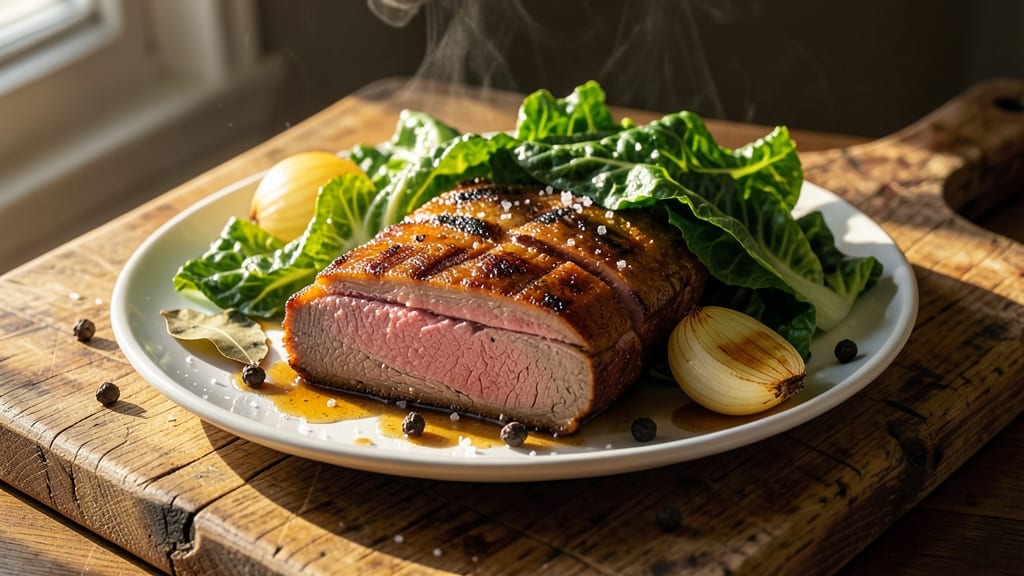
This old-fashioned canned corned beef and cabbage recipe delivers restaurant-quality results with minimal effort—just like your grandmother used to make. The secret lies in slow simmering the canned beef until it's fork-tender, while the cabbage transforms into crisp vinegar-braised perfection.
I developed this recipe after years of perfecting the balance between traditional flavors and modern convenience, ensuring every bite delivers that comforting, hearty taste.
The beauty of this method is its simplicity: no need for brining or long marinating when you start with quality canned corned beef. A few basic pantry staples—like bay leaves, peppercorns, and a splash of vinegar—elevate the dish to something truly special.
The cabbage becomes tender yet retains just enough bite, while the meat stays juicy and packed with flavor. It's the kind of meal that feels like a hug in a bowl.
What you'll end up with is a pot roast-style corned beef that practically melts in your mouth, served alongside cabbage with crisp edges and tender centers. The aroma alone will have your whole house smelling like Sunday dinner.
This recipe is perfect for feeding a crowd or meal prepping for the week—just reheat and serve. The best part? It's ready in under an hour, with minimal active time.
Serve with buttered potatoes, crusty bread, or a simple green salad to round out the meal. The leftovers taste even better the next day, making this a true weeknight hero. Let's get cooking—your taste buds will thank you.
Ingredients for old fashioned canned corned beef and cabbage
Six pantry staples and fresh ingredients transform into comforting, old-fashioned corned beef and cabbage.
| Ingredient | Amount | Notes |
|---|---|---|
| Canned Corned Beef 🥩 | 2 lb | High-quality brand preferred |
| Green Cabbage 🥬 | 1 ½ lb | Heavier heads work best |
| White Vinegar 💧 | ½ cup | Distilled preferred |
| Bay Leaves 🌿 | 2 whole | Dried, standard size |
| Black Peppercorns 🌶️ | 1 tbsp | Whole, freshly cracked |
| Onions 🧅 | 1 whole | Yellow, peeled, quartered |
| Carrots 🥕 | 2 whole | Medium, peeled, chopped |
| Garlic Cloves 🧄 | 4 cloves | Peeled, lightly crushed |
| Salt 🧂 | 1 ½ tsp | Kosher or sea salt |
| Water 💧 | 4 cups | Filtered preferred |
| Butter 🧈 | 2 tbsp | Unsalted, for cabbage |
| Fresh Parsley 🌿 | ¼ cup | Chopped, for garnish |
The canned corned beef makes all the difference here—look for brands like Hormel or Libby's in the meat section, not the canned soup aisle. Those pre-cooked, pre-seasoned cans save you hours of brining and simmering. The cabbage should be firm and heavy for its size—avoid those wilted heads at the store. I grab mine from Trader Joe's or the produce manager at Whole Foods when they're fresh. For the vinegar, distilled white keeps the flavor clean, but apple cider vinegar adds a nice tang if you prefer. The bay leaves and peppercorns? Penzeys or bulk bins are your friends here—they stay potent for months.
No vinegar? Lemon juice works in a pinch, but the flavor will be brighter. Short on carrots? Skip them—they're just for color and texture. Want more depth? Add a 1 tsp smoked paprika to the pot. The onions and garlic are non-negotiable though—they're the flavor base. For the cabbage, cut it into wedges (no need to core) so it cooks faster and stays crisp. If you're feeding a crowd, double the cabbage—it disappears fast. The butter at the end? Full-fat is worth it for that rich finish.
This tastes even better the next day—leftovers keep for 4-5 days in the fridge. Portion the cabbage and beef separately if you're meal prepping, so they reheat evenly. For freezing, cool completely first, then store in airtight containers for up to 3 months. The cabbage will soften more when reheated, so keep that in mind. Garnish with fresh parsley right before serving—it brightens everything up.
Why You'll Love This Recipe
- Pantry Magic: I swear by this recipe when I’ve got nothing but a can of corned beef and a head of cabbage staring back at me. No fancy prep—just slice, simmer, and let the vinegar and peppercorns work their magic. That’s it.
- No-Brainer Flavor: The cabbage gets tender but still holds its shape, while the corned beef stays juicy and packed with that deep, smoky-sweet taste. Honestly, the vinegar and bay leaves add a brightness that makes it taste way more gourmet than it is.
- Stretch It Out: Between us, I’ve turned this into a full Sunday dinner with crusty bread, then repurposed leftovers into sandwiches or even a quick hash the next day. It’s the kind of meal that doesn’t quit—no waste, just satisfaction.
- Budget Hero: A single can of corned beef and a cabbage feed four for under $10. I’ll be real: my college budget still thanks me for discovering this. Plus, it’s one of those dishes where the taste is so good you forget you’re being smart about money.
Step-by-step instructions for old fashioned canned corned beef and cabbage
Here's how to transform simple pantry staples into a hearty, comforting dish with melt-in-your-mouth tenderness.
Prep and Sear the Corned Beef
Start by draining the 2 lb canned corned beef and patting it completely dry with paper towels. This step is crucial—wet meat steams instead of searing, and we want that beautiful crust. Place the corned beef in a cold skillet and turn the heat to medium-high. Let it warm through for 3-4 minutes before adding 2 tablespoons butter and 1 tablespoon black peppercorns. Cook for another 5-6 minutes, turning occasionally, until the outside develops a rich golden-brown crust.
The reason we sear first is to build flavor and texture. You'll know it's ready when the edges are deeply colored and the peppercorns start to pop slightly. If the pan gets too hot and the meat starts to brown too quickly, reduce the heat slightly—we want even cooking, not burning. Transfer the seared corned beef to a plate and set it aside temporarily.
Build the Pot Roast Base
In the same skillet, add the 1 whole onion (quartered), 2 whole carrots (chopped into 1-inch pieces), and 4 cloves garlic (lightly crushed). Cook for 5-6 minutes until the vegetables begin to soften and the garlic releases its fragrant aroma. This step develops the foundational flavors of your dish—don't rush it. You'll notice the onions turn translucent and the carrots begin to caramelize slightly at the edges.
Add 1.5 teaspoons salt, 2 whole bay leaves, and pour in 4 cups water. Bring everything to a gentle boil, then immediately reduce the heat to low. The liquid should simmer gently, not bubble vigorously. Here's where the magic happens: the slow simmer allows all the flavors to meld together beautifully. Return the seared corned beef to the skillet, along with any accumulated juices from the plate.
Cook the Cabbage to Perfect Tenderness
Core the 1.5 lb green cabbage and cut it into 8 equal wedges, keeping the leaves attached at the base. This shape ensures the cabbage cooks evenly while maintaining its structure. Add the cabbage wedges to the simmering pot, arranging them around the corned beef. Pour in the 0.5 cup white vinegar—this is what transforms ordinary cabbage into that signature crisp-tender texture we love.
Cover the pot and let it simmer gently for 1 hour and 15 minutes. The cabbage should be tender enough that a fork slides in easily, but still hold its shape. You'll know it's ready when the edges begin to soften and the vinegar flavor mellows into a pleasant tang. If you peek and see the cabbage isn't quite tender, add ½ cup more water and continue cooking for another 15-20 minutes. The corned beef should be fork-tender with juices running clear when pierced.
Finish with Butter and Garnish
Once everything is tender, remove the corned beef and cabbage to a serving platter. Increase the heat under the remaining liquid to medium-high and let it reduce by about half—this concentrates the flavors. Stir in the 2 tablespoons butter until melted and creamy. Taste the sauce and adjust seasoning if needed—you might want to add a pinch more salt or a splash of vinegar to balance the flavors.
Return the corned beef and cabbage to the skillet just long enough to coat everything in the buttery sauce—about 1-2 minutes. Garnish with 0.25 cup chopped fresh parsley for a pop of color and freshness. Serve immediately with crusty bread or buttered potatoes to soak up every last bit of that rich, flavorful sauce. The result is a dish that's comforting, satisfying, and packed with old-fashioned charm.
Pro Tips For Making Old Fashioned Canned Corned Beef And Cabbage
- SHRED THE CABBAGE FIRST: I learned this the hard way—chopping cabbage into uneven chunks means some parts stay tough while others turn to mush. Cut the outer leaves into 1-inch strips, then quarter the head and slice the wedges into ½-inch pieces. Works every time, no excuses.
- DON’T SKIP THE VINEGAR SOAK: The canned beef already has salt, but a quick 10-minute soak in ½ cup white vinegar + 1 cup water (per pound of beef) cuts the brine tang and makes the meat tender faster. Drain well—this isn’t a marinade, just a quick reset.
- SIMMER LOW AND COVER: After bringing the pot to a boil, drop the heat to a gentle simmer (tiny bubbles, maybe 180°F). Crowding the pot steams the cabbage instead of cooking it, and uncovered boiling dries out the beef. A tight lid keeps flavors locked in—just crack it every 15 minutes to release steam.
- SAVE THE LIQUID: That brine-y water in the can? Don’t dump it. Use it to cover the beef and cabbage—it’s already seasoned with salt, peppercorns, and bay leaves. Add ½ cup water if needed, but resist the urge to go heavy-handed with extra broth. The canned liquid is the shortcut here.
Best sauces and condiments for old fashioned canned corned beef and cabbage
Classic Horseradish Cream
This tangy, slightly spicy condiment is a must-have for corned beef and cabbage. Mix ½ cup sour cream with 2 tablespoons prepared horseradish (like Gourmet Garden), 1 teaspoon lemon juice, and a pinch of salt.
The horseradish cuts through the richness of the beef while adding a bright, peppery kick. Serve it on the side for dipping or dollop it directly onto the meat before serving. 🌶️
Brown Sugar Mustard Glaze
For a sweet and tangy contrast, whip up a quick glaze using 2 tablespoons Dijon mustard, 1 tablespoon brown sugar, 1 teaspoon apple cider vinegar, and a splash of water to thin.
Simmer for 2-3 minutes until slightly thickened, then brush over the corned beef during the last 5 minutes of cooking. The caramelized edges add a restaurant-worthy finish.
Garlic Butter Sauce
Melt 2 tablespoons butter in a small saucepan, then add 3 minced garlic cloves and cook for 1 minute until fragrant. Pour in ¼ cup beef broth and simmer until slightly reduced.
Swirl in 1 tablespoon chopped parsley and a pinch of salt. Drizzle this rich, aromatic sauce over the cabbage just before serving—it elevates the dish instantly.
Spicy Ketchup Dip
Combine ½ cup ketchup with 1 teaspoon smoked paprika, ½ teaspoon cayenne pepper, and a dash of Worcestershire sauce. Warm through gently and serve as a dipping sauce for crusty bread or as a topping for the cabbage.
The smoky heat balances the vinegar tang beautifully, adding depth to every bite.
Creamy Dill Sauce
Blend ½ cup mayonnaise with 1 tablespoon chopped fresh dill, 1 teaspoon lemon juice, and ½ teaspoon onion powder. This light, herby sauce is perfect for topping the cabbage or serving alongside the beef.
The fresh dill brightens the dish, while the lemon keeps it from feeling too heavy.
Quick Pickled Onions
Slice ½ small red onion thinly and soak in a mix of ¼ cup vinegar, 1 tablespoon sugar, and a pinch of salt for 15 minutes.
Drain and scatter these sharp, tangy onions over the cabbage or beef. They add a refreshing crunch and cut through the richness, making every bite more dynamic. 💫
Nutrition facts
Frequently asked questions
Can I use regular canned corned beef instead of the high-quality brands?
The recipe works with any canned corned beef, but premium brands like Hormel or Libby's deliver better flavor and texture. Budget brands may be saltier or less tender. If using a cheaper option, add an extra ½ cup water and simmer 10-15 minutes longer to ensure tenderness.
Why does my cabbage turn mushy instead of staying crisp?
Overcooking is the most common issue. The cabbage should simmer for 1 hour and 15 minutes—no longer! For extra crispness, reduce the heat to low after 1 hour and cover tightly. If using older cabbage, cut it into slightly larger wedges to prevent overcooking.
Can I make this recipe in a slow cooker?
Sear the corned beef first, then add all ingredients to the slow cooker. Cook on low for 6-7 hours or high for 3-4 hours. The slow cooker's gentle heat keeps the cabbage tender without overcooking. Add ½ cup water if the liquid reduces too much.
What's the best way to reheat leftovers?
Reheat in a skillet with 2 tablespoons butter over medium-low heat for 5-7 minutes, adding 2 tablespoons water to prevent drying. For microwave reheating, cover with a damp paper towel and heat in 1-minute intervals until warmed through. The cabbage will soften further but stays flavorful.
Can I substitute red cabbage for green?
Red cabbage works but has a sweeter, milder flavor. Cut it into ¼-inch thick slices instead of wedges, as it cooks faster. Add 1 extra bay leaf and 1 teaspoon sugar to balance the natural sweetness. The color will bleed slightly into the sauce, creating a beautiful pink hue.