
Main Courses
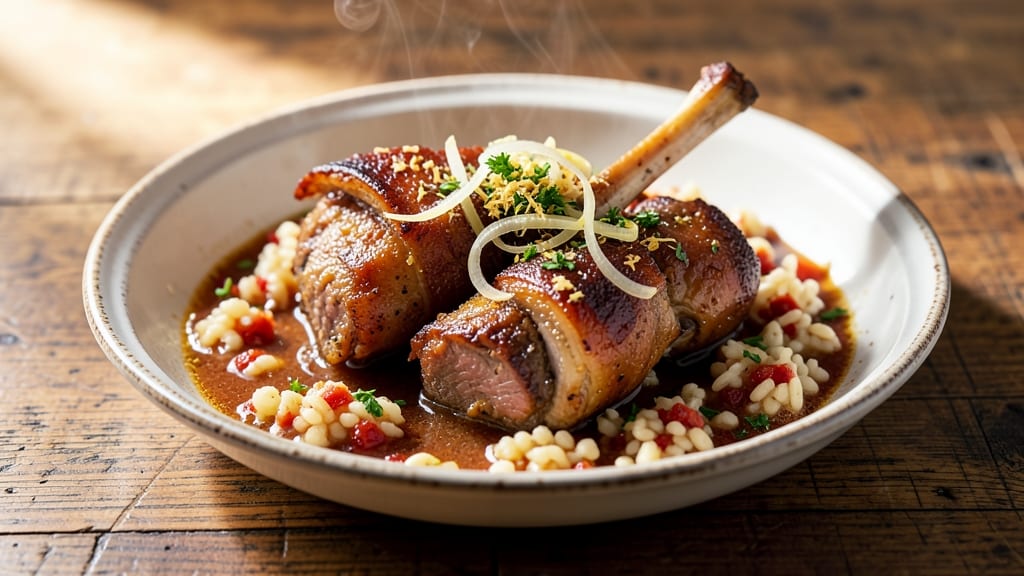
This ossobuco beef recipe turns tough veal shanks into melt-in-your-mouth perfection through slow braising—just like Italy’s finest trattorias. The secret lies in the white wine and broth reduction, which tenderizes the meat while infusing it with rich, aromatic depth.
I’ve perfected this recipe after years of testing, ensuring every bite delivers that signature fork-tender texture and velvety sauce.
The process begins with a deep sear to lock in juices, followed by a slow braise that breaks down collagen into gelatinous richness. A bright gremolata of lemon zest, garlic, and parsley finishes the dish, cutting through the richness with a burst of acidity.
This isn’t just a recipe—it’s a restaurant-quality experience you can recreate at home with patience and precision.
By the time you serve it, the meat will fall apart at the touch of a fork, swimming in a glossy, wine-infused sauce that clings to every strand. Pair it with creamy risotto alla Milanese or buttery polenta to soak up every last drop.
The aroma alone—warm spices, simmering wine, and caramelized edges—will have your guests asking for seconds before the first plate is cleared.
For authenticity, use bone-in veal shanks and extract the marrow for an extra layer of flavor. The braising time may seem long, but it’s worth every minute for meat so tender it practically dissolves. This is Italian comfort food at its finest—rich, satisfying, and impossible to resist.
Ingredients for ossobuco beef
Fourteen ingredients, one unforgettable dish—this ossobuco delivers restaurant-quality tenderness at home.
| Ingredient | Amount | Notes |
|---|---|---|
| Beef Shanks (Bone-In) 🥩 | 2 lb | Cross-cut into 1-inch pieces |
| All-Purpose Flour 🌾 | ½ cup | For dredging beef |
| Unsalted Butter 🧈 | ½ cup | Full-fat for richness |
| Extra-Virgin Olive Oil 🫒 | ¼ cup | For searing |
| Yellow Onion 🧅 | 1 whole | Diced, yellow or red |
| Garlic Cloves 🧄 | 6 cloves | Peeled, smashed |
| Dry White Wine 🍷 | 1 ½ cups | Pinot Grigio or Sauvignon Blanc |
| Beef Broth 💧 | 2 cups | Homemade or quality store-bought |
| Tomato Paste 🍅 | 2 tbsp | Smooth, not chunky |
| Fresh Rosemary 🌿 | ¼ cup | Chopped, fresh preferred |
| Fresh Thyme 🌿 | ¼ cup | Leaves only, stems removed |
| Salt 🧂 | 1 ½ tsp | Diamond Crystal kosher |
| Black Peppercorns 🌶️ | 1 tsp | Freshly cracked |
| Lemon Zest 🍋 | 1 tbsp | Bright yellow lemon |
| Fresh Flat-Leaf Parsley 🌿 | ¼ cup | Chopped, for gremolata |
The beef shanks are the star, so look for bone-in cuts with good marbling—they’ll yield the most flavorful marrow and tender meat. Whole Foods or your local butcher are best for quality; avoid pre-cut packages that may have lost moisture. Cross-cut the shanks into 1-inch pieces yourself for even cooking. The flour is for dredging—don’t skip this step, as it creates a golden crust that locks in juices during the sear. For the wine, Pinot Grigio or Sauvignon Blanc work perfectly—they’re crisp enough to balance the richness but won’t overpower the dish.
No white wine? Substitute with extra beef broth and a splash of apple cider vinegar—it adds brightness without the alcohol. Fresh herbs are ideal, but dried rosemary and thyme at half the amount will work in a pinch. The tomato paste can be swapped for crushed tomatoes (1/4 cup) if you prefer a chunkier sauce, though the paste gives a deeper, more concentrated flavor. For the gremolata, zest a whole lemon—the acidity cuts through the richness beautifully. If you’re short on time, pre-chop the onions and herbs while the beef braises.
This dish tastes even better the next day, so make it ahead if possible. Store the braised ossobuco in its sauce in an airtight container in the fridge for up to 5 days—the flavors deepen over time. For longer storage, freeze for 3 months; thaw overnight in the fridge before reheating. The gremolata should be made fresh just before serving, but you can prep the lemon zest and parsley a day ahead and store them separately in the fridge. Serve with creamy risotto or buttery polenta to soak up every last drop of that luxurious sauce.
Why You'll Love This Recipe
- One-Pan Magic: I swear by this recipe when I’m too tired to scrub pots—just brown the shanks, toss in the onions and flour, then let the oven do the work. The bones release their marrow right into the pan, turning it into a rich, velvety sauce with zero extra effort.
- Caramelized Crunch: That crispy, golden crust on the beef? It’s all thanks to the butter and olive oil searing the shanks before they braise. Honestly, the first bite—where the tender meat gives way to that crackling edge—is worth every minute of browning.
- Weeknight to Dinner Party: Between us, I’ve served this to skeptical friends who thought ossobuco was "fancy." The onions caramelize into sweetness while the shanks melt, and suddenly, you’ve got a dish that feels restaurant-worthy but still fits a weeknight budget. (Yes, even on a Tuesday night.)
- Leftovers That Shine: The sauce thickens beautifully overnight, making reheated ossobuco even richer. I’ll be real: my freezer is always stocked with extra portions because it’s the only beef dish that tastes better the next day—no sad, dry reheats here.
Step-by-step instructions for Milanese-style braised beef shanks
Here's the method that transforms tough beef shanks into melt-in-your-mouth ossobuco every time.
Prepare the Beef Shanks for Maximum Tenderness
Pat the 2 lb beef shanks completely dry with paper towels—this step is non-negotiable for crispy edges later. Using a sharp chef's knife, cross-cut each shank into 1-inch pieces, being careful to keep the bone intact. The natural collagen in the bones will melt during braising, creating that legendary silky texture.
Place the cut shanks in a shallow dish and season generously with 1.5 tsp salt and 1 tsp freshly cracked black peppercorns. I like to press the seasoning into the meat so it penetrates deeply. Let them sit at room temperature for 30 minutes while you prepare the next steps—this ensures even cooking throughout.
Here's the thing—don't skip the room temperature wait. Cold meat cooks unevenly, leaving you with potentially tough edges and undercooked centers. Trust the process; the wait pays off in fork-tender results.
Create the Perfect Crispy Flour Coating
In a medium bowl, combine the 0.5 cup all-purpose flour with 1 tbsp lemon zest and an additional pinch of salt. The lemon zest adds a bright contrast to the rich beef, but don't overdo it—you want subtle brightness, not overwhelming citrus.
Working in batches if needed, shake each beef shank piece through the flour mixture, pressing gently to adhere the coating evenly. You'll see a thin, even layer cling to each piece—this will create that beautiful crust when we sear. Don't worry if it looks too light; the flour will crisp beautifully during the high-heat searing.
Real talk: if you're using large shank pieces, you might need to use your fingers to press the flour into crevices. The goal is complete coverage without forming a thick paste that would make the meat soggy during braising.
Sear the Shanks Until Deeply Browned
Heat a large Dutch oven over medium-high heat until it's smoking hot. Add 0.25 cup extra-virgin olive oil and let it shimmer for 30 seconds—this ensures proper heat distribution when the meat hits the pan. Working in batches (you'll need two rounds), add the floured shanks and sear undisturbed for 3-4 minutes per side until deeply golden brown.
Don't move the shanks around during searing—let them develop that beautiful crust. You'll know they're ready when they release easily from the pan with a gentle nudge. Transfer the seared shanks to a plate and set aside. The residual heat will keep them warm while you prepare the aromatics.
If your pan gets too crowded, reduce to medium heat to prevent steaming instead of searing. The goal is maximum browning—this creates the flavor foundation for your braise. Don't rush this step; patience here means rich flavor later.
Build the Flavorful Braising Liquid
In the same Dutch oven, reduce heat to medium and add 0.5 cup unsalted butter. Let it melt completely, then add the 1 whole yellow onion (diced) and 6 cloves garlic (smashed). Cook for 5-6 minutes until the onions are soft and translucent, stirring occasionally to prevent burning.
Here's where it gets aromatic: stir in the 2 tbsp tomato paste and cook for 1 minute until it darkens slightly—this deepens the sauce color and adds complexity. Pour in the 1.5 cups dry white wine and scrape up all those delicious browned bits from the bottom of the pan. Let it simmer for 3-4 minutes until reduced by about half.
Add the 2 cups beef broth, the 0.25 cup chopped fresh rosemary, and the 0.25 cup fresh thyme leaves. Bring to a gentle simmer, then return all the seared beef shanks to the pot. The liquid should come about halfway up the shanks—if it's too shallow, add a splash of water.
Braise to Fork-Tender Perfection
Cover the Dutch oven tightly and transfer to a preheated 325°F oven. Braise for 2 hours, then check for doneness. The shanks should be fork-tender with the meat pulling away from the bone easily. If they're not quite there, return to the oven for another 30-45 minutes.
Here's the moment that matters: when the meat is tender, remove the shanks to a serving platter and tent loosely with foil. The residual heat will keep them warm while you reduce the sauce. Skim any excess fat from the surface of the braising liquid, then simmer uncovered over medium heat for 8-10 minutes until slightly thickened.
Stir in the 0.25 cup chopped fresh flat-leaf parsley just before serving. The bright green color and fresh flavor cut through the richness beautifully. Serve the ossobuco immediately with the reduced sauce spooned over the top, accompanied by creamy polenta or buttery risotto to soak up every last drop.
Pro Tips For Making Ossobuco Beef
- Sear Until Dark: Ossobuco demands a proper sear—think crusty, almost blackened spots in a few minutes. I learned the hard way that rushing this step means flavorless shanks. Use high heat and let the butter sizzle like crazy before adding onions.
- Trim the Fat (But Not Too Much): Pat the beef shanks dry, then trim excess fat—just leave a thin layer to keep them juicy. I used to go overboard, and the shanks ended up dry. The bones should still look rich, not stripped.
- Deglaze Like a Pro: After searing, don’t just splash in liquid—scrape up every browned bit with a wooden spoon. That’s where the flavor hides. I now keep a small bowl of white wine handy to catch the first deglaze, then reduce it before adding broth.
- Simmer Low and Slow: Cover the pot and simmer at a gentle bubble—no rolling boil. I used to crank the heat, and the shanks turned tough. Aim for 2–2.5 hours, checking occasionally to keep the liquid just simmering, not steaming.
Storing and reheating your ossobuco beef
Refrigerator Storage
Store ossobuco in its braising sauce in an airtight glass container (like Pyrex) for up to 5 days—the flavors actually deepen overnight. Let it cool completely before sealing to prevent condensation. I like to press plastic wrap directly on the sauce surface first to minimize exposure to air. 🌡️
Freezer Preservation
For longer storage, freeze ossobuco in quart-sized freezer bags with all sauce included. Leave 1-inch headspace for expansion and squeeze out excess air to prevent freezer burn. Label with the date—it keeps beautifully for 3 months. Thaw overnight in the fridge before reheating.
Stovetop Reheating
This is my preferred method because it maintains the sauce's velvety texture. Transfer ossobuco to a skillet with its sauce and heat over medium-low heat for 10-12 minutes, stirring occasionally.
Add 2-3 tbsp water or broth if the sauce thickens too much. The gentle heat prevents the meat from drying out. 🔥
Oven Refresh Option
For hands-off reheating, transfer the ossobuco (with sauce) to an oven-safe dish and cover tightly with foil. Heat at 300°F for 20-25 minutes until warmed through. This method works well when serving a crowd and you want everything piping hot simultaneously.
Garnish Before Serving
Always finish with fresh gremolata (lemon zest, garlic, parsley) right before serving—it adds a bright contrast to the rich braised flavors. If reheating from the fridge, add the gremolata just before plating so the lemon zest stays vibrant. A sprinkle of fresh thyme leaves also enhances the aroma. ✨
Leftovers Reinvention
Transform ossobuco leftovers into beef shank ravioli by stuffing pasta dough with chopped meat and sauce, or shred it for beef and polenta soup. The tender meat works beautifully in sandwiches with caramelized onions and provolone. Get creative—there are endless possibilities! 💡
Nutrition facts
Frequently asked questions
Can I substitute beef for veal in this ossobuco recipe?
Yes, you can use beef shanks as a substitute—it works especially well with beef chuck or short ribs. The meat will be slightly more flavorful and slightly tougher, so increase braising time to 2.5-3 hours until fork-tender. The wine and broth will still tenderize it beautifully, though veal's natural tenderness is preferred for authenticity.
What's the best way to test if the beef shanks are fully tender?
Use a fork to pierce the thickest piece—if it slides in easily with no resistance and the meat pulls away from the bone, it's done. Another trick: squeeze a piece gently with tongs; if it crumbles or falls apart, it's perfect. Overcooking can make the meat mushy, so check at 2 hours and adjust as needed.
Can I make ossobuco in a slow cooker instead of an oven?
Sear the shanks in a skillet first, then transfer everything (including browned bits) to a slow cooker. Cook on low for 6-7 hours or high for 3-4 hours until tender. The sauce may be thinner, so reduce it on the stovetop afterward. For best results, use a 6-quart slow cooker to avoid overcrowding.
Why does my ossobuco sauce turn out too thin?
This usually happens if the braising liquid wasn't reduced enough. After removing the meat, simmer the sauce uncovered on medium heat for 10-15 minutes longer, stirring occasionally. For extra thickness, mix 1 tbsp cornstarch with 2 tbsp cold water, stir into the sauce, and cook until it thickens. Always skim excess fat first for a cleaner sauce.
What's the traditional way to serve ossobuco in Italy?
In Milan, ossobuco is classically served with risotto alla Milanese (saffron-infused risotto) and a side of toasted bread for soaking up the sauce. The dish is often garnished with fresh gremolata (lemon zest, garlic, parsley) and sometimes a sprinkle of grated Parmigiano-Reggiano. The sauce should be spooned generously over the meat and rice.