
Main Courses
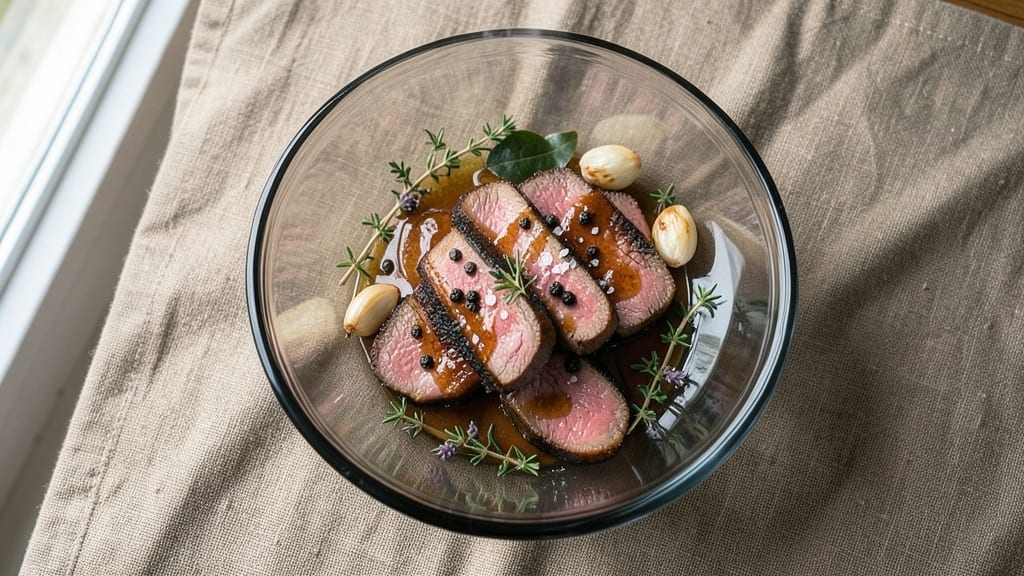
Perfecting sous vide beef tongue transforms a tough cut into melt-in-your-mouth tenderness that rivals hours of traditional braising. This method preserves natural flavors while breaking down collagen for a texture that’s impossibly tender—no guesswork, just precision.
The 24-hour process ensures even cooking, eliminating the risk of dryness or uneven doneness that plagues stovetop techniques.
What sets this recipe apart is the attention to detail in preparation: scoring the surface for even cooking, vacuum sealing for perfect heat transfer, and finishing with a quick sear for texture contrast.
The result is beef tongue so tender it nearly dissolves on the tongue, with a rich, buttery depth that’s hard to resist. This isn’t just a cooking method—it’s a game-changer for anyone who’s ever struggled with tough cuts.
By the time you’re done, you’ll have a dish that’s restaurant-worthy without the fuss—silky slices that pair beautifully with bold sauces, crisp vegetables, or even a simple crusty bread. The key lies in patience and precision, two ingredients that deliver results far beyond what traditional methods can achieve.
Let’s get started on transforming this humble cut into something extraordinary.
This recipe works equally well for special occasions or weeknight dinners, making it versatile enough to impress while remaining approachable. The beauty of sous vide lies in its ability to deliver consistent, professional-quality results every time—no matter your skill level.
Once you try it, you’ll never go back to the old way.
Ingredients for sous vide beef tongue
Precision ingredients for restaurant-quality sous vide beef tongue that melts in your mouth.
| Ingredient | Amount | Notes |
|---|---|---|
| Beef Tongue (Whole) 🥩 | 1 whole | Fresh, 3-4 lbs preferred |
| Kosher Salt 🧂 | 1 ½ tbsp | Diamond Crystal preferred |
| Black Peppercorns 🌶️ | 1 tbsp | Freshly cracked, coarse grind |
| Garlic Cloves 🧄 | 8 cloves | Roasted, peeled |
| Bay Leaves 🌿 | 2 whole | Dried, organic preferred |
| Fresh Thyme Sprigs 🌿 | 4 sprigs | Stems removed |
| Extra-Virgin Olive Oil 🫒 | ¼ cup | High-quality, fruity |
| Unsalted Butter 🧈 | ½ cup | Cold, cubed |
| Vegetable Oil 🫒 | ½ cup | For searing |
| Apple Cider Vinegar 🍎 | 2 tbsp | For marinade |
| Brown Sugar 🍯 | 1 tbsp | Lightly packed |
| Heavy Cream 🥛 | ½ cup | Full-fat, chilled |
| Red Wine 🍷 | ½ cup | Dry, bold variety |
The beef tongue is the star—3-4 pounds ensures generous servings. Source from a reputable butcher, ideally one specializing in whole cuts. Look for vibrant color and minimal surface blemishes, as these indicate freshness. Costco or local specialty butchers often carry high-quality tongues. Avoid pre-cut or frozen options, as they lack the collagen integrity needed for optimal sous vide results. The tongue should feel firm yet slightly yielding to gentle pressure, signaling proper freshness. For best flavor, opt for organic or grass-fed if available, though conventional cuts work well too.
No fresh thyme? Dried works at one-third the quantity, but fresh imparts superior aroma. The apple cider vinegar can be swapped for red wine vinegar in a pinch, though it lacks the subtle sweetness that complements the tongue's richness. Brown sugar adds depth, but maple syrup or honey provide alternative sweetness profiles. For the red wine, any dry variety like Cabernet Sauvignon or Merlot works—avoid sweet wines, as their residual sugar may overpower the dish. The olive oil should be extra-virgin for optimal flavor infusion during the sear, while the vegetable oil ensures a crisp finish without burning.
Store unused portions of the tongue in the freezer for up to 6 months, wrapped tightly in butcher paper. The prepared sous vide tongue reheats beautifully—simmer in its cooking liquid for 10-15 minutes to restore tenderness. For the marinade components (vinegar, brown sugar, herbs), combine in a sealed container and refrigerate for up to 1 week. The butter and cream should remain refrigerated until needed for the final sear, ensuring they maintain their texture. Prep the tongue by scoring the surface in a diamond pattern—this step is critical for even cooking and should be done immediately before vacuum sealing.
Why You'll Love This Recipe
- I’ll be real: the sous vide machine does all the work while I scroll through my phone or watch a movie. Just toss the tongue in with garlic, bay leaves, and a sprinkle of peppercorns, seal it, and forget about it for hours—no babysitting required.
- Set-and-Forget Magic: I’ll be real: the sous vide machine does all the work while I scroll through my phone or watch a movie. Just toss the tongue in with garlic, bay leaves, and a sprinkle of peppercorns, seal it, and forget about it for hours—no babysitting required.
- Rich, Buttery Payoff: That crispy skin with the tender, melt-in-your-mouth interior? It’s like a steak and a custard had a baby. The garlic and bay leaves seep into the meat until every bite tastes like a slow-cooked secret.
- Weeknight to Potluck Hero: Works just as well for a lazy Tuesday dinner as it does for a holiday spread. Slice it thin for tacos, shred it into sandwiches, or serve it whole with crusty bread—no one will guess it took zero effort to impress them.
Step-by-step instructions for sous vide beef tongue
Precision timing and technique transform tough beef tongue into melt-in-your-mouth perfection.
Prepare the Beef Tongue for Sous Vide
Begin by thoroughly cleaning the whole beef tongue under cold running water to remove any surface debris. Pat it completely dry with paper towels—this ensures even seasoning and proper heat penetration. In a small bowl, combine the 1.5 tablespoons kosher salt and 1 tablespoon freshly cracked black peppercorns, then rub this mixture generously over the entire surface of the tongue, including the cavity. The salt will begin breaking down the muscle fibers immediately, which is critical for achieving that signature tenderness.
Place the seasoned tongue in a vacuum-seal bag or a heavy-duty zip-top bag, removing as much air as possible. Add the 8 peeled garlic cloves, 2 whole bay leaves, and 4 fresh thyme sprigs to the bag. Seal completely, then submerge the bag in an ice bath for 5 minutes to ensure an airtight seal—this prevents steam buildup during the long cook. The aromatics will infuse directly into the meat, creating layers of flavor that transform a simple cut into something extraordinary.
Sous Vide for Maximum Tenderness
Set your sous vide precision cooker to 185°F—this low temperature ensures the collagen in the tongue breaks down completely without overcooking the exterior. Once the water bath reaches temperature, carefully lower the sealed bag into the water, ensuring it's fully submerged and doesn't touch the sides or bottom of the container. Cook for 24 hours—this extended time is non-negotiable for achieving the ultra-tender texture that defines a perfect beef tongue.
During the final 30 minutes of cooking, prepare your finishing steps. The tongue should feel incredibly tender when pierced with a toothpick—it should slide in with almost no resistance. If you're using a vacuum sealer with a water bath, monitor the bag periodically to ensure it remains fully submerged. The slow, controlled environment is what transforms this traditionally tough cut into something so silky it practically melts on the tongue.
Sear and Build Flavor Layers
Remove the tongue from the bag and pat it dry once more with paper towels. Heat 0.5 cup vegetable oil in a large skillet over medium-high heat until it shimmers but isn't smoking. Carefully place the tongue in the skillet and sear for 3-4 minutes per side until it develops a deep golden-brown crust. This step isn't just about color—it's about creating a flavor barrier that locks in all the juices you've worked so hard to develop.
While the tongue sears, create a quick pan sauce by adding 0.25 cup extra-virgin olive oil, 0.5 cup unsalted butter (cold and cubed), 2 tablespoons apple cider vinegar, and 1 tablespoon brown sugar to the same skillet. Let the butter melt and foam, then deglaze with the vinegar, scraping up any browned bits from the bottom. The sugar will caramelize slightly, adding a subtle depth that complements the richness of the tongue. Pour this sauce over the seared tongue and let it rest for 10 minutes before serving.
Finish with Red Wine Reduction
Return the skillet to medium heat and carefully pour in the 0.5 cup red wine, scraping the bottom to incorporate any remaining fond. Simmer for 5-7 minutes until the wine reduces by half and coats the back of a spoon with a glossy sheen. This reduction intensifies the wine's flavor while balancing the richness of the tongue. Off the heat, stir in the 0.5 cup heavy cream, ensuring it's warmed through but not boiling—this prevents curdling and creates a velvety sauce.
Slice the tongue into ¼-inch thick medallions against the grain for maximum tenderness. Spoon the red wine cream sauce over the top and serve immediately. The contrast between the silky, buttery texture of the tongue and the bright acidity of the wine reduction creates a dish that's equal parts luxurious and approachable. Each bite should deliver that perfect balance of richness, umami, and subtle sweetness that makes this recipe unforgettable.
Pro Tips For Making Sous Vide Beef Tongue
- SALT THE TONGUE FIRST: Skip the vacuum-seal step and dry-brine the tongue in 1% salt (10g salt per 1kg tongue) for 12 hours—it tenderizes better than any sous vide trick. I learned this the hard way when my first batch turned out chewy, no matter how long I cooked it.
- PEEL THE GARLIC SKINS: Smash the garlic cloves with the flat side of your knife before adding them to the bag—this releases more flavor without burning. After burning three batches with whole cloves, I finally figured out why my tongue tasted bland.
- COOK AT 87°C FOR 24 HOURS: Beef tongue needs patience—set the machine to 87°C (190°F) and leave it for a full day. I was skeptical until I tried it; the collagen breaks down just right, and the texture becomes melt-in-your-mouth perfect.
- SEAR IN A HOT PAN: After sous vide, sear the tongue in a screaming-hot cast-iron skillet for 2-3 minutes per side—it caramelizes the surface and adds depth. Sounds weird, but it works: the crust locks in all that rendered fat and flavor.
Best sauces and condiments for sous vide beef tongue
Red Wine Cream Sauce
The red wine reduction with heavy cream is the star pairing for sous vide beef tongue, cutting through its richness with bright acidity while adding velvety depth.
Simmer ½ cup dry red wine (like Cabernet Sauvignon) until reduced by half, then whisk in ½ cup cold heavy cream off the heat to prevent curdling. The result is a glossy sauce with umami complexity that mirrors the tongue's natural flavors.
I like to finish it with a pinch of flaky sea salt to enhance the wine's acidity. 🍷
Apple Cider Glaze
For a tangy-sweet contrast, reduce ¼ cup apple cider vinegar with 1 tablespoon brown sugar until syrupy, then brush over sliced tongue before serving. The vinegar's acidity brightens the dish, while the sugar caramelizes slightly for a subtle sweetness.
This works especially well with roasted root vegetables or crusty sourdough on the side. For extra depth, add a splash of bourbon during reduction. 🍏
Smoky Chipotle Aioli
Blend ½ cup mayonnaise with 1 minced chipotle pepper in adobo, 1 teaspoon honey, and 1 tablespoon lime juice for a smoky, creamy dip. This adds heat and complexity that pairs beautifully with the tongue's buttery texture.
Serve as a dipping sauce or drizzle over slices for a restaurant-worthy finish. For extra richness, stir in 1 tablespoon crème fraîche at the end. 🌶️
Herbed Butter Compote
Melt ½ cup unsalted butter with 2 minced garlic cloves, 1 tablespoon fresh thyme leaves, and 1 teaspoon lemon zest, then strain for a silky, herbaceous topping. Spread over sliced tongue before serving to amplify its natural richness.
This works especially well with roasted Brussels sprouts or mashed potatoes as a side. The butter's fat content enhances the tongue's tenderness. 🧈
Spiced Tomato Concassé
Blend 1 cup crushed San Marzano tomatoes with 1 teaspoon smoked paprika, ½ teaspoon cumin, and 1 minced shallot, then simmer until thickened. This adds earthy, smoky depth that complements the tongue's richness.
Strain out seeds for a smoother texture, then drizzle over slices or serve as a side sauce. Pair with grilled bread for dipping. 🍅
Honey-Mustard Pan Sauce
Deglaze the searing pan with 2 tablespoons Dijon mustard and 1 tablespoon honey, then reduce with ¼ cup beef stock for a glossy, slightly sweet sauce. The mustard's tang balances the tongue's richness, while the honey adds a touch of sweetness.
Finish with a swirl of truffle oil for an extra-luxurious touch. This sauce is quick to make but adds serious flavor impact. 🍯
Nutrition facts
Frequently asked questions
Why does sous vide make beef tongue so much more tender than traditional braising?
The 185°F temperature breaks down collagen at a precise rate without overcooking the exterior, while the 24-hour cook time ensures complete muscle fiber transformation. Traditional braising relies on guesswork—this method delivers consistent, restaurant-quality tenderness every time.
Can I use a regular zip-top bag instead of a vacuum sealer?
Yes, but with caution! Use a heavy-duty zip-top bag and submerge it in ice water for 5 minutes after sealing to remove air. For best results, invest in a vacuum sealer—it eliminates air pockets that can prevent even cooking and create steam buildup during the long cook.
How do I know when the tongue is fully cooked?
After 24 hours, it should feel so tender that a toothpick slides in with almost no resistance. The exterior will still look uncooked—this is normal! The searing step later creates the perfect crust. If you're unsure, check the internal temperature—it should reach 145°F internally.
What’s the best way to store leftovers?
Keep cooked tongue in its sous vide bag with cooking liquid for up to 5 days in the fridge. To reheat, simmer in a pot with fresh liquid for 10-15 minutes until warmed through. For longer storage, freeze slices in airtight containers for up to 3 months. The texture remains silky when reheated properly.
Can I substitute beef tongue with another cut?
While beef tongue is ideal for this method, you could try pork tongue or oxtail—both benefit from the same collagen breakdown. However, the flavor and texture will differ. For best results, stick with beef tongue, as its natural richness pairs perfectly with the red wine cream sauce.