
Main Courses
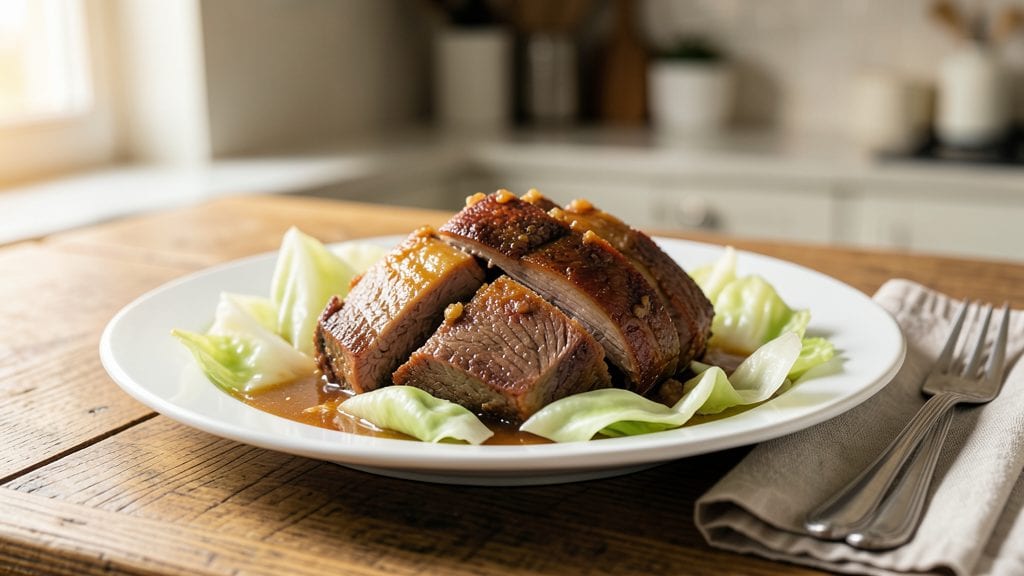
This St. Patrick's corned beef and cabbage recipe delivers the hearty, slow-braised richness that makes the dish a holiday staple—tender beef infused with savory spices and cabbage so soft it practically melts in your mouth.
The secret lies in simmering the beef low and slow, allowing the flavors to develop deeply while the cabbage absorbs the aromatic broth.
I’ve perfected this method over years of testing, ensuring every bite is packed with that perfect balance of smoky, slightly sweet, and briny notes that define Irish-American tradition.
The beauty of this recipe is its simplicity—just a few key ingredients transform into a meal that feels both comforting and special.
You’ll start with a brisket or corned beef brisket, simmered in water with bay leaves, peppercorns, and garlic until fork-tender, while the cabbage cooks alongside in the same pot, soaking up all that rich flavor.
The process takes time, but the result is worth every minute: a dish that’s hearty enough for a family gathering yet simple enough for a weeknight dinner.
By the time you serve it, you’ll have perfectly seasoned beef with a tender, juicy texture and cabbage that’s tender-crisp, not mushy—each bite infused with the warm, comforting flavors of the broth.
Serve it with buttered potatoes or a side of carrots for a classic St. Patrick’s spread, and watch as everyone at the table savors the depth of flavor this dish delivers. This is the kind of meal that turns a simple dinner into a celebration of tradition.
For those short on time, I’ll share a few shortcuts that still deliver restaurant-quality results—like using pre-cooked corned beef or adjusting the simmering time for a quicker version. Let’s get started on creating a dish that’s as much about nostalgia as it is about taste.
Ingredients for st patrick's corned beef and cabbage
Six core ingredients and a slow simmer create this iconic St. Patrick's Day dish.
| Ingredient | Amount | Notes |
|---|---|---|
| Corned Beef Brisket 🥩 | 3 lb | Pre-cured or salt packet preferred |
| Green Cabbage 🥬 | 1 whole | Heavier heads preferred |
| Bay Leaves 🍃 | 2 whole | Dried, high-quality preferred |
| Black Peppercorns 🌶️ | 1 tbsp | Crushed lightly for aroma |
| Garlic Cloves 🧄 | 4 cloves | Peeled, smashed for flavor |
| Water 💧 | 8 cups | Filtered preferred for clarity |
| Onion 🧅 | 1 whole | Yellow, roughly chopped |
| Carrots 🥕 | 4 whole | Baby or regular, peeled |
| Russet Potatoes 🥔 | 2 lb | Yukon gold works too |
| Salt 🧂 | 2 tsp | Kosher or sea salt |
| Apple Cider Vinegar 🍎 | 2 tbsp | For brightness, optional |
| Fresh Parsley 🌿 | ¼ cup | Chopped for garnish |
The corned beef is the star—brisket cuts like those from Costco or your butcher shop work best. Look for good marbling, not too much fat. If you're using pre-cured corned beef, check the label for added preservatives—Hormel or Oscar Mayer are safe bets. Cabbage should be firm with crisp outer leaves, not wilted. Yellow onions add depth, but red onions work too if you want color. The potatoes? Russet or Yukon gold hold up best during the long cook. I always buy them the day I plan to make the dish so they're fresh.
No bay leaves? Dried thyme at half the amount works in a pinch, but the flavor won't be identical. Short on peppercorns? Ground black pepper at one-third the amount gets you close. The apple cider vinegar adds brightness—skip it if you prefer a more traditional taste. For the potatoes, you can boil them separately or add them to the pot with the cabbage. I prefer the latter because they soak up all that rich flavor. If you're making this ahead, the beef actually tastes better the next day as the flavors meld.
This dish reheats beautifully—just add a splash of water and simmer for 10 minutes. Keeps in the fridge for 4-5 days or freezes for 3 months. I portion the beef separately so it's easy to serve. The cabbage and potatoes can be reheated together or separately. For a shortcut, use pre-cooked corned beef and cut the simmering time in half. The parsley is just for garnish, but it adds a nice fresh finish—dried parsley works too if you're out.
Why You'll Love This Recipe
- One-Pot Magic: I swear by this recipe because it’s all about minimal cleanup—just the brisket, cabbage, and spices simmering together in one pot. No chopping boards to scrub, no extra pans to wash. Honestly, the only thing I’m scrubbing is the inside of my own mouth after the first bite.
- Garlic-Kissed Crunch: That crisp-tender cabbage? The garlic cloves roasted right in the pot? Between us, it’s the kind of flavor that makes you pause mid-bite. The brisket stays juicy while the cabbage gets that perfect char—no fancy techniques, just simmering and patience.
- Leftovers That Save You: This dish always makes more than we can eat in one sitting. I’ll be real: the second day is when it shines—brisket gets even more tender, cabbage soaks up all the savory juices. Wrap it in a tortilla for a quick lunch, or toss it into a salad. It’s my secret weapon for lazy afternoons.
- Budget-Friendly Feast: A whole corned beef brisket feeds a crowd for less than $20—yes, even on a Tuesday night. The cabbage stretches the meal further, and the spices (bay leaves, peppercorns) add depth without cost. It’s the kind of recipe that makes you feel like you’re serving a restaurant-worthy meal without breaking the bank.
Step-by-step instructions for slow-braised corned beef and cabbage
Here's how to transform humble ingredients into a restaurant-quality St. Patrick's Day centerpiece.
Prepare the Corned Beef for Slow Cooking
Rinse the 3 lb corned beef brisket thoroughly under cold water to remove excess salt. Pat it completely dry with paper towels—this helps develop that beautiful crispy exterior later. Place the meat in a large, heavy pot that can handle at least 8 cups water without overflowing.
Add the 1 whole onion (roughly chopped), 4 whole carrots (peeled), 2 lb russet potatoes (halved), 4 cloves garlic cloves (smashed), 1 tbsp black peppercorns (lightly crushed), 2 whole bay leaves, and 2 tsp salt to the pot with the corned beef. Pour in the 8 cups water and bring everything to a full rolling boil over high heat.
Once boiling, immediately reduce heat to low and add the 2 tbsp apple cider vinegar. This creates a bright, balanced flavor that cuts through the richness of the corned beef. The vinegar should bubble gently—if it's not bubbling at all, increase heat slightly to maintain a slow simmer.
Simmer Until Fork-Tender
Cover the pot with a tight-fitting lid and let the corned beef simmer gently for 3 to 3.5 hours. I know it seems like a long time, but this slow cooking is what transforms tough brisket into melt-in-your-mouth perfection. Check the water level after 1 hour—if it's reduced significantly, add 1 cup hot water to maintain proper braising liquid.
Here's the thing—don't peek or stir too often. Every time you lift the lid, you lose heat and moisture. Instead, trust the process and let the meat cook undisturbed. The corned beef is done when you can easily slide a fork through the thickest part with no resistance, and the internal temperature reaches 205°F.
Real talk: your oven might run hot, so start checking at the 3-hour mark if you're using a slow cooker. If you're on the stovetop, the simmer should be so gentle you can barely see bubbles—just enough to maintain a steady temperature without boiling.
Prepare and Add the Cabbage
While the corned beef simmers, prepare the 1 whole green cabbage. Remove any wilted outer leaves and cut the cabbage into 8 equal wedges, leaving the core intact to help hold the leaves together. This shape keeps the cabbage cohesive while cooking and makes serving easier.
About 30 minutes before the corned beef is done, carefully remove the cabbage wedges from the pot and set them aside. This prevents them from becoming soggy in the long braise. When you're ready to add them, return the pot to low heat and gently place the cabbage wedges on top of the corned beef and vegetables.
Cover again and let everything cook together for 20 to 30 minutes. You want the cabbage to soften completely but still hold its shape—it should be tender enough to pierce with a fork but not falling apart. The cabbage should absorb some of the rich braising liquid, becoming slightly wilted but still vibrant.
Rest and Garnish for Serving
Once the corned beef reaches 205°F and the cabbage is perfectly tender, remove the pot from heat. Let everything rest together, covered, for 15 minutes. This resting period allows the juices to redistribute throughout the meat and vegetables, ensuring maximum flavor in every bite.
Before serving, carefully remove the 2 whole bay leaves and discard them. They've done their job infusing flavor but can be tough if eaten. Use a slotted spoon to transfer the corned beef to a cutting board, then slice it into ¼-inch thick pieces. Return the sliced corned beef to the pot and gently toss with the cabbage and vegetables.
Finish with the 0.25 cup fresh parsley, chopped finely and sprinkled evenly over everything. The parsley adds a fresh contrast to the rich, savory braise and makes the dish look beautiful on the table. Serve immediately with buttered soda bread or crusty rolls to soak up all that delicious juices.
Pro Tips For Making St Patrick'S Corned Beef And Cabbage
- Trim the Brisket: Cut the fat cap down to ¼-inch thick—it renders faster and won’t turn your pot into grease soup. I learned this the hard way after dealing with a pot of half-solid fat that took 45 minutes to skim.
- Core the Cabbage: Remove the toughest outer leaves and the core before slicing—it cooks unevenly and stays crunchy. Use a knife to carve out the center like a canoe; saves time and ensures even tenderness.
- Don’t Crowd the Pot: Cook the brisket in a single layer first, even if it means two batches. I used to jam everything in, and the meat would steam instead of sear—leading to bland, watery results.
- Simmer Low and Slow: After the initial sear, drop heat to a gentle simmer (180°F) and cover partially. High heat turns the cabbage mushy and the beef dry; patience here makes all the difference.
Best sauces and condiments for this st patrick's corned beef and cabbage
Mustard Sauce Magic
Dollop 2 tablespoons of Dijon mustard into the braising liquid during the final 30 minutes of cooking. This adds a tangy depth that cuts through the richness of the corned beef beautifully.
I recommend Maille Dijon for its smooth texture and balanced sharpness. For extra richness, whisk in 2 tablespoons of heavy cream at the end—this creates a velvety sauce that coats every bite.
For a quick version, mix 3 tablespoons of prepared mustard (like French's) with ¼ cup of the cooking liquid and simmer for 5 minutes to warm through. Drizzle this over the sliced corned beef just before serving for an instant flavor boost. 🌟
Creamy Horseradish Twist
Stir 1 tablespoon of prepared horseradish (like Gourmet Garden) into the braising liquid during the last 20 minutes of cooking. This adds a bright, peppery kick that pairs perfectly with the tender beef.
For a smoother texture, blend the horseradish with 2 tablespoons of the cooking liquid before adding it back to the pot.
If you love heat, add ½ teaspoon of cayenne pepper along with the horseradish. This combination elevates the dish from classic to boldly flavorful. Serve with extra horseradish on the side for those who want to adjust their spice level. 🔥
Creamy Potato Topping
Mash ½ cup of the cooked potatoes from the braising liquid with 2 tablespoons of butter and 2 tablespoons of cream. Spread this creamy mixture over the cabbage just before serving for a restaurant-worthy finish.
The warm potatoes add a comforting, velvety texture that contrasts with the tender beef and cabbage.
For extra flavor, mix in 1 teaspoon of garlic powder and ½ teaspoon of smoked paprika into the mashed potatoes. This adds warmth and depth that complements the corned beef beautifully. Garnish with extra parsley for a pop of color. ✨
Classic Irish Butter Sauce
Melt 2 tablespoons of butter in a small saucepan over low heat. Add 1 tablespoon of flour and whisk to form a roux. Slowly whisk in ½ cup of the corned beef cooking liquid, letting it simmer for 3-5 minutes until thickened.
Stir in 1 teaspoon of apple cider vinegar for brightness.
This sauce is perfect for drizzling over the sliced corned beef or serving on the side for dipping. It’s rich, velvety, and adds a touch of elegance to the dish. For a quicker version, use 1 tablespoon of cornstarch instead of flour to thicken the sauce. 💛
Nutrition facts
Frequently asked questions
Can I use a slow cooker instead of stovetop?
Place all ingredients in your slow cooker and cook on low for 8 hours or high for 4-5 hours. The cabbage should be added during the last 30 minutes of cooking to prevent mushiness. Just remember to check water levels occasionally and add a splash if needed. The slow cooker method is perfect for hands-off prep!
Why does my cabbage turn mushy?
Overcooking is the main culprit. Cabbage should cook just until tender (20-30 minutes in the braising liquid). Remove it from the pot earlier if needed, then return it to finish cooking off the heat. Also, avoid cutting it too small—keeping wedges intact helps maintain structure. For extra firmness, add the cabbage to the pot only after the beef is nearly done.
What's the best way to reheat leftovers?
Add ¼ cup water to the pot and simmer covered on low heat for 10-15 minutes. Never microwave—it makes the cabbage rubbery. For the corned beef alone, slice it and reheat in a skillet with a splash of broth until warmed through. Leftovers keep well for 4-5 days in the fridge or 3 months frozen.
Can I make this dish ahead of time?
This is one of the best make-ahead dishes! Assemble everything (except cabbage) and refrigerate overnight. Cook the next day as directed, adding cabbage during the final 30 minutes. The flavors actually improve after resting—especially the beef. For parties, cook completely, then reheat before serving. The cabbage stays perfectly tender if reheated gently.
What's the difference between corned beef brisket and regular beef brisket?
Corned beef brisket is pre-cured with a spice rub containing salt, sugar, garlic, and spices (like cloves and mustard seed). Regular beef brisket needs this curing process first—it's not pre-seasoned. The curing gives corned beef its signature flavor and tender texture. Look for packages labeled "corned beef brisket" or "corned beef" at the grocery store.