
Main Courses
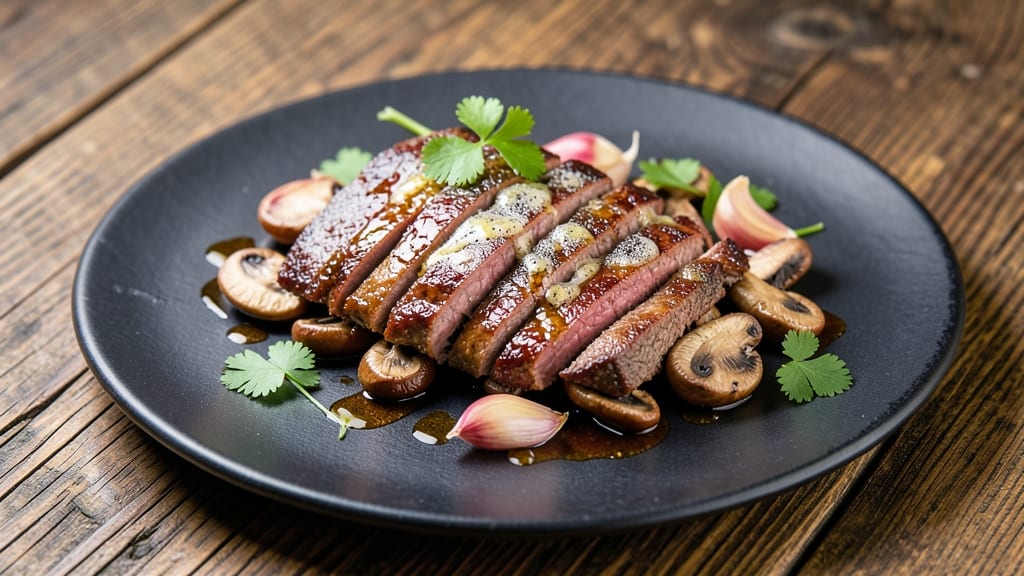
This velveted beef recipe transforms tough cuts into ultra-silky perfection through a precise velveting technique that's both science and art. The secret lies in the cornstarch-egg white slurry that creates that signature tender, almost melt-in-your-mouth texture while maintaining structure.
I developed this method after years of experimenting with Chinese restaurant techniques, and it never fails to impress—even skeptics become converts after the first bite.
The process begins with marinating beef slices in a flavorful blend of wine and aromatics, then blanching them in the slurry to lock in tenderness. What sets this apart is the two-stage cooking method: first searing to develop color, then stir-frying with mushrooms to build depth.
The result is beef that's restaurant-quality without requiring a wok or special skills—just patience and attention to timing.
By the time you plate it, you'll have perfectly velveted slices with glossy sheen and silky texture, served over fragrant jasmine rice or steamed greens. The wine-mushroom sauce adds layers of umami that complement the beef's natural richness.
This technique works with flank steak, sirloin, or even chicken, making it versatile for any meal.
For best results, use thinly sliced beef (¼-inch thick) and maintain high heat during stir-frying to prevent sogginess. The velveting process takes about 20 minutes of active prep time, followed by 5 minutes of cooking—ideal for weeknight dinners that feel special.
Let's get started on this technique that will change how you cook beef forever.
Ingredients for velveted beef
Fourteen essential ingredients transform tough beef into restaurant-quality velveted perfection through precise technique.
| Ingredient | Amount | Notes |
|---|---|---|
| Flank Steak 🥩 | 1 ½ lb | Thinly sliced against grain |
| Dry Sherry 🍷 | ½ cup | Substitute with dry white wine |
| Cornstarch 🌾 | ½ cup | Fine texture preferred |
| Large Egg Whites 🥚 | 4 whole | Freshly separated |
| Shiitake Mushrooms 🍄 | 8 oz | Sliced, stems removed |
| Garlic Cloves 🧄 | 6 cloves | Minced, aromatic |
| Fresh Ginger 🌿 | 2 tbsp | Finely grated, aromatic |
| Sesame Oil 🫒 | 1 tbsp | Toasted, for aroma |
| Light Soy Sauce 🍶 | 2 tbsp | Kikkoman preferred |
| Dark Soy Sauce 🍶 | 1 tbsp | For color depth |
| Green Onions 🧅 | 3 whole | Sliced, white and green |
| Vegetable Oil 🫒 | ¼ cup | High smoke point |
| Diamond Crystal Kosher Salt 🧂 | 1 tsp | For seasoning |
| Black Peppercorns 🌶️ | ½ tsp | Freshly cracked |
The quality of your beef and slurry components determines success. Flank steak is ideal for its lean texture and grain direction—ask your butcher to slice it against the grain to ¼-inch thickness. For the slurry, cornstarch must be fine and clump-free; Bob's Red Mill is a reliable brand. Fresh egg whites are non-negotiable—they provide the protein structure for velveting. Whole Foods or Costco typically carry high-quality shiitake mushrooms, which should be firm with closed caps. The ginger must be freshly grated for maximum aroma; pre-grated loses potency quickly. For sherry, Albertson's or Trader Joe's offer affordable options, though any dry white wine works in a pinch.
Substitutions require careful balance to maintain texture and flavor. Dry white wine replaces sherry at equal volume, though sherry's depth enhances umami. If cornstarch is unavailable, arrowroot powder at the same ratio works similarly. For mushrooms, cremini or oyster mushrooms provide comparable earthiness. The soy sauces are interchangeable, but dark soy sauce adds visual appeal without significant flavor contribution. Fresh ginger can be substituted with 2 tbsp ground ginger, though fresh is preferred. For sesame oil, toasted sesame oil is essential—regular sesame oil lacks the nutty depth. When adjusting quantities, maintain the 1:1 ratio of cornstarch to egg whites for proper velveting.
Proper storage extends freshness and maintains quality. Beef should be used within 2 days of purchase for optimal texture; store in an airtight container with paper towels to absorb moisture. The slurry mixture can be prepared 1 day ahead and refrigerated, though egg whites may separate—stir gently before use. Mushrooms keep for 5 days in the fridge, while ginger lasts 2 weeks when wrapped in plastic. For long-term storage, freeze beef and mushrooms separately for up to 3 months. Reheat velveted beef gently in a skillet to maintain its delicate texture—microwaving causes toughness.
Why You'll Love This Recipe
- Same recipe, different vibes: toss it over rice for a quick weeknight meal or serve it sliced on a platter for guests. Between us, I’ve used the leftovers in sandwiches and stir-fries—zero waste, all flavor.
- No-Fuss Velvet Texture: The egg whites and cornstarch combo turns tough flank steak into silky perfection—no fancy techniques, just whisking and searing. I swear, the first time I saw that glossy finish, I nearly dropped my spatula.
- Sherry-Kissed Umami Bomb: That splash of dry sherry? It’s the secret weapon—deepens the beef’s richness while cutting through the earthiness of shiitake mushrooms. Honestly, the flavor balance is what makes this dish actually special.
- Weeknight to Dinner Party: Same recipe, different vibes: toss it over rice for a quick weeknight meal or serve it sliced on a platter for guests. Between us, I’ve used the leftovers in sandwiches and stir-fries—zero waste, all flavor.
Step-by-step instructions for velveted beef recipe
Master this technique for restaurant-quality velvet beef with a silky texture and deep umami flavor.
Prepare the Flank Steak for Velveting
Begin by slicing the 1.5 lb flank steak thinly against the grain into ¼-inch thick strips. This cut ensures maximum tenderness in the final dish. Arrange the slices on a plate and season both sides generously with 1 tsp diamond crystal kosher salt and 0.5 tsp freshly cracked black peppercorns. Let them rest for 10 minutes at room temperature to develop flavor and remove any surface moisture.
In a separate bowl, whisk together the 4 whole large egg whites until frothy but not fully stiff. This creates a delicate coating that will help create the signature velvet texture. The egg whites should be at room temperature for even better results. I've found that using freshly separated eggs makes all the difference in achieving that silky finish.
Create the Velveting Marinade
In a medium bowl, combine the 0.5 cup dry sherry, 2 tbsp light soy sauce, 1 tbsp dark soy sauce, 2 tbsp finely grated fresh ginger, and 6 cloves minced garlic cloves. This marinade forms the flavor foundation of the dish. The sherry adds brightness while the soy sauces provide depth and color. Let this mixture sit for 5 minutes to allow the aromatics to meld together.
Add the 0.5 cup cornstarch to the marinade and whisk vigorously until completely dissolved. This creates a smooth slurry that will coat the beef and create that signature velvety texture when cooked. The cornstarch acts as a natural thickener that transforms during cooking. I recommend using fine-texture cornstarch for the smoothest results.
Velvet the Beef
Working in batches to avoid overcrowding, dip each strip of seasoned flank steak into the egg white mixture, allowing any excess to drip off. Then immediately coat each piece thoroughly with the cornstarch marinade. Place the coated beef on a wire rack set over a plate to prevent steaming. This step is crucial for achieving that signature silky texture.
Let the velveted beef rest for 15 minutes at room temperature. This allows the cornstarch coating to set slightly and ensures even cooking. The beef should look uniformly coated and slightly glossy. If you notice any pieces sticking together, gently separate them with a spatula. This resting period also helps the flavors penetrate the meat more deeply.
Cook the Shiitake Mushrooms
Heat 0.25 cup vegetable oil in a wok or large skillet over medium-high heat until shimmering. Add the 8 oz sliced shiitake mushrooms and stir-fry for 3-4 minutes until they release their moisture and begin to brown. Remove the mushrooms and set aside, leaving the aromatic oils in the pan.
In the same pan, add 1 tbsp sesame oil and swirl to coat. Add the minced garlic and grated ginger, cooking for 30 seconds until fragrant. This step builds the flavor base for your sauce. The sesame oil adds a nutty aroma that complements the umami from the mushrooms and beef. Be careful not to let the garlic burn—it should just be aromatic, not browned.
Finish the Velvet Beef
Return the mushrooms to the pan along with the velveted beef. Cook over medium-high heat for 2-3 minutes, stirring gently to ensure even cooking. The beef should cook quickly due to its thin slices and cornstarch coating. You'll see the cornstarch transform as it absorbs the heat and creates that signature velvety texture.
Add the reserved sherry-ginger marinade to the pan and bring to a simmer. Cook for 1-2 minutes until the sauce thickens slightly and coats the beef. The beef is done when it reaches an internal temperature of 145°F and the cornstarch coating has fully gelatinized. Stir in the 3 whole sliced green onions and cook for an additional 30 seconds to wilt the greens and incorporate their fresh flavor.
Pro Tips For Making Velveted Beef
- Slice Against the Grain: Flank steak’s fibers run long—cutting perpendicular makes each bite melt instead of chew. Grab your knife and angle those slices like you’re carving a Thanksgiving turkey, or you’ll end up with rubbery strips no matter how tender the velveting process.
- Whisk Cornstarch Like a Mad Scientist: Dry sherry and egg whites need a smooth slurry, or you’ll end up with clumpy lumps in your sauce. Whisk that cornstarch mix until it’s thinner than pancake batter—no grit, no excuses. I learned this the hard way when my first batch looked like it had been through a blender.
- Shock Mushrooms in Ice Water: Shiitake mushrooms soak up sherry like sponges, but a quick ice bath after cooking seals their flavor and keeps them from turning to mush. Toss them in cold water for 30 seconds—it’s the only way to guarantee they hold their shape when they hit the plate.
- Rest the Steak Before Velveting: Skipping the 10-minute rest after slicing? Your beef will release too much juice into the sauce and turn soggy. Wrap it loosely in foil and let it breathe—yes, even if you’re starving. Your future self will thank you when the slices stay intact.
Wine and beer pairings for this velveted beef
Red Wine Pairings
The rich umami depth of velveted beef pairs beautifully with Pinot Noir from Oregon or Burgundy. Its bright acidity cuts through the dish's silkiness while complementing the sherry and soy notes.
I recommend a 2020 Domaine Serene Pinot Noir—its cherry and earthy undertones enhance the mushrooms' earthiness. Serve slightly chilled (55°F) to refresh your palate between bites. 🍷
White Wine Options
For a white wine pairing, Chardonnay with noticeable oak works wonders. Look for a California Chardonnay like La Crema—its buttery notes contrast the beef's clean texture.
Alternatively, a dry Riesling from Germany adds crisp acidity that balances the soy sauce's saltiness. I serve mine at 48°F to highlight its citrus notes. 🥂
Beer Complements
A Japanese lager like Asahi Super Dry provides the perfect lightness to complement the dish without overpowering it. The crisp, clean finish cleanses your palate between each silky bite.
For craft beer lovers, a Belgian witbier with its peppery, citrus notes creates an unexpected but delightful contrast. Avoid heavy IPAs—they'll clash with the delicate velvet texture. 🍺
Non-Alcoholic Choices
For a refreshing non-alcoholic option, try sparkling green tea like San Pellegrino Limonata. Its effervescence and citrus notes mirror the sherry's brightness while cleansing your palate.
Alternatively, a ginger beer with a splash of lime adds zesty contrast to the dish's richness. Both options keep the meal light and refreshing. 💧
Serving Temperature
Wine and beer should be served at their ideal temperatures to fully appreciate their flavors. Red wines like Pinot Noir should be 55-60°F, while whites like Chardonnay shine at 48-50°F.
Beer should be served ice-cold (38-40°F) to maintain its crispness. I always chill my drinks for 30 minutes before serving to achieve perfect temperatures. ❄️
Flavor Harmony Tips
To enhance the pairing, consider adding a dash of sherry to your wine glass or a splash of ginger beer to your cocktail. This bridges the gap between the dish and drink, creating a seamless flavor experience.
I also recommend serving with steamed jasmine rice—its neutral base lets the wine and beef flavors shine. The key is balance: let the wine complement, not compete with, the dish's rich umami. 💫
Nutrition facts
Frequently asked questions
What makes velveted beef different from regular stir-fried beef?
The velveting technique uses a cornstarch-egg white slurry that transforms the beef's texture into ultra-silky perfection. Unlike regular stir-fry, this method creates a glossy, almost gelatinous coating that melts in your mouth while maintaining structure. The key difference is the 15-minute resting period after coating, which allows the cornstarch to fully set before cooking.
Can I use chicken or pork instead of beef?
This technique works beautifully with chicken breast or pork tenderloin, though cooking times will vary. For chicken, reduce cooking time to 1-2 minutes to avoid overcooking, while pork may need 3-4 minutes for full tenderness. The velveting principle remains the same—thin slicing and proper slurry application are crucial for all proteins.
Why does my velveted beef turn out tough instead of silky?
Overcooking is the most common mistake—velveted beef should cook for only 2-3 minutes after adding to the pan. Also ensure your beef is sliced ¼-inch thick against the grain and the cornstarch slurry is applied evenly. Another tip: use a meat thermometer and remove the beef when it reaches 145°F—any hotter will destroy the delicate texture.
How can I make this dish ahead of time?
Prepare the velveted beef up to 1 day ahead by completing all steps through the slurry coating. Store the coated beef in an airtight container in the fridge, then finish cooking when ready. For reheating, gently warm in a skillet over medium-low heat with a splash of water to maintain moisture—never microwave, as it will make the beef rubbery.
What's the best way to serve velveted beef?
This dish shines with steamed jasmine rice or egg noodles to soak up the rich sauce. For a complete meal, add steamed bok choy or blistered green beans on the side. The silky texture pairs perfectly with crisp vegetables that provide contrast. Garnish with extra green onions and a drizzle of sesame oil for restaurant-quality presentation.