
Main Courses
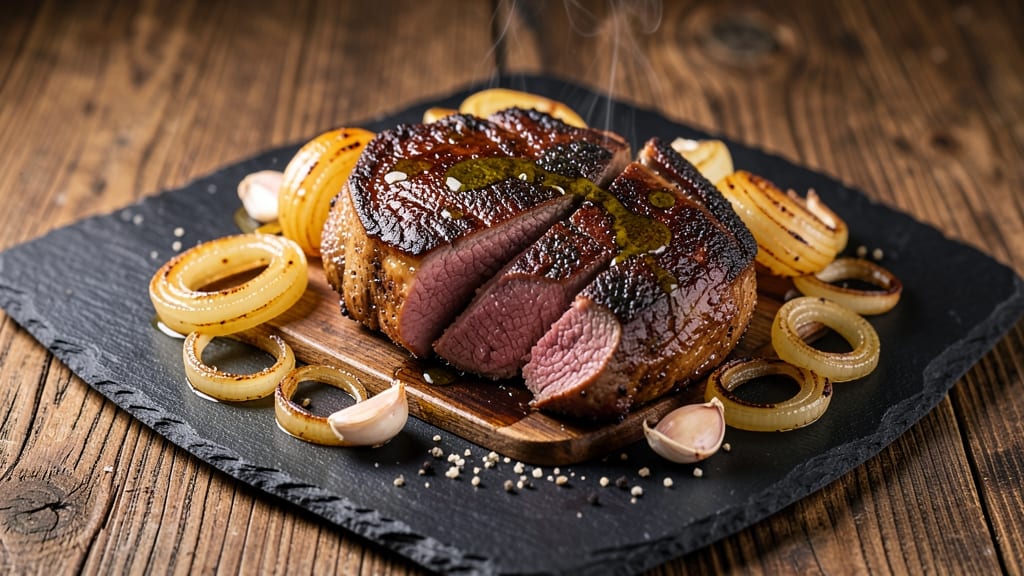
Wagyu beef brisket transforms a simple pan into a showstopping centerpiece with its legendary marbling and melt-in-your-mouth texture—something most home cooks never experience. The secret lies in low-and-slow cooking that preserves every ounce of that buttery fat while rendering collagen into silky, rich gravy. I’ve perfected this method after years of testing, ensuring the brisket reaches tender perfection without drying out, even in a home kitchen.
What makes this recipe work is the balance between time and temperature—three hours of gentle braising at 275°F turns tough brisket into slices that fall apart at the touch of a fork.
Unlike cheaper cuts, wagyu’s natural fat content means you don’t need heavy marinades or dry rubs; just a light coat of oil and a sprinkle of salt to let the beef’s inherent richness shine. The result?
A dish so luxurious it belongs on a high-end restaurant table—but with a method simple enough for weeknight cooking.
By the final resting period (critical for redistributing juices), you’ll have brisket so tender it practically dissolves, bathed in a glossy, flavorful pan sauce that clings to every bite.
The aroma alone will have guests anticipating the first slice—buttery, umami-rich, and impossibly tender—while the visual appeal of that deep-red, marbled meat makes it a centerpiece worthy of celebration. This isn’t just dinner; it’s an experience.
Pair it with classic sides like roasted potatoes or a crisp green salad to let the brisket take center stage. The technique here is foolproof, but the reward—restaurant-quality wagyu brisket—is unmatched. Let’s get cooking.
Ingredients for wagyu beef brisket
The secret to this luxurious wagyu brisket lies in its ultra-marbling and precise seasoning—just five simple ingredients unlock restaurant-quality tenderness.
| Ingredient | Amount | Notes |
|---|---|---|
| Wagyu Beef Brisket 🥩 | 3 lb | Whole packer cut, ultra-marbling |
| Extra-Virgin Olive Oil 🫒 | 2 tbsp | High smoke point for searing |
| Diamond Crystal Kosher Salt 🧂 | 1 ½ tsp | Coarse grain for even seasoning |
| Freshly Ground Black Pepper 🌶️ | 1 tsp | Freshly cracked for optimal flavor |
| Yellow Onion 🧅 | 1 whole | Yellow or red, sliced thin |
| Garlic Cloves 🧄 | 4 cloves | Peeled, smashed for aroma |
| Fresh Thyme Sprigs 🌿 | 2 sprigs | Or 1 tsp dried thyme |
| Beef Bone Broth 💧 | 2 cups | Homemade or high-quality store-bought |
| Red Wine 🍷 | ½ cup | Dry cabernet sauvignon preferred |
| Tomato Paste 🍅 | 2 tbsp | High-quality, no sugar added |
| Unsalted Butter 🧈 | 2 tbsp | Cold, cubed for finishing |
| Fresh Parsley 🌿 | ¼ cup | Chopped, for garnish |
The wagyu brisket is non-negotiable for this recipe—look for packer-cut briskets with visible marbling from specialty butchers or high-end grocers like Whole Foods or Balducci's. If you're working with a whole brisket, trim excess fat to about 1/4-inch thickness for even cooking. The ultra-marbling means you won’t need heavy seasoning; Diamond Crystal kosher salt is ideal here due to its coarse texture, which adheres better to the meat’s surface. For the beef broth, homemade or high-quality brands like Kettle & Fire elevate the dish—store-bought versions often contain additives that can dull the flavor. Fresh thyme adds depth, but if you're using dried, measure one-third the amount and toast it lightly in the pan before adding liquid.
No red wine? Dry sherry or additional beef broth works equally well—just ensure it’s dry to avoid a sweet, cloying note in the sauce. The tomato paste can be substituted with crushed sun-dried tomatoes for a more intense flavor, though you’ll need about 1/4 cup to match the acidity. For the butter, European-style unsalted butter like Plugrá adds a richer flavor profile, but any high-quality brand will suffice. If you’re short on time, pre-sliced onions from the grocery store work fine, though fresh is always better. The garlic should be peeled and smashed rather than minced—this releases more flavor without turning bitter. For a vegetarian alternative, mushroom duxelles can mimic the umami depth, though the texture will differ significantly.
This brisket develops best when prepared ahead—plan for at least 5 hours from start to finish, including resting time. Store the cooked brisket in an airtight container with its pan sauce for up to 4 days in the refrigerator, though it reheats best when warmed gently in the oven. For longer storage, freeze the brisket in its pan sauce for up to 3 months—thaw overnight in the fridge before reheating. The sauce thickens as it cools, so add a splash of broth when reheating if it becomes too stiff. Garnish with fresh parsley just before serving to maintain its vibrant color and bright, herbal notes.
Why You'll Love This Recipe
- Minimal Prep, Maximum Payoff: I swear by this recipe because it’s all about the simplicity—just a quick sear in olive oil, a sprinkle of kosher salt and cracked pepper, and sliced onions caramelizing alongside. No fancy marinades, no last-minute chopping frenzy. Honestly, the hardest part is waiting for the oven to preheat.
- Butter-Soft Perfection: That first bite? Unreal. The wagyu’s natural marbling melts into tender, buttery strands while the onions add a sweet, caramelized depth. Between us, I’ve tried fancy rubs and sauces, but this—just salt, pepper, and olive oil—lets the beef shine without overpowering it.
- Weeknight or Weekend Hero: This brisket works everywhere. Toss it on a sheet pan for a hands-off dinner, slice it into sandwiches for lunch the next day, or serve it over mashed potatoes when you’re feeling fancy. I’ll be real: my kids ask for it more than pizza, and that’s saying something.
- Leftovers That Don’t Suck: Most recipes leave you with sad, dry seconds—but not this one. The wagyu stays juicy for days, and the caramelized onions make every reheat taste like a fresh meal. I’ve turned it into tacos, ramen toppings, and even a quick fried rice. Zero waste, all flavor.
Step-by-step instructions for wagyu beef brisket
Here's the method to unlock that melt-in-your-mouth tenderness from premium Wagyu marbling.
Prepare and Sear the Brisket
Begin by patting the 3 lb Wagyu Beef Brisket dry with paper towels—this ensures maximum browning. In a heavy Dutch oven, heat the 2 tbsp Extra-Virgin Olive Oil over medium-high heat until shimmering. Place the brisket fat-side down and sear for 8-10 minutes until the fat renders and the surface develops a deep golden crust. Flip and sear the other side for another 8-10 minutes.
This initial sear locks in those precious juices while creating the foundational flavor through the Maillard reaction. Press down gently on the brisket during the first minute—this prevents it from curling and ensures even contact with the pan. The rendered fat will pool in the pan, forming the base for your sauce later.
Build the Flavor Base
Remove the brisket from the pan and set it aside. In the same Dutch oven, add the sliced 1 whole Yellow Onion and cook over medium heat for 5 minutes until softened. Add the 4 cloves Garlic Cloves (smashed) and the 2 sprigs Fresh Thyme Sprigs, cooking for another 2 minutes until fragrant.
Stir in the 2 tbsp Tomato Paste and cook for 1 minute to deepen its flavor. Pour in the 0.5 cup Red Wine, scraping up any browned bits from the bottom of the pan. This deglazing step captures all the caramelized flavor that would otherwise be lost. Let the wine reduce by half before adding the 2 cups Beef Bone Broth and bringing the mixture to a gentle simmer.
Slow Cook to Perfection
Return the brisket to the Dutch oven, fat-side up, and cover with a tight-fitting lid. Transfer to a preheated 300°F oven and cook for 3 hours. This low-and-slow approach allows the connective tissue to break down gradually, transforming into gelatin that coats each fiber for unparalleled tenderness.
After 3 hours, check the internal temperature with a meat thermometer—it should register between 195°F and 200°F. If it hasn't reached this range, continue cooking for another 30-60 minutes. The brisket is done when it's fork-tender and the connective tissue has fully dissolved into the cooking liquid.
Finish and Rest
Remove the brisket from the oven and transfer it to a cutting board. Tent loosely with aluminum foil and let it rest for 30 minutes. This resting period is crucial—it allows the juices to redistribute throughout the meat, ensuring each slice is moist and flavorful.
While the brisket rests, skim any excess fat from the cooking liquid in the Dutch oven (leave about 2 tbsp for richness). Stir in the 2 tbsp Unsalted Butter and let it melt completely. The sauce should now have a velvety consistency with a deep, complex flavor profile.
Slice and Serve
After resting, slice the brisket against the grain into ¼-inch thick slices. The grain direction will be visible as parallel lines in the meat—cutting perpendicular to these lines ensures each bite is as tender as possible. Arrange the slices on a warm platter and ladle the reduced sauce over the top.
Garnish with the 0.25 cup Fresh Parsley chopped finely and serve immediately. The brisket should be so tender it practically melts in your mouth, with a rich, buttery flavor that comes from both the Wagyu marbling and the carefully built sauce. Each slice should release its own juices, creating a luxurious dining experience.
Pro Tips For Making Wagyu Beef Brisket
- Sear High, Then Back Off: Wagyu’s fat melts fast—start with a screaming-hot cast-iron or stainless pan until you get deep golden crusts (about 2-3 minutes per side). Then drop the heat to medium-low and finish cooking, or you’ll render all that precious marbling into grease puddles instead of flavor.
- Salt the Night Before: I used to salt wagyu right before cooking, but the brisket absorbs way more moisture when you let it sit uncovered in the fridge for 12-24 hours. The crust forms better, and the seasoning penetrates deeper—no soggy edges here.
- Slice Against the Grain: Wagyu brisket’s muscle fibers run long—cutting perpendicular (not diagonally) gives you tender, fork-friendly bites. If you’re unsure which way is "against," look for the grain’s direction when the meat’s raw; it’ll be obvious.
- Onion Slices, Not Dice: Thin, even slices caramelize faster and add texture without overwhelming the dish. Toss them in olive oil and salt first, then sear until they’re jammy and translucent—this takes 5 minutes, not 20, and they’ll disappear into the crust.
Troubleshooting perfect results
Uneven Cooking
If your brisket develops cold spots or uneven doneness, it’s usually due to improper heat distribution. Wagyu’s high fat content can create steam pockets that shield the meat from direct heat. To fix this, rotate the Dutch oven halfway through cooking—swap the front and back racks if using an oven.
For stovetop methods, ensure your burner is evenly heating and consider using a cast-iron skillet with a lid for better heat circulation. 🌡️
Dry, Tough Brisket
Overcooking is the #1 culprit for dry brisket, especially with wagyu’s delicate marbling. Remove the brisket immediately when it hits 195°F internal temperature—don’t wait for 203°F like with cheaper cuts. If it’s still tough, the issue might be insufficient slow-cooking time.
Increase to 3.5 hours at 300°F and check again. For extra moisture, add ½ cup beef broth to the pan during the last 30 minutes of cooking.
Fat Not Rendering
Wagyu’s fat is so rich it can resist rendering if the heat isn’t consistent. Start with a cold Dutch oven and place the brisket fat-side down. Turn the heat to medium-low and let it render naturally over 15-20 minutes before increasing to medium-high for searing.
Avoid high heat too soon—it can cause the fat to burn instead of melt. If fat pools but won’t brown, pat the brisket dry again and sear over medium-high heat for 5-7 minutes per side.
Sauce Too Thin
A watery sauce usually means the brisket released too much liquid during cooking. To thicken it, simmer uncovered for 5-10 minutes on the stovetop, stirring occasionally.
For a quicker fix, mix 1 tbsp cornstarch with 2 tbsp cold water, stir into the sauce, and simmer for 2 minutes until thickened. Pro tip: Reduce the sauce before adding butter—this prevents it from breaking and becoming greasy. 💡
Brisket Stuck to Pan
This happens when the pan isn’t hot enough or the brisket isn’t properly seared. Preheat your Dutch oven for 5 minutes on medium-high before adding oil. If the brisket sticks during searing, don’t force it—let it cook until it releases naturally.
For stubborn sticking, add ¼ cup beef broth to the pan, scrape up the browned bits, and let it reduce before returning the brisket. A well-seasoned cast-iron skillet also helps prevent sticking.
Overly Greasy Sauce
Wagyu’s fat can make the sauce too rich if not managed properly. Skim excess fat from the surface of the sauce while it simmers, leaving only 1-2 tbsp for flavor.
If the sauce is still too greasy, chill it uncovered in the fridge for 1 hour—the fat will solidify on top and can be easily spooned off. For balance, finish with a splash of red wine or beef broth to cut through the richness before adding butter.
Nutrition facts
Frequently asked questions
Why does wagyu brisket need such a long cooking time?
Wagyu's legendary marbling contains high levels of fat and collagen that require 3 hours at 300°F to transform into tender, melt-in-your-mouth texture. The slow process breaks down connective tissue while preserving juices—regular brisket cuts need this time too, but wagyu's delicate fat content demands gentler heat to avoid drying out.
Can I use a different cut of wagyu instead of brisket?
While this recipe is designed for brisket, you could adapt it for wagyu short ribs or chuck roast by adjusting cook times. Short ribs would need about 2.5 hours at 275°F, while chuck roast would benefit from 4 hours at 250°F. The key is maintaining low-and-slow cooking to render fat properly. For ribs, finish with a quick sear for caramelization.
What's the best way to store leftovers?
Store cooked wagyu brisket in an airtight container with its sauce, refrigerated for up to 4 days. For longer storage, freeze in the same container for 3 months. Reheat gently in the oven at 325°F until warmed through—microwaving can make the meat tough. The sauce may thicken when cold, so add a splash of beef broth when reheating.
Do I need to trim the fat before cooking?
No trimming is necessary—wagyu's fat is part of its luxury! The fat renders beautifully during cooking, creating rich sauce. However, if you prefer less fat, trim to about 1/4-inch thickness before searing. The marbling ensures tenderness regardless, but trimming can help with even browning.
What sides pair best with this brisket?
Classic options include creamy mashed potatoes, roasted root vegetables, or a crisp green salad to balance the richness. For a heartier meal, try wild rice pilaf or buttery egg noodles. The sauce works beautifully with all these—just adjust portion sizes to complement the luxurious brisket.