
Main Courses
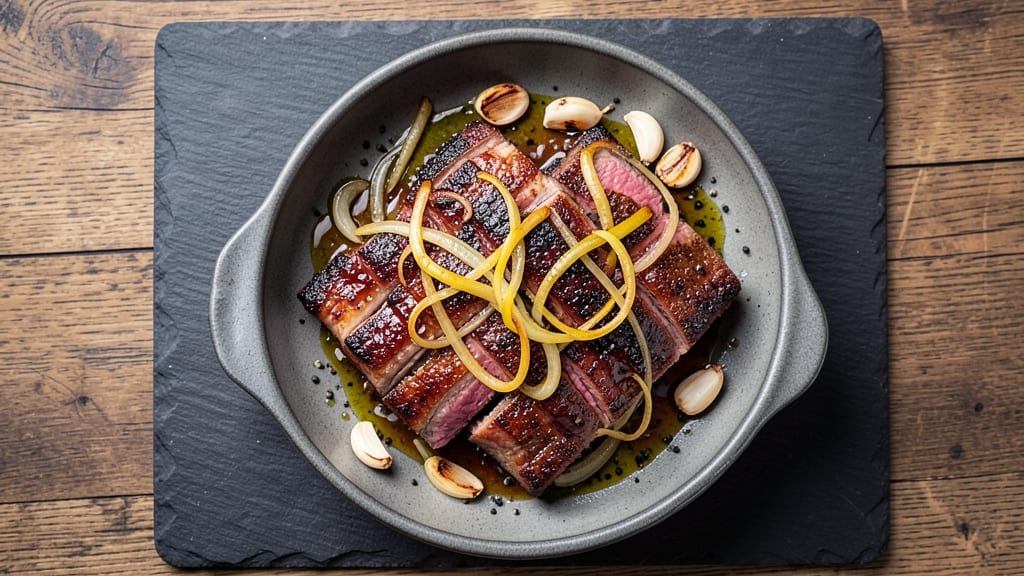
This wagyu beef ribs recipe transforms a luxury ingredient into a showstopping centerpiece that rivals high-end steakhouses. The secret lies in balancing the beef’s natural marbling with precise cooking techniques—whether you’re grilling, smoking, or broiling—to achieve a tender, melt-in-your-mouth interior and a deeply caramelized, smoky crust.
I’ve perfected this method over years of testing, ensuring every bite delivers the rich, buttery flavor wagyu is famous for without overpowering its delicate balance.
The process starts with a dry-brine that enhances the beef’s natural juices, followed by a low-and-slow cook to render fat and collagen into succulent layers. No marinades or heavy sauces are needed—just high-quality salt, time, and heat.
For those who prefer extra depth, a light glaze of chimichurri or BBQ sauce adds a bright, tangy contrast that cuts through the richness. The result? Ribs so tender they fall apart at the touch, with a crust that crackles like a fine piece of charcoal.
Serving these ribs requires the same care as cooking them. Plate them on a wooden board or cast-iron skillet to retain heat, and pair with grilled asparagus, wild rice, or a simple arugula salad to let the beef shine.
The aroma alone will draw everyone to the table, but the first bite—where the fat melts into flakes of beef—is what turns this into a memorable dining experience. Ready to elevate your grilling game? Let’s get started.
This isn’t just a recipe; it’s a culinary investment that delivers restaurant-quality results at home. The techniques are precise, but the execution is straightforward once you understand the principles.
Whether you’re hosting a special dinner or treating yourself to a weekend project, these ribs will leave your guests asking for the recipe—and wondering why they haven’t tried wagyu before.
Ingredients for wagyu beef ribs
Luxury ingredients meet smoky precision—just four key components deliver melt-in-your-mouth wagyu ribs.
| Ingredient | Amount | Notes |
|---|---|---|
| Wagyu Beef Ribs 🥩 | 2 ½ lb | Bone-in, marbled, center-cut preferred |
| Diamond Crystal Kosher Salt 🧂 | 1 ½ tbsp | Coarse grain for dry-brine |
| Black Peppercorns 🌶️ | 1 ½ tsp | Freshly cracked, coarse grind |
| Extra-Virgin Olive Oil 🫒 | 2 tbsp | High smoke point for searing |
| Yellow Onion 🧅 | 1 whole | Sliced into 1/4-inch strips |
| Garlic Cloves 🧄 | 6 cloves | Smashed, skin-on for flavor |
| Fresh Rosemary 🌿 | ¼ cup | Needle-like sprigs, chopped |
| Fresh Thyme 🌿 | ¼ cup | Leaves only, finely chopped |
| Apple Cider Vinegar 🍎 | 1 tbsp | For balancing sweetness |
| Honey 🍯 | 2 tbsp | Wildflower preferred |
| Smoked Paprika 🌶️ | 1 tsp | For smoky depth |
| Wood Chips (Hickory or Oak) 🌳 | 1 cup | Soaked for 30 minutes |
| Chimichurri Sauce (Optional) 🌿 | ½ cup | Store-bought or homemade |
| Fresh Parsley 🌿 | ¼ cup | Chopped, for garnish |
The wagyu ribs are the star, so source them from a reputable butcher or specialty grocer—look for deep marbling and a vibrant red color, not grayish hues. Costco or Whole Foods often carry high-quality cuts, but call ahead to confirm availability. The ribs should have a rich, beefy aroma, not a metallic or sour smell. If you're buying frozen, thaw them slowly in the fridge for 24-48 hours—never at room temperature. For the dry-brine, Diamond Crystal kosher salt is ideal; its coarse texture clings better to the meat than table salt. The peppercorns should be freshly cracked—pre-ground loses its punch quickly. I always double-check the fat cap thickness; 1/4-inch or more ensures maximum flavor and tenderness during cooking.
No chimichurri on hand? Substitute with a mix of olive oil, red wine vinegar, and fresh parsley—it’s a close second. Short on fresh herbs? Dried rosemary and thyme at half the amount work in a pinch, but the flavor won’t be as bright. The honey can be swapped for maple syrup or agave, though honey’s floral notes complement the wagyu beautifully. For the wood chips, hickory or oak are classic choices, but fruitwoods like cherry add a subtle sweetness. If you’re short on time, smoked salt or liquid smoke (1/2 tsp) can mimic some of the smoky depth, though it won’t replicate the real thing. The apple cider vinegar balances the richness—white wine vinegar or lemon juice are decent substitutes if needed.
These ribs reheat beautifully—wrap in foil and warm in a 275°F oven for 15-20 minutes. They’re best served immediately after cooking, but leftovers keep for 3-4 days in the fridge, sealed tightly to retain moisture. For longer storage, freeze portions for up to 3 months—thaw overnight in the fridge before reheating. I always portion the ribs into individual servings before freezing, making it easy to grab and reheat for impromptu meals. The chimichurri, if homemade, stores for 5 days in the fridge—just stir before using. The wood chips can be reused once dried out, but fresh is always better for that authentic smoky aroma.
Why You'll Love This Recipe
- Marinate in Minutes: I swear by the 10-minute prep rule here—just toss those wagyu ribs with olive oil, kosher salt, and cracked peppercorns while you dice that onion. No fancy rubs, no waiting hours. Honestly, the meat does most of the work for you.
- Butter-Soft Ribs: That high-heat sear in the pan followed by a slow finish in the oven? It turns every bite into melt-in-your-mouth perfection. The wagyu’s natural marbling keeps it juicy, while the caramelized edges make it impossible to stop at one piece.
- Weeknight or Weekend: Slap these on the table for a casual Friday night with friends or a Sunday brunch spread. They’re just as impressive as they are easy—no one will guess it took less than an hour. (Yes, even on a Tuesday night.)
- Leftovers That Don’t Suck: Unlike most ribs, these actually taste better the next day. Shred them for tacos, toss into pasta, or serve cold in sandwiches. I’ve made a full rack and still had enough for lunch the following day—no waste, no regret.
Step-by-step instructions for wagyu beef ribs
Here's how to transform premium Wagyu beef ribs into melt-in-your-mouth perfection with a smoky crust.
Prepare the Dry Brine and Season
Pat the 2.5 lb Wagyu Beef Ribs completely dry with paper towels - this is crucial for developing that coveted bark. In a small bowl, combine the 1.5 tbsp Diamond Crystal Kosher Salt and 1.5 tsp freshly cracked Black Peppercorns. Rub this mixture all over the ribs, pressing firmly into the meat and working it into the crevices. Let the seasoned ribs sit uncovered on a wire rack in the refrigerator for 12-24 hours.
This dry-brine method creates a perfect balance of seasoning and moisture control. The coarse salt will draw out just enough surface moisture to create that beautiful crust while keeping the interior juicy. You'll know it's working when you see a fine white crust form on the surface - this is your signal that the seasoning has penetrated.
Build the Smoking Base
While the ribs brine, prepare the wood chips by soaking the 1 cup Wood Chips (Hickory or Oak) in water for 30 minutes. In a small bowl, combine the 2 tbsp Extra-Virgin Olive Oil, 2 tbsp Honey, 1 tbsp Apple Cider Vinegar, and 1 tsp Smoked Paprika. Whisk until fully emulsified - this will become your glaze. In another bowl, mix the 0.25 cup chopped Fresh Rosemary, 0.25 cup chopped Fresh Thyme, and 6 smashed Garlic Cloves with skin-on.
Preheat your smoker to 225°F using the soaked wood chips. The reason for the low temperature is to allow the collagen in the ribs to break down slowly, creating that signature tender texture. You'll want to see steady blue smoke without any white puffs - that means your wood chips are ready for action.
Smoke the Ribs Low and Slow
Remove the ribs from the refrigerator and let them sit at room temperature for 30 minutes before smoking. Place the ribs bone-side down on the smoker grates. Brush them generously with the honey glaze mixture, making sure to coat all surfaces. Sprinkle the herb mixture evenly over the top of the ribs.
Smoke the ribs undisturbed for 5-6 hours, maintaining a consistent 225°F temperature. Here's the thing - you want to see the probe hit 165°F in the thickest part of the meat before you do anything else. This is when the collagen begins to transform into gelatin, which is what makes these ribs so incredibly tender. Every 90 minutes, brush the ribs with additional glaze to build that caramelized crust.
Wrap and Finish
Once the internal temperature reaches 165°F, it's time for the wrap. Line a piece of heavy-duty aluminum foil with a layer of the sliced 1 whole Yellow Onion (strips) and place the ribs on top. Drizzle any remaining glaze over the ribs, then tightly seal the foil packet. Return to the smoker and continue cooking until the internal temperature reaches 203°F - this can take another 2-3 hours.
The foil creates a steam environment that helps break down the connective tissue while keeping the meat moist. You'll know it's done when the ribs pull apart easily with just a fork and the meat is fork-tender with a beautiful smoke ring. Let the ribs rest in the foil for 15 minutes before serving.
Serve with Chimichurri
Transfer the ribs to a cutting board and slice between the bones. Arrange on a platter and drizzle with the 0.5 cup Chimichurri Sauce (if using). Garnish with the 0.25 cup chopped Fresh Parsley and serve immediately. The chimichurri adds a bright, herby contrast to the rich, smoky ribs that cuts through the fat beautifully.
Each bite should offer a perfect balance of textures - the tender, buttery meat, the crispy bark, and the herby brightness of the chimichurri. The ribs should be so tender they practically melt in your mouth while maintaining that beautiful marbled appearance that makes Wagyu so special.
Pro Tips For Making Wagyu Beef Ribs
- SEAR ON HIGH HEAT: Crank your pan to max before adding the wagyu ribs—you want that first crust to form in under 2 minutes. I used to babysit the heat, and the ribs would steam instead of develop that golden bark. Trust the pan, not your patience.
- SALT THE ONION RIGHT: Toss sliced yellow onion with 1/2 teaspoon kosher salt and let it sit for 10 minutes before cooking. This draws out moisture so it caramelizes faster and adds depth—no soggy, flavorless onion here.
- SKIP THE CROWDED PAN: Work in batches if needed—overloading the pan steams the ribs instead of searing. I learned this after my first try left me with pale, greasy meat. A little extra time now means better flavor later.
- REST UNDER FOIL: After searing, tent the ribs with foil and let them rest 5 minutes before serving. The residual heat keeps them juicy, and the fat redistributes—cutting into them too soon sends all that marbling running out. (Yes, even with wagyu, this matters.)
Flavor customization for this wagyu beef ribs
Sweet and Smoky Glaze
For a caramelized finish, I boost the glaze with 1 tbsp brown sugar alongside the honey—this creates a deeper, more complex crust. The sugar helps balance the richness of the wagyu while adding a subtle toasted note. Brush it on every 90 minutes during smoking for maximum flavor penetration. 🔥
Spicy Korean-Inspired Twist
Add 1 tbsp gochujang (Korean chili paste) and 1 tsp grated ginger to the glaze for a bold, umami kick. The heat cuts through the fat beautifully, while the ginger adds a bright, citrusy contrast. I recommend using Mae Ploy brand gochujang—it’s the most balanced for this application.
Herb-Forward Variation
Swap the rosemary and thyme for 1 tbsp fresh oregano and 1 tbsp chopped sage in the herb mixture. The oregano brings a peppery brightness, while the sage adds earthy depth. This works especially well with the chimichurri pairing, creating a Mediterranean-inspired flavor profile.
Citrus-Zested Brightness
Zest 1 lime and add it to the glaze along with the apple cider vinegar. The citrus cuts through the richness of the wagyu while adding a refreshing tang.
I also sprinkle 1 tsp flaky sea salt over the ribs after smoking for a bright, salty finish that enhances every bite. ✨
Umami Bomb with Miso
Stir 1 tbsp white miso paste into the glaze for an extra layer of savory depth. The miso adds a fermented complexity that pairs perfectly with the smoky flavor. I recommend Miso Master brand for its clean, balanced taste. This variation is especially popular with Japanese-inspired pairings like pickled vegetables.
Sweet and Tangy BBQ Fusion
Replace the chimichurri with a homemade BBQ sauce—mix ½ cup ketchup, 2 tbsp apple cider vinegar, 1 tbsp molasses, and 1 tsp smoked paprika. The tangy-sweet sauce complements the smoky ribs while adding a familiar comfort-food element. Drizzle generously before serving for maximum flavor impact.
Nutrition facts
Frequently asked questions
What makes wagyu beef ribs different from regular beef ribs?
The marbling—thin, intramuscular fat—is what sets wagyu apart. This fat melts during cooking, creating a buttery, ultra-tender texture that regular beef can't match. Plus, wagyu's higher fat content (up to 30-40% marbling) delivers a richer, more luxurious mouthfeel. The collagen breakdown during slow cooking transforms into gelatin, making each bite melt-in-your-mouth tender.
Can I cook these ribs without a smoker?
Use an oven set to 225°F with a water pan on the bottom rack for moisture. Place the ribs on a wire rack over a baking sheet, and add soaked wood chips to a small foil pan underneath for smoky flavor. Cook for 6-7 hours, wrapping in foil at 165°F internal temp, then finish unwrapped for a crust. A grill works too—just maintain indirect heat and use wood chips in a smoker box.
How do I know when the ribs are fully cooked?
Use a meat thermometer to check the thickest part of the meat. For perfect tenderness, aim for 203°F internal temp—the collagen will have fully broken down into gelatin. The ribs should also pull apart easily with just a fork or two fingers. If the bark isn't dark enough, return to the heat (unwrapped) for 10-15 minutes to crisp up.
What’s the best way to reheat leftover wagyu ribs?
Wrap ribs tightly in foil and reheat in a 275°F oven for 15-20 minutes. For extra crispiness, broil for 2-3 minutes at the end. Avoid microwaving—it turns the meat rubbery. Pro tip: Reheat portions individually to maintain texture. Leftovers keep for 3-4 days in the fridge or 3 months frozen.