
Main Courses
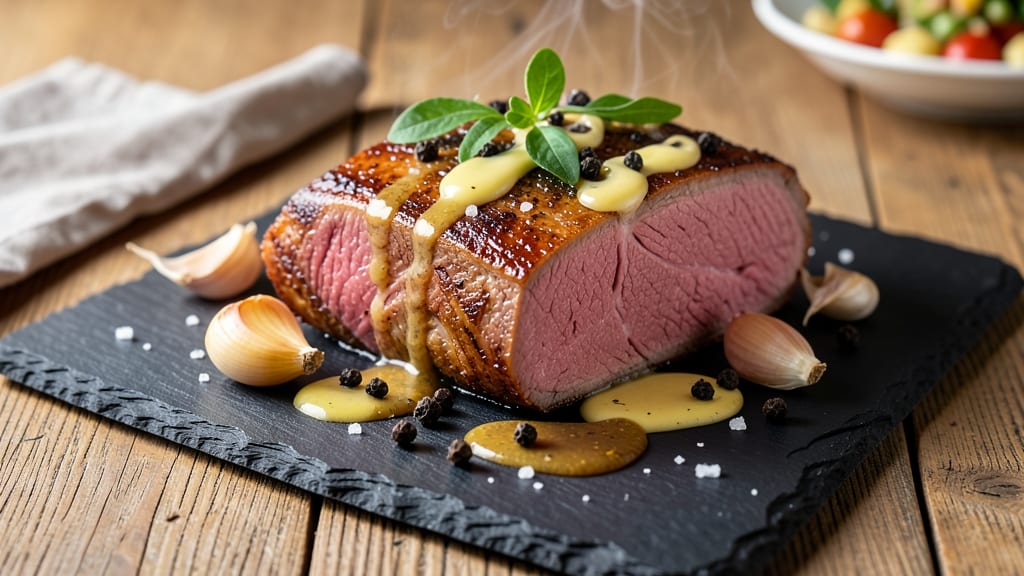
An 8 lb beef tenderloin cooked to perfection delivers melt-in-your-mouth tenderness with a crisp, golden crust—this reverse-seared method guarantees restaurant-quality results every time. The secret lies in precise temperature control and a slow cook to the core, followed by a high-heat sear for that coveted crust.
I’ve perfected this technique after years of testing, ensuring the meat stays juicy and flavorful from edge to edge.
This recipe transforms a simple cut of beef into a showstopping centerpiece for gatherings, using just a few key steps: a dry brine for enhanced flavor, a low-and-slow cook to the ideal internal temperature, and a final sear for color and texture.
The result? A tenderloin so tender it nearly falls apart, with a crust that’s crisp enough to stand up to rich sauces or stand alone. No special equipment is needed—just patience and attention to detail.
By the time you slice into this 8 lb masterpiece, you’ll have a dish that’s elegant yet approachable, perfect for holidays or special dinners. The reverse-sear method ensures even cooking, eliminating the guesswork of traditional roasting.
Whether you serve it with red wine reduction, roasted garlic mashed potatoes, or a fresh herb salad, this tenderloin will be the star of the meal.
For those cooking larger or smaller portions, the technique scales easily—adjust cooking times based on weight while maintaining the same temperature targets. Leftovers? Freeze cooked slices for up to 3 months, reheating gently in the oven to preserve that buttery tenderness.
Let’s get started on a dish that’s worth every effort.
Ingredients for 8 lb beef tenderloin
Twelve ingredients transform an elegant cut into a showstopping centerpiece with restaurant-quality crust and melt-in-your-mouth tenderness.
| Ingredient | Amount | Notes |
|---|---|---|
| Beef Tenderloin 🥩 | 8 lb | Center-cut, trimmed of silver skin |
| Kosher Salt 🧂 | 2 tbsp | Diamond Crystal preferred for even distribution |
| Freshly Ground Black Pepper 🌶️ | 1 ½ tbsp | Cracked from whole peppercorns |
| Garlic Cloves 🧄 | 12 cloves | Smashed, not minced, for infusion |
| Extra-Virgin Olive Oil 🫒 | ½ cup | High smoke point for searing |
| Unsalted Butter 🧈 | ½ cup | Cold, cubed for final crust |
| Fresh Thyme Sprigs 🌿 | 4 whole | Stems removed for garnish |
| Fresh Rosemary Sprigs 🌿 | 4 whole | Needles only, finely chopped |
| Red Wine 🍷 | 1 cup | Dry, bold variety like Cabernet Sauvignon |
| Beef Bone Broth 🥄 | 1 cup | Homemade or high-quality store-bought |
| Yellow Onion 🧅 | 1 whole | Thinly sliced for aromatics |
| Fresh Parsley 🌿 | ½ cup | Chopped, for finishing |
The beef tenderloin must be center-cut and trimmed of silver skin—this ensures even cooking and maximum tenderness. Source from a reputable butcher or high-end grocery store like Whole Foods or D'Agostino, where the cut is typically pre-trimmed. For an 8 lb roast, look for a piece that's roughly 2.5 inches in diameter at its thickest point. The Diamond Crystal kosher salt. Freshly cracked black pepper from whole peppercorns delivers superior flavor compared to pre-ground. If you're using a meat thermometer, invest in a Thermoworks or Meater—they're worth every penny for this technique.
No red wine? Dry white wine or beef broth works in a pinch, though the flavor profile shifts slightly. The garlic cloves should be smashed, not minced—this prevents burning during the low-and-slow cook. For the herbs, fresh is non-negotiable here. Dried thyme and rosemary can be used at half the amount, but the aroma won't be the same. The extra-virgin olive oil should have a high smoke point—California Avocado Ranch or Bertolli are excellent choices. If you're concerned about the butter burning during the final sear, chill the cubes for an extra 10 minutes before adding them to the pan.
The tenderloin should rest at room temperature for 1 hour before cooking—this ensures even doneness. Store any unused butter in an airtight container in the fridge for up to 3 months. Fresh herbs like thyme and rosemary keep best in the fridge wrapped in damp paper towels for 5-7 days. The cooked tenderloin reheats beautifully—slice it and store portions in airtight containers for up to 4 days, or freeze for 3 months. For serving, bring to room temperature in the fridge for 30 minutes before slicing to maintain that buttery texture.
Why You'll Love This Recipe
- Foolproof Seasoning: The tenderloin only needs salt, pepper, and crushed garlic—no complicated rubs or marinades. Honestly, I swear by this: just a few minutes of dry seasoning before the oven, and the beef becomes ridiculously flavorful without overpowering it.
- Crowd-Pleasing Simplicity: Between us, this is the dish I pull out for holidays, birthdays, or when my in-laws visit. The rich, buttery beef with that perfect crust? It’s the kind of thing people will ask for seconds of—and I’ll happily serve it again.
- Leftovers That Don’t Suffer: I’ve made this twice and still have perfect slices for sandwiches or salads days later. The meat stays tender, and the flavor only deepens—no sad, dry leftovers here.
- Weeknight Dinner Upgrade: No fancy prep, no stress. Sear it in the pan, pop it in the oven, and let it rest while I toss together some roasted potatoes. It’s my go-to when I want to feel like I’ve done something special without slaving away.
Step-by-step instructions for reverse-seared beef tenderloin
Master this technique and you'll achieve a perfect balance of tender interior and deeply caramelized crust every time.
Prepare the Beef Tenderloin for Even Cooking
Begin by removing the beef tenderloin from the refrigerator and patting it dry completely with paper towels. This step is critical—any moisture will prevent proper searing. I like to work with the tenderloin at room temperature for even cooking, so let it sit uncovered on a wire rack for 45-60 minutes while you prepare the seasoning.
While the meat comes to temperature, create a dry brine by combining the 2 tablespoons kosher salt and 1.5 tablespoons freshly ground black pepper in a small bowl. Using a fine-mesh strainer, generously coat the tenderloin with this mixture, pressing it into the surface so it adheres evenly. This dry brine enhances tenderness and develops flavor without adding moisture that could steam the meat during cooking.
Build Complex Flavor with Aromatics and Wine Reduction
Heat the 0.5 cup extra-virgin olive oil in a large oven-safe skillet over medium heat. Add the 12 smashed garlic cloves and the 1 whole thinly sliced yellow onion, cooking for 8-10 minutes until the garlic turns golden and the onions are translucent. Remove the pan from heat and set aside.
In the same skillet, deglaze with the 1 cup red wine, scraping up all the browned bits from the bottom. Simmer for 3-4 minutes until reduced by half. Add the 1 cup beef bone broth and simmer for another 2 minutes to create a flavorful base. This aromatic mixture will infuse the tenderloin during the low-temperature cook.
Low-Temperature Roast to Perfect Doneness
Preheat your oven to 275°F. Place the seasoned beef tenderloin in the skillet with the aromatic mixture, turning to coat lightly. Transfer the skillet to the oven and roast for 45-50 minutes per pound (about 6-7 hours total for an 8 lb tenderloin). This slow cook ensures the center reaches 125°F for medium-rare perfection.
Real talk: your oven might run hot or cold, so use a meat thermometer to monitor progress. The internal temperature should rise steadily—if it stalls, tent the skillet with foil to prevent moisture loss. The tenderloin is done when it reaches 125°F at its thickest point, with a few degrees carryover after resting.
Create the Crust with High-Heat Sear
Remove the tenderloin from the oven and let it rest for 10 minutes while you prepare for the final sear. Increase your oven temperature to 450°F and place a wire rack on the middle shelf. This hot oven will help maintain the sear temperature.
Heat a separate heavy skillet over high heat until it's screaming hot. Add the 0.5 cup cold cubed unsalted butter and let it melt completely, creating a foamy crust. Carefully place the rested tenderloin in the skillet, turning to coat all sides with the butter. The butter will foam and brown rapidly—this is your signal to sear for 2-3 minutes per side until a deep golden-brown crust forms.
Finish with Herbs and Rest for Maximum Tenderness
Remove the seared tenderloin from the skillet and transfer it to a cutting board. Sprinkle the finely chopped needles from 4 rosemary sprigs and stems removed from 4 thyme sprigs over the top, pressing gently to adhere. Let the tenderloin rest for 15-20 minutes before slicing—this crucial step allows the juices to redistribute throughout the meat.
Slice the beef tenderloin into 1-inch thick medallions against the grain for maximum tenderness. Garnish each serving with the 0.5 cup chopped fresh parsley and serve immediately with the pan juices reduced slightly if desired. The result should be a perfectly tender center with a deeply caramelized crust that delivers both texture and flavor in every bite.
Pro Tips For Making 8 Lb Beef Tenderloin
- Trim the Fat Side: That thin white strip along the tenderloin? It’s not just for looks—it’s where flavor hides. Use a sharp knife to score it lightly in a crosshatch, then rub it with salt and pepper before searing. I learned this the hard way when I skipped it; the crust was uneven, and the meat tasted duller.
- Salt Like It’s 1950: Don’t just sprinkle salt on top—get it in there. For an 8 lb tenderloin, mix 2 tablespoons kosher salt with 1 tablespoon black pepper, then press it into every crevice with your fingers. My grandmother swore by this, and she was right: the seasoning sticks, and the crust forms faster.
- Sear in Batches: An 8 lb roast won’t fit flat on your pan without crowding. Start by searing 3-4 sides at a time over high heat, then flip and repeat. I used to rush this, and the meat steamed instead of browned—now I treat it like a lazy Sunday, giving each side 2-3 minutes until deep golden.
- Garlic Cloves, Not Paste: Smash 8-10 whole garlic cloves into a paste with salt, then rub it under the skin of the tenderloin before roasting. Sounds weird, but it works: the skin crisps, the garlic infuses, and you avoid the watery mess of paste. (Yes, even if you’re impatient like me.)
Creative variations of this 8 lb beef tenderloin
Herb-Infused Crust
For a fragrant twist, swap the rosemary and thyme for 1 tbsp fresh sage leaves and 1 tbsp fresh oregano during the final sear. The herbs will caramelize beautifully on the crust, adding earthy depth.
I like to crush the herbs lightly between my fingers before pressing them onto the hot meat for maximum flavor infusion. 🌿
Red Wine Reduction Sauce
Use the pan drippings from the sear to create a quick red wine reduction sauce. After removing the tenderloin, deglaze the skillet with ¼ cup red wine and 1 tbsp beef bone broth, then reduce by half over medium-high heat.
Finish with 1 tsp balsamic vinegar and a pat of cold butter for a glossy, tangy sauce that pairs perfectly with the crust. 🍷
Smoked Paprika Rub
For a smoky flavor profile, create a dry rub using 1 tbsp smoked paprika, 1 tsp garlic powder, and ½ tsp onion powder before the low-temperature cook.
Mix with the kosher salt and black pepper, then coat the tenderloin evenly. This adds a subtle charred note that complements the butter crust beautifully. 🌶️
Portobello Mushroom Topping
Add a gourmet touch by topping the tenderloin with 8 large portobello mushroom caps during the final sear. Slice the mushrooms in half and place them cut-side down on the hot skillet alongside the tenderloin.
The mushrooms will soften and absorb the butter, creating a rich, umami-packed garnish that elevates the dish. 🍄
Balsamic Glaze Drizzle
Finish each sliced medallion with a drizzle of high-quality balsamic glaze (like Giovanni Rossi or Balsamic Vinegar Co.). Warm 2 tbsp glaze in a small saucepan for 30 seconds, then brush lightly over the top of each serving. The sweet-tangy contrast with the crust is pure magic. 💫
Spicy Coffee Rub
For a bold, unexpected variation, mix 1 tbsp finely ground coffee (like Peet's Major Dickason's Blend), 1 tsp cayenne pepper, and ½ tsp brown sugar into your dry brine.
The coffee adds depth while the cayenne delivers heat, creating a complex crust that stands up to rich sides like mashed potatoes or roasted vegetables. ☕
Nutrition facts
Frequently asked questions
How long should I let an 8 lb beef tenderloin rest before slicing?
Always rest the tenderloin for 15-20 minutes after the final sear. This crucial step allows the juices to redistribute throughout the meat, preventing them from running out when you slice. For an 8 lb roast, resting at room temperature ensures even tenderness from edge to edge.
Can I cook an 8 lb tenderloin without a meat thermometer?
While challenging, you can estimate doneness by using the 45-50 minutes per pound guideline for medium-rare. However, without a thermometer, you risk overcooking the center. For an 8 lb roast, aim for a total cook time of 6-7 hours at 275°F, then sear immediately after removal.
What's the best way to store leftovers from an 8 lb tenderloin?
Slice the cooked tenderloin into 1-inch medallions and store in airtight containers. Refrigerate for up to 4 days or freeze for 3 months. To reheat, warm slices gently in the oven at 300°F for 10-15 minutes to preserve tenderness. Never microwave—it turns the meat tough.
How do I adjust cooking time for a smaller/larger tenderloin?
Use the same 45-50 minutes per pound guideline for low-temperature cooking. For example, a 6 lb tenderloin would take 5-5.5 hours at 275°F, while a 10 lb would need 7-8 hours. The sear time remains 2-3 minutes per side regardless of size.
Why did my tenderloin crust turn gray instead of golden brown?
Gray crusts usually happen when the meat isn't hot enough during searing or the butter wasn't properly melted. Ensure your skillet is screaming hot and use cold cubed butter—this creates the proper foam for browning. Also verify your oven's accuracy with a thermometer if searing in the oven.