
Main Courses
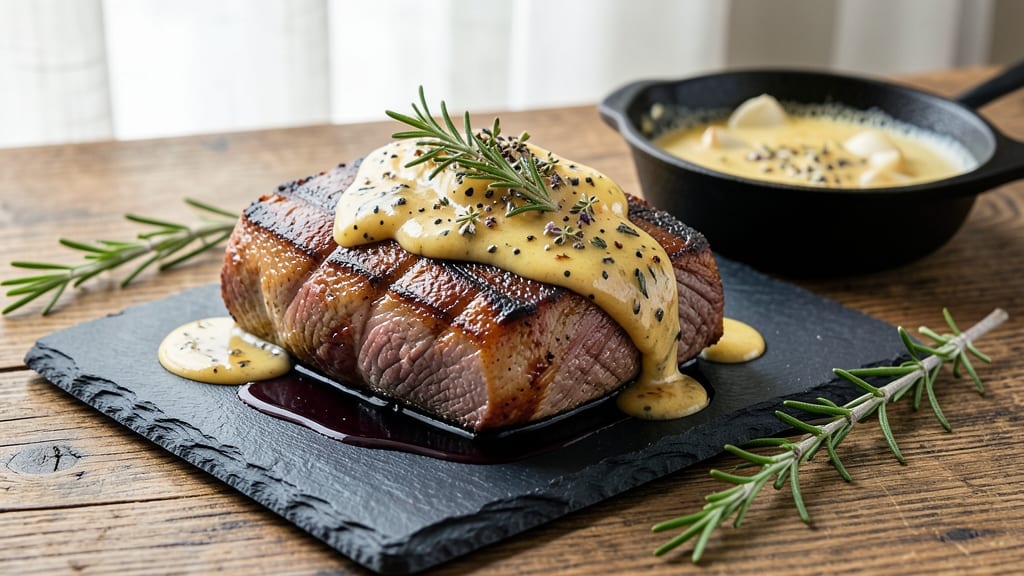
A 9-lb beef tenderloin deserves the same care as a prime steak—because it’s the centerpiece of a showstopping meal. This reverse-seared method guarantees tender, juicy perfection with a buttery crust, whether you're feeding a crowd or treating yourself to an unforgettable dinner.
The secret? Low-and-slow cooking followed by a high-heat sear to lock in flavor and create that golden, caramelized exterior.
What sets this recipe apart is precision: trimming excess fat ensures a clean, elegant presentation, while a 125–130°F internal temperature delivers medium-rare tenderness every time. The reverse sear technique—roasting first, then searing—preserves moisture and builds layers of flavor that even the most discerning guests will rave about.
No guesswork, no dry meat, just restaurant-quality results at home.
By the time you slice into this tenderloin, you’ll have a buttery, melt-in-your-mouth center with a crisp, caramelized crust that’s impossible to resist. The resting time is just as critical as the cooking—it redistributes juices so every bite is as luxurious as the first.
Serve with roasted garlic mashed potatoes or a crisp winter salad to complete the meal.
This recipe isn’t just about technique; it’s about confidence. Whether you’re grilling, roasting, or using a combination of methods, the steps are clear, the timing is foolproof, and the outcome is guaranteed to impress. Let’s get started on a tenderloin that will have everyone asking for seconds.
Ingredients for 9 lb beef tenderloin
Center-cut beef tenderloin, premium herbs, and precise seasoning create a showstopping centerpiece for any feast.
| Ingredient | Amount | Notes |
|---|---|---|
| Beef Tenderloin 🥩 | 9 lb | Center-cut, trimmed of excess fat |
| Unsalted Butter 🧈 | ½ cup | Cold, cut into 1-inch cubes |
| Kosher Salt 🧂 | 2 tbsp | Diamond Crystal preferred |
| Freshly Ground Black Pepper 🌶️ | 1 ½ tbsp | Coarse grind for texture |
| Fresh Rosemary 🌿 | ¼ cup | Finely chopped, stems removed |
| Fresh Thyme 🌿 | ¼ cup | Leaves only, stems discarded |
| Garlic Cloves 🧄 | 8 cloves | Smashed, not minced |
| Extra-Virgin Olive Oil 🫒 | ¼ cup | For searing, high smoke point |
| Dried Mustard 🌶️ | 1 tsp | For crust development |
| Yellow Onion 🧅 | 1 whole | Thinly sliced, for garnish |
| Fresh Parsley 🌿 | 0.2 cup | Chopped, for garnish |
The beef tenderloin is the star—opt for a center-cut roast with minimal fat for the cleanest presentation. USDA Choice or Prime grades deliver superior tenderness, but even Choice will impress if handled properly. Trim any silver skin or excess fat before seasoning; it’s not just for looks—it ensures even cooking and a professional finish. For sourcing, local butchers often carry higher-quality cuts than supermarkets, and they’ll trim it for you if asked. If shopping at a major chain like Whole Foods or Kroger, look for a roast with even marbling and a vibrant red color—avoid any with grayish hues or excessive fat caps.
No fresh rosemary or thyme? Dried substitutes work at half the amount, but the flavor won’t be as bright. For the butter, European-style unsalted (like Plugrá) has a higher fat content and melts more cleanly than American brands. The garlic should be freshly smashed, not minced—this prevents it from turning bitter during roasting. If you’re prepping ahead, store the seasoned tenderloin uncovered in the fridge for up to 24 hours to let the spices penetrate deeper. For the olive oil, avoid light or refined varieties—they lack the flavor and smoke-point needed for searing. A Kalamata or fruity Arbequina olive oil adds subtle depth to the crust.
This tenderloin reheats beautifully—low oven (275°F) for 15 minutes restores moisture without overcooking. For leftovers, slice against the grain and store in an airtight container for up to 4 days. Freeze portions in vacuum-sealed bags for up to 3 months; thaw overnight in the fridge before reheating. The resting period after roasting is non-negotiable—20-30 minutes at room temperature ensures juices redistribute. Garnish with the sliced onion and parsley just before serving to keep it vibrant. If serving a large crowd, pre-slice the tenderloin into 1-inch medallions before resting for even presentation.
Why You'll Love This Recipe
- Two-Ingredient Magic: The butter and rosemary alone do the heavy lifting—no fancy marinades or basting required. Just season, sear, and let the oven work its magic while you sip wine and pretend you’re a sous chef.
- Weekend Hero: This isn’t just a meal; it’s a statement. Serve it for birthdays, holidays, or when your in-laws visit—no one will guess it’s basically just salt, pepper, and patience. (Between us, that’s the best kind of cooking.)
- Leftover Luxury: A 9-pounder feeds a crowd but reheats like a dream—sliced thin over mashed potatoes or tossed in a grain bowl. Honestly, I’ve lived off these leftovers for three days without getting tired of it.
- Foolproof Confidence: No dry meat, no guesswork—just a perfectly pink center every time. The rosemary infuses the butter so deeply, even my kid who hates herbs asks for seconds. (Yes, even on a Tuesday night.)
Step-by-step instructions for reverse-seared beef tenderloin
Master this technique for a beef tenderloin that's impossibly tender inside with a perfectly seared crust.
Prepare the Herb Butter Rub
In a stand mixer fitted with the paddle attachment, combine the 0.5 cup unsalted butter with the 2 tbsp kosher salt, 1.5 tbsp freshly ground black pepper, 0.25 cup fresh rosemary, 0.25 cup fresh thyme, 1 tsp dried mustard, and the 8 smashed garlic cloves. Mix on medium speed for 3-4 minutes until the butter becomes pale and fluffy. This process incorporates air, which helps create a better crust when seared.
Transfer the herb butter to a bowl and let it sit at room temperature for 30 minutes to soften slightly. This makes it easier to spread evenly over the beef. The mustard in the mix plays a crucial role—it helps develop a deeper, more complex crust during the final sear.
Season and Chill the Beef Tenderloin
Pat the 9 lb beef tenderloin completely dry with paper towels, including the cavity. This step is critical for achieving that coveted crust. Using your hands, generously rub the herb butter mixture all over the tenderloin, pressing it into the meat so it adheres well. The beef should be evenly coated with the mixture.
Place the seasoned tenderloin on a wire rack set inside a rimmed baking sheet. Cover loosely with plastic wrap and refrigerate for at least 4 hours or overnight. This slow chilling process allows the seasoning to penetrate deeply and the meat to relax, resulting in a more tender final product. The herb butter will firm up slightly, making it easier to handle during the cooking process.
Low-Temperature Roast to Perfect Doneness
Preheat your oven to 275°F. When ready, place the chilled tenderloin in the oven on the middle rack. Roast for 45-60 minutes per pound—for our 9 lb tenderloin, this means 6.5 to 7.5 hours total. The goal is to cook the beef to an internal temperature of 110-115°F, which is medium-rare. Use a meat thermometer inserted into the thickest part of the meat to monitor progress.
Resist the urge to open the oven door during cooking—every time you do, you lose heat and moisture. The beef is done when it reaches the target temperature and has a slightly pink center with a touch of gray. At this point, the meat should be fork-tender but still slightly springy. Remove the tenderloin from the oven and let it rest on a cutting board for 15 minutes before searing.
High-Temperature Sear for Crust Perfection
While the tenderloin rests, heat a heavy skillet or cast-iron pan over high heat until it's screaming hot. Add the 0.25 cup extra-virgin olive oil and let it shimmer for 1 minute. Place the tenderloin in the pan and sear for 3-4 minutes per side, turning it to expose all surfaces to the heat. You want to see a deep golden-brown crust forming—this is the hallmark of a perfect sear.
During the searing process, the residual heat from the tenderloin's core will carry it up to 130-135°F, giving you that ideal medium-rare finish. The crust should be crisp and caramelized, with a rich, nutty aroma wafting from the pan. If you notice any areas not browning evenly, rotate the tenderloin to ensure an even sear.
Rest, Slice, and Garnish
Transfer the seared tenderloin to a cutting board and let it rest for 10-15 minutes before slicing. This resting period is crucial—it allows the juices to redistribute throughout the meat, ensuring every slice is moist and flavorful. While it rests, thinly slice the 1 whole yellow onion and chop the 0.2 cup fresh parsley for garnish.
Slice the tenderloin against the grain into 1-inch thick medallions. The meat should be deep pink in the center with a crisp, caramelized crust. Arrange the slices on a platter, garnish with the sliced onion and chopped parsley, and serve immediately. Each bite should deliver a perfect balance of tender, juicy meat with a rich, herby crust—the ultimate in beef tenderloin perfection.
Pro Tips For Making 9 Lb Beef Tenderloin
- USE A MEAT THERMOMETER: I learned this the hard way—guessing medium-rare on a 9-pound tenderloin leads to disaster. Bury the probe in the thickest part and pull it at 120°F for medium-rare (yes, it’ll rise to 125°F while resting). No more dry, overcooked surprises.
- SALT THE BUTTER HARD: Unsalted butter needs serious seasoning—mix in 1½ teaspoons kosher salt per ½ cup butter before melting. This isn’t just flavor; it’s insurance against blandness when basting a massive roast. (And skip the pre-salted—you’re in control here.)
- DON’T SKIP THE ROOM-TEMP EQUALIZE: Take the tenderloin out of the fridge 1–2 hours before cooking so it cooks evenly. Cold meat on hot pans = uneven searing, and a 9-pound roast needs all its corners to behave. (Pro move: Pat it very dry first—wet surfaces = steam, not crust.)
- BASTE LIKE A BOSS: Every 10–15 minutes, flip the roast and spoon melted butter + minced rosemary over it—generously. The butter’s fat keeps the crust intact, and the rosemary sticks to the heat. (Yes, it’s messy. No, you can’t skip it.)
Flavor customization for this dish
Herb Variations
Swap out the rosemary and thyme for fresh sage and tarragon—this combo adds an earthy, slightly peppery note that pairs beautifully with the butter crust. For a Mediterranean twist, use oregano and lemon zest (about 1 tbsp each) in your herb butter mix.
I’ve found that smoked paprika (1 tsp) adds a subtle depth without overpowering the natural beef flavor. 🌿
Spice Infusions
For a bold kick, mix 1 tsp cayenne pepper or 1 tbsp crushed red pepper flakes into the herb butter. If you prefer warmth over heat, try 1 tsp ground coriander and ½ tsp cinnamon—it sounds unusual, but the sweet-spice balance enhances the crust’s complexity.
For a smoky profile, add ½ tsp chipotle powder to the seasoning blend. Always taste the butter mixture before applying it to the beef!
Sweet & Savory Crusts
Drizzle 1 tbsp honey or 1 tbsp balsamic glaze over the seared tenderloin right before serving for a sweet-savory contrast. For a nutty crunch, sprinkle toasted hazelnuts or pecans over the slices after searing.
I love finishing with a dusting of flaky sea salt (like Maldon) right before plating—it elevates the dish to restaurant-worthy levels. 🍯
Global Flavors
Transform this tenderloin into a French-style entrecôte by adding 1 tbsp Dijon mustard and 1 minced shallot to the herb butter. For an Italian twist, use fresh basil and garlic (double the garlic to 16 cloves) and finish with a sprinkle of grated Parmesan.
A Korean-inspired version calls for gochujang (1 tbsp) mixed into the butter and a final drizzle of sesame oil after searing. Each variation keeps the reverse-sear method intact while offering a fresh cultural angle.
Unexpected Add-Ins
For a umami boost, fold 1 tbsp soy sauce or 1 tbsp Worcestershire sauce into the herb butter. A cheesy twist works surprisingly well—mix in ½ cup crumbled blue cheese or goat cheese for a creamy, tangy contrast.
If you’re feeling adventurous, try 1 tbsp miso paste (white or red) for a Japanese-inspired depth. Always adjust seasoning after adding these bold ingredients to balance flavors.
Finishing Touches
Drizzle the sliced tenderloin with reduced red wine (simmer ½ cup dry red wine until syrupy) for a rich, velvety finish. A brown butter sauce—made by melting 2 tbsp butter until nutty and whisking with 1 tbsp cream—adds a luxurious touch.
For a bright contrast, serve with a cold cucumber-dill yogurt sauce on the side. The key is to let the beef’s natural flavor shine while enhancing it with complementary elements. ✨
Nutrition facts
Frequently asked questions
How long should I let a 9 lb beef tenderloin rest after roasting?
Always rest the tenderloin for 15-20 minutes after removing it from the oven before searing. This allows the internal temperature to rise slightly while the juices redistribute. After searing, rest another 10-15 minutes before slicing to ensure maximum tenderness. Skipping this step can result in dry, uneven slices.
Can I cook a 9 lb tenderloin in a home oven without a meat thermometer?
While challenging, you can estimate doneness by touch and visual cues. For medium-rare, the tenderloin should feel slightly springy in the center (not firm) and have a pale pink interior when cut. However, a meat thermometer is the only reliable method for precision—aim for 110-115°F before searing. The reverse sear method is nearly impossible to perfect without one.
What’s the best way to reheat sliced beef tenderloin?
For leftovers, reheat slices in a 275°F oven for 10-15 minutes on a wire rack over a baking sheet (this prevents sogginess). Alternatively, warm in a skillet over medium-low heat for 2-3 minutes per side with a splash of beef broth. Never microwave—it destroys the texture and creates a rubbery result. Each slice should reach 135°F internally.
How many people does a 9 lb beef tenderloin serve?
A 9 lb tenderloin yields about 12-16 servings, depending on portion size. For a 6-ounce serving (standard for dinner parties), you’ll get 14 servings. For heartier portions (8+ ounces), plan for 10-12 servings sides. Always slice against the grain for maximum tenderness and presentation.
Why did my tenderloin turn out dry?
Dry beef typically results from overcooking (exceeding 130°F internal temp) or not resting properly. The reverse sear method requires patience—roast to 110-115°F first, then sear. Also, pat the meat completely dry before seasoning and avoid opening the oven door during roasting. If using a grill, monitor closely as direct heat can dry it out faster than oven roasting.