
Main Courses
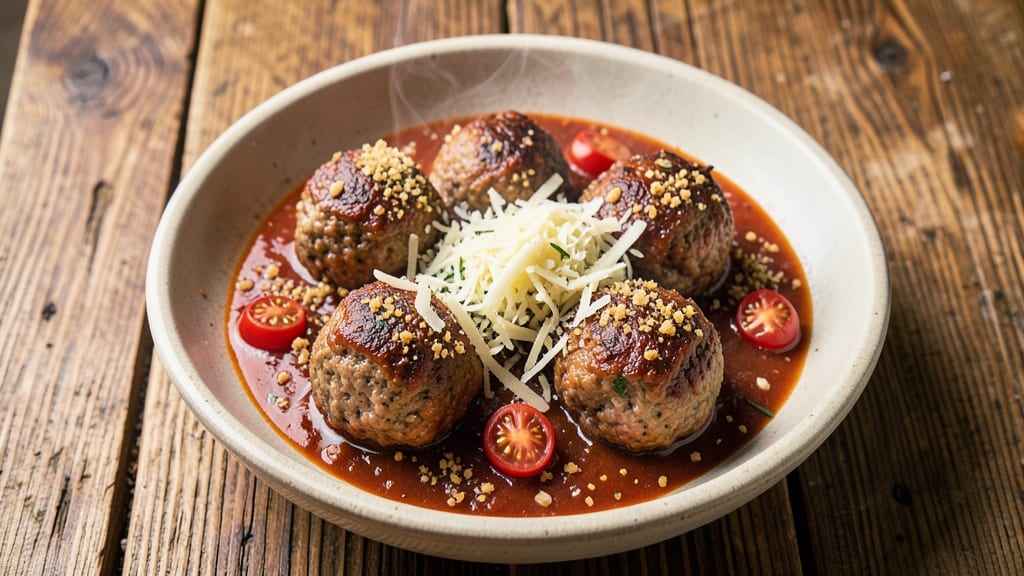
This all-beef Italian meatball recipe delivers restaurant-quality results with a foolproof technique that transforms simple ingredients into tender, flavorful meatballs. The secret lies in balancing ground beef with breadcrumbs and Parmesan for structure, while Italian seasoning and garlic create that signature depth.
I've perfected this method over countless batches—no dry, crumbly meatballs here.
What sets these meatballs apart is the pan-frying method, which creates a golden-brown crust while keeping the centers juicy. The recipe uses only five key ingredients (plus pantry staples), making it accessible for home cooks while delivering authentic Italian flavor.
Whether you simmer them in marinara or serve them alongside pasta, the result is consistently perfect.
By the time you're done, you'll have meatballs that are tender inside with a crisp exterior—ideal for slurping into spaghetti or serving as a standalone appetizer. The technique ensures they hold their shape without falling apart, a common issue with homemade versions.
This is the kind of recipe that becomes a weekly staple.
Pair these meatballs with your favorite marinara sauce, garlic bread, and a simple side salad for a complete Italian meal. The beauty of this recipe is its versatility—use it for spaghetti dinners, meatball subs, or even as a hearty appetizer.
Let's get started on creating meatballs that taste like they came from a trattoria.
Ingredients for all beef italian meatball
Five essential ingredients transform into restaurant-worthy meatballs with this foolproof technique.
| Ingredient | Amount | Notes |
|---|---|---|
| Ground Beef (80/20 Lean-to-Fat Ratio) 🥩 | 1 ½ lb | Chilled, not pre-formed patties |
| Parmesan Cheese (Freshly Grated) 🧀 | ½ cup | Block form preferred, not pre-shredded |
| All-Purpose Breadcrumbs 🍞 | ½ cup | Panko for extra crispiness |
| Large Egg 🥚 | 1 whole | Room temperature for best binding |
| Garlic Cloves 🧄 | 4 cloves | Minced, not powdered |
| Italian Seasoning 🌿 | 1 tbsp | Freshly ground preferred |
| Extra-Virgin Olive Oil 🫒 | 1 tbsp | For pan-frying, high smoke point |
| Diamond Crystal Kosher Salt 🧂 | ½ tsp | Adjust to taste after cooking |
| Freshly Ground Black Pepper 🌶️ | ½ tsp | Cracked peppercorns preferred |
| Dry Red Wine (Optional) 🍷 | ¼ cup | Chianti or Sangiovese preferred |
| Vegetable Oil (For Pan-Frying) 🫒 | ½ cup | High smoke point, like canola |
| Marinara Sauce (For Serving) 🍅 | 2 cups | Homemade or high-quality jarred |
The ground beef is non-negotiable—80/20 lean-to-fat ratio ensures juicy results. Costco or local butcher shops often sell pre-ground chuck at the best price, but avoid pre-formed patties—they lose moisture. For the Parmesan, always grate it fresh from a block; pre-shredded contains anti-caking agents that make meatballs dry. The breadcrumbs should be fine, not coarse—panko works beautifully if you want extra crunch. Italian seasoning blends vary wildly, so check for oregano, basil, thyme, and rosemary in the ingredients list when buying.
No Italian seasoning? Mix 1/2 tsp each of dried oregano, basil, and thyme for a close substitute. Fresh garlic is a must—powdered lacks depth, and you'll taste the difference. For the wine, Chianti or Sangiovese add authentic flavor, but a dry red like Cabernet works in a pinch. If you're avoiding alcohol, substitute beef broth with 1/2 tsp balsamic vinegar for acidity. The olive oil and vegetable oil should be high smoke point—canola or avocado oil works best for pan-frying without burning.
Store pre-formed meatballs in an airtight container with a paper towel between layers for up to 3 days in the fridge. For longer storage, freeze them on a tray first (to prevent clumping), then transfer to a bag for up to 3 months. Reheat gently in the sauce or pan-fry from frozen—no microwave for best texture. The marinara sauce can be made ahead and stored separately for 5 days in the fridge, or frozen for 3 months. Always bring meatballs to room temperature before cooking for even browning.
Why You'll Love This Recipe
- No Fuss, Big Payoff: I mix everything in a bowl—no food processor, no fuss—just beef, breadcrumbs, egg, and that freshly grated Parmesan. Honestly, it’s the kind of recipe where you’re not standing over the stove for hours, just rolling and baking.
- That 80/20 Magic: The fat in that 80/20 ground beef keeps them juicy, while the garlic and Parmesan add layers of flavor that make them ridiculously good straight out of the oven. No dry, sad meatballs here—just deep, savory satisfaction.
- Leftovers? More Like Leftovers: These bake up perfectly for meal prep—freeze half for another night, reheat in sauce, or toss them in a sandwich. Between us, I’ve had them cold the next day, and they’re still the star.
- Weeknight Hero: One sheet pan, 20 minutes in the oven, and you’ve got dinner. No fancy techniques, no last-minute grocery runs—just a reliable, crowd-pleasing dish that even my picky kids go for. (Yes, even on a Tuesday night.)
Step-by-step instructions for all-beef Italian meatballs
Here's the method I've perfected for meatballs that stay juicy inside and develop a rich, caramelized crust.
Prepare the Meatball Mixture
In a large mixing bowl, combine the 1.5 lb ground beef (80/20 lean-to-fat ratio) with the 0.5 cup freshly grated Parmesan cheese. Use your hands to break up any large clumps of fat while gently working the cheese into the meat. This ensures even distribution and prevents dense, chewy meatballs.
Add the 0.5 cup all-purpose breadcrumbs, 1 whole large egg, 4 cloves minced garlic, 1 tbsp Italian seasoning, 0.5 tsp Diamond Crystal kosher salt, and 0.5 tsp freshly ground black pepper. Mix thoroughly with your hands until all ingredients are evenly incorporated—you should feel the mixture come together without being overly sticky. If it's too dry, add 1 tsp extra-virgin olive oil to help bind it.
Shape and Chill the Meatballs
Using your hands, roll the mixture into 1.5-inch diameter meatballs—about 12-14 total for 4 servings. Wet your palms slightly with water to prevent sticking, and roll each meatball gently but firmly to ensure even cooking. Place them on a plate and refrigerate for 30 minutes to firm up slightly. This chilling step is crucial for maintaining shape during frying.
While they chill, preheat a large skillet over medium heat and add 0.5 cup vegetable oil. The oil should reach 350°F—use a thermometer for accuracy. If you prefer a lighter option, you can skip frying and proceed directly to baking, though the texture will differ slightly.
Pan-Fry for Perfect Texture
Carefully add the chilled meatballs to the hot oil in batches, leaving space between them to prevent steaming. Fry for 3-4 minutes per side until they develop a deep golden-brown crust. They should feel firm to the touch but still slightly cool inside—this indicates they're ready for the oven. If you added the 0.25 cup dry red wine, pour it into the pan now and let it simmer for 1 minute to deglaze, capturing flavorful browned bits.
Transfer the fried meatballs to a baking sheet lined with paper towels to drain excess oil. The residual heat will continue cooking them slightly, so don't overcrowd the pan or they'll steam instead of brown.
Finish in the Oven for Juicy Perfection
Preheat your oven to 375°F. Arrange the meatballs on a baking sheet in a single layer, ensuring they don't touch. Bake for 10-12 minutes until their internal temperature reaches 160°F—this ensures they're fully cooked through without drying out. The oven finish helps develop a crisp exterior while keeping the centers tender and juicy.
For serving, warm the 2 cups marinara sauce in a saucepan over low heat. Toss the meatballs gently in the sauce to coat, or serve them alongside for dipping. The sauce should cling to the meatballs without making them soggy—adjust consistency with a splash of water if needed.
Serve Immediately
Transfer the meatballs to a serving platter and let them rest for 2-3 minutes before serving. This brief rest allows any residual juices to redistribute, ensuring each bite is moist and flavorful. Pair with crusty bread or your choice of pasta for a complete meal.
For best results, serve the meatballs while they're warm. The contrast of the crisp exterior and tender interior, combined with the rich marinara, makes these meatballs ideal for handheld pasta pairings or as a hearty appetizer.
Pro Tips For Making All Beef Italian Meatball
- CHILL THE MIX BEFORE SHAPING: I learned this the hard way—skipping the fridge step means greasy, messy meatballs that fall apart. After mixing everything, pop the bowl in the fridge for 15 minutes (yes, even if you're impatient like me). The fat firms up just enough to handle without sticking to your hands, and the texture stays tight when cooking.
- GRATE PARMESAN FRESH (NO SUBSTITUTES): Pre-shredded cheese has anti-caking agents that turn your meatballs into a dry, crumbly mess. Grab a box of Parmigiano-Reggiano, zest it yourself, and use the fine holes on your grater—about ½ cup per pound of beef. The fresh shavings melt into a rich, gooey binder that holds everything together.
- DON’T OVERWORK THE BREADCRUMBS: Too much handling turns breadcrumbs into glue, and your meatballs will turn out dense and heavy. Mix them in just until combined—think "damp sand" texture, not wet cement. If the mix feels sticky, add 1-2 more tablespoons of breadcrumbs, but resist the urge to knead it like dough.
- SEAR IN BATCHES (NO CROWDED PAN): I used to dump all the meatballs in at once, and they’d steam instead of brown. Work in single layers with about 2 inches between them—crowding traps moisture and kills that crispy crust. Use two skillets if needed, and only flip when they’ve got a deep golden crust, not before. Patience here makes the difference between "meatballs" and "restaurant-quality" ones.
Best sauces and condiments for this recipe
Classic Marinara
Start with a homemade marinara—simmer 2 tbsp extra-virgin olive oil, 3 minced garlic cloves, 1/4 cup finely chopped onion, and 1 (28 oz) can San Marzano tomatoes with 1 tsp Italian seasoning and 1/2 tsp sugar for 20-25 minutes.
Blend until smooth or leave chunky. The acidity brightens the meatballs' richness. 🍅
Creamy Alfredo
For a decadent twist, make a light Alfredo sauce with 1 cup heavy cream, 1/2 cup grated Parmesan, 2 tbsp butter, and 1/2 tsp nutmeg.
Simmer until thickened, then toss meatballs in it for a velvety finish. Garnish with parsley for color. This pairs beautifully with fettuccine.
Spicy Arrabbiata
Add heat with an arrabbiata sauce: blend 1/2 cup tomato passata, 1 tbsp red pepper flakes, 2 garlic cloves, and 1/2 tsp chili oil into your marinara base. Simmer for 15 minutes to let flavors meld. The spice cuts through the fat, balancing flavors perfectly.
Garlic Butter Sauce
For a quick weeknight option, melt 3 tbsp butter with 3 minced garlic cloves and 1 tbsp lemon juice in a pan. Toss warm meatballs in the sauce for 2 minutes—the garlic adds depth without overpowering. Serve with crusty bread to soak up the sauce.
White Wine Reduction
Deglaze your pan with 1/2 cup dry white wine after browning meatballs, then reduce with 1 tbsp butter and 1 tsp capers. This bright, tangy sauce complements the meatballs' richness while adding a sophisticated touch. Perfect for special occasions.
Cheesy Tomato Sauce
Boost your marinara with 1/2 cup ricotta cheese and 1/4 cup mozzarella stirred in at the end. The creaminess balances the acidity, creating a sauce that clings beautifully to the meatballs. Top with fresh basil for a restaurant-worthy finish. 🌿
Nutrition facts
Frequently asked questions
Why does this recipe use 80/20 ground beef instead of leaner cuts?
The 80/20 lean-to-fat ratio is key for juicy meatballs—the fat renders during cooking, keeping the centers moist while creating a rich flavor. Lean cuts (like 90/10) often result in dry, crumbly meatballs. If you must use leaner beef, add 1 extra tablespoon of olive oil to the mixture to compensate.
Can I make these meatballs ahead of time?
Shape the meatballs and refrigerate them (uncooked) on a tray for up to 24 hours before cooking. For longer storage, freeze them raw on a tray first, then transfer to a bag for 3 months. Cook from frozen—just add 2-3 extra minutes to the pan-frying time. Never freeze cooked meatballs in sauce to avoid sogginess.
What's the best way to prevent meatballs from falling apart?
Overmixing the dough is the #1 cause of crumbly meatballs. Mix just until combined, then chill for 30 minutes before cooking. The egg and breadcrumbs bind best when cold. Also, avoid using too much bread—0.5 cup is perfect—and never skip the Parmesan, which adds structure. Wet your hands slightly when shaping to prevent sticking.
How do I know when meatballs are fully cooked?
Use a meat thermometer to check for 160°F internal temperature—this ensures they're safe to eat. Visually, they should be golden-brown and firm to the touch, with no pink remaining inside. If baking, 10-12 minutes at 375°F typically does the trick. For pan-fried meatballs, the crust will be crisp, but the center should still feel slightly cool when pressed.
Can I bake these meatballs instead of frying?
Yes! Skip the oil and bake at 375°F for 20-25 minutes on a wire rack set over a baking sheet (this prevents steaming). Brush with olive oil first for browning. The texture will be slightly less crisp than fried, but still delicious. For extra flavor, deglaze the pan with 0.25 cup red wine after baking and spoon the sauce over the meatballs.