
Main Courses
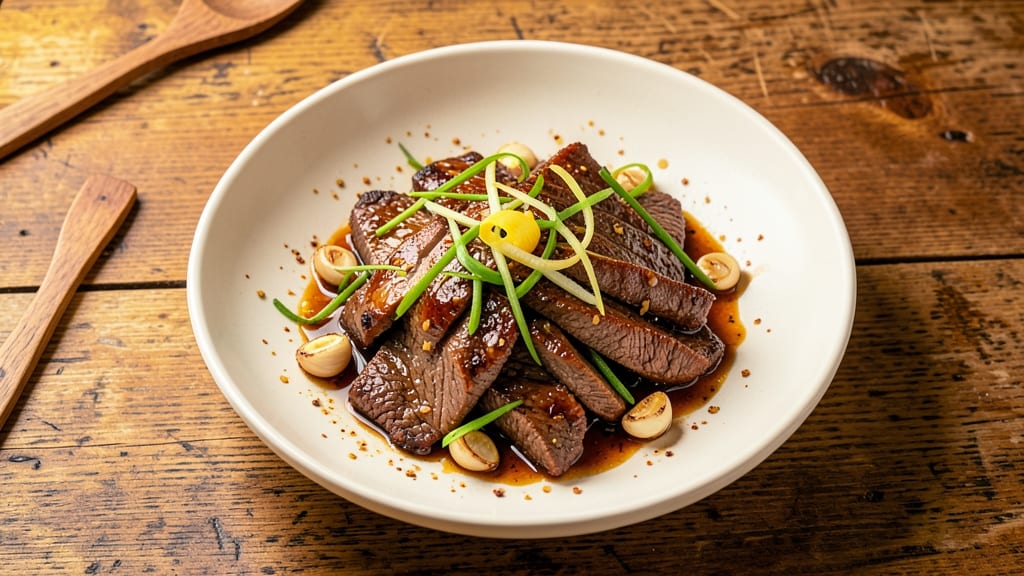
This Alberta ginger beef recipe brings together bold Chinese-Canadian flavors with the hearty simplicity of Alberta’s multicultural kitchen. The dish features tender beef strips marinated in a fragrant blend of soy sauce, ginger, and garlic, then stir-fried to perfection in a single pan.
It’s a celebration of Alberta’s culinary diversity—where traditional Asian techniques meet local ingredients for a dish that’s both comforting and exciting.
The magic lies in the marinade, where fresh ginger and aromatic spices infuse the beef with layers of flavor before a quick sear in the pan. This method ensures tender, juicy meat with a caramelized crust, all while keeping prep simple—no complicated techniques required.
The dish pairs beautifully with steamed rice or noodles, making it a satisfying main course for any meal.
What makes this recipe stand out is its balance of sweet, spicy, and umami notes, achieved through careful seasoning and timing. The beef absorbs the ginger-soy marinade perfectly, delivering a harmonious bite that’s both rich and refreshing.
Whether you’re cooking for family or hosting a dinner, this Alberta-inspired dish is sure to impress.
Serve it with a side of steamed jasmine rice or crisp stir-fried vegetables to round out the meal. The leftovers reheat well, making it a practical choice for busy weeks. Let’s get cooking!
Ingredients for alberta ginger beef
Fresh ginger, aromatic spices, and tender beef create Alberta's signature soy-ginger harmony in one pan.
| Ingredient | Amount | Notes |
|---|---|---|
| Flank Steak 🥩 | 1 ½ lb | Thinly sliced against the grain |
| Fresh Ginger Root 🌿 | ½ cup | Finely grated, skin on |
| Garlic Cloves 🧄 | 6 cloves | Minced, aromatic |
| Soy Sauce 🍶 | ½ cup | High-quality, dark soy preferred |
| Sesame Oil 🫒 | 1 tbsp | For aroma, not cooking |
| Honey 🍯 | 2 tbsp | Wildflower preferred |
| Red Wine Vinegar 🍷 | 1 ½ tbsp | Balances sweetness |
| Cornstarch 🌾 | 1 tbsp | For tenderizing |
| Vegetable Oil 🫒 | 2 tbsp | High smoke point |
| Green Onions 🧅 | 4 whole | Sliced, for garnish |
| Sesame Seeds 🌱 | 1 tbsp | Toasted for crunch |
| Diamond Crystal Kosher Salt 🧂 | 1 tsp | For seasoning |
| Ground Black Pepper 🌶️ | ½ tsp | Freshly cracked |
| Dried Red Chili Flakes 🌶️ | ½ tsp | Adjust for heat |
| White Peppercorns 🌶️ | ¼ tsp | Ground for depth |
The flank steak is the backbone of this dish—look for well-marbled cuts from a trusted butcher or Costco's pre-sliced Asian beef section. Slicing against the grain ensures tenderness, so take your time here. Fresh ginger is non-negotiable; the bulk bins at Whole Foods or Asian markets offer the most vibrant root. For garlic, organic cloves from Trader Joe's are my go-to—they're plump and flavorful. The soy sauce should be dark and robust, like Lee Kum Kee or Kikkoman Premium, to carry the umami depth this dish needs.
No fresh ginger? Powdered ginger at half the amount works in a pinch, though texture will differ. Substitute honey with maple syrup for a similar sweetness profile, though the flavor won't be identical. The cornstarch is critical for tenderizing—don't skip it. For the oil, avocado oil has a higher smoke point than vegetable oil, making it ideal for stir-frying. If you're avoiding gluten, tamari replaces soy sauce perfectly. The red chili flakes can be swapped for Sichuan peppercorns for a numbing heat instead of spice, though the dish will have a different character.
Marinate the beef for at least 30 minutes—overnight is ideal for maximum flavor infusion. Store leftovers in airtight containers for up to 4 days in the fridge, though the dish reheats best when served within 2 days. Freeze portions for 3 months by laying the beef flat on parchment before transferring to a bag. This Alberta classic reheats beautifully—gentle heat in a skillet with a splash of water preserves its moisture and caramelized crust.
Why You'll Love This Recipe
- Fewer Ingredients, Bigger Bang: I swear by this recipe because it’s one of those rare dishes where less feels like more. Just five core ingredients—flank steak, ginger, garlic, soy sauce, and a drizzle of sesame oil—and you’ve got a flavor explosion. No fancy pantry staples, no confusing steps. Honestly, the ginger’s sharp kick and that umami from the soy sauce do all the heavy lifting.
- Crispy-Edge Magic: That caramelized crust on the steak? Chef’s kiss. Searing the flank steak in a hot pan before braising it in the ginger-garlic-soy mix gives it this perfect contrast—tender inside, crispy outside. The sesame oil at the end? It’s the secret weapon that ties everything together with a nutty, aromatic finish. (Yes, even on a Tuesday night.)
- Leftovers That Don’t Suck: Between us, I make this twice because the leftovers are just as good as the first round. Slice it thin, toss it in rice or noodles, and suddenly you’ve got lunch or dinner covered. It reheats like a dream—no dry, sad steak here. My daughter picks out the best pieces, but still asks for seconds. That’s how you know it’s solid.
- Weeknight Workhorse: This is my go-to when I’m too tired to think but still want something that feels special. Thirty minutes max, one pan, and zero fuss. The ginger’s fresh bite cuts through the richness of the steak, and the garlic? It’s like a little flavor hug. Plus, it’s budget-friendly—flank steak stretches far, and the spices cost pennies. Reliable, delicious, and always a crowd-pleaser.
Step-by-step instructions for Alberta ginger beef
Master this one-pan technique for tender, aromatic beef with perfect balance of sweet, spicy, and savory notes.
Prep the Flank Steak for Maximum Tenderness
Begin by slicing the 1.5 lb flank steak against the grain into ¼-inch thick strips. This critical step ensures each bite remains tender rather than chewy. Place the sliced beef in a bowl and sprinkle evenly with 1 tablespoon cornstarch. Toss gently to coat—this creates a delicate crust that helps lock in moisture during cooking.
While the steak marinates, combine 0.5 cup finely grated fresh ginger root, 6 minced garlic cloves, 0.5 cup soy sauce, 2 tablespoons honey, and 1.5 tablespoons red wine vinegar in a separate bowl. The ginger should be freshly grated for maximum potency—its sharp aroma will infuse the beef beautifully. Let the steak marinate for at least 20 minutes at room temperature, allowing the flavors to penetrate deeply.
Build the Flavor Base in the Pan
Heat 2 tablespoons vegetable oil in a large skillet over medium-high heat until shimmering. Add the marinated beef strips in a single layer, being careful not to overcrowd. Cook undisturbed for 2-3 minutes until the edges develop a golden crust. This initial sear locks in juices—don't move the beef prematurely or it will release too much moisture.
Once the beef is browned, remove it to a plate and set aside. In the same skillet, reduce heat to medium and add 1 tablespoon sesame oil. Swirl to coat the pan, then add the ginger-garlic marinade. Simmer vigorously for 3-4 minutes until the sauce reduces by about half and thickens slightly. This concentrated base carries all the complex flavors we've built.
Finish the Beef with Perfect Sauce Consistency
Return the beef to the skillet and stir gently to coat in the reduced sauce. Add 0.5 teaspoon ground black pepper, 0.5 teaspoon dried red chili flakes, and 0.25 teaspoon ground white peppercorns, tossing just until evenly distributed. The chili flakes should dance in the sauce—this indicates proper heat integration without burning.
Continue cooking for 2-3 minutes until the sauce clings beautifully to the beef. If the sauce appears too thick, add 1-2 tablespoons water to achieve a glossy, velvety consistency. The ideal finish should coat the back of a spoon but remain pourable. Remove from heat immediately—overcooking will make the beef tough.
Garnish and Serve with Restaurant-Quality Presentation
Transfer the ginger beef to a warm serving platter. Drizzle generously with any remaining pan sauce, creating elegant ribbons for visual appeal. Sprinkle evenly with 1 tablespoon toasted sesame seeds and 4 sliced green onions, adding both texture and freshness. The sesame seeds should be lightly toasted in a dry pan for 30 seconds to enhance their nutty aroma.
Serve immediately over steamed jasmine rice or noodles to soak up every last drop of that fragrant sauce. Each bite should deliver tender beef with layers of ginger's zesty bite, soy's umami depth, and honey's subtle sweetness—balanced perfectly by the vinegar's bright acidity. The white peppercorns add subtle earthiness that rounds out the complex flavor profile.
Pro Tips For Making Alberta Ginger Beef
- Slice Against the Grain: Flank steak’s fibers run long—cutting perpendicular to them makes every bite tender. I used to ignore this and wondered why my Alberta ginger beef always felt chewy. Grab a sharp knife and angle those slices like you’re cutting through a deck of cards.
- Blanch the Ginger: Peel and slice that ginger root, then drop it in boiling water for 30 seconds before adding to the pan. This softens it just enough to release flavor without turning to mush. (Yes, it’s an extra step, but your sauce won’t separate like mine did the first five times.)
- Don’t Rush the Sear: High heat’s your friend here, but only for 2-3 minutes per side. After that, pull the steak off the heat and let it rest—even if the center’s not quite done. I learned this the hard way when my first batch turned out dry because I kept checking the temp. Patience. The carryover heat will finish it.
- Use Dark Soy Sauce: Swap regular soy for dark soy in the marinade—it’s sweeter, richer, and adds a caramelized depth that cuts through the ginger’s bite. I was skeptical until I tried it; now I double-check the bottle label before starting. Worth the extra 50 cents.
Regional styles of this dish
Chinese-Canadian Fusion Roots
This Alberta ginger beef recipe reflects the province's rich multicultural history, particularly its strong Chinese-Canadian community. Alberta's railways in the late 1800s brought thousands of Chinese immigrants who established vibrant neighborhoods like Chinatown in Calgary.
Their culinary traditions blended beautifully with local ingredients, creating dishes like this one that balance traditional Asian techniques with Alberta's hearty flavors. 🗺️
Calgary's Chinatown Influence
Calgary's Chinatown, established in 1913, became a cultural hub where Chinese-Canadian chefs adapted classic recipes using Alberta-raised ingredients. This ginger beef dish likely evolved from similar stir-fry traditions but incorporates locally available meats and spices.
The use of fresh ginger and soy sauce reflects authentic Chinese techniques, while the addition of Alberta's honey and vinegar creates that signature regional twist.
Pioneer-Style Adaptations
Early Chinese-Canadian settlers in Alberta had to work with whatever was available, leading to creative adaptations. This recipe's one-pan method reflects that pioneer ingenuity—minimal equipment, maximum flavor. The dish became a staple in Alberta's multicultural households, often served at community gatherings and family celebrations.
The balance of sweet, spicy, and savory notes makes it universally appealing across different cultural backgrounds.
Modern Alberta Twist
Today's Alberta ginger beef maintains those traditional roots while incorporating modern techniques. Many Alberta chefs now use locally sourced beef from ranches in the province's southern regions, while still preserving the authentic stir-fry method.
The dish has become a symbol of Alberta's culinary diversity, often featured at multicultural festivals and family dinners throughout the province.
Regional Ingredient Swaps
In northern Alberta, cooks often substitute wildflower honey with maple syrup to reflect the region's forestry traditions. Southern Alberta versions might use more chili flakes, influenced by the province's Mexican communities.
The key is maintaining that perfect balance of ginger's zesty bite with the rich umami of Alberta-raised beef—whether from the Rockies or the prairies.
Community Dining Tradition
This dish remains a centerpiece at Alberta's community potlucks and multicultural events. Its one-pan preparation makes it perfect for large gatherings, while the vibrant flavors represent the province's welcoming spirit. Many Alberta families have their own variations, often passed down through generations as a symbol of their multicultural heritage.
The recipe's simplicity and bold flavors make it a true Alberta classic. 💛
Nutrition facts
Frequently asked questions
What makes this Alberta ginger beef different from regular ginger beef?
This Alberta version incorporates local ingredients like wildflower honey and Alberta-raised beef, while maintaining traditional Chinese stir-fry techniques. The recipe also balances sweet, spicy, and umami flavors uniquely—using red wine vinegar for brightness and white peppercorns for depth. The one-pan method reflects Alberta's pioneer cooking traditions, making it heartier than some Asian versions.
Can I use a different cut of beef instead of flank steak?
Yes! Try sirloin or ribeye (sliced thinly against the grain), but avoid tougher cuts like chuck. For extra tenderness, marinate for 2-4 hours instead of just 20 minutes. The cornstarch coating works best with leaner cuts—skip it for fatty cuts like ribeye. Always slice against the grain for that perfect bite.
How can I make this dish gluten-free?
Replace soy sauce with tamari (gluten-free soy sauce) and ensure your cornstarch is certified gluten-free. Check honey labels too—some brands process in facilities with gluten. The recipe remains perfectly flavorful with these adjustments. For extra umami, add 1 teaspoon coconut aminos to the marinade.
What's the best way to reheat leftovers?
Reheat gently in a skillet over low heat with 1 tablespoon water to prevent drying. Avoid microwaving—it makes the sauce watery. For best results, reheat only what you'll eat immediately. Store leftovers in airtight containers for up to 4 days. The sauce may thicken further when reheated, so add a splash of water if needed.
Can I prepare this dish ahead of time?
Marinate the beef overnight for deeper flavor, then store it in the fridge until ready to cook. The marinade can also be prepped 1 day ahead and kept in the fridge. However, don't cook the dish ahead—reheat only what you've just prepared to maintain that perfect tender texture. The sauce will taste even more concentrated after marinating longer.