
Main Courses
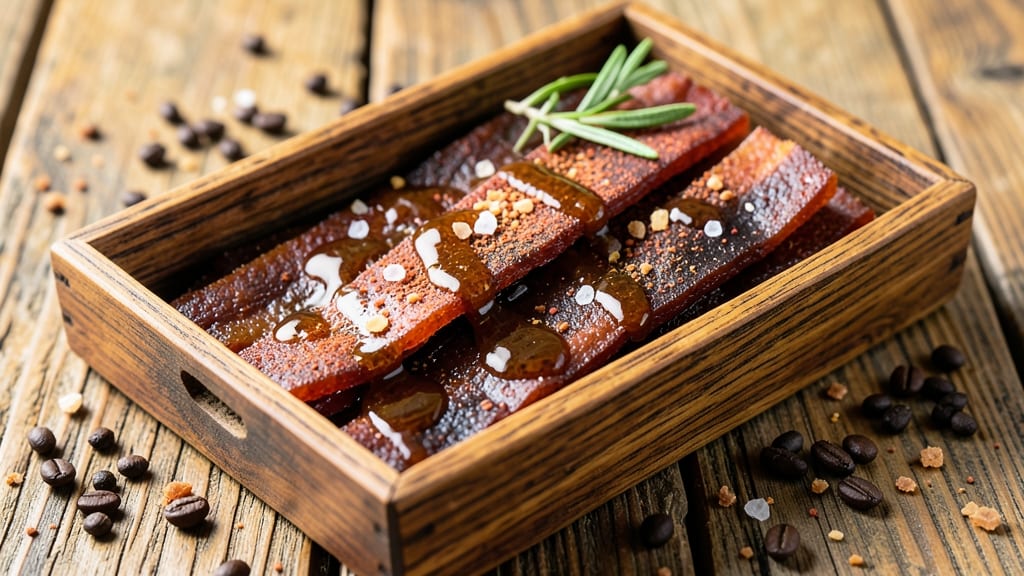
This American harvest beef jerky recipe transforms tough cuts into smoky-sweet, shelf-stable protein that lasts months—perfect for camping, snacks, or gifting. The secret lies in balancing coffee, brown sugar, and garlic for that classic American flavor while ensuring proper curing and drying to avoid spoilage.
Start with high-quality beef (top round or flank steak) sliced thinly against the grain for tender bites. A marinade of coffee, brown sugar, garlic powder, and Worcestershire builds deep flavor, while proper drying—either in a dehydrator or low oven—locks in that perfect chewy texture without rubberiness.
What you’ll end up with is jerky that’s rich, slightly sweet, and packed with smoky warmth—ideal for on-the-go meals or emergency pantries. The recipe includes safety steps to prevent contamination and ensures your jerky stays safe for up to six months when stored properly.
Whether you prefer classic flavors or bold twists like teriyaki or spicy chipotle, this method adapts easily. Let’s get started on jerky that tastes homemade but lasts like a pro’s.
Ingredients for american harvest beef jerky
High-quality beef, bold flavors, and precise curing for jerky that lasts months.
| Ingredient | Amount | Notes |
|---|---|---|
| Top Round Beef 🥩 | 2 lb | Thinly sliced against grain |
| Dark Roast Coffee ☕ | ½ cup | Ground, freshly brewed |
| Light Brown Sugar 🍚 | ½ cup | Packed, not granulated |
| Garlic Powder 🧄 | 2 tbsp | Freshly ground preferred |
| Worcestershire Sauce 🍶 | ¼ cup | Vegan if needed |
| Smoked Paprika 🌶️ | 1 tbsp | For smoky depth |
| Ground Black Pepper 🌶️ | 1 tsp | Freshly cracked |
| Salt 🧂 | 1 tbsp | Kosher or sea salt |
| Lemon Juice 🍋 | 2 tbsp | Freshly squeezed |
| Olive Oil 🫒 | 1 tbsp | Light coating |
| White Vinegar 🍶 | 2 tbsp | For curing |
| Cayenne Pepper 🔥 | ½ tsp | Adjust for heat |
The beef cut matters most here. Top round or flank steak from a trusted butcher gives you the lean, meaty texture jerky needs. Look for USDA Choice or Prime cuts at Costco or your local meat counter—they slice it thinly against the grain, which is key for tenderness. If buying whole, slice yourself with a sharp knife at a 45-degree angle. Avoid pre-sliced jerky beef; it’s often too thick and chewy. Store raw beef in the coldest part of your fridge until ready to use.
No Worcestershire? Soy sauce plus a pinch of sugar works in a pinch, though it won’t be identical. The coffee should be dark roast—Starbucks or local roaster blends work best. For a sweeter profile, swap half the brown sugar for maple syrup. Smoked paprika can be replaced with liquid smoke at half the amount, but it’s not the same. If you’re sensitive to acidity, reduce the lemon juice to 1 tbsp and add 1 tbsp apple cider vinegar instead. Prep all dry ingredients in a bowl first—it’s easier to mix into the wet components later.
Marinated beef keeps for 24 hours in the fridge before drying. Use within 48 hours for best texture. For drying, a dehydrator at 160°F is ideal, but a low oven with the door propped open works too. Jerky is safe for 6 months in a sealed container with oxygen absorbers. Portion into vacuum-sealed bags or airtight jars for longer shelf life. Store in a cool, dark place—heat and light degrade flavor over time.
Why You'll Love This Recipe
- No-Fuss Slicing: I swear by the top round cut—lean, affordable, and so easy to slice thin. No fancy butchering skills needed, just a sharp knife and steady hands. (Yes, even my roommate’s attempt turned out edible.)
- Coffee-Kissed Magic: That dark roast coffee in the marinade? It’s not just for drinking. It deepens the flavor into something rich and almost smoky, while the brown sugar keeps it from being too bitter. The Worcestershire ties it all together—like a cozy hug in bite form.
- Snack Attack Ready: Between us, this jerky is my go-to for road trips, tailgates, or when I’m too lazy to make a full meal. It keeps for weeks in the fridge, so I always have a protein-packed backup. (My kids call it “the secret stash”—no judgment.)
- Budget Protein Power: A pound of top round runs cheaper than most cuts, and this recipe stretches it far. I make a big batch, portion it out, and suddenly I’ve got a shelf-stable snack that costs pennies per serving. No guilt, just flavor.
Step-by-step instructions for American harvest beef jerky
Transform tough beef into tender, flavorful jerky with this reliable method.
Prepare the Beef for Maximum Flavor
Start by slicing the 2 lb Top Round Beef against the grain into strips about ¼-inch thick. The grain direction is easy to spot—it's the natural lines running through the meat. Use a sharp boning knife for clean cuts, and work quickly to keep the meat cold. Arrange the slices on a clean cutting board and pat them dry with paper towels—this helps the marinade penetrate more deeply.
Lay the beef strips in a single layer on a baking sheet lined with parchment paper. Lightly brush both sides with the 1 tbsp Olive Oil using a pastry brush. This creates a barrier that helps the curing process work more efficiently. The oil also prevents the strips from sticking together during the marinating process. Work in batches if needed to ensure even coating.
Create the Smoky-Sweet Marinade
In a large mixing bowl, combine the 0.5 cup Dark Roast Coffee, 0.5 cup Light Brown Sugar, 2 tbsp Garlic Powder, 0.25 cup Worcestershire Sauce, 1 tbsp Smoked Paprika, 1 tsp Ground Black Pepper, 1 tbsp Salt, 2 tbsp Lemon Juice, 2 tbsp White Vinegar, and 0.5 tsp Cayenne Pepper. Stir vigorously with a whisk or fork until the sugar dissolves completely and the mixture becomes thick and syrupy—this ensures even flavor distribution.
Here's the thing—this marinade needs to be fully integrated. The coffee grounds should be completely dispersed, and the sugar should dissolve without any graininess. If it's too thick, you can add 1-2 tablespoons of water to loosen it slightly. The acidity from the lemon juice and vinegar will help tenderize the beef while the sugar and coffee create that signature caramelized flavor. Let the marinade sit for 5 minutes while you prepare the next step.
Cure the Beef for Optimal Texture
Pour the marinade over the oiled beef strips, ensuring each piece is thoroughly coated. Use a silicone spatula to gently press the marinade into the meat, especially the thickest parts. Transfer everything to a resealable plastic bag or airtight container and seal tightly. The acidity in the marinade will begin breaking down the meat fibers immediately, so don't skip this step.
Refrigerate the beef for 12-24 hours, turning the bag every 4-6 hours to ensure even curing. This step is crucial—it transforms tough beef into tender, flavorful jerky. After 12 hours, you'll notice the meat has absorbed the marinade and looks slightly plump. If you refrigerate for the full 24 hours, the texture will be even more tender, but 12 hours works well if you're short on time.
Dry the Jerky for Long-Term Storage
Preheat your dehydrator to 160°F—this temperature is ideal for drying without cooking the meat. Line the dehydrator trays with parchment paper and arrange the marinated beef strips in a single layer, leaving about ½-inch between each piece. This spacing allows air to circulate freely, ensuring even drying.
Place the trays in the dehydrator and dry for 6-8 hours, checking periodically. The jerky is done when it's no longer sticky to the touch and has a firm, leathery texture. You'll know it's ready when a small piece snaps cleanly when bent—this indicates proper moisture removal. If the jerky isn't dry enough after 6 hours, continue drying for another 1-2 hours. Over-drying can make it brittle, so monitor closely.
Package and Store for Maximum Shelf Life
Once the jerky is completely dry, let it cool to room temperature. Transfer it to an airtight container or resealable bag, removing as much air as possible before sealing. For best results, store in the refrigerator where it will keep for up to 3 months. If you prefer longer storage, you can vacuum-seal the jerky and freeze it for up to 6 months—this preserves both texture and flavor.
The key to long-lasting jerky is proper drying and airtight storage. When stored correctly, each piece will maintain its smoky-sweet flavor and tender texture. Enjoy your homemade jerky as a snack, trail mix addition, or protein-packed meal topper—it's far superior to store-bought versions and tailored to your exact taste preferences.
Pro Tips For Making American Harvest Beef Jerky
- Trim Thinly, Not Thinly: I learned this the hard way—jerky needs to be cut ¼-inch thick max, but not so thin it dries out like leather. Use a sharp knife and work with the grain to keep fibers intact; thicker slices mean longer drying time, which ruins the texture.
- Coffee to Powder First: Skip the whole beans—grind dark roast coffee into a fine powder before mixing. This dissolves better in the marinade and coats the meat evenly, giving that deep, smoky bite without clumping. (Yes, even if you’re impatient like me.)
- Marinate Overnight, Not Rush: The coffee and Worcestershire need at least 12 hours to work their magic into the top round. I used to skip this, and the jerky tasted flat—like someone forgot to season it. Trust the process.
- Low and Slow, Not Fast: Dehydrate at 160°F (71°C) max—any hotter and the sugar burns before the meat’s dry. Crowd the tray at first, but flip pieces halfway so they crisp without sticking. (Your future self will thank you.)
Wine and beer pairings for this recipe
Classic Bourbon Pairing
For that smoky-sweet jerky flavor, a small-batch bourbon like Maker's Mark or Woodford Reserve is a perfect match. The caramel and vanilla notes in bourbon complement the coffee and brown sugar marinade beautifully.
Sip on an iced bourbon and soda (1 part bourbon, 2 parts soda water) with a lemon twist to cleanse your palate between bites. The slight sweetness balances the jerky's savory depth. 🥃
Craft Beer Contrast
A hazy IPA from New Belgium Brewing cuts through the richness of the jerky with its citrusy hop bitterness. Look for flavors like mango or passionfruit in the beer to contrast the smoky notes.
Alternatively, a dark ale like Guinness adds a malty richness that pairs surprisingly well with the coffee-infused jerky. Serve both at 45°F for optimal flavor balance.
Red Wine Surprise
You might not expect it, but a light-bodied red wine like Pinot Noir from Oregon works wonders. The bright acidity and red fruit notes (cherry, raspberry) in a wine from Domaine Serene or La Crema mirror the jerky's sweetness while the tannins stand up to its texture.
Chill slightly to 55°F to enhance the wine's freshness against the jerky's bold flavors. 🍷
Non-Alcoholic Options
For a refreshing non-alcoholic pairing, try a smoky black tea like Lapsang Souchong with honey. The tea's charred notes echo the jerky's smokiness while the honey adds sweetness. Alternatively, a ginger beer from BrewDog provides a spicy kick that contrasts the jerky's richness. Both options work perfectly when served chilled.
Spicy Jerky Twist
If you added extra cayenne pepper for heat, balance it with a cooling beverage like a mint julep (bourbon, mint, and simple syrup) or a sparkling limeade.
The icy mint or citrus refreshes your palate after each spicy bite. For a non-alcoholic option, try hibiscus iced tea—its tartness cuts through the heat beautifully. ✨
Nutrition facts
Frequently asked questions
Can I use any cut of beef for jerky?
For best results, stick with lean cuts like top round or flank steak. These have less fat and slice thinly against the grain for tender jerky. Avoid fatty cuts like ribeye—they won't dry properly and can spoil faster. If you must use a slightly fattier cut, trim the visible fat before slicing.
How do I know when the jerky is fully dried?
The jerky is done when it's no longer sticky to the touch and has a firm, leathery texture. You'll also hear a slight snap when you bend a piece. If it feels damp or bends without resistance, keep drying for 1-2 more hours. Over-drying makes it brittle, but under-drying risks spoilage.
Can I make jerky without a dehydrator?
Yes! Use a low oven (160°F) with the door propped open slightly for airflow. Place beef strips on a wire rack over a baking sheet to allow air circulation. Drying time will be 6-8 hours or longer. Alternatively, hang strips from a string in a dry, warm place (like a sunny window) for 2-3 days.
Why did my jerky turn out rubbery?
Rubbery jerky usually means it was over-dried or sliced with the grain instead of against it. Always slice against the grain for tenderness, and check moisture levels at 6 hours—remove it when it's just dry enough. For extra tenderness, marinate for the full 24 hours and avoid high heat during drying.
How should I store homemade jerky?
Store in an airtight container or vacuum-sealed bag to prevent moisture. Refrigerated jerky lasts 3 months, while vacuum-sealed and frozen jerky keeps for 6 months. Avoid plastic bags without sealing—oxygen causes spoilage. For short-term storage, a cool pantry works for 1 month if humidity is low.