
Main Courses
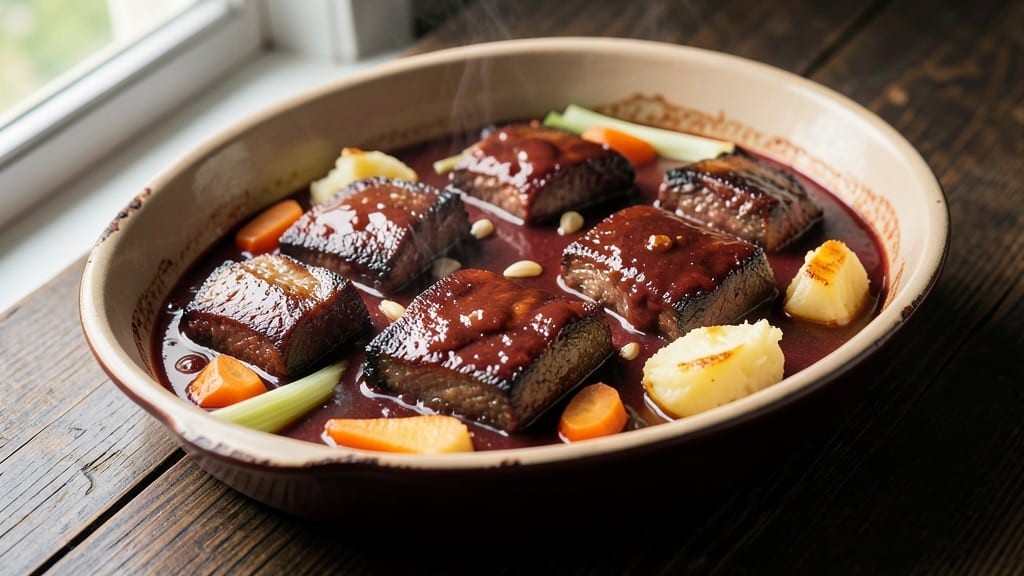
This America's Test Kitchen beef short rib ragu delivers restaurant-quality depth with a caramelized fond that builds rich, complex flavors. The secret lies in precise searing and slow braising—transforming tough short ribs into melt-in-your-mouth tenderness while developing a sauce so luxurious it feels like a weeknight splurge.
Every step is designed to maximize flavor extraction, from the initial sear to the wine reduction, ensuring a result that rivals your favorite Italian trattoria.
What sets this ragu apart is the balance of techniques: high-heat searing creates a flavorful crust, while the slow braise tenderizes the meat and infuses the sauce with deep umami.
The fond—those precious browned bits—becomes the foundation of a sauce that's velvety yet robust, with just the right acidity from red wine and brightness from fresh herbs. This isn't just a recipe; it's a method that transforms simple ingredients into something extraordinary.
The final dish features fork-tender beef that falls apart at the touch, swimming in a sauce that's rich enough to coat every bite yet light enough to let the meat shine.
Serve it over creamy polenta, crusty bread, or roasted vegetables to soak up every last drop of that decadent sauce. The precision of America's Test Kitchen ensures consistent results, so even home cooks can achieve this level of sophistication.
Perfect for special occasions or when you crave a comforting, hearty meal, this ragu delivers restaurant-quality satisfaction with minimal effort. The key is patience—letting the flavors develop over time creates a depth you can't rush. Once you taste the difference, store-bought sauces will never measure up again.
Ingredients for america's test kitchen beef short rib ragu
Six ingredients build this luxurious ragu—where beef short ribs become melt-in-your-mouth perfection.
| Ingredient | Amount | Notes |
|---|---|---|
| Beef Short Ribs 🥩 | 3 lb | Bone-in, 1-1.5 inches thick |
| Extra-Virgin Olive Oil 🫒 | ½ cup | For searing ribs and deglazing |
| Yellow Onion 🧅 | 1 whole | Cut into 1/2-inch slices |
| Carrots 🥕 | 2 medium | Cut into 1-inch chunks |
| Celery Stalks 🌿 | 3 whole | Cut into 1-inch pieces |
| Garlic Cloves 🧄 | 6 cloves | Smashed with side of knife |
| Dry Red Wine 🍷 | 1 cup | Bold, like Cabernet Sauvignon |
| Beef Stock 🥛 | 4 cups | Homemade or high-quality store |
| Tomato Paste 🍅 | 2 tbsp | Smooth, not chunky |
| Fresh Thyme 🌿 | ½ ounce | Leaves only, stems removed |
| Fresh Rosemary 🌿 | ¼ ounce | Leaves only, chopped |
| Salt 🧂 | 1 ½ tsp | Kosher or sea salt |
| Black Peppercorns 🌶️ | ½ tsp | Freshly cracked |
| All-Purpose Flour 🌾 | 1 tbsp | For dusting ribs |
The short ribs are non-negotiable. Bone-in, 1-1.5 inches thick—any thinner and they'll overcook. I always grab mine from Whole Foods or my local butcher, asking for the beefy, marbled cuts. If you're buying pre-cut, look for even thickness so they cook uniformly. The olive oil matters too—extra-virgin for high smoke point and fruity depth. Pat the ribs dry before searing; that crisp crust is where all the magic starts. For the wine, Cabernet Sauvignon or Merlot adds the right acidity and tannins that cut through the richness.
No red wine? Beef stock with a splash of balsamic vinegar works in a pinch, but you'll lose some complexity. Fresh herbs are ideal, but dried thyme at half the amount gets you close—just toast them first to wake up the flavor. The tomato paste can be the squeeze-tube kind (Trader Joe's has great ones), but if you're using canned, San Marzano is worth the splurge. For the vegetables, any root veggies (parsnips, turnips) swap in nicely. The key is cutting them evenly—they should be the same size as the onion and celery so everything cooks at the same rate. And don't skip the flour—it helps develop that glorious fond.
This ragu tastes even better the next day, so make it when you have time. Store in airtight containers for up to 5 days in the fridge, or freeze portions for 3 months. I always double the batch—one for dinner, one for lunches. The sauce thickens as it cools, so add a splash of stock if it seems too stiff when reheating. Serve over creamy polenta or crusty bread—whatever soaks up that decadent sauce best.
Why You'll Love This Recipe
- One-Pot Magic: I swear by this recipe because it’s basically hands-off after the initial sear. Brown those beef short ribs in olive oil, toss in the onions, carrots, and celery—that classic trio—and let the slow cooker or Dutch oven do the rest. No chopping boards to scrub, no extra pans to wash.
- Rich Without Effort: Between us, the secret’s in the low-and-slow braising. Those tough short ribs melt into tender, shreddable perfection while the carrots and celery soften into the sauce, infusing it with natural sweetness. Honestly, the flavor builds itself—just let time work its magic.
- Weeknight to Weekend: This ragu is my go-to for busy nights and when company’s over. Serve it over pasta for a quick weeknight dinner, or pile it onto crusty bread with a sprinkle of Parmesan for a showstopping appetizer. (Yes, even on a Tuesday night.)
- Leftovers That Don’t Suck: I make a double batch because the leftovers are actually better the next day. The flavors deepen, the sauce thickens just enough, and it reheats like a dream. Plus, short ribs are budget-friendly—you’re feeding a crowd without breaking the bank.
Step-by-step instructions for america's Test Kitchen beef short rib ragu
Here's how to transform tough short ribs into melt-in-your-mouth luxury with a rich, wine-braised sauce.
🔥 Step 1: Sear the Ribs Until Deeply Browned
Pat the 3 lb beef short ribs completely dry with paper towels—this is crucial for that perfect crust. Heat the 0.5 cup extra-virgin olive oil in a heavy Dutch oven over medium-high heat until shimmering. Working in batches if needed, add the ribs and sear for 4-5 minutes per side until deeply browned and caramelized. The color should be dark mahogany, not just light brown.
Don't rush this step. You want maximum flavor extraction from the meat and those beautiful browned bits that will form the fond for your sauce. Once all ribs are seared, transfer them to a plate and set aside. I like to sprinkle them lightly with 1 tablespoon all-purpose flour before returning them to the pot—this creates a light crust that helps thicken the sauce later.
🍳 Step 2: Build the Flavor Base with Vegetables and Wine
In the same Dutch oven, add the cut yellow onion, carrots, and celery stalks. Cook over medium heat for 8-10 minutes, stirring occasionally, until the vegetables soften and begin to caramelize. Add the smashed garlic cloves and cook for another 30 seconds until fragrant—this prevents burning while releasing all that garlic flavor.
Pour in the 1 cup dry red wine and scrape up all those delicious browned bits from the bottom of the pot with a wooden spoon. This deglazing step captures all the flavor you worked so hard to create. Let the wine simmer for 3-4 minutes until reduced by half, then stir in the 2 tablespoons tomato paste and cook for 1 minute to deepen the sauce's richness.
🥘 Step 3: Braise Until Fork-Tender
Return the ribs to the pot along with any accumulated juices. Add the 4 cups beef stock, 1.5 teaspoons salt, and 0.5 teaspoon black peppercorns. Bring to a simmer, then cover and transfer to a 300°F oven. Braise for 3-3.5 hours, turning the ribs occasionally, until they're fork-tender and easily pull away from the bone.
Here's the thing—patience pays off. The ribs should be so tender they practically fall apart when you test them. If you peek and see the sauce is reducing too quickly, add a splash of water or stock to maintain the liquid level. The thyme and rosemary can be added during the last 30 minutes of cooking to preserve their bright flavors.
⏰ Step 4: Reduce the Sauce to Perfect Consistency
Once the ribs are tender, remove them from the pot and strain the cooking liquid through a fine-mesh sieve into a clean saucepan. Discard the vegetables and return the sauce to medium-high heat. Simmer uncovered for 15-20 minutes, stirring occasionally, until the sauce reduces to your desired consistency—it should coat the back of a spoon but still be pourable.
Season to taste with additional salt if needed. The sauce should be rich, slightly tangy from the wine, and deeply flavorful. If you prefer a smoother texture, you can blend it briefly with an immersion blender before serving. The ribs can be shredded or sliced and served over pasta, mashed potatoes, or crusty bread.
Pro Tips For Making America'S Test Kitchen Beef Short Rib Ragu
- SEAR THE RIB BONES: The recipe calls for browning the ribs in batches—don’t skip this. A deep, dark crust on those bones is where the flavor lives. If your pan fills with steam or the meat cooks unevenly, you’re overcrowding. Work in batches, even if it takes longer, and resist the urge to rush.
- TRIM THE FAT STRIPS: Those thick slabs of fat on the short ribs? Leave them on. They render down into the sauce, adding richness. But slice them into ¼-inch strips first—this speeds up melting and prevents big globs of grease from floating on top. (Yes, even if you’re tempted to cut them off for a "cleaner" look.)
- STIR THE SOFFRITO OFTEN: The onion, carrots, and celery (your soffrito) need constant attention in the first 10 minutes. I learned this the hard way—burnt veggies mean bitterness, and nobody wants that in their ragu. Use a wooden spoon and scrape the bottom every 2-3 minutes. If it starts sticking, add a splash of water or white wine.
- DEGLAZE WITH WINE, NOT WATER: The recipe specifies dry white wine for deglazing—don’t swap it for broth or water. The alcohol cuts through the browned bits better, and the acidity brightens the sauce. If you’re skint, use a cheap but dry wine (none of that sweet dessert stuff). And for heaven’s sake, don’t skip the scraping—those stuck-on bits are flavor gold.
Health benefits of this recipe
Protein Powerhouse
This beef short rib ragu delivers a massive 40 grams of high-quality protein per serving—that's nearly half your daily needs in one bowl.
The short ribs provide all nine essential amino acids needed for muscle repair and immune function, making this an excellent choice for post-workout meals or anyone looking to boost their protein intake without heavy saturated fats. 💪
The slow braising process actually makes the protein more digestible than grilled or pan-seared cuts, as the collagen in the connective tissue breaks down into gelatin during cooking. This transforms tough cuts into tender, easily digestible protein that your body can utilize efficiently.
Iron and Zinc Boost
Beef short ribs are one of the best sources of heme iron—the most bioavailable form of iron that your body absorbs quickly. A single serving provides 3.5mg of iron, which is 20% of your daily value, helping prevent fatigue and supporting oxygen transport in your blood.
The wine reduction also enhances iron absorption by providing vitamin C.
This dish is also packed with zinc (about 10mg per serving), an essential mineral that supports immune function and wound healing. The combination of iron and zinc makes this ragu particularly beneficial during cold and flu season or for anyone with increased nutritional needs due to illness.
Umami Richness
The deep umami flavor comes from glutamates naturally present in the beef and enhanced by the slow cooking process. These compounds create that satisfying, savory depth that makes every bite irresistible.
The red wine adds polypeptides that further amplify the umami experience, making this dish particularly satisfying for those craving comfort food.
Research shows that umami-rich foods can actually reduce cravings for salty snacks by satisfying your body's natural desire for savory flavors. This makes the ragu both delicious and potentially helpful for anyone trying to cut back on processed foods while still enjoying rich, flavorful meals.
Heart-Healthy Fats
While this dish is rich, the fats come primarily from monounsaturated and polyunsaturated fats found in the beef and olive oil—both of which support heart health when consumed as part of a balanced diet.
The red wine used in the recipe contains resveratrol, a compound shown to improve cholesterol profiles and reduce inflammation when consumed in moderation.
Unlike fried or heavily processed meats, this braised preparation allows the natural fats to render out during cooking, reducing the overall fat content per serving while concentrating the flavor. The key is portion control—serving this as a main course with vegetable sides keeps it balanced.
Nutrition facts
Frequently asked questions
Can I substitute beef short ribs with another cut of beef?
While short ribs are ideal for their marbling and collagen content, you can use chuck roast or brisket as substitutes. Cut them into 1.5-inch cubes to mimic the cooking time. Avoid leaner cuts like sirloin—they won't develop the same rich, tender texture. For best results, trim excess fat but leave some for flavor.
How do I know when the beef is fork-tender?
Test for doneness by inserting a fork into the thickest part of a rib. If it slides in easily and the meat falls apart slightly (but doesn't crumble completely), it's ready. The internal temperature should reach 195-205°F—this is higher than usual because the collagen needs to break down fully. Never rely on temperature alone; always check texture.
Can I make this ragu in a slow cooker?
Yes, but with adjustments. Sear the ribs first, then transfer everything to the slow cooker and cook on low for 8-10 hours (or high for 5-6 hours). The sauce may be thinner, so reduce it on the stovetop afterward. Avoid adding wine directly to slow cookers—it can cause burning.
Why does my sauce taste too acidic?
Red wine can overpower if not reduced properly. To balance acidity, add 1 tablespoon of tomato paste or a pinch of sugar to mellow the flavors. Simmering longer (up to 30 extra minutes) also helps evaporate excess alcohol. If the sauce is still too sharp, stir in 1 teaspoon of balsamic vinegar to deepen the flavor without adding more acid.
What's the best way to reheat leftovers?
Reheat gently in a saucepan over low heat with a splash of beef stock to prevent drying. For ribs, warm them in the sauce for 10-15 minutes until heated through. Microwaving can make the sauce watery—always reheat on the stovetop for the best texture. Leftovers taste even better the next day as flavors meld further!