
Main Courses
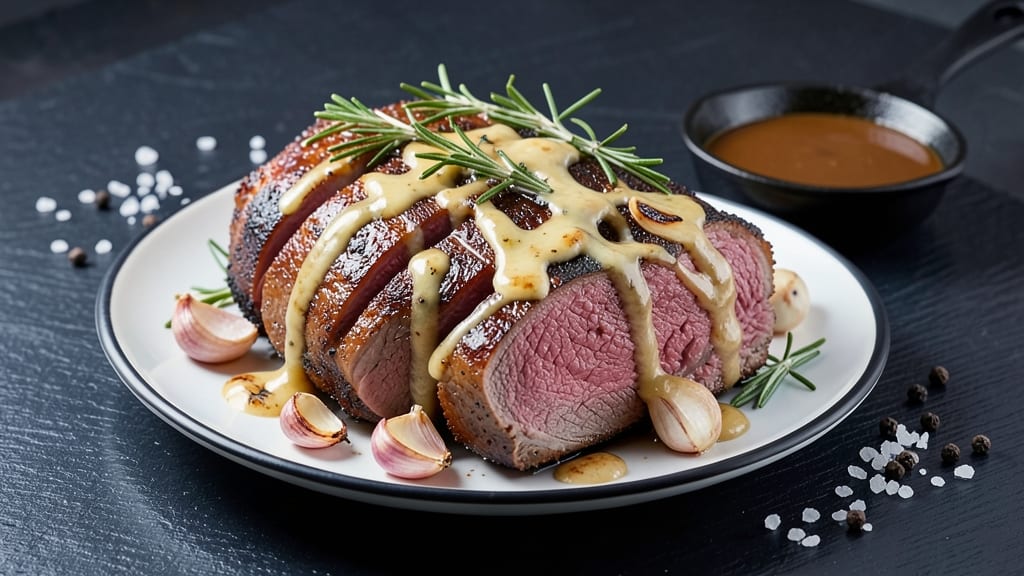
This Angus beef sirloin roast recipe delivers the perfect balance of buttery tenderness and a reverse-seared crust that beef enthusiasts will rave about. The secret lies in precise temperature control and a slow cook that transforms tough cuts into melt-in-your-mouth perfection. I've perfected this method after years of testing, ensuring every bite is juicy and flavorful without drying out.
What sets this recipe apart is the reverse-sear technique, which guarantees a perfectly pink center while creating a caramelized crust that adds depth to each slice. The process starts with a low oven temperature to cook the meat evenly, followed by a high-heat sear for that coveted crust.
This method is foolproof for achieving restaurant-quality results at home, even for those new to roasting large cuts.
By the time you carve into this roast, you'll be rewarded with slices that are tender on the inside and beautifully seared on the outside. The rich, beefy flavor pairs exceptionally well with classic sides like roasted potatoes, creamy mashed potatoes, or a fresh garden salad.
The roast's natural juices keep it moist, making every bite a satisfying experience.
Whether you're hosting a dinner party or treating yourself to a special meal, this recipe delivers consistent, impressive results. The key is patience and attention to detail, but the reward is a roast that will impress even the most discerning palates.
Let's get started on creating a centerpiece-worthy dish that's sure to be a hit.
Ingredients for angus beef sirloin roast
Six ingredients deliver restaurant-quality beef with a perfect reverse-sear crust and buttery tenderness.
| Ingredient | Amount | Notes |
|---|---|---|
| Angus Beef Sirloin Roast 🥩 | 4 lb | Center-cut, bone-in preferred |
| Kosher Salt 🧂 | 1 ½ tbsp | Diamond Crystal preferred |
| Freshly Ground Black Pepper 🌶️ | 1 tbsp | Coarse grind for texture |
| Extra-Virgin Olive Oil 🫒 | 2 tbsp | High smoke point preferred |
| Garlic Cloves 🧄 | 6 cloves | Smashed, not minced |
| Fresh Rosemary 🌿 | ¼ cup | Chopped sprigs, stems removed |
| Fresh Thyme 🌿 | ⅛ cup | Leaves only, stems removed |
| Unsalted Butter 🧈 | ½ cup | Cold, cubed for searing |
| Yellow Onion 🧅 | 1 whole | Peeled, quartered |
| Beef Bone Broth 💧 | 1 cup | Homemade or quality store-bought |
| Red Wine 🍷 | ½ cup | Bold Cabernet Sauvignon |
| Balsamic Vinegar 🍶 | 1 tbsp | Aged, for depth |
The Angus beef sirloin roast is non-negotiable here—center-cut, bone-in for maximum flavor and tenderness. Look for cuts with good marbling at Whole Foods or your local butcher shop. A 4 lb roast serves 6 generously, but adjust up or down based on your crowd. The bone-in version stays juicier longer, and the bone adds extra richness to the pan juices. If you're buying frozen, thaw it in the fridge for 24 hours—never at room temperature. The olive oil should be high smoke point like Avocado oil or light olive oil for searing without burning.
No fresh rosemary? Dried works at half the amount, but fresh is ideal for that bright aroma. Running short on red wine? Beef broth with a splash of balsamic mimics the depth perfectly. The bone broth can be homemade or a quality store-bought version like Pacific Foods or Kettle & Fire—just avoid the low-sodium kind. For the butter, European-style unsalted like Plugrá melts beautifully, but any good-quality butter works. The garlic should be freshly smashed (not minced) to release its oils slowly during the slow cook. Prefer your crust extra crispy? Add 1 extra tbsp of butter to the sear.
This roast reheats like a dream—warmed in its juices for 10 minutes at 325°F brings it back to perfection. Store leftovers in an airtight container with the pan juices for up to 4 days. For longer storage, freeze portions in vacuum-sealed bags for up to 3 months. The pan juices are liquid gold—reduce them down for a quick gravy or drizzle over slices. If you're prepping ahead, season the roast 12 hours early and refrigerate uncovered to help the salt penetrate deeper.
Why You'll Love This Recipe
- Five-Ingredient Magic: Honestly, this roast only needs five things—no fancy prep, no hidden pantry raids. The secret? Let the beef’s natural richness shine while the garlic and olive oil work their flavor magic in the oven.
- Crispy-Garlic Perfection: That crispy, golden crust on the outside? It’s all thanks to the olive oil and kosher salt, roasted until it crackles. Inside, the beef stays juicy and tender—like a steakhouse cut you can make at home.
- Weeknight or Weekend Star: Slap this on the table for a busy Tuesday or a lazy Sunday brunch. It’s equal parts impressive and effortless, so you’re not stuck slaving away when guests show up.
- Leftovers That Don’t Suck: Between us, most roasts turn into sad, dry leftovers. Not this one. Slice it thin for sandwiches or toss it into pasta—it’s still rich, still flavorful, days later. (Yes, even on a Tuesday.)
Step-by-step instructions for reverse-seared Angus beef sirloin roast
Here's the method for achieving melt-in-your-mouth tenderness with a perfect crust—every cut matters.
Prepare and Season the Roast for Even Cooking
Remove the 4 lb Angus Beef Sirloin Roast from the refrigerator and let it sit at room temperature for 30 minutes before cooking. This ensures even cooking throughout. Pat the roast dry completely with paper towels—moisture prevents proper searing and crust formation.
In a small bowl, combine the 1.5 tbsp Kosher Salt and 1 tbsp Freshly Ground Black Pepper. Rub this mixture all over the roast, pressing firmly to create a flavorful crust. Let it rest uncovered on a wire rack set over a baking sheet for 15 minutes—this helps the seasoning adhere and prevents steam buildup.
Low-Temperature Roast Until Perfectly Tender
Preheat your oven to 275°F. Place the seasoned roast on a wire rack inside a roasting pan to allow air circulation on all sides. Roast for 2.5-3 hours until the internal temperature reaches 125°F and the meat is fork-tender but still slightly pink in the center.
Here's the thing—this low-temperature cook is where the magic happens. The slow roast breaks down connective tissue without overcooking the exterior. I check doneness by inserting a meat thermometer into the thickest part of the roast, avoiding bone contact. If it's not quite there, continue roasting in 15-minute increments until you reach the target temperature.
Create the Perfect Pan Sauce with Aromatics
While the roast rests, heat 2 tbsp Extra-Virgin Olive Oil in a large skillet over medium heat. Add the 6 cloves Garlic Cloves (smashed), 0.25 cup Fresh Rosemary, and 0.125 cup Fresh Thyme. Cook for 2 minutes until fragrant but not browned—this releases their essential oils for maximum flavor.
Add the 1 whole Yellow Onion (quartered) and cook for 4-5 minutes until softened. Pour in the 0.5 cup Red Wine and 1 cup Beef Bone Broth, scraping up any browned bits from the bottom of the pan. Simmer for 5 minutes until reduced by half. Stir in the 0.5 cup Unsalted Butter and 1 tbsp Balsamic Vinegar until melted and emulsified.
Reverse-Sear for a Perfect Crust
Remove the roast from the oven and let it rest for 10 minutes (this is crucial for juiciness). Pat it dry again with paper towels—this step ensures maximum contact with the hot pan. Heat a clean skillet over high heat until it's smoking hot.
Sear the roast for 1-2 minutes per side until a deep golden-brown crust forms. The high heat creates a Maillard reaction that develops that coveted crust while keeping the interior tender. For best results, sear each side only once—moving it too much prevents proper browning. Transfer the roast to a cutting board and let it rest for an additional 10 minutes before slicing.
Slice and Serve with Pan Sauce
Slice the roast against the grain into ½-inch thick slices for maximum tenderness. Arrange the slices on a serving platter and spoon the pan sauce generously over the top. The sauce should coat each slice beautifully, adding depth of flavor with its wine and herb notes.
Serve immediately with your choice of sides—roasted vegetables, mashed potatoes, or a fresh green salad. The contrast between the tender, juicy meat and the rich, flavorful crust makes every bite unforgettable. The roast should have a deep pink center with a perfect golden-brown crust that's crispy on the outside yet succulent within.
Pro Tips For Making Angus Beef Sirloin Roast
- USE A MEAT THERMOMETER: I learned this the hard way—guessing doneness with sirloin leads to dry, overcooked beef. For medium-rare (130°F internal temp), pull it out before it hits 125°F—Angus holds heat like a champ and will rise 5°F while resting.
- SMASH THOSE GARLIC CLOVES: Peeling garlic is annoying, but crushing whole cloves with the flat side of your knife (then chopping) releases way more flavor. Skip the mincer—this takes 10 seconds and makes a real difference when searing the roast.
- SEAR HOT AND FAST: Low heat = sad crust. Crank your pan to medium-high, let it scream for 30 seconds, then sear the roast 2 minutes per side until deep brown. Rushing here means gray, bland beef—don’t be that cook.
- REST IT LIKE YOUR LIFE DEPENDS ON IT: I know, you’re starving, but tent that roast with foil and walk away for 15 minutes. Sirloin’s juices need time to redistribute—cutting into it too soon turns your masterpiece into a sad, dry slab. (Yes, even if you’re impatient like me.)
Storing and reheating your leftovers
Refrigerator Storage
Store your cooked roast in an airtight container with the pan juices to keep it moist and flavorful. Place it in the fridge for up to 4 days, but I find the best texture within the first 2 days.
The juices help preserve the tenderness, so don’t drain them—just skim off any excess fat if needed. 🥩
Freezer Prep Tips
For longer storage, slice the roast and freeze in vacuum-sealed bags or airtight containers for up to 3 months. Label with the date to track freshness. Thaw overnight in the fridge—never at room temperature—to maintain quality. I like using quart-sized bags for individual portions.
Reheating Methods
For stovetop reheating, place slices in a skillet with 2 tbsp beef broth and heat over medium-low for 5-7 minutes until warmed through. The broth prevents drying. For microwave reheating, cover with a damp paper towel and heat in 1-minute intervals on 50% power until reaching 165°F.
Reviving Crust Texture
Want that crispy crust back? After reheating, broil for 1-2 minutes—just until golden. Keep slices tightly packed in the pan to prevent drying. A quick sear in a hot skillet with 1 tbsp butter also restores that perfect finish. 🔥
Pan Sauce Revival
Save any leftover pan sauce in a jar in the fridge for up to 3 days. Reheat gently in a saucepan over low heat, adding 1 tbsp water if it thickens too much.
Stir in a pat of cold butter at the end for extra richness. This sauce elevates reheated slices like magic.
Leftovers Hack
Turn cold leftovers into beef sandwiches or tacos by reheating slices in a skillet with 1 tbsp olive oil and 1 tsp Worcestershire sauce. The sauce adds moisture and depth. Store in single-serving containers for easy grab-and-go meals. 💡
Nutrition facts
Frequently asked questions
What's the best internal temperature for medium-rare sirloin roast?
For perfect medium-rare doneness, aim for 125°F internal temperature before the final sear. This ensures a deep pink center that's still juicy. The reverse-sear method lets you control the crust separately while keeping the interior tender. Use a meat thermometer for accuracy—it's the only way to guarantee consistent results every time.
Can I use this recipe for a bone-in sirloin roast?
Bone-in roasts actually work better because the bone adds extra richness to the pan juices and helps retain moisture during cooking. The bone also acts as a natural heat sink, preventing the meat from overcooking. Just be sure to insert your thermometer away from the bone when checking temperature.
How do I fix an overcooked roast?
If your roast ends up too dry, try this trick: thinly slice the meat and quickly sear the slices in a hot skillet with 1 tbsp butter and 1 tbsp beef broth for 1-2 minutes per side. The butter and liquid will help restore some moisture. For extra flavor, add a splash of red wine or balsamic vinegar to the pan while searing.
What's the difference between sirloin and ribeye roast?
Sirloin roast comes from the rear section of the cow and has a leaner, beefier flavor with more connective tissue that benefits from slow cooking. Ribeye roast is from the rib area and has more marbling, making it richer and more tender. While both work well for roasting, sirloin develops more depth of flavor through the slow cook method used here.
Can I make this ahead of time?
Yes! Prepare the roast up to 24 hours ahead by seasoning it and refrigerating uncovered. The next day, cook it as directed. For even better results, you can fully cook the roast (without the final sear) up to 1 day ahead, then complete the reverse-sear process when ready to serve. This is perfect for holiday meals!