
Main Courses
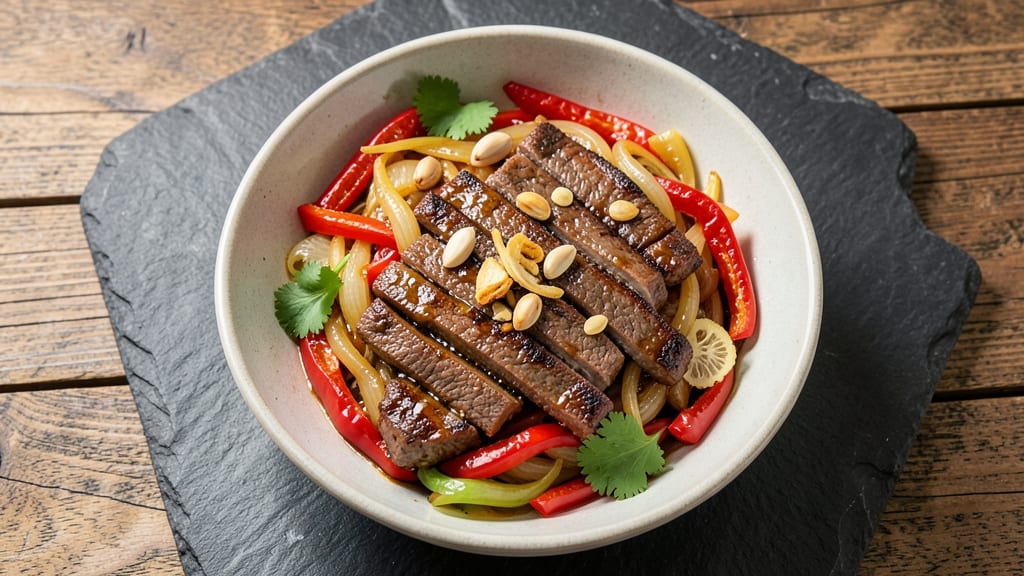
This angus beef stir fry recipe delivers restaurant-quality results with tender, caramelized beef and crisp vegetables in just 30 minutes. The secret lies in proper slicing and high-heat searing to maintain that signature wok crunch while keeping the beef juicy.
I've perfected this technique after countless test batches—no more dry, overcooked beef here.
The foundation starts with thinly sliced angus beef, marinated briefly in a mix of soy sauce, garlic, and ginger to infuse flavor without overpowering the meat's natural richness. Caramelized onions add depth, while a quick stir-fry sauce ties everything together with a balance of sweet, savory, and umami notes.
The key is working in batches to avoid overcrowding the pan.
By the end, you'll have perfectly seared beef with a glossy sheen, crisp-tender vegetables, and a sauce that clings to every bite. The buttery wok crunch comes from proper technique—high heat, quick cooking, and the right tools.
This isn't just another stir fry; it's a showstopper that pairs beautifully with jasmine rice or steamed bok choy.
Whether you're cooking for a weeknight dinner or a special occasion, this recipe delivers professional-quality results without the fuss. The method is straightforward, but the payoff is undeniable—tender beef, vibrant vegetables, and a sauce that elevates everything. Let's get started on creating this crowd-pleasing dish.
Ingredients for angus beef stir fry
High-quality angus beef and caramelized onions form the foundation for this restaurant-style stir fry.
| Ingredient | Amount | Notes |
|---|---|---|
| Angus Beef 🥩 | 1 ½ lb | Thinly sliced against grain |
| Yellow Onions 🧅 | 2 whole | Thinly sliced, caramelized |
| Bell Peppers 🌶️ | 2 whole | Assorted colors, sliced |
| Garlic Cloves 🧄 | 6 cloves | Minced, fresh preferred |
| Fresh Ginger 🌿 | 1 tbsp | Grated, peeled |
| Soy Sauce 🍶 | ½ cup | High-quality, low-sodium |
| Sesame Oil 🫒 | 1 tbsp | Toasted, for aroma |
| Honey 🍯 | 1 tbsp | For caramelization |
| Vegetable Oil 🫒 | ¼ cup | High smoke point |
| Cornstarch 🌾 | 1 tbsp | For tenderizing beef |
| Salt 🧂 | 1 tsp | Diamond Crystal preferred |
| Black Pepper 🌶️ | ½ tsp | Freshly ground |
| Sesame Seeds 🌱 | 1 tbsp | Toasted, for garnish |
The beef is non-negotiable—angus cuts deliver that signature tenderness. Whole Foods or high-end butchers carry the best quality, but any reputable grocery store's pre-sliced angus works in a pinch. Look for visible marbling and ask for thin, even slices against the grain. The onions? Yellow or sweet varieties caramelize best—skip the red unless you want color over flavor. For garlic and ginger, fresh is essential—dried just won't cut it here. I always double-check my ginger for fibrous bits, and I use a microplane to get that ultra-fine texture without the pulp.
No sesame oil? Toasted peanut oil at half the amount works surprisingly well. Short on honey? Maple syrup or agave keeps the sweetness balanced. The cornstarch is crucial—it tenderizes the beef while helping that wok crunch. If you're gluten-sensitive, arrowroot powder does the same job. For the bell peppers, mixed colors add visual appeal, but any variety works. The soy sauce matters too—Kikkoman or Yamasa are my go-tos, but avoid the cheap stuff with additives. And that sesame seed garnish? Toast them in a dry pan for 30 seconds—the aroma is worth it.
Store prepped beef in an airtight container for 2 days max—it dries out fast. Caramelized onions keep 5 days in the fridge, but they're even better reheated. The stir-fry sauce? 1 week in the fridge, or freeze portions for 3 months. I always make extra sauce—it's perfect for drizzling over rice or noodles later. For the sesame seeds, keep them in a cool, dark place to maintain freshness. The garlic and ginger? Wrap them in paper towels and store in the fridge for up to 2 weeks.
Why You'll Love This Recipe
- One-Pan Magic: I swear by this—just slice the beef thin, toss everything in one hot pan, and walk away. No fancy techniques, no extra bowls, just that deep caramelized flavor from the onions and peppers clinging to the meat.
- Ginger-Garlic Bang: That first bite? The fresh ginger and garlic hit like a warm hug, but the Angus beef carries it—tender outside, juicy inside. Honestly, my husband still asks for seconds even when I burn the garlic (which, fine, happens).
- Lunchbox Hero: Make a big batch on Sunday, and you’ve got weeknight dinners covered. The beef stays tender when reheated, and the peppers add crunch—my kids actually eat their veggies this way. (Yes, even on a Tuesday night.)
- Budget Steak Night: Angus beef feels fancy, but here it’s stretched into three meals without sacrificing quality. The onions and peppers bulk it up, so you’re not breaking the bank for a restaurant-worthy dish. My secret weapon for date nights.
Step-by-step instructions for angus beef stir fry
Transform premium angus beef into a restaurant-worthy stir fry with caramelized onions and vibrant peppers.
Prep the Beef for Maximum Tenderness
Place the 1.5 lb angus beef between two sheets of plastic wrap and pound to an even ¼-inch thickness using a meat mallet. This ensures even cooking and prevents chewy bites. In a small bowl, combine 1 tbsp cornstarch, 1 tsp salt, and ½ tsp black pepper. Toss the beef slices with this marinade until fully coated, allowing the cornstarch to create a protective barrier that keeps the meat juicy.
Let the beef rest for 15 minutes at room temperature. This step is crucial—cold meat releases less juice during cooking, resulting in drier slices. While waiting, prepare the vegetables: thinly slice the 2 whole yellow onions and 2 whole bell peppers into even strips. The onions will caramelize beautifully, adding depth to the stir fry.
Caramelize the Onions and Prep Aromatics
Heat ¼ cup vegetable oil in a 14-inch wok or skillet over medium heat. Add the sliced onions and cook for 10-12 minutes, stirring occasionally, until they develop a deep golden color. This slow caramelization builds sweetness and texture—don't rush it. Remove the onions to a plate and set aside.
In the same wok, add 6 minced garlic cloves and 1 tbsp grated fresh ginger. Cook for 30 seconds until fragrant but not browned. Here's the thing—overcooking garlic turns it bitter, so watch closely. Add 1 tbsp sesame oil and 1 tbsp honey, stirring to combine. This aromatic base will form the flavor foundation of your stir fry.
Cook the Beef to Perfect Doneness
Increase heat to high and add the marinated beef in a single layer. Let it sear undisturbed for 1-2 minutes until the edges turn golden brown. This initial sear locks in juices and creates that signature wok hei flavor. Stir-fry for an additional 2-3 minutes until the beef reaches medium-rare (about 130°F internal temperature). For faster cooking, work in batches if needed—overcrowding steams instead of sears.
Return the caramelized onions to the wok and toss everything together. Add ½ cup soy sauce and 1 tbsp sesame oil, stirring vigorously to coat the beef evenly. The soy sauce should cling to the meat, not pool at the bottom. Cook for another 1-2 minutes until the sauce slightly thickens and the beef reaches your desired doneness.
Finish with Vegetables and Garnish
Add the sliced bell peppers to the wok and stir-fry for 2-3 minutes until just tender but still vibrant. The peppers should retain their crisp texture—overcooking turns them mushy. Taste and adjust seasoning with additional soy sauce or salt if needed. The dish should balance sweet, savory, and umami flavors with each bite.
Remove from heat and let the stir fry rest for 2 minutes. This brief rest allows the juices to redistribute throughout the beef. Garnish with 1 tbsp toasted sesame seeds just before serving. The seeds add a nutty crunch that contrasts beautifully with the tender beef and caramelized onions. Serve immediately over steamed rice or noodles for the full experience.
Pro Tips For Making Angus Beef Stir Fry
- Slice Thin, Cook Fast: Angus beef is tender but thick slices turn tough—cut against the grain into ¼-inch strips, then sear in batches for 2-3 minutes max. Crowding the pan steams the meat instead of browning it, and no one wants sad, gray beef stir-fry.
- Prep Ginger Like a Pro: Peel and slice ginger lengthwise into paper-thin shards (not minced)—it cooks faster and keeps its bright flavor without turning bitter. Toss it in last with the garlic so it doesn’t dissolve into oblivion while the onions stew.
- Don’t Overcrowd the Pan: I learned this the hard way—dumping everything in at once means soggy peppers and half-cooked beef. Work in waves: onions first (5 mins), then peppers (3 mins), then beef (2 mins), then aromatics. Your stir-fry deserves space to shine.
- Rest the Beef Before Stir-Frying: Pat the beef completely dry and let it sit on the counter for 10 minutes—this guarantees a crusty sear instead of a sad, sticky mess. (Yes, even if you’re impatient like me.)
Pro cooking tips for angus beef stir fry
High-Heat Searing Secrets
Your wok or skillet needs to be scorchingly hot before adding the beef—think high heat until a drop of water sizzles violently. I use a 14-inch carbon steel wok (like the Mauviel M'Cook) because it conducts heat faster than cast iron.
Let the pan preheat for 3-5 minutes on high before adding oil. This ensures that beef develops a deep, caramelized crust instead of steaming. 🔥
Batch Cooking for Wok Crunch
Never overcrowd the pan—this is the #1 mistake that kills stir fry texture. Cook the beef in 2 batches max to maintain that signature wok crunch. I divide 1.5 lbs into two portions and work quickly.
If your wok is too small, use a large cast iron skillet (like Lodge 12-inch) instead. The beef should sizzle loudly and develop a glossy sheen within 1-2 minutes per batch.
Cornstarch Magic
The 1 tbsp cornstarch in the marinade isn’t just for thickening—it creates a protective barrier that keeps the beef tender and helps it absorb flavors better. Toss the beef slices thoroughly until every piece is lightly coated. For extra insurance, let the marinated beef rest for 15 minutes before cooking.
This step is non-negotiable; cold beef releases less juice, leading to dry slices. Pro tip: Use a fine-mesh strainer to shake off excess marinade before cooking for a cleaner sear. ✨
Vegetable Timing Matters
Add bell peppers last—they cook faster than beef and onions. Their high water content means they release moisture, which can dilute your sauce. I like to blanch them for 30 seconds in boiling water before stir-frying to soften slightly while keeping their vibrant color.
For onions, caramelize them first—this takes 10-12 minutes over medium heat, but the sweet, jammy texture is worth the wait. 🧅
Sauce Cling Factor
The secret to sauce adhesion? High heat and constant stirring. After adding the soy sauce, work the beef and onions vigorously with tongs or a wok spatula. The sauce should coat the beef like a glossy glaze, not pool at the bottom.
If it’s too thin, simmer for 30 seconds to reduce slightly. For extra richness, add 1 tsp fish sauce (like Red Boat) to deepen the umami. The sauce should cling like liquid silk—this is what separates home cooks from pros. 💫
Resting for Juice Redistribution
Let the stir fry rest for at least 2 minutes before serving. This allows the juices to redistribute from the edges back into the beef. I place the wok on a wire rack (not directly on the stove) to keep it warm while resting.
Skipping this step means juicy beef turns dry by the time it hits your plate. Garnish with toasted sesame seeds right before serving—their aroma and crunch elevate the dish instantly. 🌟
Nutrition facts
Frequently asked questions
Can I substitute regular beef for angus in this stir fry?
While you can use other cuts like sirloin or ribeye, angus delivers that signature tenderness and rich flavor. For best results, choose a well-marbled cut like top sirloin or ribeye—just be prepared for slightly less melt-in-your-mouth texture. Thinly slice against the grain and pound to ¼-inch thickness to compensate for any differences in tenderness.
How do I prevent the beef from getting chewy?
Three key steps: thin slicing, proper resting, and high heat. Always slice against the grain to shorten muscle fibers, let the beef rest 15 minutes at room temperature, and use a scorchingly hot wok (until a water drop sizzles violently). Overcrowding the pan is the #1 mistake—cook in 2 batches max for that signature wok crunch.
What's the best rice to serve with this dish?
Jasmine rice is ideal—its slightly sticky texture soaks up the stir fry sauce beautifully. For extra fluffiness, rinse the rice 3 times before cooking and use a 1:1.25 rice-to-water ratio. Brown rice works too but takes 10 minutes longer to cook. Pro tip: Spread the cooked rice on a tray to cool slightly before serving—this prevents soggy bottoms when mixed with the stir fry.
Can I make this recipe ahead of time?
Yes, but with some adjustments. Cook the beef and vegetables separately, then refrigerate in airtight containers for 2 days max. Reheat the beef and veggies separately over medium-high heat for 2-3 minutes each, then combine with fresh sauce. The onions should be caramelized day-of for best texture. For freezing, package components separately—beef freezes for 3 months while onions and peppers last 2 months.
Why does my stir fry sauce get watery?
This usually happens from overcrowding the pan or adding wet ingredients too early. The bell peppers release moisture, so add them last after the beef is cooked. For extra sauce adhesion, stir vigorously with tongs and cook on high heat until slightly reduced. A quick fix? Add ½ tsp cornstarch mixed with 1 tsp water to thicken while stirring. The sauce should coat the beef like a glossy glaze, not pool at the bottom.