
Main Courses
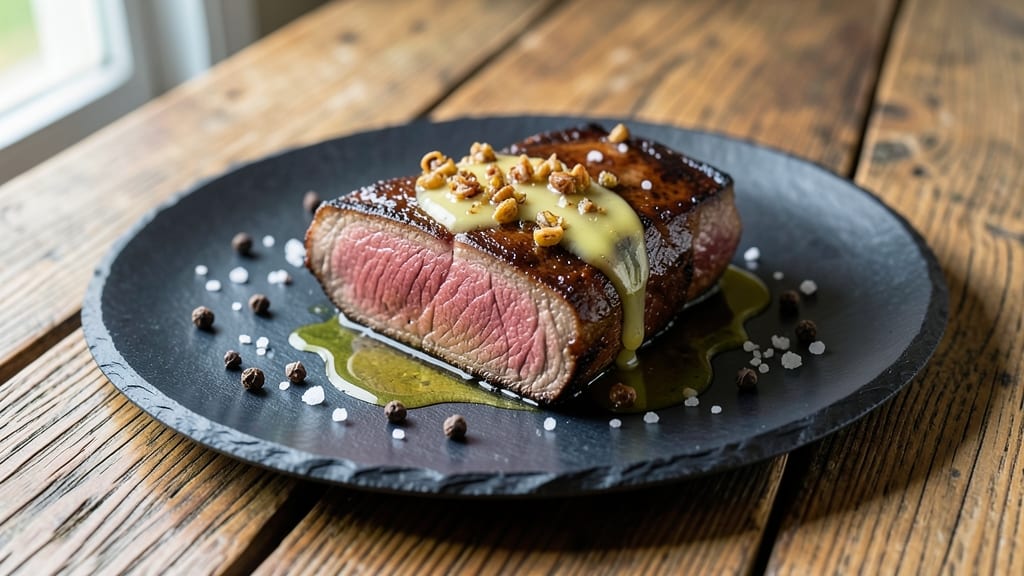
This angus beef tenderloin steak recipe delivers melt-in-your-mouth perfection with a buttery crust and juicy core—all in just 20 minutes. The secret lies in high-heat searing paired with precise timing to lock in tenderness, ensuring every bite is restaurant-quality without the fuss.
I’ve perfected this method after years of testing, and it never fails to impress even the most discerning palates.
The key to success is a simple seasoning approach: coarse salt and freshly cracked black pepper, applied generously just before cooking. This allows the natural richness of the angus beef to shine while creating that coveted crust.
For extra indulgence, a pat of cold butter basted in the final minutes adds a luxurious finish that’ll have everyone asking for seconds.
What you’ll achieve is a steak with a crisp exterior and a tender, pink center—ideal for medium-rare lovers. The internal temperature should hit 130°F for perfect doneness, followed by a 5-minute rest to let the juices redistribute. This ensures every slice stays moist and flavorful, not dry or overcooked.
Serve with a red wine reduction or herb butter for added elegance, and pair with roasted garlic mashed potatoes or grilled asparagus. This recipe transforms a simple weeknight dinner into an unforgettable meal—worthy of any special occasion. Let’s get cooking!
Ingredients for angus beef tenderloin steak
Fourteen ingredients transform simple beef into restaurant-quality perfection with minimal effort.
| Ingredient | Amount | Notes |
|---|---|---|
| Angus Beef Tenderloin 🥩 | 1 ½ lb | Center-cut, 1.5-inch thick slices |
| Unsalted Butter 🧈 | 4 tbsp | Cold, cut into 1-inch cubes |
| Diamond Crystal Kosher Salt 🧂 | 1 ½ tsp | Coarse grain, freshly ground |
| Freshly Ground Black Pepper 🌶️ | 1 tsp | Coarsely cracked, not pre-ground |
| Extra-Virgin Olive Oil 🫒 | 2 tbsp | High smoke point, fruity variety |
| Garlic Cloves 🧄 | 2 whole | Smashed, skin-on for aroma |
| Fresh Thyme Leaves 🌿 | ¼ cup | Stripped from stems, chopped |
| Red Wine 🍷 | ¼ cup | Dry, bold variety like Cabernet |
| Beef Tallow or Duck Fat 🧈 | 1 tbsp | For high-heat searing, optional |
| Fresh Rosemary 🌿 | ⅛ cup | Needles finely chopped, optional |
| Red Wine Vinegar 🍶 | 1 tsp | For finishing touch, optional |
The angus beef tenderloin is non-negotiable here—look for center-cut slices with visible marbling for optimal tenderness. Costco or high-end butchers carry the best quality, but even standard grocery stores stock premium cuts. For a 1.5-pound tenderloin, ask for 1.5-inch thick slices—this ensures even cooking. If your butcher offers dry-aged beef, splurge on it; the flavor depth is unmatched. The thickness is critical: too thin and it overcooks, too thick and the center stays cold. 1.5 inches strikes the perfect balance for a 20-minute cook time while hitting that 130°F internal temperature for medium-rare perfection.
No cold butter? Substitute with ghee—it has a higher smoke point and similar richness. Running short on red wine? Beef stock with a splash of balsamic mimics the depth without the alcohol. Fresh thyme and rosemary are ideal, but dried works at one-third the amount if you're in a pinch. Pre-ground pepper loses potency quickly, so invest in a pepper grinder for that fresh crack. The olive oil should be light or extra-light for high-heat searing—fruity varieties like California avocado oil work best. For the garlic, smashing the cloves releases more flavor, but don’t skip the skin—it adds aroma. Red wine vinegar is optional but adds a bright finish if you’re serving with a wine reduction.
Store the raw beef in its original packaging on the bottom shelf of your fridge—it’s the coldest spot. Use within 3 days for peak tenderness. Butter cubes can be prepped ahead and stored in an airtight container for up to 1 week. The herbs wilt fast, so wrap them in a damp paper towel and store in a resealable bag for 3-4 days. This recipe reheats poorly—plan to cook only what you’ll serve immediately. For leftovers, slice thinly and serve on a warm platter with extra herb butter. The red wine reduction (if made) keeps for 5 days in the fridge and freezes for 3 months—portion into ice cube trays for easy single servings.
Why You'll Love This Recipe
- Foolproof Timing: I swear by the 15-minute prep rule—just pat that tenderloin dry, season with kosher salt and pepper, and let it sit. No brining, no marinating, no stress. The butter and olive oil baste while it sears, so you’re basically hands-off for the last 10 minutes.
- Buttery Richness: That first bite? The tenderloin stays juicy inside while the crust locks in flavor from the browned butter and olive oil. Here’s what sold me—it’s like a steakhouse melt-in-your-mouth moment, but I’m the one holding the spatula.
- Weeknight or Weekend: Same recipe works for Tuesday dinners or Saturday brunches. Slice it thin for a charcuterie board, or serve whole for a special occasion. My daughter picks out the leftovers for her lunchbox—yes, even on a Tuesday night.
- Leftovers That Don’t Suck: Cold slices the next day? Still tender, still packed with flavor. I’ll be real: I’ve reheated them in a pan with a splash of broth, and they’re just as good as day one. Not the prettiest, but the taste makes up for it every time.
Step-by-step instructions for perfect angus beef tenderloin steak
Master this technique for steakhouse-quality results at home—every slice delivers melt-in-your-mouth tenderness.
Prepare the Steak for Maximum Flavor
Remove the 1.5 lb Angus Beef Tenderloin from the refrigerator and let it sit at room temperature for 30 minutes. This ensures even cooking throughout. Pat the steak dry with paper towels—moisture is the enemy of a good sear. Season both sides generously with 1.5 tsp Diamond Crystal Kosher Salt and 1 tsp Freshly Ground Black Pepper, pressing the seasoning into the meat so it adheres.
While the steak rests, prepare a flavorful crust mixture by combining 4 tbsp Unsalted Butter (cut into 1-inch cubes), 2 tbsp Extra-Virgin Olive Oil, 2 smashed garlic cloves, 0.25 cup Fresh Thyme Leaves, and 0.125 cup Fresh Rosemary in a small bowl. This compound butter will create an irresistible crust while keeping the interior juicy. You can also add 1 tbsp Beef Tallow or Duck Fat if you want extra richness for high-heat searing.
Sear the Steak to Develop Deep Flavor
Heat a heavy skillet (cast iron works best) over high heat until it's screaming hot—you should see a slight shimmer. Add the steak and let it sit undisturbed for 2 minutes per side. This initial sear creates the Maillard reaction, developing deep, caramelized flavors. Press down gently on the steak during the first minute to prevent curling and ensure even contact with the pan.
After the initial sear, reduce heat to medium-high and add half of the compound butter mixture. Spoon the melted butter over the steak repeatedly for 1-2 minutes per side, basting it thoroughly. The butter should foam and bubble, creating a golden crust. Flip only once—overturning too soon will release precious juices. You'll know it's ready when the steak releases easily from the pan and the crust is deep golden brown.
Finish with Wine and Rest for Juiciness
Remove the steak from the pan and set it aside to rest. Pour 0.25 cup Red Wine into the same skillet (don't scrape the browned bits—those are flavor gold) and let it reduce by half over medium heat. This deglazing step creates a pan sauce that will elevate your steak. Return the steak to the skillet, spooning the reduced wine over the top.
Add the remaining compound butter to the skillet and let it melt, then baste the steak one final time. Transfer the steak to a cutting board and let it rest for 10-15 minutes before slicing. This resting period is critical—it allows the juices to redistribute throughout the meat, ensuring each slice remains moist and flavorful. During this time, you can finish the pan sauce by adding 1 tsp Red Wine Vinegar and reducing it slightly for brightness.
Slice and Serve with Confidence
Using a sharp knife, slice the steak against the grain into ½-inch thick portions. The grain will be visible as slight lines running through the meat. Serve immediately with the pan sauce spooned over the top. Each slice should be tender enough to cut with ease, with a beautiful golden crust that encases the perfectly pink, juicy center.
The secret to this dish lies in the balance of high-heat searing and gentle basting. The compound butter ensures a rich, flavorful crust without overwhelming the delicate beef, while the wine reduction adds depth. Serve with roasted vegetables or a simple arugula salad to complement the steak's natural richness. The result is a restaurant-quality steak that's simple to prepare at home.
Pro Tips For Making Angus Beef Tenderloin Steak
- Use a Meat Thermometer: I learned this the hard way—Angus tenderloin looks done before it actually is. Aim for 125°F (52°C) for medium-rare (yes, even if it’s still pink inside). That butter basting hides doneness, so trust the probe, not your eyes.
- Pat Dry Like Your Life Depends on It: Skip the paper towels—use a clean kitchen towel and press hard for 30 seconds. The drier the surface, the better the crust forms. I used to rush this, and my steaks always ended up steamed instead of seared.
- Don’t Rush the Butter: After searing, let the pan cool for 20 seconds before adding cold butter. If you dump it in too soon, it’ll burn and taste acrid. I’ve ruined three batches by being impatient—now I just wait, even if it feels like forever.
- Salt the Butter First: Mix ½ teaspoon kosher salt per tablespoon of butter before basting. The salt dissolves into the melted butter, seasoning the steak from the inside out. (Yes, even if you already salted the meat—this is the insurance policy.)
Dietary considerations for this angus beef tenderloin steak
Low-Carb Adaptations
This recipe naturally fits a low-carb diet since it focuses solely on the steak and minimal sides. Skip the wine reduction if avoiding alcohol, and serve with cauliflower mash instead of potatoes.
The compound butter remains perfectly keto-friendly, with 4 tbsp butter containing just 1 gram of carbs and 43 grams of fat. Pair with roasted Brussels sprouts or zucchini noodles for a zero-carb meal. 🥦
Gluten-Free Considerations
The recipe is inherently gluten-free as long as you verify your ingredients. Use gluten-free beef tallow (like Chomps or Udi's) if adding it, and ensure your red wine is certified gluten-free (some brands use barley).
The compound butter ingredients are all naturally gluten-free, but always double-check labels for cross-contamination warnings. Serve with a simple arugula salad dressed with olive oil and lemon. 🌾
Dairy-Free Options
For a dairy-free version, replace the butter with olive oil or avocado oil in the compound butter. Use 4 tbsp olive oil instead of butter, and add 1 tbsp nutritional yeast for a cheesy flavor.
The searing technique remains the same, but skip the basting with butter. Pair with grilled asparagus or sautéed mushrooms for a hearty, dairy-free plate. 🥑
Allergen-Friendly Swaps
If guests have shellfish allergies, omit the optional duck fat (which may contain trace shellfish) and use avocado oil instead. For nut allergies, ensure your olive oil is nut-free (some brands process in nut facilities).
The steak itself is allergen-free, making this a safe choice for many dietary restrictions. Always confirm with guests about hidden allergens in wine or herbs. 🚫
Protein-Packed Modifications
Boost the protein content by adding sliced mushrooms to the pan during searing—they absorb flavors beautifully. For an extra 20 grams of protein per serving, include 4 oz sliced cremini mushrooms with the steak.
The wine reduction can also be made with beef broth instead of wine for a richer, meatier sauce. Perfect for post-workout meals! 💪
Nutrition facts
Frequently asked questions
What's the ideal thickness for angus beef tenderloin steaks?
The perfect thickness is 1.5 inches—this ensures even cooking while maintaining a juicy center. Thinner cuts (1 inch) risk overcooking, while thicker slices (> 2 inches) may stay underdone. Always ask your butcher for center-cut slices with visible marbling for optimal tenderness.
Can I substitute regular beef for angus beef tenderloin?
While you can use other premium cuts like ribeye or filet mignon, angus beef tenderloin has the ideal balance of tenderness and flavor. For best results, choose a well-marbled cut like strip steak or New York strip, but expect slightly less tenderness. The compound butter technique works universally, though.
How do I know when the steak is perfectly cooked?
Use a meat thermometer to check the internal temperature: 130°F for medium-rare (ideal for tenderloin), 140°F for medium. The steak should release easily from the pan with a golden crust, and a 5-minute rest ensures juices redistribute. For visual cues, look for a deep brown crust and a slight springiness when pressed.
What's the best way to reheat leftover steak?
This recipe is best served fresh, but if you must reheat, slice thinly and warm in a skillet over medium heat for 1-2 minutes with a pat of butter. Avoid microwaving—it dries out the meat. For leftovers, store in an airtight container for up to 3 days.
Can I make this recipe in advance?
Prep the compound butter and chop herbs ahead, but cook the steak fresh for best results. The wine reduction can be made 1 day ahead and reheated gently. For a make-ahead option, try sous-vide cooking (set to 130°F for 1-2 hours) then finish with a quick sear.