
Tips
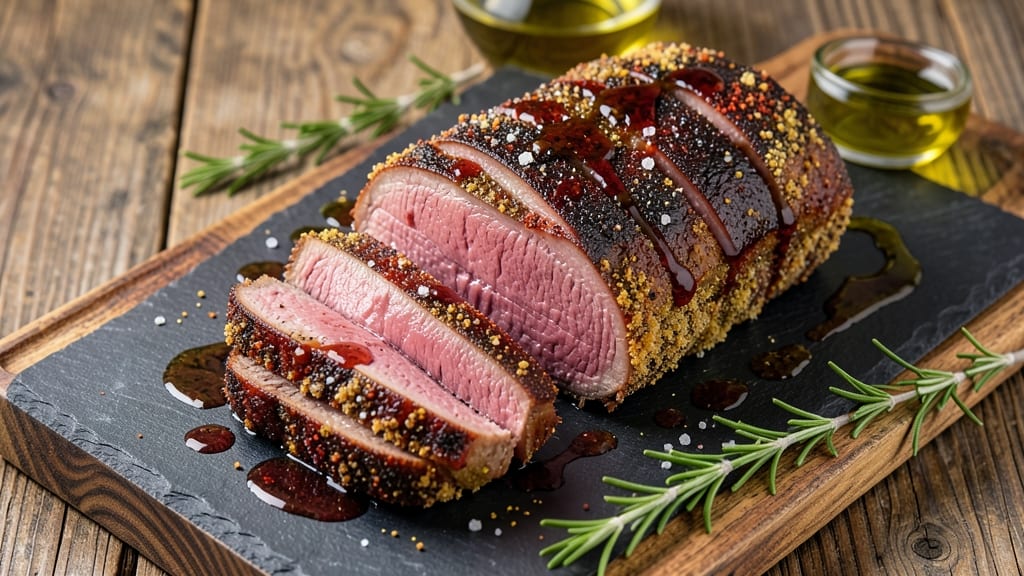
This Angus beef tip roast recipe delivers a perfect balance of crispy crust and juicy core, transforming a simple roast into a showstopping centerpiece. The reverse-searing method ensures tender meat with a caramelized exterior that locks in flavor, while a simple dry rub enhances the beef's natural richness.
What makes this recipe stand out is the precision—low-and-slow roasting followed by a high-heat sear for that coveted crust without overcooking the interior.
The secret to success lies in patience and temperature control. Start by roasting the beef at a steady 325°F until the internal temperature reaches 110°F, then finish with a 450°F sear for a golden-brown exterior.
This method guarantees a juicy, melt-in-your-mouth texture while creating a crust that’s impossible to resist. The result is a dish that feels luxurious yet remains approachable for weeknight dinners or special occasions.
Pair this roast with classic sides like red wine reduction, roasted root vegetables, or creamy mashed potatoes to round out the meal. The rich, beefy flavors shine when balanced with complementary dishes, making it a foolproof choice for any gathering.
Whether you're serving a family dinner or hosting a dinner party, this recipe delivers restaurant-quality results with minimal effort.
Ready in about 2.5 to 3 hours, this roast is perfect for those who want to impress without spending hours in the kitchen. The key is letting the beef rest before slicing—this ensures every bite is as tender as the first.
Trust the process, and you’ll have a dish that’s worth every minute of preparation.
Ingredients for angus beef tip roast
Six ingredients transform a simple roast into restaurant-quality beef with perfect crust and juicy core.
| Ingredient | Amount | Notes |
|---|---|---|
| Angus Beef Tip Roast 🥩 | 3 lb | Center-cut, bone-in preferred |
| Kosher Salt 🧂 | 1 ½ tbsp | Diamond Crystal preferred |
| Freshly Ground Black Pepper 🌶️ | 1 ½ tsp | Coarse grind recommended |
| Garlic Powder 🧄 | 1 tsp | Freshly toasted preferred |
| Smoked Paprika 🌶️ | ½ tsp | Spanish paprika ideal |
| Extra-Virgin Olive Oil 🫒 | 2 tbsp | High-quality, fruity variety |
| Yellow Onion 🧅 | 1 whole | Yellow or red, sliced |
| Fresh Thyme Sprigs 🌿 | 4 whole | Stems removed for garnish |
| Fresh Rosemary Sprigs 🌿 | 2 whole | Woody stems removed |
| Unsalted Butter 🧈 | 2 tbsp | Cold, cubed for searing |
| Red Wine 🍷 | 1 cup | Bold, dry variety like Cabernet |
| Beef Bone Broth 💧 | 1 cup | Homemade or high-quality store-bought |
The Angus beef tip roast is the foundation—center-cut ensures maximum tenderness while the bone-in piece adds flavor. Look for USDA Prime or Choice grade at specialty butchers or high-end grocery stores like Whole Foods or Balducci's, where they often source premium cuts. The roast should have visible marbling and a vibrant red color. For best results, purchase it 1-2 days ahead to let it dry-brine slightly in the refrigerator. The dry rub ingredients (kosher salt, black pepper, garlic powder, and smoked paprika) work together to create a balanced crust without overpowering the beef's natural richness. Penzeys or McCormick gourmet spices elevate the flavor profile.
No smoked paprika? Regular paprika plus a pinch of cayenne works as a substitute. Fresh herbs can be swapped for dried at a one-third ratio—though fresh thyme and rosemary add an aromatic depth that's worth seeking out. The olive oil should be extra-virgin and fruity, not the mild supermarket variety. For the red wine reduction, Cabernet Sauvignon or Merlot are ideal, but any bold, dry red will suffice. If you prefer to skip alcohol entirely, use beef bone broth instead. The yellow onion adds subtle sweetness during the sear, so don't skip it—though you can use red onion if that's what's available. For the butter, Plugrá or European-style has a higher fat content that works better for searing.
The roast develops best when rested 15-20 minutes before slicing against the grain. Store leftovers in an airtight container in the refrigerator for up to 4 days, or freeze for 3 months by wrapping tightly in butcher paper. For reheating, low-and-slow in a 300°F oven with a splash of broth preserves moisture better than microwaving. The dry rub can be mixed a day ahead and stored in an airtight container for up to 2 weeks, though freshly ground spices always yield superior results. The wine reduction keeps for 1 week in the fridge and freezes beautifully for 3 months—perfect for drizzling over future dishes.
Why You'll Love This Recipe
- I’ll be real: most roasts turn dry when reheated. Not this one. The Angus tip stays tender, and the crust holds up—so I can meal prep slices for lunches or toss them into pasta for a weeknight win. (Yes, even on a Tuesday night.)
- Two-Step Seasoning: I swear by the simplicity of this—just salt, pepper, garlic powder, and smoked paprika rubbed right on the roast. No fancy marinades, no stress, and honestly? That’s all it takes to make something this rich sing.
- Smoky Depth Magic: Between us, the smoked paprika and garlic powder create this perfect balance—earthy, warm, and just a little bit bold. It’s the kind of flavor that makes you want to close your eyes and savor every bite, even when you’re just reheating leftovers.
- Weeknight Crowd-Pleaser: This roast is my go-to for game days, family dinners, or when my in-laws drop by unannounced. It feeds six without breaking the bank, and the leftovers? They’re even better cold in sandwiches the next day.
Step-by-step instructions for perfectly reverse-seared Angus beef tip roast
Master this technique for a roast with a deep mahogany crust and melt-in-your-mouth tenderness.
Prepare and Season the Roast for Even Cooking
Remove the 3 lb Angus Beef Tip Roast from the refrigerator and let it sit at room temperature for 1 hour. This ensures even cooking throughout. Pat the roast dry with paper towels—moisture is the enemy of that perfect crust we're after. The meat should feel completely dry to the touch.
In a small bowl, combine the 1.5 tbsp kosher salt, 1.5 tsp freshly ground black pepper, 1 tsp garlic powder, and 0.5 tsp smoked paprika. Rub this mixture all over the roast, pressing firmly so the spices adhere. Pay special attention to the fat cap—this is where the most flavor will develop. Let the seasoned roast rest uncovered for another 30 minutes before cooking.
Sear the Roast for Maximum Flavor Development
Preheat your oven to 275°F. While it heats, take a heavy oven-safe skillet (cast iron works best) and place it over medium-high heat. Add the 2 tbsp extra-virgin olive oil and let it get shimmering hot—this is crucial for that deep crust.
Carefully add the roast to the skillet, fat-side down. Let it sear undisturbed for 5 minutes until a deep golden crust forms. Flip the roast and sear the other side for another 5 minutes. Remove from heat and transfer the skillet to the preheated oven. This initial sear locks in juices and creates the foundation for our reverse-sear.
Low-Temperature Roast Until Perfect Doneness
Roast the beef for 2 to 2.5 hours, or until the internal temperature reaches 120°F at the thickest part. This low-temperature cooking ensures the meat cooks evenly from the center out without developing a tough exterior. The roast should feel very tender when pressed gently with your fingers.
About 30 minutes before the roast is done, prepare the aromatics. In the same skillet (with any accumulated juices), add the 1 whole yellow onion (sliced), 4 whole fresh thyme sprigs, and 2 whole fresh rosemary sprigs. Let them cook gently in the residual heat and juices until fragrant, about 10 minutes. Remove and set aside.
Finish with a High-Heat Crust and Pan Sauce
Remove the roast from the oven and let it rest for 10 minutes while you prepare the finishing sauce. Increase your oven temperature to 450°F. In the same skillet, add the 2 tbsp unsalted butter and let it melt completely. Pour in the 1 cup red wine and scrape up all the browned bits from the bottom of the pan—this is where all the flavor is hiding.
Simmer the wine for 3-4 minutes until reduced by half, then add the 1 cup beef bone broth and the reserved aromatics. Return the roast to the skillet and place it in the hot oven for 10-15 minutes, basting occasionally with the sauce. The roast is done when it reaches an internal temperature of 130-135°F—this gives you that perfect medium-rare finish.
Rest and Serve for Maximum Juiciness
Transfer the roast to a cutting board and tent loosely with foil. Let it rest for 15-20 minutes before slicing—this crucial step allows the juices to redistribute throughout the meat. The roast should be fork-tender with a deep pink center and a beautiful crust.
Slice the roast against the grain into ½-inch thick pieces and serve immediately with the reduced pan sauce spooned over the top. The combination of the tender, juicy meat and rich sauce makes every bite unforgettable. For best results, serve with roasted vegetables or a simple green salad to complement the deep flavors.
Pro Tips For Making Angus Beef Tip Roast
- SEAR HARD AND FAST: Throw that roast in a screaming-hot pan with a splash of oil—we’re talking 375°F (190°C) for 3-4 minutes per side until it’s deep brown, not just pink. I used to take it easy, and the crust turned out sad and pale. This is where the flavor hides.
- SALT LIKE IT’S 1950: Generously coat the roast with kosher salt at least 45 minutes before cooking—yes, even if you’re impatient. The salt needs time to work its magic into the surface, not just sit there like a bad first date. Skip this, and you’ll miss that perfect balance of seasoning.
- DON’T PEEK AT IT: Resist the urge to open the oven before the full cooking time—especially if you’re using a meat thermometer. Every time you crack that door, you’re letting heat escape and making the roast fight for even cooking. Trust the thermometer, not your curiosity.
- REST IT UNDER FOIL: After pulling it from the oven, tent that roast with foil and let it sit for 10-15 minutes. I learned this the hard way—cutting into it too soon turns a juicy roast into a sad, dry mess. The meat keeps cooking off the heat, and the juices redistribute. No excuses.
Wine and beer pairings for angus beef tip roast
Bold Red Wine Pairings
For this rich, reverse-seared roast, I reach for Cabernet Sauvignon or Malbec—both have enough tannins and acidity to stand up to the beef's intensity. A 2018 Napa Valley Cabernet with its blackcurrant and cedar notes complements the roast's crust beautifully.
If you prefer something smoother, try a Syrah from the Rhône Valley—its peppery finish mirrors the smoked paprika in the dry rub. 🍷
Crisp White Alternatives
Surprisingly, a Chardonnay from Burgundy works wonders, especially if it's unoaked. The buttery notes in the wine echo the roast's richness without overpowering it. For something lighter, a Viognier with its floral and stone fruit flavors provides a refreshing contrast to the beef's depth.
Craft Beer Pairings
If wine isn't your thing, try a Belgian Dubbel like Westmalle Dubbel. The caramel and dark fruit notes harmonize perfectly with the roast's crust and sauce. For a hoppier option, a German Dunkelweissbier offers a malty sweetness that balances the beef's savory profile. 🍺
Beverage Temperature Matters
Serve red wine slightly below room temperature—around 60-65°F—to enhance its acidity and prevent it from tasting flat. For beer, chill to 45-50°F to preserve its carbonation and flavor. The right temperature makes all the difference in how the beverage complements the dish.
Non-Alcoholic Options
For a non-alcoholic pairing, try a sparkling hibiscus tea with a splash of pomegranate juice. The tartness cuts through the beef's richness, while the effervescence cleanses your palate. A ginger beer with a squeeze of lime also works beautifully, especially if you prefer something more refreshing.
Nutrition facts
Frequently asked questions
Why does the recipe call for a bone-in roast?
The bone-in cut adds incredible flavor as it renders during cooking, creating a rich, gelatinous sauce that enhances the beef's natural taste. It also helps stabilize the roast's shape during the long cooking process. For a 3 lb roast, look for a center-cut piece with visible marbling—this ensures maximum tenderness and juiciness. The bone also acts as a natural thermometer, helping the meat cook more evenly.
Can I make this recipe without a cast iron skillet?
Yes, but use a heavy stainless steel or Dutch oven that can handle high heat. The key is getting that initial sear—choose a pan with thick walls to maintain even heat distribution. If your pan isn't oven-safe, transfer the roast to a baking sheet after searing. Just be prepared for slightly less caramelization on the crust. A 450°F broiler can also work for the final sear if you don't have an oven-safe pan.
What's the best way to test doneness without a meat thermometer?
Press the roast gently with your fingers—it should feel very tender but still slightly springy. For medium-rare, the center should yield slightly when pressed. Another method is the "poke test": insert a knife into the thickest part. If the juices run clear with a slight pink center, it's perfect. Remember, the roast will continue cooking while resting, so pull it out when it reaches 120°F for medium-rare.
How far ahead can I prepare the dry rub?
You can mix the dry rub ingredients up to 2 weeks ahead and store them in an airtight container. However, freshly ground spices always provide better flavor. For the roast itself, season it at least 30 minutes before cooking to allow the salt to penetrate the surface. If prepping ahead, store the seasoned roast uncovered in the fridge for up to 12 hours before cooking.
What's the best way to reheat leftovers?
Slice the roast first, then reheat in a 300°F oven with a splash of beef broth for 15-20 minutes. This low-temperature method prevents drying out. For quick reheating, use the stovetop with a splash of water or broth, keeping the heat low. Never microwave—it creates a tough exterior. Leftovers keep well in an airtight container for 4 days or frozen for 3 months.