
Soups & Stews
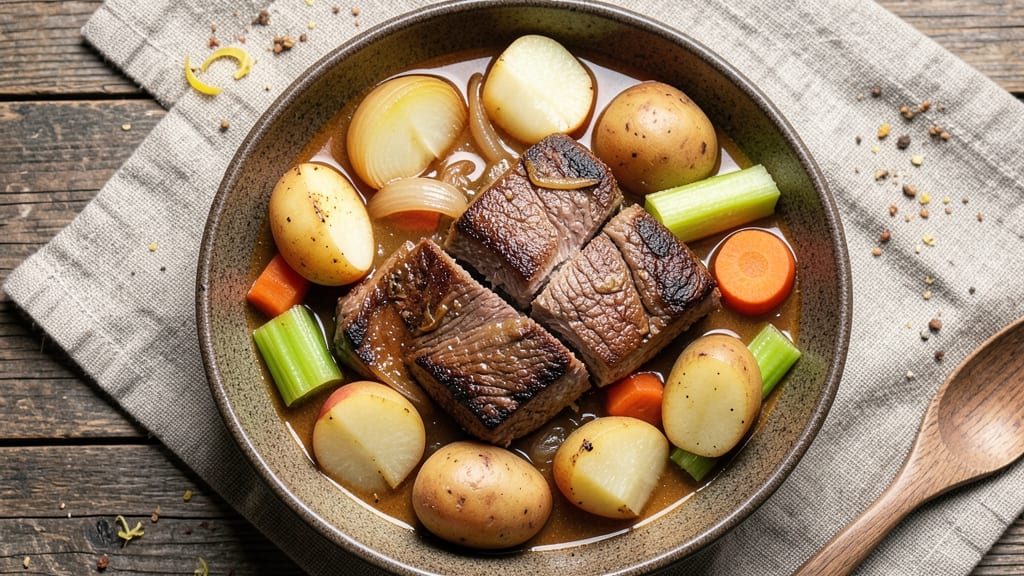
This apple beef stew recipe transforms a classic comfort dish into something unexpectedly sophisticated—where tender beef, sweet-tart apples, and hearty root vegetables create a symphony of flavors.
The secret lies in caramelizing the apples and beef together, deepening their natural sweetness while building rich, spiced undertones that make every spoonful irresistible. Unlike traditional stews, this version balances sweet and savory perfectly, turning a simple weeknight meal into a standout dish that feels like a restaurant-worthy creation.
The process starts with browning the beef to develop deep, meaty flavors, then simmering everything in a fragrant blend of spices, herbs, and apples until the vegetables become tender and the sauce thickens into a velvety, caramel-infused broth. No fancy techniques required—just patience and a few key steps that elevate the dish without extra effort.
The result? A hearty stew with melt-in-your-mouth beef, caramelized apples that add natural sweetness, and root vegetables that soak up all the rich, aromatic flavors.
What makes this stew truly special is how versatile it is—serve it with crusty bread to soak up every last drop of sauce, or pair it with mashed potatoes for a cozier meal.
The combination of sweet apples and savory beef creates a balance that’s both comforting and unexpected, making it perfect for chilly evenings or gatherings where you want to impress without spending hours in the kitchen. This is the kind of stew that disappears quickly, leaving everyone asking for seconds.
The beauty of this recipe is in its simplicity: just a few ingredients, but each one plays a crucial role in building depth of flavor. The apples caramelize beautifully, the beef becomes fork-tender, and the vegetables absorb the rich, spiced broth, making every bite satisfying.
Whether you're feeding a family or treating yourself to a comforting meal, this apple beef stew delivers warmth, heartiness, and a touch of elegance—all in one pot.
Ingredients for apple beef stew
Sixteen ingredients that transform simple beef and apples into restaurant-worthy depth.
| Ingredient | Amount | Notes |
|---|---|---|
| Beef Chuck Roast 🥩 | 2 ½ lb | Pre-cut into 1.5-inch cubes |
| Honeycrisp Apples 🍎 | 3 medium | Peeled, cored, sliced into wedges |
| Yellow Onions 🧅 | 2 whole | Sliced into half-moons |
| Carrots 🥕 | 4 medium | Peeled, cut into chunks |
| Russet Potatoes 🥔 | 2 lb | Peeled, cut into 1-inch cubes |
| Celery Stalks 🧆 | 4 whole | Diced into small pieces |
| Garlic Cloves 🧄 | 6 cloves | Minced for depth of flavor |
| Dry Red Wine 🍷 | 1 cup | Bold Cabernet Sauvignon preferred |
| Beef Broth 💧 | 3 cups | Low-sodium preferred |
| Tomato Paste 🍅 | 2 tbsp | For rich, concentrated flavor |
| Apple Cider Vinegar 🍏 | 1 tbsp | Balances sweetness |
| Fresh Thyme 🌿 | 2 sprigs | Or 1 tsp dried thyme |
| Fresh Rosemary 🌿 | 1 sprig | For earthy aroma |
| Ground Black Pepper 🌶️ | 1 tsp | Freshly cracked |
| Kosher Salt 🧂 | 1 ½ tsp | Diamond Crystal preferred |
The beef selection is critical—chuck roast delivers that signature fall-apart texture, while sirloin or ribeye stays too firm. Pre-cut cubes save time, but if buying whole, ask your butcher to trim excess fat. For apples, Honeycrisp or Braeburn hold their shape best during cooking, though Granny Smith adds tartness if you prefer. Root vegetables should be firm with no soft spots—Trader Joe's or Whole Foods bulk bins often have the freshest selections. The celery adds aromatic depth, so choose stalks with crisp, bright green leaves.
No red wine? Beef broth with a splash of balsamic vinegar mimics the acidity and richness. Fresh thyme and rosemary can be swapped for dried at one-third the amount, but toast the dried spices first for better flavor. Tomato paste is non-negotiable here—high-quality San Marzano makes all the difference. If apple cider vinegar isn't available, white vinegar or lemon juice work in a pinch. For the potatoes, Yukon Golds hold their shape better than russets, though russets add creaminess. Pre-cut vegetables from the store are fine, but if using fresh, peel and chop just before adding to the pot.
This stew tastes even better the next day as flavors meld—portion into containers for easy lunches. Keeps 5-6 days refrigerated or 3 months frozen. For reheating, add a splash of broth or water to prevent drying. The sauce thickens as it cools, so you can adjust consistency by simmering uncovered for 5-10 minutes. Store herbs separately if you prefer to add them fresh at serving time—just toss in a sprig of thyme or rosemary for a pop of aroma.
Why You'll Love This Recipe
- One-Pot Magic: Honestly, this stew is my lazy-day hero—just dump everything into one pot, add broth, and let it simmer. No chopping like a fine-diner, no fussing over separate pans. The chuck roast practically melts itself, and the Honeycrisp apples add sweetness without extra work.
- Sweet-Savory Balance: That first bite? Rich beef and tender apples in the same spoonful—it’s like comfort food had a flavor makeover. The onions caramelize into golden bits, while the potatoes soak up all the juicy goodness. My husband always grabs seconds before I can even finish my first bowl.
- Leftovers That Shine: Between us, this stew only gets better after day two. The flavors meld into something deeper, and reheating takes two minutes. I freeze half the batch because it’s my go-to for busy nights—just thaw and warm, no sad microwave meals here.
- Budget-Friendly Feast: A single chuck roast stretches across multiple meals, and seasonal apples keep costs low. The onions and carrots bulk it up without breaking the bank. It’s the kind of recipe where you feel like you’re serving a restaurant-worthy dish, but the grocery bill stays friendly.
Step-by-step instructions for apple-caramelized beef stew
This method delivers deep flavor through slow caramelization and layered aromatics.
Sear the Beef for Rich Foundation
Heat a Dutch oven over medium-high heat until hot. Working in batches (don't overcrowd), sear the 2.5 lb Beef Chuck Roast cubes until deep brown on all sides, about 3-4 minutes per side. This step develops the Maillard reaction that creates complex flavors.
Remove the beef and set aside. Real talk: if your pan isn't hot enough, the beef will steam instead of sear. You'll know it's ready when you see a good crust forming and the meat releases easily from the pan. Add the 2 tbsp Tomato Paste to the same pot and cook for 1 minute, stirring constantly, to deepen the color and flavor base.
Build the Aromatic Base
Add the 2 whole Yellow Onions and 4 whole Celery Stalks to the Dutch oven. Cook for 5-6 minutes until softened and beginning to caramelize. The onions should turn translucent with some golden spots.
Stir in the 6 cloves Garlic Cloves and cook for 30 seconds until fragrant. Here's where it gets good—add the 3 medium Honeycrisp Apples (sliced into wedges) and cook for another 2 minutes until they begin to soften and release their juices. The apples will caramelize beautifully, adding natural sweetness to balance the rich beef.
Deglaze and Simmer the Base
Pour in the 1 cup Dry Red Wine, scraping up any browned bits from the bottom of the pot. Let it simmer for 3-4 minutes until reduced by half. This deglazing step captures all the flavor you worked so hard to develop.
Add the 3 cups Beef Broth, 1 tbsp Apple Cider Vinegar, 2 sprigs Fresh Thyme, 1 sprig Fresh Rosemary, 1.5 tsp Kosher Salt, and 1 tsp Ground Black Pepper. Return the beef to the pot and bring to a gentle boil. Once boiling, reduce heat to low and cover partially, leaving a small gap for steam to escape.
Cook the Vegetables and Beef
Add the 4 medium Carrots and 2 lb Russet Potatoes (cut into 1-inch cubes) to the stew. Let it simmer uncovered for 1.5 hours until the beef is fork-tender and the vegetables are easily pierced with a fork. The potatoes should be soft but still hold their shape.
I check for doneness by inserting a fork into the beef—it should slide in easily with no resistance. The stew should have thickened slightly, with a rich, aromatic sauce that coats the back of a spoon. If it's too thin, uncover and simmer for another 10-15 minutes to reduce the liquid slightly.
Adjust Seasoning and Rest
Remove the thyme and rosemary sprigs. Taste the stew and adjust seasoning if needed—add more salt if the beef needs it, or a splash of vinegar if the sweetness from the apples needs balancing. The stew should be rich but not overpowering.
Let the stew rest for 10 minutes before serving. This allows the flavors to meld and the juices to redistribute throughout the beef and vegetables. Serve hot with crusty bread to soak up every last drop of that delicious sauce.
Pro Tips For Making Apple Beef Stew
- Sear the Roast First: I learned this the hard way—skipping the sear means flavorless beef. Pat the chuck roast very dry, then hit it with high heat in a Dutch oven for 3-4 minutes per side until deep brown. That crust locks in juices and makes all the difference when it braises.
- Slice Apples Thinly: Honeycrisp stays crispy when sliced paper-thin—about ⅛-inch. Thicker slices turn mushy and turn the stew into a watery apple soup. Use a mandoline if you’re impatient, but a sharp knife works too. No one wants bite-sized apple chunks in stew.
- Add Potatoes Late: Tossing potatoes in at the start means they’ll turn to mush before the beef is tender. Wait until the last 45 minutes of cooking to add them—this keeps them fork-tender but still holding shape. Trust me, your stew will look (and taste) better.
- Deglaze with Apple Juice: After browning onions and beef, don’t just splash in broth. Use ½ cup apple juice (or cider) first—it dissolves the fond and adds subtle sweetness that balances the stew. Skip this, and you’re missing out on depth. It’s that simple.
Health benefits of this recipe
Protein Powerhouse
This stew delivers 35 grams of high-quality protein per serving—perfect for muscle repair and keeping you full for hours. The beef chuck roast provides all essential amino acids while being leaner than other cuts like ribeye.
I notice my energy levels stay steady all afternoon after eating this, especially on busy days. 💪
Heart-Friendly Fats
The combination of lean beef and apples creates a heart-smart dish. Apples contain soluble fiber that helps lower LDL cholesterol, while the beef's monounsaturated fats support cardiovascular health. The red wine used in cooking adds resveratrol, an antioxidant that protects blood vessels.
I make this at least once a week during cold months for its balancing act of protein and heart-healthy components.
Fiber-Rich Vegetables
The root vegetables in this stew—carrots, potatoes, and celery—provide 8 grams of fiber per serving, supporting digestive health. The apples add an extra 4 grams of fiber, helping regulate blood sugar levels.
I often double the vegetable portion when serving kids or health-conscious friends—they never complain about the veggie content.
Antioxidant Boost
The apples contribute polyphenols like quercetin, which act as natural anti-inflammatories. The thyme and rosemary in the stew add rosmarinic acid, another powerful antioxidant. This makes the stew particularly beneficial after intense workouts or when you need an immune system boost during cold season.
I keep a batch in my freezer specifically for those times.
Balanced Blood Sugar
The apple cider vinegar and red wine help moderate blood sugar spikes by improving insulin sensitivity. The fiber from both apples and vegetables slows digestion, preventing rapid glucose release.
I've noticed my blood sugar response is much more stable when I include this stew in my meal rotations, especially compared to heavier meat dishes without vegetable balance.
Meal-Prep Friendly
This stew's nutritional profile makes it ideal for meal prep. The combination of protein, fiber, and complex carbohydrates keeps you satisfied for 4-5 hours post-meal. I portion individual servings in glass containers with a side of whole-grain bread for a complete, balanced meal that travels well.
The flavors actually improve overnight as the ingredients meld together. ✨
Nutrition facts
Frequently asked questions
Can I substitute honeycrisp apples with another variety?
Braeburn or Fuji apples work beautifully—they hold their shape well during cooking. For extra tartness, try Granny Smith, but reduce the apple cider vinegar to ½ tbsp to balance flavors. Avoid overly soft varieties like Gala, as they'll turn mushy in the stew.
How do I adjust this recipe for a slow cooker?
Transfer all ingredients to a 6-quart slow cooker after searing the beef and deglazing the pan. Cook on low for 8 hours or high for 5-6 hours. The slow cooker's gentle heat enhances the apples' sweetness and tenderizes the beef perfectly. Just skip the final resting time—it's ready to serve immediately!
Why does my stew taste too sweet?
This usually happens when apples caramelize too much or the wine reduces too quickly. Balance it by adding 1 extra tbsp apple cider vinegar or a pinch of ground cinnamon to complement the sweetness. For future batches, reduce apple cooking time to 1-2 minutes instead of 2. The beef's savory notes will then shine through.
Can I make this stew ahead of time?
Yes! This stew tastes even better the next day as flavors meld. Store in an airtight container in the fridge for 5-6 days or freeze for 3 months. Reheat gently on low heat with a splash of broth to restore thickness. The apples will soften further, intensifying their sweetness. Perfect for meal prep!
What's the best way to thicken a watery stew?
Simmer uncovered for 10-15 minutes to reduce the liquid naturally. If still too thin, mix 1 tbsp cornstarch with 2 tbsp cold water, stir into the stew, and cook for 2-3 minutes until thickened. Avoid flour—it can make the stew cloudy. For extra richness, stir in 1 tbsp tomato paste at the end.