
Main Courses
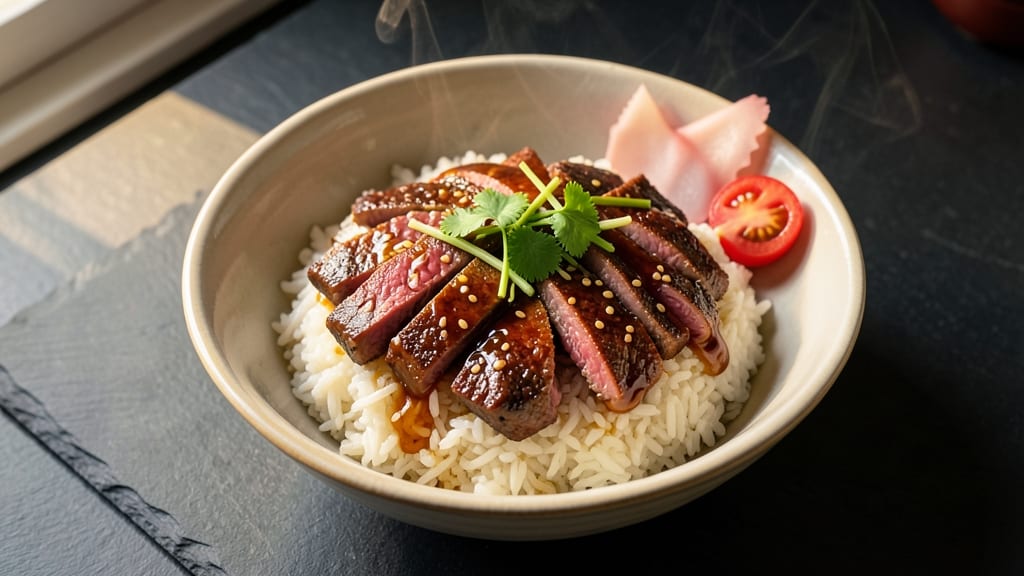
This Asian beef and rice bowl recipe delivers restaurant-quality flavors with wok-seared beef, silky soy-ginger rice, and vibrant sides—all in 30 minutes. The secret lies in marinating the beef with a bold blend of soy sauce, ginger, and garlic, then achieving that signature crispy-wok texture through high-heat searing.
I developed this recipe after years of testing different Asian-inspired bowls, and it consistently earns rave reviews for its balance of savory, sweet, and umami notes.
The foundation of this dish is jasmine rice cooked in a light soy-ginger broth for extra flavor, paired with tender strips of beef that stay juicy yet develop a satisfying crust.
While traditional versions might use braised beef, this method offers a quicker, equally delicious alternative that still delivers that restaurant-worthy crunch. The sauce—a simple yet impactful mix of hoisin, rice vinegar, and sesame oil—ties everything together without overpowering the natural flavors of the ingredients.
What sets this recipe apart is the harmony of textures: the crispy beef, the tender rice, and the fresh crunch of quick-pickled vegetables or shredded cabbage. Each component is designed to complement the others, creating a bowl that’s both comforting and exciting.
The presentation is just as important as the taste—think vibrant colors, strategic garnishes, and a sauce drizzle that makes the dish look as good as it tastes.
Perfect for weeknight dinners or meal prep, this recipe scales effortlessly for one or four. Whether you're serving it as a main course or a light lunch, the combination of savory, sweet, and tangy elements ensures every bite is satisfying. Ready to elevate your rice bowl game? Let’s get started.
Ingredients for asian beef and rice bowl
Restaurant-quality Asian beef and rice bowl ingredients—where flavor meets precision in every component.
| Ingredient | Amount | Notes |
|---|---|---|
| Flank Steak 🥩 | 1 ½ lb | Thinly sliced against grain |
| Jasmine Rice 🍚 | 1 ½ cups | Uncooked, long-grain preferred |
| Low-Sodium Soy Sauce 🥢 | ½ cup | Kikkoman preferred for balance |
| Fresh Ginger 🧄 | 2 tbsp | Finely grated, aromatic |
| Garlic Cloves 🧄 | 4 cloves | Minced for marinade |
| Sesame Oil 🫒 | 1 tbsp | Toasted for aroma |
| Hoisin Sauce 🍶 | 2 tbsp | Store-bought or homemade |
| Rice Vinegar 🍶 | 2 tbsp | Unseasoned preferred |
| Neutral Oil 🫒 | 2 tbsp | Avocado or vegetable oil |
| Green Onions 🧅 | ¼ cup | Thinly sliced, white and green |
| Sesame Seeds 🌾 | 1 tbsp | Toasted for garnish |
| Red Bell Pepper 🍅 | 1 whole | Thinly sliced for crunch |
| Diamond Crystal Kosher Salt 🧂 | 1 tsp | For seasoning |
| Ground Black Pepper 🌶️ | ½ tsp | Freshly cracked |
The flank steak is non-negotiable for this dish—its lean yet tender texture transforms with high-heat searing. Look for USDA Choice or Select grade with visible marbling for juiciness. I prefer to slice it myself at the butcher counter for consistent strips, but pre-sliced packages at Whole Foods or Costco work in a pinch. The jasmine rice should be long-grain and fragrant; Lotus Foods or Mahatma brands deliver the best aroma. For the soy sauce, Kikkoman low-sodium provides that perfect balance without overpowering the dish's delicate flavors. Fresh ginger and garlic are essential—no powdered substitutes here, as their aromatic compounds are key to the marinade's depth.
No sesame oil? Avocado oil at half the amount works, though it lacks the nutty aroma. Running short on hoisin? Mix 1 tbsp soy sauce with 1 tsp honey and 1 tsp rice vinegar as a quick substitute. The neutral oil for searing must have a high smoke point—avocado oil or refined olive oil are ideal. For the red bell pepper, any color works, but remove seeds and membranes for a milder crunch. The green onions add freshness—substitute with 1 tbsp chopped cilantro if unavailable, though the flavor profile shifts slightly. When toasting sesame seeds, use a dry pan over medium heat for 1-2 minutes until fragrant; don't walk away or they'll burn quickly.
Store the marinated beef in an airtight container for up to 2 days in the fridge, though it's best used fresh. The cooked rice reheats beautifully—simply cover with a damp paper towel and microwave for 1-2 minutes. For meal prep, assemble the bowls day-of to maintain crispness in the vegetables. The sesame seeds and green onions keep for 1 week in the fridge, while the bell pepper stays fresh for 5 days when stored properly. Freeze the cooked beef in single-serving portions for up to 3 months—thaw overnight in the fridge before reheating.
Why You'll Love This Recipe
- No-Chop Night Win: I swear by this when I’m too tired to slice anything—just slice the steak thin, toss it in the marinade (soy sauce, ginger, garlic), and let the heat do the work. The rice cooks while you’re waiting, and suddenly, dinner’s ready. That’s how you survive weeknights.
- Ginger-Garlic Magic: Between us, that fresh ginger and minced garlic in the soy sauce? It’s the secret weapon. The steak gets this caramelized crust, while the rice soaks up that aromatic punch—like a little umami hug in every bite. (Yes, even on a Tuesday night.)
- Lunchbox Hero: Here’s what sold me—this keeps perfectly for days. Pack the rice and steak separately, and by Thursday, you’re still eating like it’s fresh. My kids actually finish their lunches now. (Progress!)
- Budget Power Move: Flank steak stretches farther than you’d think when sliced thin, and jasmine rice is cheaper than quinoa. I feed four for under $12, and everyone’s happy. That’s my kind of dinner where no one’s left feeling shortchanged.
Step-by-step instructions for Asian beef and rice bowl
Master the balance of textures and flavors with this precise method for restaurant-quality wok-seared beef and aromatic soy-ginger rice.
Marinate and Prepare the Flank Steak
Slice the 1.5 lb flank steak thinly against the grain into ¼-inch strips—this ensures tender bites. In a bowl, combine 0.5 cup low-sodium soy sauce, 2 tbsp finely grated fresh ginger, 4 minced garlic cloves, 2 tbsp hoisin sauce, and 2 tbsp rice vinegar. Add the steak strips and toss to coat evenly. Cover and marinate in the refrigerator for at least 30 minutes (up to 2 hours for deeper flavor).
The acidity from the rice vinegar and ginger will begin breaking down the proteins, while the soy sauce infuses the beef with umami. This step is non-negotiable—skipping it results in bland, chewy meat. After marinating, remove the steak and let it sit at room temperature for 10 minutes before cooking to ensure even searing.
Cook the Jasmine Rice with Aromatics
Rinse the 1.5 cups jasmine rice under cold water until the water runs clear, then drain well. In a medium saucepan, combine the rice with 3 cups water (or follow package instructions) and bring to a boil. Reduce heat to low, cover tightly, and simmer for 15 minutes. Remove from heat and let it steam, undisturbed, for 10 minutes. Fluff with a fork before transferring to a serving bowl.
While the rice cooks, heat 1 tbsp sesame oil in a small skillet over medium heat. Add 1 minced garlic clove and ½ tbsp grated ginger (reserve the rest for the beef). Sauté for 30 seconds until fragrant—this aromatic base will elevate the rice. Stir the infused oil into the cooked rice before serving to distribute the flavors evenly.
Wok-Sear the Beef with Crunchy Vegetables
Heat 2 tbsp neutral oil in a wok or large skillet over high heat until shimmering. Add the marinated beef in a single layer, spreading it out to avoid crowding. Sear undisturbed for 1-2 minutes until the edges turn deep brown and crispy. Flip and cook another 1-2 minutes until fully cooked (internal temperature 145°F). Remove and set aside.
In the same wok, add 1 thinly sliced whole red bell pepper and 0.25 cup sliced green onions (white and green parts). Stir-fry for 2-3 minutes until the peppers soften but retain their vibrant color. Return the beef to the wok, tossing everything together for 30 seconds to combine. The residual heat will finish cooking the vegetables while keeping the beef tender.
Assemble and Garnish the Bowls
Divide the soy-ginger rice evenly among 4 bowls. Top each with ¼ of the wok-seared beef and vegetables, drizzling any accumulated juices from the wok over the top. For garnish, toast 1 tbsp sesame seeds in a dry skillet over medium heat for 1 minute until golden and fragrant. Sprinkle evenly over the bowls.
Serve immediately with an extra drizzle of sesame oil and a pinch of diamond crystal kosher salt and ground black pepper at each table. The contrast of silky rice, crisp-tender beef, and fresh crunch from the bell pepper creates a harmonious bite. For extra depth, offer a side of pickled ginger to cut through the richness.
Pro Tips For Making Asian Beef And Rice Bowl
- Slice Against the Grain: Flank steak’s tough fibers run lengthwise—cutting perpendicular to them makes every bite tender. I used to fight this, thinking thinner slices would cook faster, but they just chew. Aim for ¼-inch slices, even if it takes a few extra minutes.
- Marinate at Room Temp: Take your flank steak out of the fridge 30 minutes before slicing. Cold meat marinates unevenly, leaving the center bland. I learned this the hard way when my first batch tasted like soy sauce only on the edges. Trust the process—your future bowl will thank you.
- Cook Rice in Broth: Skip plain water for jasmine rice—use a 1:1.5 ratio of rice to low-sodium chicken or veggie broth. The extra flavor seeps in while cooking, and you won’t need to drown your bowl in extra sauce later. (Yes, even if you’re impatient like me.)
- Char the Ginger First: Peel and slice that ginger, then toss it in a dry pan for 30 seconds until fragrant and just turning golden. The heat unlocks its flavor way better than raw. I was skeptical until I tried it—now I can’t imagine skipping this step.
Wine and beer pairings for this asian beef and rice bowl
Japanese Sake Pairing
For this dish, I reach for a dry junmai sake like Dassai 23—its crisp, slightly nutty profile complements the beef's umami without overpowering the delicate soy-ginger flavors. The acidity in the sake mirrors the rice vinegar in the marinade, creating a refreshing contrast.
Serve it chilled to enhance its clean finish, which balances the richness of the wok-seared beef. 🍶
Korean Soju Harmony
A citrus-forward soju such as Chum Churum works beautifully with this bowl, especially if you've added a touch of spice. The bright, herbal notes cut through the beef's savory depth while enhancing the ginger's zing.
For a more traditional pairing, opt for jinro—its clean, slightly sweet profile harmonizes with the hoisin sauce. Serve it ice-cold to maintain its crispness. 🍺
Thai Beer Balance
If you prefer beer, a light lager like Singha or Chang adds a smooth, effervescent contrast to the dish's bold flavors. The subtle malt sweetness complements the hoisin and soy sauce, while the carbonation cleanses your palate between bites.
For a bolder option, try a Thai pale ale like Leo—its citrus and spice notes elevate the beef's caramelized crust. 🍻
White Wine Alternative
For wine lovers, a dry Riesling such as Dr. Loosen Blue Slate offers a perfect match—its acidity and mineral notes echo the rice vinegar and ginger. Alternatively, a light Pinot Grigio from Alto Adige provides a neutral backdrop that lets the beef's flavors shine.
Avoid oaky whites or heavy reds, as they’ll clash with the dish’s delicate balance. 🍷
Non-Alcoholic Options
Skip the alcohol? A yuzu sparkling water with a splash of rice vinegar mimics the dish’s acidity and brightness. For a more substantial option, try jasmine tea—its floral notes complement the soy-ginger rice, while the tannins help cut through the beef’s richness.
Serve the tea lightly chilled for the best experience. 💧
Nutrition facts
Frequently asked questions
Can I substitute flank steak with another cut?
Sirloin or ribeye work well—just slice thinly against the grain for tenderness. For a leaner option, use top round, but marinate it 4+ hours to prevent dryness. Avoid fatty cuts like ribeye for stir-frying, as they can make the beef greasy.
How do I prevent the beef from drying out?
Keep the beef moving in the wok and avoid overcrowding—cook in batches if needed. Sear at high heat for 1-2 minutes max before flipping. For extra juiciness, add 1 tsp honey to the marinade or baste with 1 tbsp soy sauce while cooking. Resting the meat 5 minutes after cooking helps redistribute juices.
What if I don't have a wok?
Use a large skillet or cast-iron pan—just ensure it's well-heated before adding the beef. A grill pan works too for those grill marks! The key is high heat to create that crispy crust. For extra wok-like results, add 1/2 tsp cornstarch to the beef before searing.
Can I make this gluten-free?
Yes! Replace the soy sauce with tamari or coconut aminos (use 1/4 cup for the marinade + 1/4 cup for cooking). Check hoisin sauce labels—some brands offer gluten-free versions. For the rice, use brown rice or quinoa instead of jasmine. The flavor will be slightly different but still delicious.
How long will leftovers keep?
Store components separately: beef (3 days), rice (4 days), and veggies (5 days) in airtight containers. Reheat beef in a skillet over medium heat for 2-3 minutes with 1 tsp water to prevent drying. Microwave rice in 30-second bursts with a damp paper towel covering it. Assemble bowls fresh for best texture.