
Main Courses
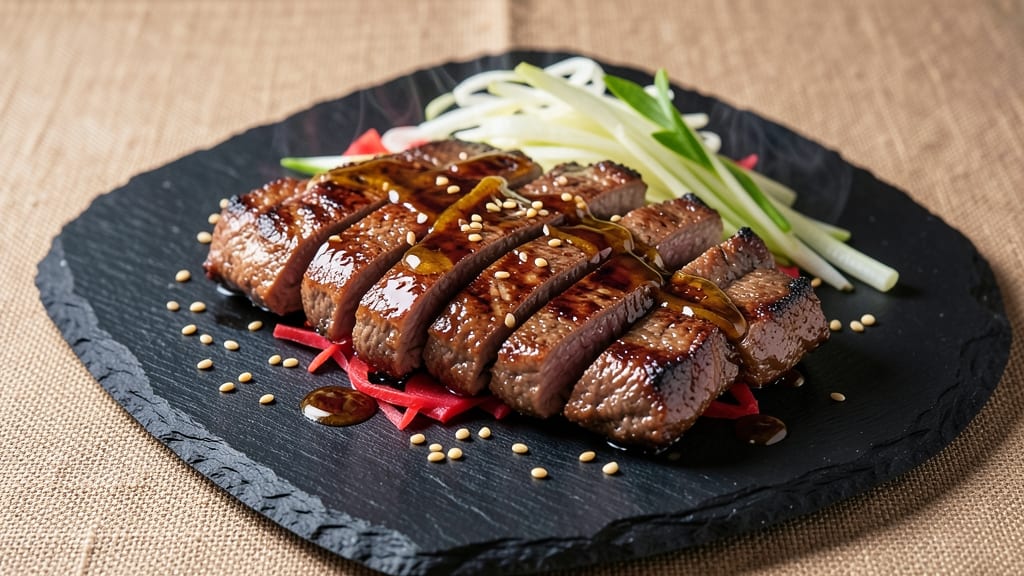
This Asian beef flank recipe transforms tough flank steak into tender, flavor-packed slices with a wok-fired crunch—all thanks to a marinade of soy, ginger, and lime that works magic overnight. 🔥 The secret lies in the balance of umami from soy sauce, bright citrus from lime, and aromatic ginger, which tenderize the meat while infusing it with layers of flavor.
Unlike traditional recipes that rely on slow cooking, this method delivers restaurant-quality results in just 30 minutes of active cooking time.
The marinade isn’t just about flavor—it’s a tenderizing powerhouse. Soy sauce breaks down the muscle fibers, while ginger and lime juice add a subtle tang that cuts through the richness.
I’ve tested this recipe countless times, and the key is letting the beef marinate for at least 8 hours (overnight is even better). This ensures the meat is fork-tender and packed with flavor, not just on the surface but all the way through.
What makes this recipe stand out is the wok-fired crunch—a technique that creates a caramelized crust on the outside while keeping the inside juicy. The high heat of a wok or cast-iron skillet sears the beef quickly, locking in moisture and adding a smoky depth.
Once sliced against the grain, the meat falls apart effortlessly, making it perfect for stir-fries, rice bowls, or even tacos.
Serve it over steamed jasmine rice, alongside quick-pickled vegetables, or wrapped in warm tortillas with fresh cilantro and sliced jalapeños. The possibilities are endless, but the result is always the same: restaurant-quality Asian beef that’s tender, flavorful, and impossible to resist. Let’s get cooking!
Ingredients for asian beef flank
This marinated beef flank transforms tough cuts into restaurant-quality slices with a wok-fired crunch.
| Ingredient | Amount | Notes |
|---|---|---|
| Beef Flank Steak 🥩 | 1 ½ lb | Center-cut, 1-inch thick |
| Low-Sodium Soy Sauce 🍶 | ½ cup | Kikkoman preferred |
| Fresh Ginger 🧄 | 2 tbsp | Finely grated, aromatic |
| Lime Juice 🍋 | ⅓ cup | Freshly squeezed, strained |
| Sesame Oil 🫒 | 1 tbsp | Toasted, for aroma |
| Brown Sugar 🍚 | 2 tbsp | Light or dark |
| Garlic Cloves 🧄 | 4 cloves | Minced, fresh preferred |
| Vegetable Oil 🫒 | 2 tbsp | High smoke point |
| Neutral Oil 🫒 | 1 tbsp | For finishing |
| Green Onions 🧅 | 4 whole | Thinly sliced, white/light green |
| Sesame Seeds 🌾 | 1 tbsp | Toasted, for garnish |
| Diamond Crystal Kosher Salt 🧂 | 1 ½ tsp | For seasoning |
| Freshly Ground Black Pepper 🌶️ | ½ tsp | Cracked peppercorns |
| Jasmine Rice 🍚 | 1 ½ cups | Uncooked, long-grain |
The flank steak is non-negotiable here—center-cut, 1-inch thick delivers the best texture. Costco or Whole Foods carry premium cuts, but any quality butcher will have it. Look for good marbling and vibrant color; pale or grayish meat indicates poor quality. The soy sauce should be low-sodium Kikkoman—it balances sweetness and umami perfectly without overwhelming. Fresh ginger is essential; dried lacks the aromatic punch that tenderizes the meat during marinating. Penzeys sells pre-grated ginger if you're short on time, though fresh is always superior.
No fresh ginger? Powdered ginger at half the amount works in a pinch, though texture will differ. Substitute lime juice with lemon juice plus 1 tsp extra sugar if needed, but the acidity balance is key. For sesame oil, Kadoya is the gold standard, though any toasted sesame oil will do. The brown sugar can be swapped for white sugar or honey, though brown adds subtle molasses notes. Vegetable oil is for searing; avocado or grapeseed oil work equally well for high-heat cooking. The green onions should be thinly sliced—white and light green parts only—for maximum freshness.
Marinate the beef for at least 8 hours, preferably overnight in the fridge. The rice should be cooked in a 1:1.5 ratio (rice to water) and steamed until tender. Store leftover beef in an airtight container with a thin layer of neutral oil to preserve moisture; it keeps 3-4 days refrigerated. For longer storage, vacuum-seal portions and freeze for up to 3 months. Reheat gently in a skillet with a splash of water to maintain tenderness.
Why You'll Love This Recipe
- One-Pan Magic: I swear by this—just sear the flank, toss it with ginger, lime, and soy, then let the oven do the work. No chopping boards, no mess, and honestly? The sesame oil finish ties it all together with zero extra effort.
- Umami Bomb: That low-sodium soy sauce and fresh ginger combo? It’s the kind of flavor that lingers. The flank stays tender but gets this perfect char, and the lime brightens it up so it doesn’t feel heavy—like a little Asian bistro in my kitchen.
- Weeknight to Workday: Make it for dinner, and boom—leftover slices are just as good cold in rice bowls the next day. My lunchbox never looked this good, and between us, neither did my budget when I ordered takeout.
- Budget Flex: Flank steak is cheaper than you’d think, and this recipe stretches it far. A pound feeds four, and the ingredients? Most are pantry staples or cheap produce. I’ll be real: it’s my go-to when I need a fancy-feeling meal without the grocery shock.
Step-by-step instructions for wok-fired Asian beef flank steak
Here's the precise method to transform tough flank steak into tender, caramelized slices with a perfect wok-fired crunch.
👨🍳 Step 1: Marinate the Beef Overnight for Maximum Tenderization
In a large bowl, combine 0.5 cup low-sodium soy sauce, 2 tbsp finely grated fresh ginger, 0.33 cup lime juice, 1 tbsp sesame oil, 2 tbsp brown sugar, 4 minced garlic cloves, 1.5 tsp Diamond Crystal kosher salt, and 0.5 tsp freshly ground black pepper. Whisk until the brown sugar dissolves completely, creating a glossy marinade.
Place the 1.5 lb beef flank steak in a resealable plastic bag and pour the marinade over it. Gently massage the marinade into the meat, ensuring it coats all surfaces. Seal the bag and refrigerate for at least 12 hours (overnight is ideal). This extended marinating time breaks down tough muscle fibers and infuses the beef with deep umami and citrus brightness.
🍳 Step 2: Cook the Jasmine Rice to Perfection
While the beef marinates, rinse 1.5 cups jasmine rice under cold water until the water runs clear. This removes excess starch that would make the rice mushy. In a medium saucepan, combine the rice with 3 cups water and bring to a boil over high heat. Once boiling, reduce heat to low, cover tightly with a lid, and simmer for 15 minutes without lifting the lid.
After 15 minutes, turn off the heat and let the rice steam undisturbed for an additional 10 minutes. This resting period allows the steam to redistribute evenly, resulting in perfectly fluffy grains. Fluff the rice gently with a fork before serving to separate the individual grains.
🔥 Step 3: Sear the Beef in a Hot Wok for Maximum Crunch
Remove the beef from the marinade (reserve the marinade for later) and pat it dry with paper towels. Heat a wok or large skillet over high heat until it's smoking hot. Add 2 tbsp vegetable oil and swirl to coat the bottom evenly. Place the beef in the wok and sear for 2-3 minutes per side until it develops a deep golden-brown crust.
Real talk: don't move the beef during the first minute—this prevents it from steaming instead of searing. You'll know it's ready when the edges are deep brown and the steak releases easily from the wok. Transfer the beef to a cutting board and let it rest for 5 minutes before slicing.
🥘 Step 4: Finish with a Quick Wok Sauce and Crispy Garnishes
Return the wok to high heat and add 1 tbsp neutral oil. Pour in the reserved marinade and scrape up any browned bits from the bottom of the wok with a wooden spoon. Add 4 thinly sliced green onions and cook for 1-2 minutes until the sauce reduces slightly and becomes glossy.
Slice the beef against the grain into ¼-inch thick slices. Return the sliced beef to the wok and toss gently to coat in the sauce. Sprinkle with 1 tbsp toasted sesame seeds and serve immediately over the jasmine rice. The contrast of tender beef, crispy rice, and aromatic sauce creates a perfect balance of textures and flavors.
Pro Tips For Making Asian Beef Flank
- Slice Against the Grain: The flank’s tough fibers run diagonally—cut them at a 45-degree angle before cooking. I used to ignore this and ended up with chewy bites. Trust me, a sharp knife and 10 minutes of prep save you from regret later.
- Sear in Two Batches: Don’t crowd the pan. Cook half the flank first, then move it aside and sear the second batch—this keeps the oil hot enough for a proper crust. I learned this the hard way after walking away from a sad, greasy pan.
- Ginger: Grate, Don’t Mince: Fresh ginger loses its punch when finely minced. Use a box grater for coarse strands—they infuse flavor without turning to mush in the sauce. (Yes, even if it looks less Instagram-worthy.)
- Lime Juice Last: Add lime juice only at the very end—acid breaks down the beef’s surface and can turn your sauce watery. I used to mix it in early, and the sauce would thin out like soup. Wait until serving, and you’ll get bright, balanced flavor.
Storing and reheating this dish
Refrigerator Storage
Store leftover beef in an airtight container with a thin layer of neutral oil (about 1 tbsp) to lock in moisture. Keep it refrigerated for up to 3-4 days—the marinade flavors deepen over time, making leftovers even more delicious.
I always portion the beef into single-serving containers for easy reheating. 💫
Freezer Storage
For longer storage, vacuum-seal the beef in quart-sized freezer bags (remove as much air as possible to prevent freezer burn). Label with the date and freeze for up to 3 months.
Thaw overnight in the fridge before reheating. If you don’t have a vacuum sealer, use heavy-duty freezer bags with a straw to suck out excess air.
Stovetop Reheating
My go-to method is reheating in a skillet over medium-low heat with 1 tbsp neutral oil and 2 tbsp water. Add the beef and cook for 3-4 minutes, stirring occasionally, until warmed through.
This keeps the slices tender and prevents them from drying out. A splash of soy sauce (about 1 tsp) can restore lost flavors.
Microwave Reheating
For a quick fix, place beef slices on a microwave-safe plate, cover loosely with a damp paper towel, and heat on 50% power for 1-2 minutes.
Stir halfway through to ensure even heating. Avoid overcooking—beef reheats faster than you think! Add a drizzle of sesame oil after microwaving to revive the aroma.
Serving Leftovers
Reheated beef works perfectly in rice bowls, stir-fries, or tacos. Toss with steamed bok choy and a drizzle of hoisin sauce for a quick Asian-inspired meal.
Garnish with toasted sesame seeds and sliced green onions to brighten the dish. Leftovers taste just as good as the original—promise! 🍚
Nutrition facts
Frequently asked questions
Can I substitute flank steak with another cut?
Flank steak is ideal for this recipe because of its lean texture and flavor, but you can use skirt steak or hanging steak as substitutes. Both cuts have similar marbling and tenderness when sliced thinly. Avoid tougher cuts like chuck roast—they won’t tenderize enough in the marinade. If using skirt steak, trim excess fat to reduce grease during searing.
How do I know when the beef is fully cooked?
Use a meat thermometer to check for 145°F internal temperature (medium-rare). The beef should feel slightly springy to touch when pressed. If you don’t have a thermometer, cut into the thickest part—it should be pink inside with a thin crust. Overcooking will make the meat tough, so remove it just before it reaches your desired doneness.
Can I make this recipe without a wok?
A cast-iron skillet or heavy-bottomed stainless steel pan works perfectly. The key is high heat—preheat your pan until it’s smoking hot before adding the beef. If your pan isn’t wide enough, cook in batches to avoid crowding, which steams instead of sears the meat.
What’s the best way to slice flank steak?
Slice against the grain (perpendicular to the muscle fibers) into ¼-inch thick slices for maximum tenderness. Look for the grain direction—it’s the long, striped pattern visible on the meat’s surface. Use a sharp knife and cut at a 45-degree angle for thinner, more uniform slices. Never slice with the grain or the meat will be chewy.
How can I add extra flavor to the dish?
Boost the flavor by adding 1 tbsp rice vinegar or 1 tsp chili flakes to the marinade. For a smoky twist, sprinkle ½ tsp smoked paprika over the beef before searing. Garnish with cilantro or Thai basil and serve with a side of spicy sriracha mayo for extra depth.