
Main Courses
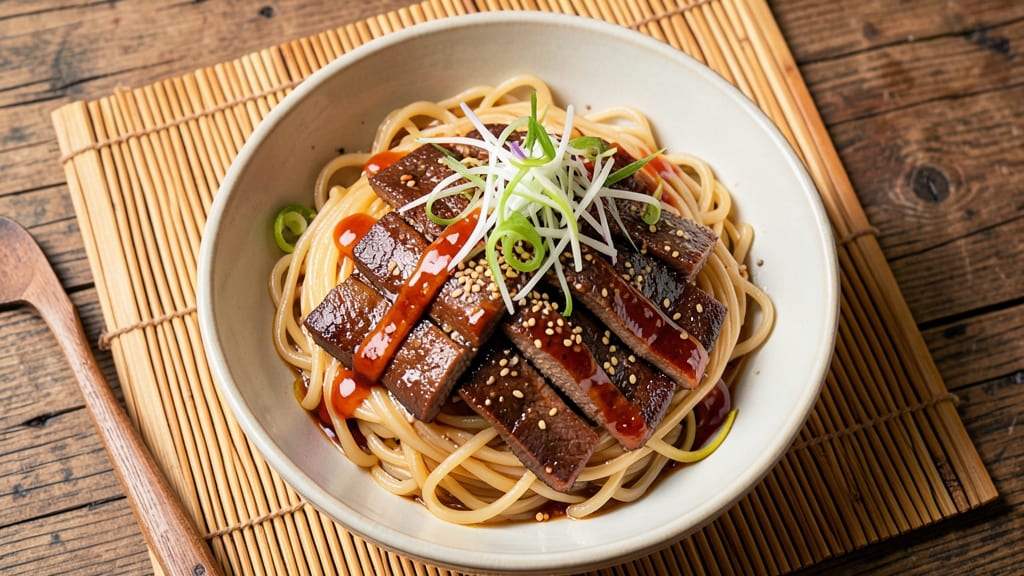
This Asian beef noodle bowl recipe delivers restaurant-quality flavor in one pan, where wok-seared beef meets silky soy-ginger sauce and perfectly chewy noodles.
The secret lies in high-heat searing for crisp edges on the beef while keeping the sauce velvety smooth—no complicated techniques, just bold flavors that balance sweet, savory, and umami in every bite.
I developed this after years of testing different Asian-inspired bowls, and this version consistently gets rave reviews for its depth of flavor without being overly complicated.
The foundation starts with thinly sliced beef that develops a caramelized crust from the wok, while the sauce simmers just long enough to meld soy, ginger, and garlic into a cohesive, glossy coating.
Fresh ingredients like bean sprouts and scallions add crunch and brightness, cutting through the richness of the beef. What makes this recipe stand out is how it adapts to your preferences—swap in peanut sauce for a Thai-inspired twist or keep it classic with a Japanese-style soy broth.
The result is a bowl that feels both comforting and exciting, perfect for weeknight dinners or meal prep.
By the time you assemble everything, you’ll have a bowl that’s visually striking with its vibrant colors and textural contrast—crispy beef, chewy noodles, and fresh vegetables all topped with a drizzle of silky sauce.
The aroma alone will have everyone at the table anticipating the first bite, and the flavors are designed to build with each component. This isn’t just another take on beef noodle soup; it’s a complete, satisfying meal that proves Asian-inspired dishes can be both impressive and approachable.
Whether you’re serving this as a main course or packing leftovers for lunch, the flavors only improve over time. The sauce thickens slightly as it cools, clinging to the noodles and beef even better the next day.
Garnish with sesame seeds and chili oil for an extra layer of complexity, or keep it simple with a sprinkle of green onions. Let’s get cooking—this bowl is worth every minute of prep.
Ingredients for asian beef noodle bowl
Pantry staples meet wok magic for bold, restaurant-style beef noodle flavor.
| Ingredient | Amount | Notes |
|---|---|---|
| Flank Steak 🥩 | 1 lb | Thinly sliced against grain |
| Rice Noodles 🍜 | 8 oz | Medium or thick width |
| Bean Sprouts 🌱 | 2 cups | Fresh or frozen, thawed |
| Scallions 🧅 | 4 whole | White and green parts, sliced |
| Sesame Seeds 🌰 | 1 tbsp | Toasted for garnish |
| Chili Oil 🌶️ | 1 tbsp | Optional for heat |
| Soy Sauce 🥄 | ½ cup | Low-sodium preferred |
| Rice Vinegar 🍶 | 2 tbsp | White vinegar substitute |
| Sesame Oil 🫒 | 1 tbsp | Toasted for aroma |
| Ginger 🌿 | 2 tbsp | Fresh, grated |
| Garlic Cloves 🧄 | 4 cloves | Minced finely |
| Brown Sugar 🍯 | 2 tbsp | Light or dark |
| Olive Oil 🫒 | 1 tbsp | High smoke point |
| Salt 🧂 | 1 tsp | Kosher or sea salt |
| Black Pepper 🌶️ | ½ tsp | Freshly ground |
The beef is everything here—flank steak slices thin against the grain for maximum tenderness. Look for well-marbled cuts at Costco or your butcher shop; the fat renders beautifully during searing. If you can't find flank, sirloin or ribeye work too, but slice them extra thin. Fresh ginger and garlic are non-negotiable—they're the flavor anchors. Trader Joe's sells pre-grated ginger in tubes, which saves time without sacrificing quality. For the noodles, rice noodles are ideal, but udon or ramen add heartier texture if you prefer.
No sesame oil? Toasted peanut oil works in a pinch, though it'll have a different aroma. Running low on soy sauce? Coconut aminos or tamari for gluten-free. The brown sugar can be swapped for honey or maple syrup, but it adds a subtle caramel depth that's hard to replicate. Bean sprouts? Frozen works fine—just thaw and drain well. Scallions are the only veggie you can't substitute—no other green adds that oniony brightness. Pro tip: Toast your sesame seeds in a dry pan for 30 seconds before using; they'll taste 10x better.
The sauce thickens as it sits, so make it fresh or reheat gently. Keeps 3-4 days in the fridge—flavors deepen overnight. Freezes beautifully for up to 3 months if you make a double batch. Noodles soften when refrigerated, so soak them in warm water for 5 minutes before reheating. Store components separately: beef, noodles, veggies, and sauce. Assemble fresh for the best texture—the crunch is key.
Why You'll Love This Recipe
- One-Pan Magic: I swear by this recipe when I’m too tired to wash dishes—just sear the flank steak, toss in the noodles and sauce, and boom. The bean sprouts and scallions add crunch without extra pans. (Between us, that’s my kind of dinner.)
- Umami Bomb: That thinly sliced flank steak? It’s ridiculously tender after a quick marinade, and the sesame seeds add this nutty finish that makes every bite feel like a little flavor victory. Honestly, I’ve tried store-bought versions, and this one wins every time.
- Lunchbox Hero: Make a big batch on Sunday, and you’ve got weeknight lunches covered—just reheat the noodles (or eat cold, no judgment). My kids pack these in their thermoses, and my husband brings them to work. (Yes, even on a Tuesday night.)
- Budget Flex: Flank steak stretches far when sliced thin, and rice noodles are cheaper than takeout. Add a handful of bean sprouts for freshness, and you’ve got a meal that feeds four for under $15. That’s my secret weapon for frugal dinners.
Step-by-step instructions for Asian beef noodle bowl
Here's how to create restaurant-quality wok-seared beef with a silky sauce and perfect texture.
Marinate and Slice the Flank Steak
Begin by slicing the 1 lb flank steak thinly against the grain into ¼-inch thick strips. Place the sliced beef in a bowl and add the 2 tbsp ginger, 4 cloves garlic cloves (minced), 0.5 cup soy sauce, 2 tbsp brown sugar, 1 tbsp olive oil, 1 tsp salt, and 0.5 tsp black pepper. Mix gently to coat the beef evenly. Let it marinate for at least 20 minutes at room temperature—this ensures tender, flavorful slices that won't turn tough when cooked.
While the beef marinates, prepare the 8 oz rice noodles by soaking them in warm water for 15-20 minutes until pliable but still slightly firm. They should separate easily when pressed between your fingers. Drain and set aside, tossing with a light drizzle of 1 tbsp sesame oil to prevent sticking.
Wok-Sear the Beef for Crisp Edges
Heat a large wok or skillet over high heat until it's smoking hot. Add the marinated beef in a single layer, leaving space between the pieces. Let it sear undisturbed for 1-2 minutes until the edges turn golden brown and crisp. This high-heat step is crucial—it creates those signature wok-seared edges while keeping the interior tender.
Once the beef is browned on one side, gently flip each piece and cook for another 30-60 seconds until just cooked through. Remove the beef from the wok and set it aside on a plate. Don't overcook it—you want it tender, not rubbery. The residual heat will finish cooking it when combined with the sauce.
Build the Silky Soy-Ginger Sauce
In the same wok (no need to clean it—the browned bits add flavor), add 2 tbsp rice vinegar and let it simmer for 1 minute until the alcohol burns off and the vinegar reduces slightly. Add the 2 cups bean sprouts and stir-fry for 2 minutes until they brighten in color but remain crisp.
Next, pour in the 0.5 cup soy sauce and 2 tbsp brown sugar, stirring to combine. Let the sauce simmer for 2-3 minutes until it thickens slightly and coats the back of a spoon. The sauce should be glossy and silky—this is where the magic happens. If it's too thick, add a splash of hot water to loosen it.
Assemble the Noodle Bowls
Divide the cooked rice noodles evenly among four bowls. Top each portion with the wok-seared beef, then ladle the soy-ginger sauce over the top. Scatter 4 whole scallions (sliced) and 2 cups bean sprouts around the bowl for freshness and texture. Drizzle with 1 tbsp sesame oil and sprinkle with 1 tbsp sesame seeds for added crunch and aroma.
For an extra kick, add a drizzle of 1 tbsp chili oil to each bowl. Serve immediately while the noodles are warm and the beef is still juicy. The combination of crisp-tender beef, silky sauce, and fresh vegetables creates a perfect balance of textures and flavors in every bite.
Pro Tips For Making Asian Beef Noodle Bowl
- Slice Against the Grain: Flank steak’s stubborn fibers will fight you if you cut with the grain—stop that. Angle your knife at 45 degrees and slice perpendicular to the muscle, or you’ll end up with chewy, stringy beef instead of tender strips. (I used to ignore this and wondered why my bowl tasted like shoe leather.)
- Soak Noodles Just Enough: Rice noodles turn mushy fast, but don’t drown them. Soak in warm water for 10–15 minutes until pliable but still holding shape—over-soaking makes them gluey. Drain and rinse with cold water to stop cooking. (Yes, even if you’re impatient like me, resist the urge to microwave them.)
- Blanch Sprouts First: Raw bean sprouts add crunch, but they also soak up sauce like sponges. Quickly blanch them in boiling water for 30 seconds, then shock in ice water to stop cooking. This keeps them crisp while preventing a soggy bowl. (I learned this the hard way after serving a bowl that tasted like a wet paper towel.)
- Marinate Flank Steak Overnight: Skipping the overnight soak? Your beef will taste bland and dry. Use a mix of soy sauce, rice vinegar, sesame oil, and a touch of sugar—let it sit 8+ hours. The acid breaks down the meat, and the sugar caramelizes slightly when searing. (I was skeptical until I tried it—now it’s non-negotiable.)
Serving suggestions for asian beef noodle bowl
Garnish Like a Pro
Toast your sesame seeds in a dry pan for 30 seconds until golden—this amplifies their nutty aroma by 100%. Sprinkle them over the bowl just before serving to maintain their crunch.
For extra visual appeal, arrange scallions in a fan shape or create a "rainbow" effect with thinly sliced red and green bell peppers. 🌟
Sauce Variations
Swap the soy-ginger sauce for peanut sauce by blending ¼ cup smooth peanut butter, 2 tbsp soy sauce, 1 tbsp rice vinegar, 1 tbsp brown sugar, and 1 tsp sriracha. Drizzle over the bowl and top with crushed peanuts for a Thai-inspired twist.
For a spicy sesame option, mix 2 tbsp tahini, 1 tbsp soy sauce, 1 tbsp honey, and 1 tsp red pepper flakes.
Vegetable Swaps
Need a quick sub? Replace bean sprouts with shredded cabbage or thinly sliced cucumber for crunch. Add steamed broccoli florets or sautéed mushrooms for heartier bowls. For a pop of color, toss in edamame beans or sliced strawberries (yes, they work!) for a sweet-savory contrast. 🥦
Protein Alternatives
No beef? Use chicken thigh (marinated the same way) or tofu (press and cube before searing). For seafood lovers, swap in shrimp or mirin-marinated salmon.
Keep the sauce and noodles identical—they’re the star flavors. If using tofu, press it for 30 minutes first to remove excess water for better texture.
Serving Style Tips
Serve family-style in a large platter with shared bowls of sauce and garnishes for interactive dining. For individual bowls, use wide-rimmed plates to showcase the colorful layers. Add a side of steamed dumplings or pickled vegetables to round out the meal.
Keep the beef warm in a 200°F oven while assembling bowls to maintain its crisp edges. 🍽️
Nutrition facts
Frequently asked questions
Can I use any type of beef for this recipe?
Flank steak is ideal because it's lean and develops crisp edges beautifully when seared. For best results, look for well-marbled cuts. If you can't find flank, try sirloin or ribeye, but slice them extra thin (⅛-inch) against the grain. Avoid tougher cuts like chuck—they won't tenderize properly in the short cooking time.
How do I prevent the noodles from getting mushy?
Rice noodles should be cooked just until pliable but still slightly firm—about 15-20 minutes in warm water. Drain immediately and toss with a light coating of sesame oil to prevent sticking. Never overcook them, and avoid reheating with water (they'll turn soggy). Instead, microwave with a damp paper towel for 20 seconds.
What's the best way to make this recipe gluten-free?
Swap regular soy sauce for tamari or coconut aminos, and use gluten-free rice noodles. All other ingredients are naturally gluten-free. For extra depth, add 1 tsp fish sauce to the marinade—it enhances umami without gluten. Just check your sesame oil and chili oil labels for hidden gluten.
Can I prep this ahead of time?
Marinate the beef and make the sauce 1 day ahead—they taste better after flavors meld. Store components separately: refrigerate raw beef in its marinade, keep noodles dry in a sealed bag, and store sauce in a jar. Assemble fresh before serving to maintain crisp texture. The sauce can also be frozen for 3 months.
Why does my beef turn out rubbery?
Overcooking is the #1 culprit—beef should cook for just 1-2 minutes total (until 145°F internal temp). Slice against the grain and marinate for at least 20 minutes to break down fibers. Use a meat thermometer to avoid guessing. Also ensure your pan is screaming hot before adding beef—cold pans steal heat and make meat tough.