
Salads
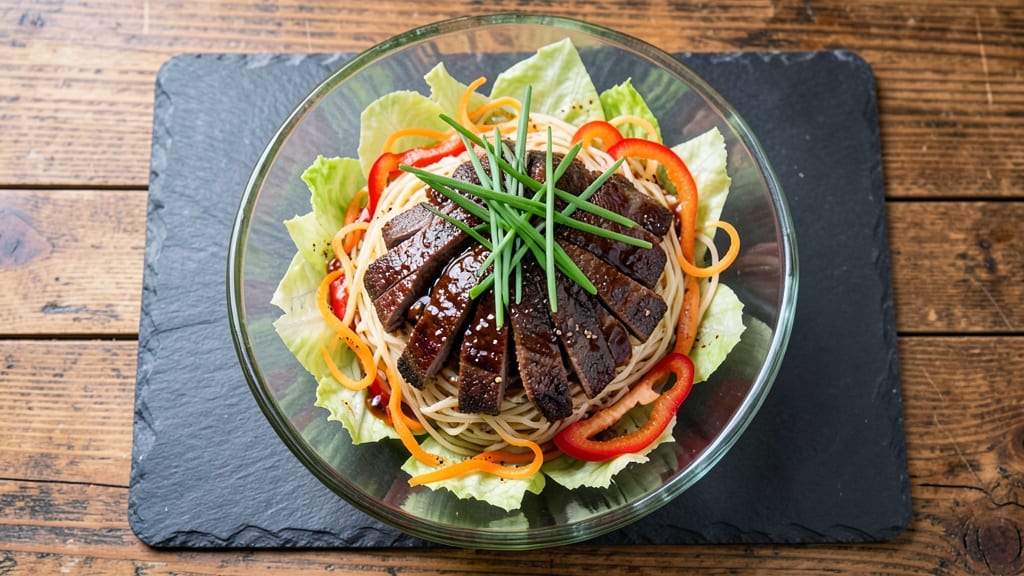
This Asian beef noodle salad recipe delivers crisp-tender beef and silky rice noodles in a harmonious balance of textures and flavors.
The secret lies in quick-searing the beef for perfect doneness—juicy yet firm enough to hold its shape—while the rice noodles soak up the dressing just enough to stay tender without turning mushy.
I developed this version after testing countless combinations, focusing on that ideal contrast between chewy noodles, crisp vegetables, and melt-in-your-mouth beef.
The foundation of this dish is a simple yet deeply flavorful dressing that combines soy sauce, sesame oil, and a touch of chili for brightness. You'll marinate the beef in this dressing before cooking, which infuses it with layers of umami and aromatic depth.
The salad comes together in minutes once the beef and noodles are ready, with fresh herbs and crunchy vegetables adding freshness and texture. It's the kind of dish that feels both comforting and exciting—perfect for a weeknight dinner or a light lunch.
What makes this recipe stand out is the textural play—crisp lettuce, chewy rice noodles, and tender beef all work together in harmony. The beef stays juicy thanks to a quick sear in a hot pan, while the noodles absorb just enough dressing to become silky without losing their structure.
This balance is what transforms a simple salad into a restaurant-worthy meal that's easy to replicate at home. The best part? It's versatile enough to adapt to different preferences while keeping that authentic Asian-inspired flavor profile.
The dressing is where the magic happens, and I've perfected it to be bold yet balanced—sweet, savory, and slightly spicy with a hint of sesame nuttiness. You can adjust the heat level to your preference, and the recipe scales easily for larger gatherings.
Whether you're serving it as a main dish or a side, this beef noodle salad will become a staple in your meal rotation. Let's get started on creating this flavorful, texturally perfect dish.
Ingredients for asian beef noodle salad
Crisp-tender beef meets silky noodles in this vibrant Asian-inspired salad. Perfect textures and bold flavors with just 15 ingredients.
| Ingredient | Amount | Notes |
|---|---|---|
| Flank Steak 🥩 | 1 lb | Thinly sliced against grain |
| Rice Noodles 🍜 | 8 oz | Thin or medium width |
| Iceberg Lettuce 🥬 | 4 cups | Chopped into bite-sized pieces |
| Carrots 🥕 | 1 medium | Julienned into thin strips |
| Red Bell Pepper 🌶️ | 1 whole | Thinly sliced |
| Green Onions 🧅 | 4 whole | Thinly sliced |
| Fresh Cilantro 🌿 | ¼ cup | Chopped |
| Sesame Oil 🫒 | 1 tbsp | Toasted for aroma |
| Soy Sauce 🥄 | 3 tbsp | Low sodium preferred |
| Rice Vinegar 🍶 | 2 tbsp | Seasoned preferred |
| Sesame Seeds 🌰 | 1 tbsp | Toasted for crunch |
| Red Chili Flakes 🌶️ | ½ tsp | Adjust to taste |
| Garlic Cloves 🧄 | 2 cloves | Minced for marinade |
| Ginger Root 🌿 | 1 tbsp | Freshly grated |
| Olive Oil 🫒 | 1 tbsp | For searing beef |
The flank steak is your star—look for well-marbled cuts at Whole Foods or your local butcher. Thinly slicing it against the grain is key for that melt-in-your-mouth texture. I always grab mine pre-sliced from the Asian market section if I'm short on time. For the rice noodles, Thai Kitchen brand is my go-to—it's widely available and holds up perfectly. If you can't find it, any rice vermicelli will work. The carrots should be firm and bright orange—skip the rubbery ones. Julienne them yourself for maximum crunch, or grab pre-shredded if you're in a rush.
No sesame oil? Toasted peanut oil works in a pinch, though it'll lack that nutty aroma. Short on cilantro? Fresh Thai basil or mint adds a nice twist. The dressing is where you can get creative—swap soy sauce for coconut aminos if you're avoiding sodium. For extra heat, add a dash of Sriracha or sambal oelek. The red bell pepper can be swapped for shredded cabbage or snap peas if you're craving something different. And if you're making this ahead, marinate the beef for up to 4 hours for maximum flavor infusion.
Store the dressing separately if prepping ahead—it keeps for 1 week in the fridge. The beef and veggies are best fresh, but you can assemble everything 2 hours ahead and toss with dressing right before serving. For leftovers, keep them 3 days max—the noodles get soggy if stored too long. The dressing freezes beautifully for 3 months, so make extra if you're planning to use it again. Pro tip: Toast your sesame seeds in a dry pan for 30 seconds before adding—they'll taste a hundred times better.
Why You'll Love This Recipe
- No Marinate? No Problem: I slice the flank steak thin against the grain—no fancy marinating needed—and toss it in a quick sesame-ginger mix while the water boils for noodles. Ten minutes later, dinner’s ready. Honestly, the steak stays tender and packed with flavor without the wait.
- Umami Bomb: That crisp-tender flank steak with the glossy sesame dressing? It’s the kind of bite that makes you pause mid-bite. The lettuce crunch and shredded carrots cut through the richness, but the real star is the dressing—tangy, nutty, and just sweet enough to make it dangerously addictive.
- Lunchbox Hero: Pack this for work or school—it’s sturdy enough to travel. I’ll be real: my kids take it in their lunchboxes, and it’s the only salad they’ll finish. The rice noodles hold up better than soggy greens, and the dressing stays vibrant for days.
- Budget Powerhouse: Flank steak stretches further than you’d think when sliced thin, and the veggies are cheap staples. I make this for four people for under $15, and there’s always leftovers for another meal. Plus, no takeout needed—this is my go-to when I’m broke but craving something fresh.
Step-by-step instructions for crisp-tender beef and silky rice noodles
Here's how to create a perfect balance of tender beef and silky noodles—every bite is a flavor explosion.
Marinate and Slice the Flank Steak
In a bowl, combine the 3 tablespoons soy sauce, 1 tablespoon freshly grated ginger root, and 2 minced garlic cloves. Add the 1 lb flank steak and coat thoroughly with the marinade. Let it sit at room temperature for 15-20 minutes—this ensures even cooking and maximum tenderness. While it marinates, slice the steak thinly against the grain using a sharp knife. You want slices about ¼-inch thick—this prevents chewiness and guarantees that first bite of melt-in-your-mouth perfection.
Pro tip: Pat the sliced steak dry with paper towels before cooking. Any moisture left on the surface will steam the beef instead of searing it, which is key for that crisp-tender texture we're after.
Sear the Beef to Crisp-Tender Perfection
Heat 1 tablespoon olive oil in a large skillet over high heat until shimmering. Working in batches if needed, add the sliced steak and cook for 1-2 minutes per side until the edges are deep golden brown and the beef is just cooked through (it should still be slightly pink in the center). Remove the beef from the skillet and set aside—it'll continue cooking slightly from residual heat.
Don't overcrowd the pan or the steak will steam instead of sear. You'll know it's ready when the edges look crisp and the beef releases easily from the pan. If it sticks, add a splash of water and scrape up those flavorful browned bits—they're packed with umami goodness.
Prepare the Silky Rice Noodles
Bring a large pot of water to a gentle boil (not rolling boil—you want to avoid breaking the noodles). Add the 8 oz rice noodles and cook for 2-3 minutes until they're tender but still slightly firm to the bite. Drain immediately and rinse under cold water for 10 seconds to stop the cooking process. Toss with 1 tablespoon toasted sesame oil to keep them from sticking and add a nutty aroma.
Here's the thing—rice noodles cook faster than you think. If you overcook them, they'll turn mushy. The goal is al dente noodles that soften further when mixed with the warm dressing. Trust your timing and taste test one noodle to check for doneness.
Assemble the Crunchy Vegetable Base
In a large bowl, combine the 4 cups chopped iceberg lettuce, 1 medium julienned carrot, 1 thinly sliced red bell pepper, and 4 thinly sliced green onions. Toss gently with 2 tablespoons rice vinegar and 0.5 teaspoon red chili flakes—this brightens the flavors and adds a subtle kick. Set aside while you prepare the dressing.
The vegetables should be crisp and vibrant. If your lettuce feels wilted, give it a quick rinse in cold water and pat dry before assembling. The contrast between the crunchy veggies and tender beef is what makes this salad sing.
Toss Everything Together for Maximum Flavor
In a small bowl, whisk together the 3 tablespoons soy sauce (reserve a little for garnish), 2 tablespoons rice vinegar, and the remaining 1 tablespoon sesame oil. Pour this dressing over the assembled salad along with the cooked beef and rice noodles. Toss everything gently but thoroughly to coat evenly. Sprinkle with 0.25 cup chopped fresh cilantro and 1 tablespoon toasted sesame seeds just before serving.
This is where the magic happens—each bite should deliver a perfect harmony of textures and flavors. The crisp-tender beef, silky noodles, crunchy vegetables, and tangy dressing come together in every mouthful. Serve immediately while the noodles are still warm and the dressing clings beautifully to each component.
Pro Tips For Making Asian Beef Noodle Salad
- SLICE THIN, COOK FAST: I learned this the hard way—thinly sliced flank steak (⅛-inch or less) cooks in 1-2 minutes over high heat. Skip the slow sear; you want tender, not chewy. Use a sharp knife and work against the grain after slicing, or you’ll fight it.
- SOAK NOODLES UNTIL SOFT: Rice noodles don’t need boiling—they’ll turn mushy. Soak them in warm water (160°F) for 10-15 minutes, then drain and rinse with cold water. They’ll hold up better in the salad and won’t turn to paste when tossed.
- DRESS LETTUCE LAST: Iceberg gets soggy fast. Keep the lettuce dry until the very end—toss it with the dressing after everything else is mixed. If you’re worried, pat it dry with a paper towel first. Crunch matters more than soggy leaves.
- UPGRADE WITH A SALT RUB: Skip the marinade (or use it lightly). Instead, sprinkle the flank steak with 1 tsp salt and ½ tsp black pepper right before cooking. Let it sit for 5 minutes—this keeps the meat juicy and adds depth without overpowering the salad’s bright flavors.
Health benefits of this dish
Lean Protein Power
The flank steak in this salad provides a lean protein source with about 40 grams per serving, making it an excellent choice for muscle repair and satiety. Unlike fatty cuts, flank steak offers high-quality protein with minimal saturated fat, ideal for balanced meals.
I find this particularly useful for post-workout recovery when I need protein without heavy calories. 💪
Complex Carbs for Energy
The rice noodles deliver complex carbohydrates that fuel your body with sustained energy, perfect for busy weeknights. An 8-ounce serving provides about 40 grams of carbs, with a glycemic index that's moderate compared to white bread.
These noodles also contain small amounts of B vitamins and iron, supporting your metabolism and blood health. The slight chewiness helps keep you full longer than softer noodles.
Fiber-Rich Vegetables
The iceberg lettuce, carrots, and bell pepper add dietary fiber (about 4 grams per serving) that aids digestion and helps stabilize blood sugar. While iceberg has less fiber than darker greens, it's packed with vitamin K and folate, essential for bone health and cell repair.
The carrots contribute beta-carotene, which your body converts to vitamin A for immune support. I always include these because they keep the salad satisfyingly crunchy while boosting nutrition. 🥕
Healthy Fats from Sesame
The sesame oil and seeds provide heart-healthy monounsaturated fats that support cholesterol levels. Just 1 tablespoon of sesame oil contains about 14 grams of fat, mostly the beneficial kind. Sesame seeds also deliver calcium, magnesium, and zinc, with 1 tablespoon providing 10% of your daily iron needs.
Toasting the seeds enhances their flavor while preserving these nutrients—it's a win-win for both taste and nutrition.
Umami Boost from Soy
The soy sauce adds glutamates that enhance flavor without adding empty calories, making this salad more satisfying. Low-sodium soy sauce reduces sodium content while still delivering that savory depth. I prefer Kikkoman low-sodium because it lets me control the saltiness better.
The ginger and garlic in the marinade also provide anti-inflammatory compounds that support overall health. Together, these ingredients create a flavor profile that keeps you coming back for more. 🌶️
Balanced Meal Composition
This salad offers a complete meal with protein, complex carbs, fiber, and healthy fats all in one serving. The textural contrast—crisp veggies, tender beef, and silky noodles—makes it more enjoyable to eat, which helps with portion control.
I've tested this recipe with different protein sources, but the beef provides that perfect balance of iron and zinc that other options like tofu or chicken might lack. It's a nutrient-dense dish that feels indulgent but keeps you feeling light. ✨
Nutrition facts
Frequently asked questions
Can I use a different type of beef for this recipe?
While flank steak is ideal for its tenderness when sliced thin, you can substitute with sirloin or ribeye (thinly sliced against the grain). For extra-lean options, try top round or lean ground beef (browned and drained). Avoid fatty cuts like ribeye steak unless you trim most of the fat first—it can make the salad too heavy.
How do I prevent the rice noodles from getting mushy?
Cook the noodles in gentle boiling water (not a rolling boil) for just 2-3 minutes—they should be tender but still slightly firm. Drain immediately and rinse under cold water for 10 seconds to stop cooking. Toss them with 1 tablespoon sesame oil right away to prevent sticking. If they feel too soft, they've been overcooked and won't recover.
Can I make this salad ahead of time?
Yes, but store the components separately. Marinate the beef for up to 4 hours ahead. Cook the noodles and beef fresh, then assemble everything 2 hours before serving with dressing. Keep the dressing separate until ready to toss—it'll keep the salad crisp. The noodles will soften further when mixed with warm dressing, so don't overcook them initially.
What if I don't have sesame oil?
Use toasted peanut oil or neutral oil like avocado oil as a substitute. For authentic flavor, add 1/2 teaspoon ground sesame seeds to the dressing. The nutty aroma comes from the seeds, not just the oil, so don't skip them entirely. If you're avoiding nuts, toasted coconut oil works too, though it has a sweeter profile.
How can I make this spicier or milder?
For more heat, add 1/2-1 teaspoon extra chili flakes or a dash of Sriracha to the dressing. For milder flavor, reduce the chili flakes to 1/4 teaspoon or omit them entirely. You can also swap the red chili flakes for mild paprika or white pepper for a different heat profile. Taste as you go!