
Soups & Stews
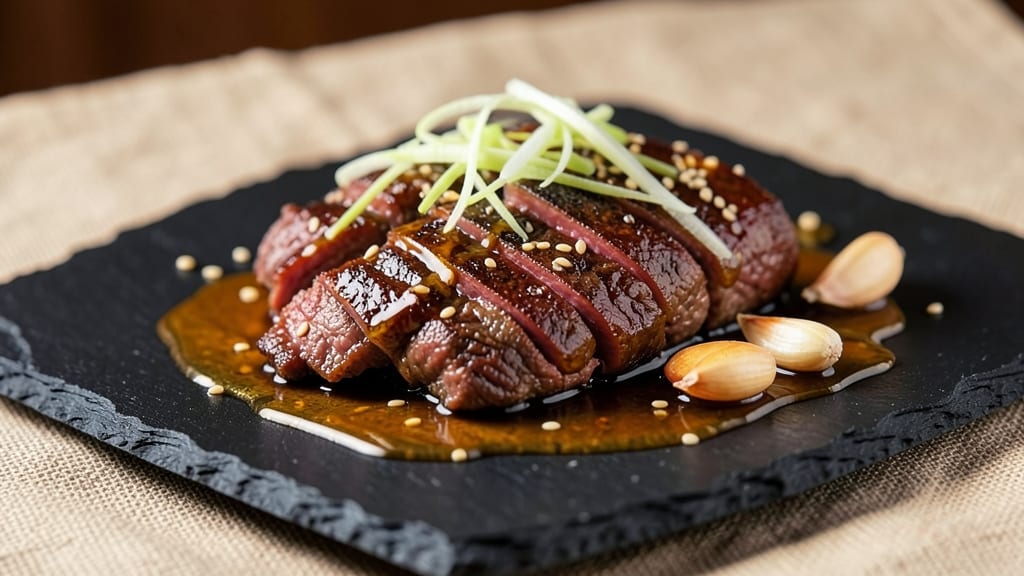
This Asian ginger beef recipe transforms simple ingredients into a dish bursting with fragrant aromatics and deep caramelized flavors. The secret lies in marinating the beef with fresh ginger, garlic, and soy sauce, allowing the flavors to meld before searing.
This technique creates a restaurant-quality dish that's surprisingly easy to replicate at home.
What sets this recipe apart is the balance of sweet, savory, and umami notes achieved through a simple stir-fry method. The beef develops a beautiful caramelized crust while staying tender inside, all thanks to high-heat searing in a wok or cast-iron skillet.
Fresh ginger isn't just an ingredient—it's the heart of this dish, delivering that signature zing that makes every bite unforgettable.
The result is a dish that's rich in texture and flavor, with beef that's perfectly tender and a sauce that's glossy and aromatic. The aromatic steam rising from the wok is enough to make your kitchen smell like a bustling Asian street market.
Serve it over steamed jasmine rice to soak up every last drop of that flavorful sauce.
This recipe scales beautifully for any occasion, from weeknight dinners to special gatherings. The marinade can be prepared ahead, giving you more time to focus on the cooking process.
With just a few simple ingredients and a little patience, you'll have a dish that's sure to impress anyone at your table.
Ingredients for asian ginger beef
Fragrant aromatics and caramelized depth start with these quality ingredients.
| Ingredient | Amount | Notes |
|---|---|---|
| Flank Steak 🥩 | 1 ½ lb | Thinly sliced against grain |
| Fresh Ginger 🌿 | ½ cup | Finely grated, peeled |
| Garlic Cloves 🧄 | 6 cloves | Minced, fresh preferred |
| Soy Sauce 🥢 | ½ cup | Kikkoman preferred |
| Honey 🍯 | ¼ cup | Wildflower for depth |
| Sesame Oil 🫒 | 1 tbsp | Toasted, for aroma |
| Rice Vinegar 🍶 | 2 tbsp | White vinegar substitute |
| Cornstarch 🌾 | 1 tbsp | For tenderizing beef |
| Neutral Oil 🫒 | 2 tbsp | Avocado or vegetable |
| Green Onions 🧅 | 4 whole | Thinly sliced, white/green |
| Sesame Seeds 🌱 | 1 tbsp | Toasted for garnish |
| Salt 🧂 | 1 tsp | Kosher or sea salt |
| Black Pepper 🌶️ | ½ tsp | Freshly ground |
| Jasmine Rice 🍚 | 2 cups | Uncooked, for serving |
The flank steak is non-negotiable—it's lean but tender when sliced thinly against the grain. Costco or Whole Foods carry excellent cuts, or ask your butcher for a well-marbled piece. Fresh ginger is the soul of this dish: look for firm, bumpy rhizomes with no soft spots. The garlic should be fresh and pungent—no dried substitutes here. Soy sauce is where umami happens, so Kikkoman or Yamasa are your best bets for that authentic flavor. For honey, wildflower or clover varieties add depth beyond basic grocery store brands.
No fresh ginger? Powdered works at half the amount, but the flavor won't be the same. Short on sesame oil? Toasted peanut oil adds a similar nuttiness. The cornstarch is key for tenderizing—don't skip it. For the rice vinegar, substitute apple cider vinegar if needed, though the flavor will differ slightly. The green onions can be swapped for regular onions if you're in a pinch, but the white/green separation adds visual appeal. If you're serving a crowd, double the rice—this dish disappears fast.
Marinate the beef for at least 2 hours, but overnight is ideal. Store leftovers in airtight containers for up to 3 days in the fridge. The rice keeps for 4 days cooked and refrigerated. For meal prep, freeze the cooked beef in single-serving portions—3 months max. Reheat gently in a skillet with a splash of water to restore moisture. The sauce thickens when chilled, so thin with water or broth when reheating.
Why You'll Love This Recipe
- Minimal Chopping Required: I swear by this—just slice the ginger thin (no peeling needed) and crush those garlic cloves. The flank steak takes 10 minutes to marinate, and the rest is stir-fry speed. Honestly, it’s the kind of recipe that makes me want to cook even when I’d rather binge Netflix.
- Sweet-Savory Magic: That honey-soy glaze? It’s dangerously good—the ginger gives it a zing, the garlic adds depth, and the caramelized edges on the steak? Pure satisfaction. It’s not sweet like dessert; it’s the kind of balance that makes you go back for seconds without even trying.
- Leftover Hero: This recipe actually improves the next day. The flavors meld even better, and it reheats perfectly in a skillet or microwave. I’ve packed it in lunches, served it at potlucks, and even used it for tacos—it’s that reliable. (Yes, even on a Tuesday night.)
- Budget-Friendly Powerhouse: Flank steak stretches farther than you’d think, especially when sliced thin. A little goes a long way, and the ingredients? Basic pantry stuff plus fresh ginger. I’ll be real: it’s one of those recipes where I feel like I’m eating fancy without dropping fancy money.
Step-by-step instructions for Asian ginger beef
Transform tender flank steak into a fragrant, caramelized masterpiece with this balanced technique.
Tenderize and Marinate the Flank Steak
Place the 1.5 lb Flank Steak between two sheets of plastic wrap and pound to an even ¼-inch thickness using a meat mallet. This ensures even cooking and prevents toughness. Slice against the grain into ¼-inch strips—this creates tender, bite-sized pieces that cook quickly.
In a large bowl, combine 6 cloves minced garlic cloves, 0.5 cup finely grated fresh ginger, 1 tbsp cornstarch, 1 tsp salt, and 0.5 tsp black pepper. Add the sliced steak, tossing until evenly coated. Let it marinate for at least 30 minutes (up to 2 hours for deeper flavor). The cornstarch begins breaking down muscle fibers here, guaranteeing melt-in-your-mouth texture.
Build the Fragrant Sauce Base
Heat 2 tbsp neutral oil in a large skillet over medium-high heat until shimmering. Add the marinated steak in a single layer, cooking undisturbed for 2-3 minutes until deep golden brown on one side. Flip and cook another 2-3 minutes until fully browned. Remove steak and set aside—this initial sear locks in juices.
In the same skillet, reduce heat to medium and add 1 tbsp sesame oil. Stir in 0.5 cup soy sauce and 0.25 cup honey, scraping up any browned bits. Simmer for 3-4 minutes until slightly thickened. Add 2 tbsp rice vinegar and 2 tbsp neutral oil, stirring constantly. The sauce should coat the back of a spoon—this is your flavor foundation.
Finish with Aromatics and Caramelization
Return the steak to the skillet, spooning sauce over it. Add 4 whole thinly sliced green onions, white and green parts separated. Cook for 1-2 minutes until green onions soften slightly. The sauce should now coat the steak evenly with a glossy sheen.
Increase heat to medium-high and let the sauce reduce for 2-3 minutes until it reaches a syrupy consistency. Taste and adjust seasoning—add a splash of water if too thick. The caramelized fond at the bottom of the pan is where all the flavor concentrates, so don't miss this step.
Garnish and Serve Over Jasmine Rice
Transfer the ginger beef to a serving platter. Drizzle with any remaining sauce in the skillet. Sprinkle with 1 tbsp toasted sesame seeds and remaining green onion slices, reserving some for garnish. The contrast of toasted seeds and fresh green onions adds vibrant texture.
Serve immediately over 2 cups cooked jasmine rice (prepared separately). The fragrant rice absorbs the sauce beautifully, creating a complete dish where every bite delivers tender beef, sweet-savory sauce, and aromatic spices. Leftovers keep well for 2 days refrigerated, though the rice texture may soften further.
Pro Tips For Making Asian Ginger Beef
- Slice Against the Grain: Flank steak’s fibers run long, and fighting them means chewy bites. Cut strips perpendicular to the grain—no guessing, just follow the natural lines—so every forkful melts like it should. (Yes, even if you’re impatient like me, take the extra 30 seconds to check.)
- Peel Ginger Like a Pro: Skip the grating—peeling ginger wrong wastes time and leaves bitter residue. Use a spoon’s edge to scoop off the skin in one smooth motion, then slice thinly (about 1/8-inch) so it infuses fast without turning to mush. (I learned this the hard way after pureeing a batch by accident.)
- Sear in Two Batches: Crowding the pan drops the temperature and steams the meat instead of searing. Cook half the beef first, then move it to a plate—this keeps the oil hot and gives you that deep, caramelized crust. (Your future self will thank you when the steak isn’t just simmered.)
- Balance the Sauce Now: Taste the raw sauce (soy, honey, garlic) before adding it to the pan. If it’s too sweet, add a splash of rice vinegar or a pinch of salt. If it’s too sharp, stir in a teaspoon of honey. (This isn’t the prettiest method, but it’s the tastiest—trust the process.)
Essential equipment for this dish
Wok Essentials
A carbon steel wok is my go-to for this recipe—it heats up fast and retains heat beautifully, creating that signature wok hei (breath of the wok) aroma. Look for a 14-inch wok from brands like Made In or De Buyer, which offer excellent heat distribution.
If you don’t have a wok, a heavy-bottomed cast-iron skillet (like Lodge) works just as well. Avoid nonstick pans—they can’t handle the high heat needed for proper caramelization. 🔥
Heat Control Tools
High heat is key for that perfect sear, so a propane burner or electric induction burner gives you the most control. If you’re using gas, a wok ring elevates the wok for better heat circulation. For electric stoves, a heavy-duty wok stand ensures even heating.
I also recommend a thermometer to monitor the oil temperature—aim for 375°F for searing. A tongs with a stainless steel head (like OXO Good Grips) helps flip the beef without tearing it.
Marinating Gear
For marinating, a large glass or ceramic bowl keeps the beef submerged and allows flavors to penetrate evenly. I use a meat mallet (like Jaccard) to pound the steak to an even thickness—this ensures consistent cooking.
A fine grater (like Microplane) is perfect for fresh ginger, and a garlic press saves time when mincing. Store-bought pre-minced garlic lacks freshness, so I always use a sharp knife for the best flavor. 🌿
Sauce Thickening
A whisk (like Cuisipro) helps emulsify the sauce quickly, while a wooden spoon prevents scratching your wok. For thickening, cornstarch is your best friend—it’s gluten-free and dissolves easily. If you prefer a smoother sauce, a fine-mesh sieve strains out any lumps.
A small ladle (like OXO Stainless Steel) makes it easy to drizzle sauce over the beef without overcrowding the pan.
Garnishing Finishes
Toasted sesame seeds add crunch and depth, so I use a small dry skillet to toast them over medium-low heat for 1-2 minutes until golden. A sharp chef’s knife (like Wüsthof) ensures clean slices of green onions.
For plating, a large serving spoon (like Zyliss) helps portion the rice and beef evenly. A small bowl keeps extra sauce on hand for drizzling at the table—this keeps everything fresh and vibrant. ✨
Nutrition facts
Frequently asked questions
Can I substitute flank steak with another cut?
Yes! Sirloin or ribeye work well—just slice thinly against the grain. For leaner options, try top round but marinate it 4 hours longer. Avoid tough cuts like chuck; they need longer cooking and won't stay tender.
How spicy should the ginger be?
Fresh ginger in this recipe adds aroma, not heat. Use ½ cup finely grated (about 2-3 inches) for balanced flavor. For extra zing, add ½ tsp red pepper flakes or 1 tbsp sriracha to the sauce. The dish stays mild but vibrant.
Why is my sauce too thin?
Sauce thickness comes from reducing and cornstarch. Simmer uncovered for 3-4 extra minutes to evaporate moisture. For instant thickening, mix 1 tsp cornstarch with 1 tbsp water, stir into the sauce, and cook 1 minute. Avoid adding raw cornstarch directly—it clumps!
Can I make this gluten-free?
Swap soy sauce for tamari or coconut aminos (use ½ cup + 1 tbsp water to mimic thickness). Ensure your cornstarch is certified gluten-free. The dish remains rich and flavorful without gluten.
What's the best way to reheat leftovers?
Reheat in a skillet over medium-low heat with 1 tbsp water or broth for 3-4 minutes to restore moisture. Microwaving makes the sauce watery. For rice, cover with a damp paper towel and reheat 1 minute to prevent drying.