
Sauces & Condiments
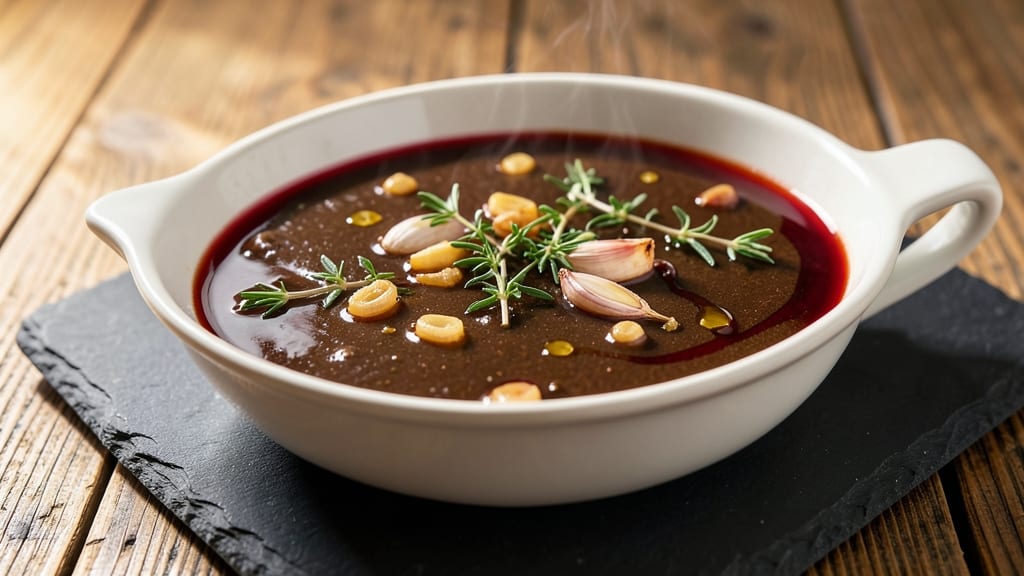
This au jus sauce recipe with beef broth transforms simple ingredients into a deep umami masterpiece that elevates any roast beef dish. The secret lies in slow-cooked aromatics—shallots, garlic, and fresh herbs—that dissolve into the broth, creating layers of savory complexity.
I developed this recipe after years of testing, and it’s the one sauce that always gets seconds at my dinner table.
What sets this au jus apart is the balance of richness and brightness. A splash of red wine vinegar cuts through the fat, while a touch of Dijon mustard adds depth, ensuring the sauce isn’t just salty but boldly flavorful.
The method is straightforward: simmer, reduce, and strain for a silky texture that clings perfectly to roast beef, potatoes, or even mashed potatoes.
Once made, this sauce keeps beautifully in the fridge for up to 5 days, or you can freeze it for 3 months—ideal for meal prep or holiday leftovers. Reheat gently on the stove, stirring until warm, and watch as it transforms dry roast beef into a restaurant-worthy experience.
The umami punch comes from high-quality beef broth and slow cooking, so don’t skip the time.
Pair it with classic roast beef, crispy roasted potatoes, or even as a dipping sauce for steak fries. The sauce’s versatility makes it a weeknight staple—just assemble the ingredients, simmer, and let the flavors work their magic. Here’s how to make it foolproof every time.
Ingredients for au jus sauce recipe with beef broth
Nine ingredients, one sauce—transforms roast beef into a restaurant-worthy masterpiece.
| Ingredient | Amount | Notes |
|---|---|---|
| High-Quality Beef Broth 🥩 | 4 cups | Homemade preferred, or high-end store-bought |
| Shallots 🧅 | 1 whole | Minced, about 0.25 cup |
| Garlic Cloves 🧄 | 6 cloves | Peeled and smashed |
| Red Wine Vinegar 🍷 | 2 tbsp | For brightness |
| Dijon Mustard 🌶️ | 1 tbsp | For depth |
| Fresh Thyme Leaves 🌿 | ¼ cup | Or 1 tsp dried |
| Fresh Parsley Leaves 🌿 | ¼ cup | Chopped finely |
| Unsalted Butter 🧈 | 2 tbsp | Cold, cubed |
| Diamond Crystal Kosher Salt 🧂 | 1 tsp | Adjust to taste |
| Freshly Ground Black Pepper 🌶️ | ½ tsp | For finishing |
The beef broth is non-negotiable here. Homemade is ideal—simmer beef bones with carrots, celery, and onions for hours—but high-quality store-bought like Kettle & Fire or Pacific Foods works in a pinch. Shallots and garlic are the aromatic backbone; avoid pre-minced—freshly minced releases more flavor. Fresh thyme and parsley add brightness, but if you're using dried, measure carefully—dried herbs are potent. For the vinegar, red wine vinegar cuts through richness better than white; balsamic adds sweetness but alters balance. The Dijon mustard might seem minor, but it rounds out the sauce's depth—Maille is my go-to for consistent quality.
No fresh herbs? Dried thyme and parsley at one-third the amount work, but flavor will be muted. Substituting apple cider vinegar for red wine vinegar is fine, though it lacks acidity. Short on butter? Olive oil or ghee can replace it, but texture will differ slightly. If your broth lacks depth, add 1 tsp soy sauce for umami. For a vegetarian version, swap beef broth for mushroom broth and use vegetable-based umami boosters like miso paste. The sauce's richness comes from slow reduction—don't rush it. If you're making this ahead, strain and refrigerate the strained solids separately; whisk them back in when reheating for extra body.
This sauce peaks after 3-4 days in the fridge—flavors meld beautifully. Store in an airtight container with a thin layer of butter on top to preserve richness. For freezing, use ice cube trays—thaw and reheat gently to avoid breaking the emulsion. Reheat only until warm; overcooking can make it grainy. Leftovers reheat perfectly with a splash of warm water or broth to loosen. The strained solids? Save them—whisk them back in when reheating for a thicker, more robust sauce. This recipe makes about 2.5 cups; double it for holiday leftovers—it's worth the effort.
Why You'll Love This Recipe
- Five-Ingredient Magic: I swear by this—just broth, shallots, garlic, vinegar, and mustard. That’s it. No crowded pantry raids, no last-minute grocery runs. The shallots caramelize in minutes, and the vinegar cuts through the richness like a perfect balance.
- Deep Umami Punch: The beef broth isn’t just flavor—it’s richness. When you simmer it with shallots until they’re golden, then hit it with garlic and a splash of red wine vinegar, it’s like a little flavor bomb. The Dijon mustard ties it all together with a tangy kick that makes every bite sing.
- Weeknight Workhorse: This sauce is my secret weapon for roast beef, grilled steaks, or even mashed potatoes. Honestly, I’ve drizzled it over eggs in the morning (yes, really) because it’s that good. It’s the kind of thing you’ll make over and over because it works everywhere.
- Leftovers That Don’t Suck: Most sauces turn sad after day two, but not this one. The vinegar and mustard keep it bright, and the broth stays rich. I’ll keep a jar in the fridge for weeks—perfect for quick dinners or tossing into soups. No waste, all flavor.
Step-by-step instructions for au jus sauce with beef broth
Master this classic technique for a velvety, umami-rich sauce that elevates roast beef.
Sauté Shallots and Garlic Until Fragrant
Heat a medium saucepan over medium heat with no added fat. Add the 1 whole shallots (minced) and cook for 3-4 minutes until softened and translucent, stirring occasionally. The shallots should release their natural oils and develop a gentle sweetness without browning.
Add the 6 cloves garlic cloves (peeled and smashed) and cook for another 30-60 seconds until the garlic becomes golden around the edges and releases its aromatic oils. This step builds the aromatic foundation of your sauce—don't let the garlic burn, or it will turn bitter. If the pan starts to smoke, reduce the heat slightly and continue cooking until the garlic is fragrant and lightly colored.
Deglaze with Red Wine Vinegar and Incorporate Mustard
Pour in the 2 tablespoons red wine vinegar immediately after removing the pan from heat. The vinegar will react with the cooked aromatics, creating a sizzling deglazing action that lifts all the flavorful browned bits from the bottom of the pan. Let it simmer for 1-2 minutes until the liquid reduces slightly and the vinegar's sharpness mellows.
Return the pan to medium-low heat and stir in the 1 tablespoon Dijon mustard. The mustard adds depth and a subtle tang that balances the richness of the beef broth. Whisk continuously for 1 minute until the mustard is fully incorporated and the mixture becomes smooth. This is where the sauce begins to develop its signature complexity—don't rush this step, as proper emulsification is key to a silky texture.
Build the Sauce with Beef Broth and Herbs
Pour in the 4 cups high-quality beef broth and bring to a gentle simmer over medium heat. The broth should bubble softly at the edges but not vigorously boil. Add the 0.25 cup fresh thyme leaves and 0.25 cup fresh parsley leaves, stirring to combine. Simmer uncovered for 8-10 minutes until the sauce reduces by about 25% and thickens slightly.
During this time, the herbs will infuse the broth with their earthy, aromatic qualities. Taste the sauce and adjust the seasoning with the 1 teaspoon Diamond Crystal kosher salt and 0.5 teaspoon freshly ground black pepper as needed. The sauce should be well-seasoned but not overly salty—remember, the roast beef will contribute additional flavor when the sauce is served over it. Skim off any foam that rises to the surface to ensure a clean, velvety finish.
Finish with Butter for Richness and Emulsification
Reduce the heat to low and remove the saucepan from the heat. Add the 2 tablespoons cold unsalted butter, cubed, and whisk vigorously until the butter melts completely and the sauce becomes glossy and emulsified. This final step adds luxurious body and rounds out the flavors. The butter should blend seamlessly into the sauce, creating a silky texture that coats the back of a spoon.
Return the pan to low heat for just 1-2 minutes to gently reheat the sauce while maintaining its emulsified state. Strain the sauce through a fine-mesh sieve if you prefer a completely smooth texture, or leave it slightly textured for added depth. Serve immediately over sliced roast beef, allowing the sauce to pool and create an elegant presentation.
Pro Tips For Making Au Jus Sauce Recipe With Beef Broth
- SWEEAT DON’T BROWN SHALLOTS: I learned this the hard way—shallots release their sweetness when sweated, not fried. Cook them on medium-low with a splash of broth, covered, until soft and translucent (about 5 minutes). Let them caramelize later if you want depth, but force it and they’ll turn bitter.
- USE COLD BROTH FIRST: Start with cold, high-quality beef broth in your pan—it helps dissolve the shallot and garlic flavors evenly. Bring it to a simmer, then reduce heat to medium-low. Skipping this step means your sauce will taste patchy, like some bits got all the flavor and others didn’t.
- DEGLAZE WITH VINEGAR LAST: Add the red wine vinegar after the shallots and garlic are cooked and the broth has reduced slightly. It brightens the sauce, but toss it in too early and the acid will cook off before it can do its job. A splash (1-2 tablespoons) at the end makes a real difference.
- WHISK IN MUSTARD OFF HEAT: Dijon mustard burns faster than you’d think. Mix it into the warm (not simmering) sauce off the heat, then return to low heat just to blend. I was skeptical until I tried it—now I never risk that sharp, bitter note from overcooking it.
Make-ahead tips for this dish
Broth Prep Ahead
Start your beef broth early—it’s the flavor foundation! Simmer 4 cups of high-quality broth (homemade is best) with 1 chopped onion, 2 carrot sticks, and 2 celery stalks for 30 minutes before using.
Strain and store in the fridge for up to 5 days or freeze for 3 months. This prepped broth saves time and deepens flavor—just reheat gently before making the sauce. 🥩
Herb Infusion Shortcut
If fresh herbs are scarce, blend 1 tbsp dried thyme and 1 tbsp dried parsley with 2 tbsp water to make a paste. Add this paste directly to the simmering broth instead of whole leaves—it dissolves smoothly and delivers concentrated flavor.
Store dried herbs in airtight containers to preserve their potency. ✨
Strain and Store Solids
After simmering, strain the sauce through a fine-mesh sieve and reserve the solids in a small container. These strained bits are flavor gold! Whisk them back into the sauce when reheating for a thicker, more robust texture.
Store strained solids in the fridge for up to 4 days or freeze for 3 months. 💫
Freeze in Portions
For easy reheating, freeze the sauce in ice cube trays or small silicone molds. Once frozen, transfer cubes to a freezer bag. Thaw overnight in the fridge and reheat gently—perfect for quick weeknight meals. Label with the date to track freshness. ❄️
Butter Layer Trick
Before storing leftovers, add a thin layer of unsalted butter on top of the sauce. This preserves richness and prevents a skin from forming. When reheating, whisk vigorously to re-emulsify. This trick keeps the sauce velvety and restaurant-quality. 🧈
Reheat Gently
Never boil leftovers—reheat the sauce over low heat or in a microwave at 50% power for 1-2 minutes. Stir occasionally to prevent graininess. If the sauce thickens too much, add 1 tbsp warm water or broth to loosen. Patience ensures a silky texture every time. 🔥
Nutrition facts
Frequently asked questions
Can I make this au jus sauce without red wine vinegar?
Yes! Swap the 2 tablespoons red wine vinegar for 1 tablespoon balsamic vinegar (adds sweetness) or 1 tablespoon apple cider vinegar (milder tang). For a non-vinegar option, use 1 tablespoon lemon juice—it brightens the sauce but lacks the depth of vinegar. The key is acidity to balance the richness.
How do I fix a sauce that's too thin or too thick?
For a thin sauce, simmer uncovered for 5-10 minutes longer to reduce it. If it's too thick, whisk in 1 tablespoon warm beef broth at a time until it reaches a velvety consistency. Avoid adding cold liquid directly—it can break the emulsion.
Can I use this sauce for dishes other than roast beef?
This versatile sauce works beautifully with grilled steaks, roasted potatoes, mashed potatoes, or even as a dipping sauce for steak fries. For poultry, reduce the salt slightly—chicken and turkey absorb flavors differently. The umami richness also pairs well with egg dishes like fried eggs or omelets for a savory breakfast twist.
Why did my sauce separate after reheating?
Separation happens when the emulsion breaks, usually from overheating or adding cold liquid too quickly. To fix it, whisk in 1 tablespoon cold butter or 1 teaspoon cornstarch slurry while stirring vigorously over low heat. For prevention, always reheat gently and avoid boiling. The butter finish in the original recipe helps stabilize the sauce—don't skip it!
What's the best way to store leftovers for maximum flavor?
Store in an airtight container with a thin layer of unsalted butter on top to preserve richness. Keeps in the fridge for 5 days or freeze for 3 months. When reheating, whisk in any reserved strained solids for extra body. For freezer storage, portion into ice cube trays—thaw overnight in the fridge for best results.