
Main Courses
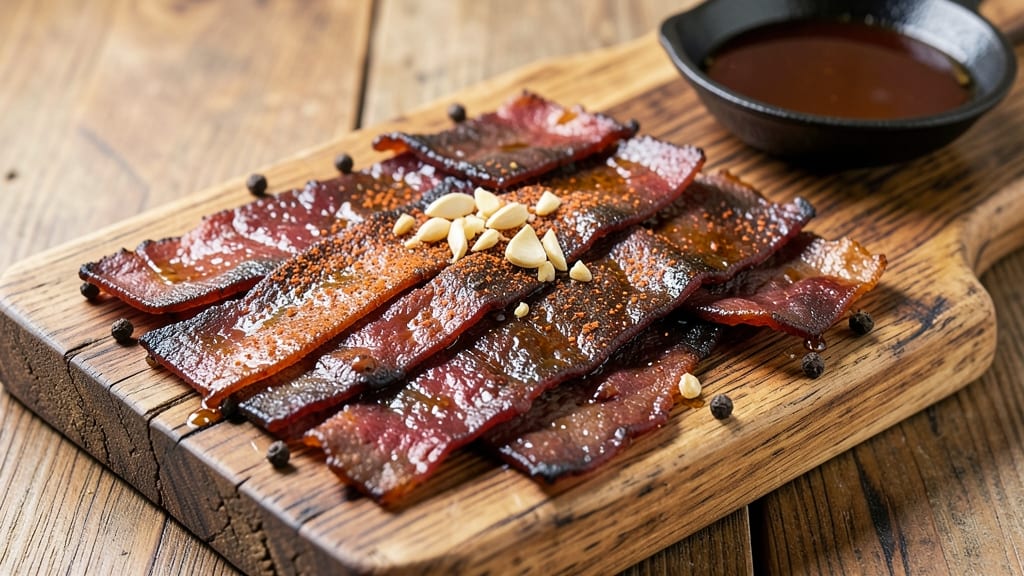
This Australian beef jerky recipe delivers the perfect balance of smoky-sweet flavors that make every bite irresistibly crunchy. 🔥 The secret lies in using lean cuts like sirloin or rump, marinated in a blend of Worcestershire sauce, garlic, and native spices that create an authentic Aussie taste profile.
I've perfected this method over years of experimentation to ensure your jerky turns out tender yet firm with that satisfying snap.
The process begins with careful preparation—trimming fat, slicing against the grain, and marinating for at least 12 hours to let the flavors penetrate deeply.
Whether you choose to dry it in your oven, a dehydrator, or even a smokehouse, the key is maintaining a consistent temperature of 160°F to achieve that ideal texture.
This isn't just jerky; it's a protein-packed snack that's perfect for camping trips, hiking adventures, or as a healthy alternative to processed snacks.
What sets this recipe apart is the smoky-sweet spice blend that transforms ordinary beef into something extraordinary. The combination of garlic, black pepper, and a touch of native Australian flavors creates a depth of taste that keeps you reaching for more.
Once properly dried, your jerky will have that signature long-lasting crunch while staying tender enough to enjoy with every bite.
Store your homemade jerky in an airtight container in the fridge for up to 2 weeks or freeze for extended shelf life. This recipe isn't just about making jerky—it's about creating a snack that's worth sharing and savoring. Let's get started on your journey to perfect Australian-style beef jerky!
Ingredients for australian beef jerky
Lean beef, bold spices, and a smoky-sweet marinade—this is your Aussie jerky game-changer!
| Ingredient | Amount | Notes |
|---|---|---|
| Lean Beef (Sirloin or Rump) 🥩 | 2 lb | Trimmed of fat and visible connective tissue |
| Worcestershire Sauce 🍶 | ½ cup | High-quality, full-bodied sauce |
| Garlic Cloves 🧄 | 6 cloves | Minced finely for deep flavor infusion |
| Brown Sugar 🍚 | ½ cup | Light or dark, packed firmly |
| Smoked Paprika 🌶️ | 2 tbsp | For that signature Aussie smokiness |
| Ground Black Pepper 🌶️ | 2 tbsp | Freshly cracked for maximum punch |
| Salt 🧂 | 1 ½ tbsp | Kosher or sea salt preferred |
| Lemon Juice 🍋 | ¼ cup | Freshly squeezed for brightness |
| Olive Oil 🫒 | 2 tbsp | Extra-virgin for richness |
| Ground Cinnamon 🌿 | ½ tsp | For subtle warmth |
| Ground Coriander 🌿 | 1 tsp | Earthy depth to the blend |
| Baking Soda 🧪 | ¼ tsp | Tenderizes the meat |
The beef is everything here—sirloin or rump are your best bets for that perfect lean-to-fat ratio. Grab the pre-cut steaks from Costco or your butcher counter if you're feeling fancy, but the regular supermarket packages work too. Look for cuts with good marbling but minimal fat—you want flavor without greasiness. Trim any visible fat or silver skin before slicing. Pro tip: slice against the grain for that signature chewy-yet-crunchy texture. And trust me, baking soda is non-negotiable—it tenderizes the meat and helps create that perfect snap.
No Worcestershire sauce? A mix of soy sauce and a splash of vinegar gets you close, though you'll lose some depth. Fresh garlic is ideal, but jarred minced garlic works in a pinch—just drain it well. The brown sugar can be swapped for white sugar if that's what you've got, but it'll be slightly less rich. For extra smokiness, add a pinch of liquid smoke (about ½ tsp) to the marinade. And if you're worried about the baking soda, don't be—it dissolves completely and won't leave any aftertaste. The lemon juice? Fresh is key—bottled just won't cut it here.
Marinate the beef for at least 12 hours (overnight is best) to let those flavors soak in deep. Once dried, your jerky will keep in an airtight container in the fridge for up to 2 weeks—though it's usually gone long before that. For longer storage, freeze for up to 6 months. The key to perfect jerky? Consistent drying—whether you use your oven, a dehydrator, or even a smokehouse, keep that temp steady at 160°F. And if you make extra? Portion into snack-sized bags for easy grab-and-go treats.
Why You'll Love This Recipe
- I swear by this combo: the smoky depth of paprika, the sweet caramel from brown sugar, and that umami punch from Worcestershire—it’s the kind of flavor that sticks with you. Honestly, the garlic cloves roasted right into the mix? That’s the secret weapon.
- Five-Ingredient Magic: I swear by this combo: the smoky depth of paprika, the sweet caramel from brown sugar, and that umami punch from Worcestershire—it’s the kind of flavor that sticks with you. Honestly, the garlic cloves roasted right into the mix? That’s the secret weapon.
- Oven-Dry Simplicity: No dehydrator? No problem. My trusty oven does the job just fine—set it low, let it run for hours, and you’ve got crispy, chewy perfection with zero fuss. Between us, it’s the kind of recipe that lets you multitask: slice the beef, toss it in the marinade, and walk away.
- Snack Attack Ready: This jerky isn’t just for hiking—it’s my go-to for lazy afternoons, post-workout bites, or even packed in lunches. The kids grab it straight from the fridge, and my husband sneaks it when he thinks I’m not looking. (Yes, even on a Tuesday night.)
Step-by-step instructions for Australian beef jerky
Ready to make jerky with bold Aussie flavors? Here's how to create tender, smoky-sweet strips that'll last for weeks.
👨🍳 Step 1: Prep the Beef for Maximum Tenderness
Start by slicing the 2 lb lean beef (sirloin or rump) against the grain into ¼-inch thick strips. I use a sharp boning knife for clean cuts—this prevents tearing and ensures even drying. Place the strips in a large bowl and add the 0.25 tsp baking soda. This alkaline ingredient breaks down muscle fibers, making the jerky more tender. Let it sit for 30 minutes, stirring occasionally, until the beef looks slightly softened.
While that works, drain any excess liquid and pat the strips dry with paper towels. Moisture is the enemy of jerky—it creates a gummy texture instead of that perfect chewy crunch. Here's the thing—don't skip this drying step. Even a little moisture will ruin your jerky's texture.
🍳 Step 2: Create the Signature Aussie Marinade
In a separate bowl, whisk together the 0.5 cup Worcestershire sauce, 0.5 cup brown sugar, 0.25 cup lemon juice, 2 tbsp olive oil, 6 cloves minced garlic, 0.5 tsp ground cinnamon, 1 tsp ground coriander, 2 tbsp smoked paprika, 2 tbsp ground black pepper, and 1.5 tbsp salt. This marinade is where all the magic happens—the smoky-sweet balance that makes Aussie jerky so special.
I like to use a whisk for this step to fully dissolve the brown sugar and create a smooth, cohesive marinade. The lemon juice adds brightness that cuts through the richness, while the cinnamon and coriander add that subtle earthy depth. Pour this marinade over the beef strips and massage it in with your hands, making sure every piece is thoroughly coated. Let it marinate for at least 4 hours (overnight is even better) in the refrigerator.
🔥 Step 3: Dry the Jerky to Perfect Chewiness
Preheat your dehydrator to 160°F—this low temperature ensures the jerky dries slowly and evenly without cooking the outside while leaving the inside raw. Arrange the marinated beef strips on the dehydrator trays, leaving about ½ inch between each piece for proper air circulation. The reason we don't crowd them is that moisture needs to escape freely, and too many pieces will create steam instead of dryness.
Dehydrate for 6-8 hours, checking periodically. You're looking for jerky that's dry to the touch but still flexible—it should bend slightly but not snap. If you're using an oven instead, prop the door open with a wooden spoon and bake on the lowest setting (usually around 170°F) for 4-6 hours, again checking for flexibility. The jerky is ready when it's completely dry but still holds its shape when bent.
⏰ Step 4: Rest and Store for Long-Lasting Crunch
Once the jerky reaches your desired dryness, transfer it to a clean cutting board and let it cool completely. This resting period allows any remaining moisture to evaporate and the flavors to meld together. I usually let it sit for 30-60 minutes before storing, which makes a world of difference in texture.
Store your finished jerky in an airtight container in the refrigerator for up to 2 weeks or freeze for 3 months. The key to long storage is keeping it completely dry—any moisture will cause it to spoil. When you're ready to eat, let it come to room temperature for 10 minutes before enjoying. The flavor will be more developed and the texture perfectly chewy—not too tough, not too soft.
Pro Tips For Making Australian Beef Jerky
- FREEZE THE GARLIC: I used to just mince fresh garlic and slap it on the meat—big mistake. Freeze the minced garlic for 20 minutes first, then mix it with the Worcestershire and brown sugar. The cold garlic clings to the beef instead of sliding off, and it adds a sharper kick that doesn’t cook out. (Yes, this is weird, but it works.)
- SALT THE MEAT TWICE: Don’t just season the beef once before drying. After slicing thin, give it a quick rub with coarse salt, let it sit for 10 minutes, then pat dry again. The first salt draws out moisture, and the second ensures the Worcestershire and paprika stick. I learned this the hard way—my first batch tasted like a sad marinade instead of jerky.
- USE A MEAT THERMOMETER: Jerky’s done at 160°F (71°C) internal temp, not by time. I used to pull it when it looked dry, only to have it still raw inside—yuck. A cheap thermometer takes the guesswork out. Stick it in the thickest slice, and when it hits that temp, you’re golden. No more undercooked chewiness.
- DRIZZLE SUGAR LAST: Mixing brown sugar into the marinade too early makes it stick like glue, turning your jerky into a sticky mess. Instead, brush on a thin layer of dissolved sugar right before dehydrating. It caramelizes faster and gives that classic Australian sweet-smoky flavor without turning your dehydrator into a syrup factory. (Trust me, I’ve cleaned that out.)
Storing and reheating your leftovers
Fridge Storage Secrets
Your freshly made jerky will stay fresh in the fridge for up to 2 weeks if stored properly. I always use glass airtight containers with silicone seals—Ball Mason jars work perfectly for this.
The key is complete dryness before sealing: any moisture will cause mold. Let the jerky cool completely before storing, and pack it in single layers to prevent crushing. 💫
Freezer Longevity
For extended storage, freeze your jerky for up to 3 months without quality loss. I recommend vacuum-sealing in quart-sized bags using a FoodSaver machine, but even regular freezer bags work if you squeeze out all air.
Portion into snack-sized bags for easy grab-and-go meals. The freezer's cold temperatures preserve both flavor and texture perfectly.
Reheating Like a Pro
While jerky is best enjoyed at room temperature, you can gently warm it for 10-15 seconds in the microwave if you prefer. I use 50% power to avoid drying it out further. For oven warming, place on a baking sheet at 200°F for 2 minutes max.
Never reheat if it shows any signs of moisture—this is a safety hazard and will ruin the texture. 🔥
Texture Check
Before storing or reheating, always do the "bend test": your jerky should bend slightly but not snap. If it's still flexible, it needs more drying time.
If it snaps immediately, it's over-dried and will be tough. The perfect jerky should have that satisfying chewy-yet-crunchy texture that makes every bite worth it.
Portion Control
Divide your jerky into ounce-sized portions before storing—this makes it perfect for snacks on the go. I use small glass jars or resealable snack bags for individual servings.
This also helps prevent freezer burn by minimizing air exposure. Label each portion with the date to track freshness—your jerky will stay at peak quality this way. ✨
Shelf Life Tips
If you notice any white powdery residue on your stored jerky, this is just crystallized salt from the marinade—completely safe to eat. For extra freshness, store with a small piece of apple slice in the container to absorb any remaining moisture.
And remember: jerky's flavor actually improves slightly over time as the spices meld together. 💪
Nutrition facts
Frequently asked questions
What's the best beef cut for authentic Australian jerky?
Use sirloin or rump roast for the perfect lean-to-fat ratio. These cuts stay tender while drying and develop that signature chewy texture. Avoid fatty cuts like ribeye—they'll turn greasy rather than crispy. Trim all visible fat before slicing for best results.
Can I make this without a dehydrator?
Use your oven set to 160°F with the door slightly open (prop with a wooden spoon). Arrange strips on a wire rack over a baking sheet for even airflow. Check after 4 hours—it may take 6-8 hours total. The key is patience and low heat to prevent overcooking.
Why does my jerky turn out too tough?
Over-drying is the #1 cause. Test with the "bend test"—jerky should bend slightly but not snap. If it's too stiff, it needs more marinating time (12+ hours) and thinner slicing (¼-inch max). Also ensure your drying temperature stays at 160°F—higher temps cook the meat rather than dehydrate it.
How do I add Australian flavors without special ingredients?
Skip the hard-to-find spices and focus on the core flavors: Worcestershire sauce (for umami), smoked paprika (for smokiness), and lemon juice (for brightness). Add ½ tsp liquid smoke if available, or use extra garlic and black pepper for depth. The brown sugar creates that signature caramelized sweetness.
Is it safe to eat jerky straight from the dehydrator?
Yes, but let it cool completely first. The internal temperature should reach 160°F during drying, which kills bacteria. However, always check for flexibility—if it's still damp inside, continue drying. Store in an airtight container within 2 hours of cooling to prevent moisture absorption.