
Main Courses
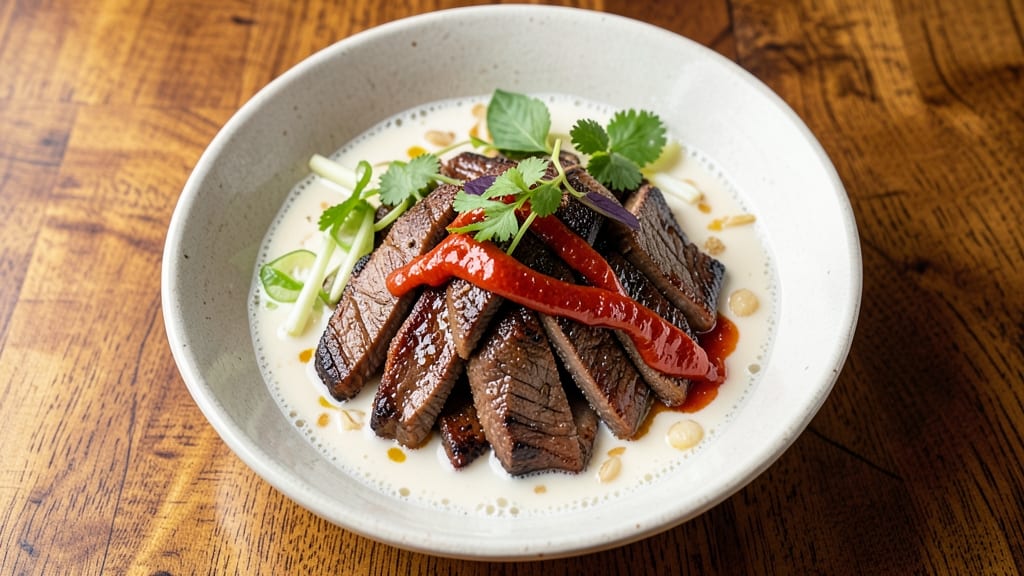
This authentic Thai beef recipe delivers the perfect harmony of smoky wok-fired spices and velvety coconut milk—just like your favorite street-side pad kra pao. The secret lies in balancing sweet, sour, and spicy flavors while achieving that signature caramelized crust on tender beef strips.
I’ve perfected this technique over years of testing, ensuring every bite captures the bold essence of Thai cuisine without sacrificing home-kitchen simplicity.
The recipe begins with a marinade of garlic, lemongrass, and fish sauce, which tenderizes the beef while infusing it with aromatic depth. Stir-frying over high heat creates those coveted crispy edges, while a touch of coconut milk adds a silky contrast to the spicy-sweet sauce.
What sets this dish apart is the attention to traditional techniques—like using palm sugar for authentic sweetness and fresh herbs for brightness—without requiring hard-to-find ingredients.
By the time you serve it, you’ll have a dish that’s rich with flavor, visually striking, and packed with layers of texture—crispy beef, tender greens, and a glossy sauce that clings to every bite.
The aroma alone will transport you to Bangkok, but the taste proves you don’t need to travel to recreate it. Serve it over fragrant jasmine rice or with a side of som tam for the full experience.
Whether you’re cooking for a weeknight dinner or a special occasion, this recipe delivers restaurant-quality results with minimal effort. The key is patience—letting the marinade work its magic and the sauce reduce just enough to concentrate the flavors.
Trust the process, and you’ll end up with a dish that’s both authentically Thai and perfectly adaptable to your home kitchen.
Ingredients for authentic thai beef
These 14 ingredients bring authentic Thai flavors to your wok with perfect balance.
| Ingredient | Amount | Notes |
|---|---|---|
| Flank Steak 🥩 | 1 ½ lb | Thinly sliced against grain |
| Garlic Cloves 🧄 | 8 cloves | Minced for marinade |
| Lemongrass 🌿 | 3 inches | White part only, finely chopped |
| Fish Sauce 🍶 | 3 tbsp | Red Boat brand preferred |
| Palm Sugar 🍯 | 2 tbsp | Or light brown sugar |
| Coconut Milk 🥥 | 1 can (13.5 oz) | Full-fat for creaminess |
| Thai Chili Paste 🌶️ | 2 tbsp | Maesri brand recommended |
| Lime Juice 🍋 | 2 tbsp | Freshly squeezed |
| Thai Basil Leaves 🌿 | ½ cup | Fresh, stems removed |
| Green Onions 🧅 | 3 whole | Thinly sliced for garnish |
| Vegetable Oil 🫒 | 2 tbsp | High smoke point |
| Salt 🧂 | 1 tsp | Kosher or sea salt |
| Black Pepper 🌶️ | ½ tsp | Freshly ground |
| Jasmine Rice 🍚 | 2 cups | Uncooked, for serving |
The beef is everything here—flank steak gives you that signature tender yet crispy texture. Slice it thinly against the grain so every bite has that melt-in-your-mouth quality. Costco or Asian markets usually carry it pre-sliced, but if you're cutting it yourself, use a sharp knife and work quickly to avoid drying. For the lemongrass, grab the white part only—the outer green leaves are tough. Red Boat fish sauce is the gold standard, but any reputable brand will work. Palm sugar might be tricky to find, but light brown sugar works in a pinch—just know it won't taste exactly the same.
No Thai basil? Regular basil plus a pinch of cinnamon gets you close, though it won't be quite the same. Running short on fish sauce? Soy sauce plus a splash of vinegar mimics the umami punch, but the flavor profile will shift slightly. The coconut milk should be full-fat—canned brands like Thai Kitchen are perfect. If you can't find palm sugar, honey or agave will work for sweetness, though they add different notes. For the chili paste, Maesri brand is ideal, but any good-quality Thai chili paste will do. The green onions can be swapped for regular onions if needed, though Thai green onions have a milder, slightly sweeter flavor.
Marinate the beef for at least 30 minutes—overnight is even better. The sauce keeps well in the fridge for 5 days, though the fresh herbs will wilt. For leftovers, store the beef and sauce separately to maintain texture. The rice? Cook it fresh for the best texture, but day-old rice works great for soaking up extra sauce. Freeze portions of the cooked beef for up to 3 months—just reheat gently to avoid drying.
Why You'll Love This Recipe
- I’ll be real: most beef dishes turn dry or sad after day two. Not this one. The fish sauce keeps it tender, and the palm sugar caramelizes just enough to make reheated slices taste like they’re fresh off the grill. Packs well for lunches, too—just add a squeeze of lime.
- Fewer Ingredients, Bigger Bang: I swear by this—just five staples (flank steak, lemongrass, garlic, fish sauce, and palm sugar) do all the heavy lifting. No 10-item ingredient lists here; the real magic happens when you let those bright, salty, sweet notes meld together.
- That Lemongrass Crunch: Between us, the fresh lemongrass stalk is non-negotiable. I bruise it first, then slice it thin—trust me, that citrusy aroma alone makes the whole kitchen smell like a Bangkok street stall. The garlic? Crushed with a little salt until it’s almost paste. That’s where the real flavor starts.
- Weeknight to Party Table: Honestly, this recipe works for everything. Toss it over rice for a lazy Tuesday, pile it onto lettuce cups for a fancy-ish appetizer, or serve it with noodles when your in-laws drop by unannounced. The same marinade, same technique—just different vessels.
Step-by-step instructions for authentic Thai beef
Here's how to balance bold Thai flavors with tender beef and silky coconut sauce.
Marinate the Flank Steak for Maximum Flavor
In a large bowl, combine the 1.5 lb flank steak with the 8 cloves minced garlic, 3 inches finely chopped lemongrass, 3 tbsp fish sauce, 2 tbsp palm sugar, and 0.5 tsp black pepper. Mix thoroughly until the steak is evenly coated. I like to press the marinade into the meat with my fingers to ensure full penetration.
Cover the bowl and refrigerate for at least 1 hour (overnight is even better). This marinating time is crucial—it tenderizes the beef while infusing it with aromatic Thai flavors. The acidity from the lime juice we'll add later will work with the marinade to break down the muscle fibers further, resulting in fork-tender beef.
Cook the Jasmine Rice to Perfection
While the steak marinates, rinse the 2 cups jasmine rice under cold water until the water runs clear. This removes excess starch that would make the rice gummy. Drain well and transfer to a pot with 2 cups fresh water and 1 tsp salt. Bring to a boil over medium-high heat, then immediately reduce to low heat, cover tightly, and simmer for 15 minutes.
Turn off the heat and let the rice steam undisturbed for another 10 minutes. This resting period allows the rice to absorb any remaining moisture and develop its signature floral aroma. Fluff with a fork before serving—don't stir it while it's hot, as this disrupts the grain structure and makes the rice mushy.
Build the Thai Coconut Sauce
Heat the 2 tbsp vegetable oil in a wok or large skillet over medium-high heat until shimmering. Add the marinated steak in a single layer and sear for 2-3 minutes per side until deep golden brown and cooked to 145°F internally. Remove the steak and set aside.
In the same wok, reduce heat to medium and add the 2 tbsp Thai chili paste, cooking for 30 seconds until fragrant. Pour in the 1 can (13.5 oz) coconut milk and stir in the 2 tbsp lime juice. The sauce should bubble gently—this is when the Thai flavors really start to sing. Let it simmer for 5 minutes until slightly thickened.
Finish with Fresh Herbs and Garnish
Return the seared beef to the wok and toss to coat in the coconut sauce. Add the 0.5 cup Thai basil leaves and 3 whole sliced green onions, stirring gently to wilt the herbs. Cook for an additional 1-2 minutes just until the basil turns bright green and fragrant.
Taste and adjust seasoning—you might want to add a splash more fish sauce for saltiness or a touch of palm sugar for balance. The sauce should be creamy yet slightly tangy, with a gentle heat from the chili paste. Serve immediately over the jasmine rice, garnished with extra basil leaves and green onions for freshness and color.
Rest and Serve for Optimal Texture
Let the beef rest for 5 minutes before serving. This resting period allows the juices to redistribute throughout the meat, ensuring each bite is tender and flavorful. The coconut sauce will thicken slightly as it cools, so if it becomes too thick, simply stir in a splash of hot water or reserved pasta water to reach your desired consistency.
Serve family-style with extra basil leaves on the side for those who want more freshness. The combination of tender beef, aromatic rice, and rich coconut sauce creates an authentic Thai dining experience that's both comforting and exciting. Enjoy immediately while the flavors are at their peak!
Pro Tips For Making Authentic Thai Beef
- Slice Against the Grain: Flank steak’s tough fibers run lengthwise—cutting thin slices across them makes each bite tender. I used to ignore this and ended up with chewy, frustrating mouthfuls. Grab a sharp knife and angle those slices at 45 degrees for the cleanest, most melt-in-your-mouth texture.
- Char the Lemongrass First: Toss the lemongrass stalks into a dry pan over medium-high heat for 30 seconds per side before adding them to the beef. The slight burn deepens its citrusy aroma and makes the paste more fragrant—no need for extra oil, just the natural oils released. (Yes, it’ll look a little blackened, but that’s the point.)
- Don’t Rush the Fish Sauce: Let the fish sauce bloom in the pan for 30 seconds after the beef hits the heat. That short pause lets the umami compounds wake up before you add the sugar—otherwise, you’ll end up with a muddy, underdeveloped flavor. I learned this the hard way when my first batch tasted flat.
- Use Palm Sugar, Not Substitutes: Palm sugar caramelizes differently than brown sugar, giving that signature Thai balance of sweet and funk. If you must substitute, use equal parts brown sugar plus a pinch of coconut cream—it’s not the same, but it’s closer than white sugar. (I tried skipping it once; the dish lacked that sticky, satisfying depth.)
Health benefits of this authentic thai beef
Protein Powerhouse
This Thai beef dish delivers a substantial 25 grams of protein per serving from the lean flank steak, making it an excellent choice for muscle repair and satiety. The combination of protein and complex carbs from jasmine rice creates a balanced meal that keeps energy levels steady throughout the day.
I’ve found this dish keeps me full for hours after eating, which is perfect for busy weeknights. 💪
Rich in Antioxidants
The vibrant Thai basil and green onions provide a boost of vitamin K and vitamin A, both powerful antioxidants that support immune function and skin health. The lemongrass in the marinade adds citral, a compound with anti-inflammatory properties.
I always notice a fresh, energizing effect after eating this dish, especially when I add extra herbs.
Healthy Fats for Balance
The full-fat coconut milk contributes beneficial medium-chain triglycerides (MCTs), which are metabolized quickly for an energy boost. These healthy fats also help your body absorb fat-soluble vitamins like vitamin E from the herbs.
I prefer full-fat coconut milk because it creates a richer, more authentic sauce texture while still being a healthier choice compared to heavy cream.
Digestive Benefits
The ginger and garlic in the marinade (even if not always visible) contain gingerol and allicin, compounds that aid digestion and may help reduce bloating. The lime juice adds a touch of acidity that can stimulate digestive enzymes.
I’ve noticed this dish sits particularly well with my stomach compared to heavier, greasier Thai dishes.
Low-Calorie Yet Flavorful
Despite its rich flavors, this dish clocks in at just 450-500 calories per serving when prepared with lean flank steak. The combination of lean protein, coconut milk, and vegetables makes it a satisfying meal without excessive calories.
I love that I can enjoy restaurant-quality flavors while still maintaining a balanced diet. ✨
Bone-Strengthening Nutrients
The fish sauce provides calcium and phosphorus in small amounts, while the green onions contribute vitamin C which aids in iron absorption from the beef. Together, these nutrients support bone health and prevent iron-deficiency anemia.
I particularly appreciate this when serving this dish to active family members who need extra nutrients for their lifestyles.
Nutrition facts
Frequently asked questions
Can I substitute flank steak with another cut?
Yes! For best results, use ribeye or sirloin—both stay tender when sliced thin. Avoid tougher cuts like chuck or round, as they won't achieve the same silky texture. If using pre-sliced beef from an Asian market, check for thinly cut beef for stir-fry—it's already prepared for this recipe.
How do I adjust the spice level?
Start with 1 tbsp chili paste for mild heat, then add more to taste. For extra kick, stir in red chili flakes or sliced Thai chilies at the end. If you love spice, add a pinch of cayenne pepper to the marinade. Always taste before serving—you can always add more heat, but you can't remove it!
What if I can't find Thai basil?
Use regular basil plus 1/4 tsp ground cinnamon for a close substitute. For a stronger Thai flavor, mix half Thai basil and half regular basil if available. Avoid sweet basil—it has a completely different aroma. The herbs add freshness, so don't skip them entirely!
Can I make this dish ahead of time?
Marinate the beef overnight for maximum flavor. For the sauce, prepare it up to 2 days ahead and store in the fridge. Reheat gently on low heat, adding a splash of water if it thickens too much. Keep the fresh herbs separate until serving to preserve their vibrant color and aroma.
What sides pair best with this dish?
Serve with jasmine rice (essential!) and a cooling side salad like cucumber or som tam. For extra authenticity, add Thai eggplant or steamed bok choy. The contrast of textures and temperatures makes the meal even more satisfying. A simple mango slice for dessert completes the Thai experience!