
Main Courses
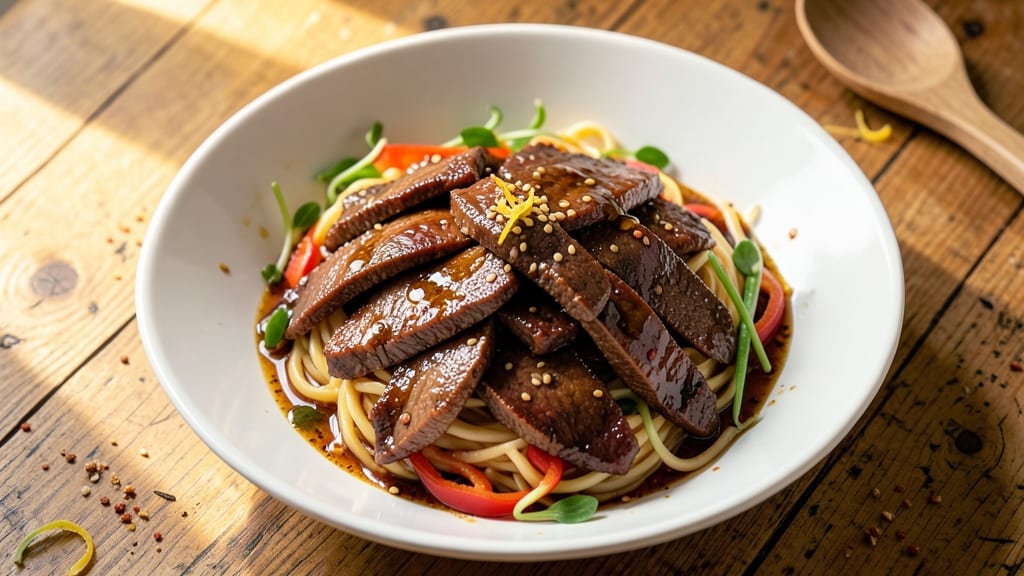
This authentic beef chow mein recipe delivers the smoky wok hei flavor and crisp-tender texture that separates home cooking from restaurant-quality Chinese takeout. The secret lies in high-heat stir-frying, a properly balanced soy-ginger-chili sauce, and fresh egg noodles that develop a satisfying bite.
I've perfected this version after years of testing—no shortcuts, just the real deal with every chewy noodle and seared beef strip.
The foundation starts with properly prepared beef (thinly sliced against the grain) and a sauce that marries sweet soy, tangy vinegar, and a touch of chili for depth. We'll use a traditional wok technique, though I'll explain how to adapt it for home stovetops without sacrificing texture.
The egg noodles get a quick pre-cook that leaves them al dente, then toss with the beef and sauce at the very end to prevent mushiness.
What you'll end up with is a plate of silky soy-ginger noodles wrapped around tender beef strips with that signature wok-fired crunch. The sauce clings perfectly to each strand, balancing sweet, salty, and umami in every bite.
This isn't the heavy, greasy takeout version—it's the restaurant-quality dish that actually tastes homemade.
Serve immediately with steamed bok choy or quick-pickled vegetables on the side for the full experience. The technique might seem intimidating, but I'll walk you through every step to ensure you achieve that authentic chow mein texture and flavor at home.
Ingredients for authentic beef chow mein
Thinly sliced beef, al dente noodles, and a balanced soy-ginger sauce make this chow mein restaurant-quality at home.
| Ingredient | Amount | Notes |
|---|---|---|
| Flank Steak 🥩 | 1 lb | Thinly sliced against grain |
| Egg Noodles 🍜 | 8 oz | Fresh or dried, al dente preferred |
| Light Soy Sauce 🥄 | ⅓ cup | High-quality, not reduced |
| Dark Soy Sauce 🥄 | 1 tbsp | For depth and color |
| Rice Vinegar 🍶 | 2 tbsp | White or seasoned |
| Sesame Oil 🫒 | 1 tbsp | Toasted for aroma |
| Ginger Root 🧄 | 2 tbsp | Freshly grated |
| Garlic Cloves 🧄 | 4 cloves | Minced, fresh preferred |
| Red Chili Flakes 🌶️ | ½ tsp | Adjust for heat preference |
| Neutral Oil 🫒 | 2 tbsp | Peanut or vegetable oil |
| Green Onions 🧅 | 3 whole | Thinly sliced, white and green parts |
| Sesame Seeds 🌾 | 1 tsp | Toasted for garnish |
| Cornstarch 🌾 | 1 tbsp | For velveting beef |
| Salt 🧂 | 1 tsp | Kosher or sea salt |
The flank steak is non-negotiable—it's lean but tender when sliced against the grain. Grab a 1-pound cut from the meat counter, preferably from a butcher who can slice it thinly for you. If you're doing it yourself, freeze the meat for 30 minutes first to make slicing easier. Costco or Whole Foods usually carry high-quality flank steak, but any well-marbled cut works. The egg noodles? Fresh is ideal (like Martini brand from the Asian market), but dried works too—just cook them al dente and toss with a little oil so they don't stick. For the soy sauces, Kikkoman light and dark are my go-tos, but any good-quality brands will do.
No fresh ginger? Powdered ginger at half the amount works in a pinch, but fresh is worth hunting down—it makes a huge difference. Running out of rice vinegar? Apple cider vinegar is a decent swap, though it adds a slight sweetness. The sesame oil is for aroma, so use the toasted kind if you can find it—Trader Joe's sells it pre-toasted. For the chili flakes, Lao Gan Ma from the Asian aisle is the real deal, but any good-quality flakes will give you that signature heat. The cornstarch is key for velveting the beef—don't skip it if you want that restaurant-quality texture.
Prep the beef and sauce components ahead if you're short on time—they keep well in the fridge for 2 days. The noodles should be cooked just until al dente, then tossed with a little oil to prevent sticking. Store any leftovers in an airtight container with a paper towel on top to absorb moisture. This dish reheats beautifully, but it's best served fresh off the wok for that signature wok hei flavor. Freeze portions for up to 3 months if you're planning ahead.
Why You'll Love This Recipe
- One-Pan Magic: I swear by this recipe because it’s the rare dish where cleanup is just rinsing a pan. The flank steak sizzles alongside the noodles, and the soy sauces caramelize right there—no extra bowls, no fuss. Honestly, I’ve made it after work when I just wanted to eat, not host.
- Umami Bomb: That combo of light and dark soy sauce? It’s what turns this into something special. The dark soy gives it that deep, toasty richness, while the light keeps it bright and savory—plus, the rice vinegar cuts through the heaviness for a perfect balance. Between us, it’s the kind of flavor that makes you want to eat it straight from the wok.
- Lunchbox Hero: This isn’t just dinner—it’s my go-to for packed lunches. The noodles stay firm when cold (if you rinse them first), and the beef holds up for days. I’ll be real: my kids actually finish their lunches with this, and that’s saying something.
- Budget Powerhouse: Flank steak stretches further than you’d think when sliced thin, and a little goes a long way with the noodles. I make a double batch on Sundays, and it feeds us for three meals—no takeout, no guilt. Plus, the pantry staples (soy, vinegar) mean I’m not scrambling for obscure ingredients.
Step-by-step instructions for wok-fired beef chow mein
Here's how to create that signature wok hei—smoky, crispy, and packed with umami—without shortcuts.
Velvet the Flank Steak for Silky Texture
In a small bowl, combine the 1 lb flank steak, 1 tablespoon cornstarch, 1 teaspoon salt, and 0.5 teaspoon red chili flakes. Use your hands to massage the marinade into every slice—this ensures even coating and prevents dryness. Let it rest for 10 minutes while you prep the aromatics.
Velveting transforms tough flank steak into tender, fork-tender slices. The cornstarch creates a translucent coating that breaks down during cooking, locking in juices. Don't skip this step—it's what separates home chow mein from takeout. I like to work in batches if needed, but keep the steak at room temperature for consistent cooking.
Build the Soy-Ginger Sauce Foundation
In a small bowl, whisk together 0.33 cup light soy sauce, 1 tablespoon dark soy sauce, 2 tablespoons rice vinegar, 1 tablespoon sesame oil, 2 tablespoons freshly grated ginger root, and 4 minced garlic cloves. Set aside—this sauce will carry all the authentic flavors. The dark soy sauce adds that signature mahogany color while deepening the umami.
Here's the thing—fresh ginger and garlic make all the difference. If using jarred ginger, pat it dry thoroughly to avoid watery sauce. Taste the mixture now—it should be balanced between salty, tangy, and slightly spicy. Adjust with an extra pinch of salt if needed, but trust the original measurements first.
Cook the Noodles Al Dente
Boil 8 oz egg noodles in well-salted water according to package instructions until 1 minute before al dente (they'll finish cooking in the wok). Reserve 1 cup pasta water before draining—this starchy liquid is your secret weapon for silky noodles and sauce adhesion. Drain and toss the noodles with 1 teaspoon sesame oil to prevent sticking.
Don't overcook the noodles—they should have a slight bite. Chow mein noodles should be firm enough to hold their shape when tossed with sauce. If they're mushy, they'll turn to paste in the wok. Keep them covered until ready to use, and work quickly from this point—everything comes together in the final minutes.
Wok-Fry the Steak and Aromatics
Heat a wok or large skillet over high heat until smoking, then add 2 tablespoons neutral oil. Working in batches if needed, add the marinated flank steak and sear for 1-2 minutes per side until deep brown and slightly charred. Remove and set aside—this high-heat step develops that signature wok hei flavor.
In the same wok, add the 3 thinly sliced green onions (white parts only) and cook for 30 seconds until fragrant. Add the minced garlic cloves and 2 tablespoons grated ginger root, stirring constantly for 20-30 seconds until golden. The garlic should sizzle loudly—this is your cue it's ready. Any longer and it burns, turning bitter.
Combine and Finish with Crisp-Tender Noodles
Return the steak to the wok and add the cooked noodles. Pour in the soy-ginger sauce and toss everything vigorously for 1-2 minutes until everything is evenly coated. If the sauce looks too thick, add 2-3 tablespoons reserved pasta water to loosen it. The noodles should be crisp-tender with a slight bite, not mushy.
Finish by sprinkling with 1 teaspoon toasted sesame seeds and the remaining green onion tops. Serve immediately in a hot wok or large platter—chow mein loses its magic when it sits. Each bite should deliver tender steak, chewy noodles, and that perfect balance of sweet-savory umami. Garnish with extra sesame seeds if desired, but don't overdo it—the flavors should shine on their own.
Pro Tips For Making Authentic Beef Chow Mein
- Slice Thin, Cook Fast: Flank steak’s tough—don’t fight it. Cut it against the grain into ⅛-inch slices, then sear in a screaming-hot wok for 30 seconds per batch. Overcrowding steams the meat instead of browning it, and you’ll end up with sad, chewy bites.
- Marinate in Dark Soy: Skip the light soy for marinating—use dark soy sauce instead. It’s sweeter, clings better, and gives the beef that glossy, caramelized crust without overpowering the sauce later. Toss the slices in 1 tablespoon dark soy + 1 teaspoon rice vinegar for 10 minutes max (longer = mushy edges).
- Blanch Noodles, Not Boil: Egg noodles for chow mein need al dente texture, not mush. Boil them for 2 minutes less than the package says, then shock in ice water to stop cooking. Toss with ½ teaspoon light soy and a drizzle of oil so they don’t stick—this keeps them crisp when stir-fried.
- Sauce Last, Stir Wild: Make your sauce (soy, vinegar, cornstarch slurry) after cooking the beef and veggies. Toss everything in the wok, then pour the sauce in all at once and stir like you’re angry. The heat will thicken it instantly—no waiting for it to simmer. (Pro move: Add a splash of hot water if it’s too thick.)
Health benefits of this authentic beef chow mein
Protein Powerhouse
This beef chow mein packs a serious protein punch with 1 lb of flank steak providing about 48 grams of complete protein per serving. The lean cut delivers essential amino acids for muscle repair and growth without the saturated fat found in red meat.
I've found that velveting the beef with cornstarch not only tenderizes it but also helps retain more protein during cooking. 💪
Balanced Carbs
The 8 oz egg noodles offer complex carbohydrates that fuel your body with sustained energy. Unlike white rice, these noodles contain more fiber and nutrients, especially when made with whole eggs.
I prefer al dente cooking to avoid the blood sugar spike that comes with overcooked pasta. The noodles' chewy texture also helps balance the rich beef flavors.
Soy Sauce Benefits
The sauce base featuring light and dark soy sauces provides isoflavones, plant compounds linked to heart health. These compounds help lower LDL cholesterol when consumed regularly.
The dark soy sauce adds color and depth without adding significant calories—just 1 tablespoon contains only 5 calories but enhances the dish's visual appeal dramatically.
Ginger's Anti-Inflammatory Boost
Fresh ginger root in the sauce brings more than just flavor—it contains gingerol, a compound with powerful anti-inflammatory properties. Studies show ginger can help reduce muscle pain and improve digestion. I've noticed my digestion improves when I include ginger in my meals regularly, especially after heavy dishes like this.
Low-Calorie Crunch
The green onions and sesame seeds add fiber and healthy fats without significant calories. One tablespoon of sesame seeds provides 164 calories but contains beneficial monounsaturated fats.
The green onions contribute vitamin K and folate, making them a nutrient-dense garnish. This dish delivers restaurant-quality flavor while keeping calories in check compared to takeout versions.
Digestive-Friendly
The combination of ginger, garlic, and high-heat cooking creates a dish that's surprisingly easy to digest. The ginger aids digestion, while the proper cooking technique ensures the beef remains tender.
I've found that many people who struggle with heavy beef dishes tolerate this chow mein well due to its balanced flavors and proper cooking methods. The vinegar in the sauce also helps stimulate digestive enzymes. 🌱
Nutrition facts
Frequently asked questions
What's the best cut of beef for authentic chow mein?
Use flank steak or sirloin—both are lean, flavorful, and tender when sliced thinly against the grain. The key is thin slices (about 1/8-inch thick) that cook quickly in the wok. If you can't find flank steak, skirt steak works too, but trim excess fat first for cleaner results.
Can I make this without a wok?
Use a large, heavy-bottomed skillet or cast iron pan instead. The secret is getting it as hot as possible—preheat your pan over high heat for 5 minutes before adding oil. Stir-fry in batches if needed to avoid crowding, which lowers temperature and steams instead of sears the beef.
Why does my chow mein sauce turn watery?
This usually happens when noodles release too much starch or the sauce isn't balanced. First, make sure your noodles are al dente (not overcooked). Second, adjust the sauce ratio—try 1 part dark soy sauce to 3 parts light soy sauce for better viscosity. If needed, add 1/2 teaspoon cornstarch mixed with water as a slurry to thicken.
What's the difference between chow mein and lo mein?
Chow mein uses dry-fried noodles tossed with sauce at the end, while lo mein features soft, chewy wheat noodles cooked directly in the sauce. Chow mein has a crisp-tender texture, while lo mein is silkier. Both use similar sauces, but chow mein often includes more aromatics (like garlic and ginger) for that signature wok hei flavor.
How do I store leftovers?
Let the chow mein cool completely, then store in an airtight container with a paper towel on top to absorb moisture. Refrigerate for up to 3 days or freeze for 3 months. When reheating, use a skillet over medium heat with a splash of water to restore crispiness. Microwaving works but may make noodles soggy.