
Main Courses
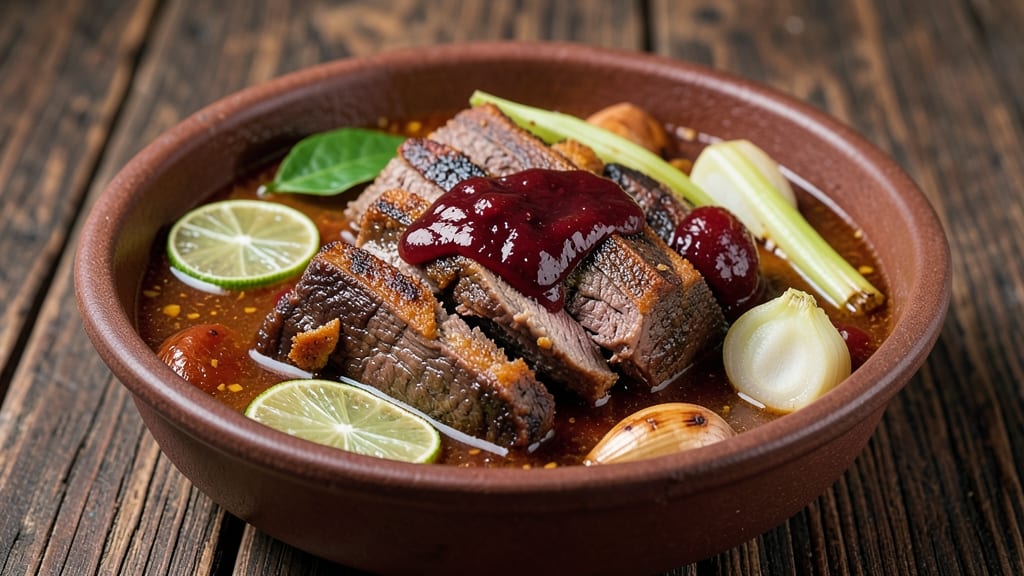
This authentic beef rendang recipe transforms tough beef into melt-in-your-mouth tenderness through slow-simmered spices that deepen into complex, caramelized perfection. 🌟 The secret lies in layering traditional Indonesian spices—galangal, kaffir lime, and tamarind—into a fragrant paste that infuses the meat over hours, creating a dish that tastes even richer the next day.
Unlike shortcut versions, this recipe follows the exact techniques used in West Sumatra: rendering beef fat to create a rich gravy, balancing sweet, sour, and savory notes, and achieving that signature caramelized sauce.
The process requires patience—six hours of gentle simmering—but the result is a dish so flavorful it becomes the centerpiece of any meal.
What makes this rendang truly authentic is the texture: fork-tender beef swimming in a thick, aromatic sauce that clings to every bite. The spices develop depth as they cook, transforming simple ingredients into something extraordinary. This is the version you’ll crave again and again.
Perfect for special occasions or when you want to impress, this rendang delivers restaurant-quality results at home. Let’s get started on creating a dish that carries the soul of Indonesia in every spoonful.
Ingredients for authentic beef rendang
Six hours of simmering transforms these 15 ingredients into restaurant-quality beef rendang.
| Ingredient | Amount | Notes |
|---|---|---|
| Beef Chuck Roast 🥩 | 3 lb | Cut into 2-inch cubes, marbling preferred |
| Galangal Root 🌿 | 1 piece | Fresh, peeled, sliced thinly |
| Kaffir Lime Leaves 🍋 | 4 whole | Stems removed, torn into strips |
| Tamarind Paste 🍯 | ½ cup | Unsweetened, high-quality |
| Ginger Root 🧄 | 2 tbsp | Freshly grated, aromatic |
| Garlic Cloves 🧄 | 8 cloves | Peeled, minced finely |
| Coconut Milk 🥥 | 2 cans | Full-fat, 13.5 oz each |
| Turmeric Powder 🌶️ | 1 tbsp | Bright yellow, freshly ground |
| Coriander Seeds 🌿 | 1 tbsp | Toasted lightly for aroma |
| Cumin Seeds 🌿 | 1 tbsp | Toasted, aromatic |
| Shallots 🧅 | 4 whole | Peeled, thinly sliced |
| Coconut Oil 🫒 | ½ cup | Unrefined, for rendering |
| Palm Sugar 🍯 | ¼ cup | Light brown, finely ground |
| Salt 🧂 | 1 ½ tsp | Diamond Crystal preferred |
| Black Peppercorns 🌶️ | 1 tsp | Freshly cracked |
The beef is non-negotiable—chuck roast with good marbling delivers the richest flavor and fork-tender texture. For galangal and kaffir lime leaves, Asian markets are your best bet, though some well-stocked grocery stores carry them. If you can't find fresh galangal, substitute ginger with a pinch of cardamom for depth. Tamarind paste should be thick and sticky; Thai Kitchen brand works reliably. Toast your whole spices (cumin, coriander) in a dry pan for 30 seconds before grinding—they'll add layers of aroma that define this dish. Palm sugar, found in the international aisle, is essential for that signature caramelized balance.
No galangal? Ginger plus a splash of lemongrass paste mimics its citrusy heat. Kaffir lime leaves can be swapped for bay leaves at half the amount, though the flavor won't be identical. Fresh turmeric root (grated) beats powder for vibrancy. For coconut milk, full-fat only—the richness is crucial. If you're short on time, pre-made rendang paste from Garam Masala brand saves 2 hours of prep, though homemade develops deeper complexity. The shallots should be thinly sliced; food processor makes quick work of it. For the sugar, brown sugar in a pinch, but palm sugar's molasses notes are irreplaceable.
This rendang tastes even better the next day as flavors meld. Store in an airtight container in the fridge for up to 5 days, or freeze portions for 3 months. The sauce thickens as it cools—add a splash of water or coconut milk when reheating. For serving, steamed jasmine rice is traditional, but it also pairs beautifully with crusty bread to soak up the sauce. Double the batch; it disappears faster than you'd expect. Leftovers reheat best in a low oven at 300°F to preserve moisture.
Why You'll Love This Recipe
- Same recipe, different vibes: dump it over rice for a lazy Tuesday or serve it on a platter with cucumbers for guests. The leftovers? Even better the next day—trust me, I’ve lived off this for three meals.
- Slow-Simmer Magic: The beef falls apart with just a fork—no overcooking, no guessing. That’s the galangal and tamarind working their slow, deep alchemy while you sip tea and let time do the work. (Between us, this is my "I don’t want to stand at the stove for hours" solution.)
- Flavor Bomb: The tamarind’s tang cuts through the richness, while the kaffir lime leaves add that bright, herbal punch. One bite and you’ll forget about takeout—this isn’t just "spicy"; it’s complex, like a hug in sauce form.
- Weeknight to Party: Same recipe, different vibes: dump it over rice for a lazy Tuesday or serve it on a platter with cucumbers for guests. The leftovers? Even better the next day—trust me, I’ve lived off this for three meals.
Step-by-step instructions for slow-simmered beef rendang
Master this traditional Indonesian technique where spices deepen into complex harmony over hours.
🔥 Step 1: Render the Spice Paste Until Fragrant
Heat the 0.5 cup coconut oil in a heavy Dutch oven over medium-low heat. Add the 4 whole shallots, 2 tbsp ginger root, and 8 cloves garlic cloves, cooking for 5 minutes until softened but not browned. This forms the aromatic base.
Add the 1 tbsp coriander seeds and 1 tbsp cumin seeds, toasting for 1 minute until fragrant. Immediately add the 1 tbsp turmeric powder, 1 piece galangal root, and 4 whole kaffir lime leaves, stirring constantly for 2 minutes to prevent burning. The paste should develop a deep golden color and intense aroma - this is your flavor foundation.
🍳 Step 2: Caramelize Palm Sugar for Depth
Increase heat to medium-high and add the 0.25 cup palm sugar. Stir continuously for 3-4 minutes until it melts and begins caramelizing, developing a rich amber color. This step creates the signature sweet-savory balance that defines authentic rendang.
Here's the thing - don't rush this. You want the sugar to develop a deep caramel aroma before adding liquid. If it crystallizes, add 1 tablespoon water to dissolve it completely. The sugar should coat the back of a spoon when you lift it from the pot.
🥘 Step 3: Build the Coconut Milk Reduction
Pour in the 2 cans coconut milk, scraping up any browned bits from the bottom. Bring to a gentle simmer and reduce for 15 minutes uncovered, stirring occasionally. The milk should reduce by about 30%, thickening noticeably and developing a creamy texture.
Add the 0.5 cup tamarind paste and 1.5 tsp salt, stirring until fully dissolved. The tamarind adds that signature tangy depth while balancing the richness. Taste the sauce now - it should be complex but not fully developed yet. This is where the magic happens during the long simmer.
⏰ Step 4: Braise the Beef Until Fork-Tender
Add the 3 lb beef chuck roast cut into 2-inch cubes, ensuring even distribution in the sauce. Return to a simmer, cover partially, and cook for 2 hours at 325°F. The beef should be tender enough to pierce with a fork but still firm to the touch.
Every 30 minutes, stir the beef gently to prevent sticking and ensure even cooking. The sauce should reduce further, becoming thicker and more concentrated. If it gets too thick, add 2-3 tablespoons water to maintain proper consistency. This long braising is non-negotiable - it's what creates the signature tender yet flavorful beef.
🔥 Step 5: Reduce and Deepen the Sauce
After the initial braising, uncover the pot and increase heat to medium-high. Simmer vigorously for 1-1.5 hours until the sauce reduces to a thick, glossy consistency that clings to the beef. The liquid should be nearly gone, leaving behind a concentrated spice paste.
Stir frequently during this final reduction to prevent burning. The sauce should coat the back of a spoon and have a deep, complex aroma with layers of spice, coconut, and caramelized sugar. The beef will darken slightly from the prolonged exposure to the spice paste - this is completely normal and actually enhances the flavor.
🍽️ Step 6: Finish and Serve with Traditional Accompaniments
Once the sauce reaches your desired consistency, remove from heat and let rest for 10 minutes. Crush the 1 tsp black peppercorns and fold them into the sauce just before serving. This final step adds a bright peppery finish that cuts through the richness.
Serve immediately with steamed jasmine rice and traditional accompaniments like sambal or cucumber slices. The beef should be fork-tender with a dark, caramelized exterior and a sauce that clings beautifully to each piece. Each bite should deliver layers of spice, coconut richness, and deep umami flavor that builds with every mouthful.
Pro Tips For Making Authentic Beef Rendang
- Blanch the Galangal First: I learned this the hard way—raw galangal stays tough and releases bitterness instead of aroma. Thinly slice it, then simmer in water for 5 minutes before adding to the rendang. The texture softens, and the flavor integrates smoothly into the coconut milk base.
- Sear the Beef in Batches: A crowded pan steams meat instead of searing it, and that’s how you end up with pale, flavorless chunks. Work in 2-3 batches over medium-high heat until deep brown—this locks in juices and builds the fond that caramelizes into the sauce.
- Strain the Paste Twice: Tamarind paste is messy, and clumps in the sauce make it look (and taste) uneven. After blending with spices, press the mixture through a fine-mesh sieve, then strain it again through cheesecloth. Yes, it’s tedious, but the result is silky, not gritty.
- Simmer on Low After 2 Hours: The first 2 hours of cooking are where all the deep flavors develop, but after that, patience pays off. Drop the heat to the lowest setting and let it bubble gently for another 3-4 hours—this is when the beef turns fork-tender and the sauce thickens naturally, not by evaporation.
Creative variations of this dish
Sumatran Home-Style
In West Sumatra, rendang is traditionally cooked for hours in a clay pot called a baja, which imparts subtle earthy notes.
For home cooks, use a heavy Dutch oven—I love my Le Creuset—and add a pinch of salted shrimp paste (terasi) to the spice paste for that unmistakable umami depth. The locals often finish their rendang with a splash of coconut cream to make the sauce even richer.
Trust me, this extra step transforms the dish into something truly special. 🌟
Vegetarian Adaptation
Swap the beef for extra-firm tofu pressed for 30 minutes or king oyster mushrooms sliced thickly. Marinate them in 1 tbsp soy sauce and 1 tsp grated ginger before adding to the sauce.
The mushrooms absorb the flavors beautifully, creating a hearty, meaty texture. For protein, add chickpeas or lentils—just ensure they're fully cooked before simmering. 💫
Spicy Heat Boost
For a fiery kick, add 1-2 tbsp sambal oelek (adjust to taste) during the final 30 minutes of cooking. If you love heat, blend 1 tbsp fresh chili peppers (like bird’s eye) with the tamarind paste before adding it to the pot.
For a smoky twist, include 1 tsp smoked paprika in the spice paste. Balance the heat with a squeeze of lime juice before serving—it brightens the dish beautifully. 🌶️
Slow Cooker Shortcut
For busy days, use a 6-quart slow cooker on LOW for 8 hours or HIGH for 5 hours. After rendering the spice paste in a skillet, transfer everything to the slow cooker and cook uncovered.
The sauce will thicken naturally, though you may need to reduce it further on the stovetop afterward. This method saves time without sacrificing depth—just don’t skip the long simmer! ⏰
Modern Fusion Twist
Add 1 cup diced pineapple in the last 30 minutes of cooking for a sweet-tangy contrast. Or, stir in 1 tbsp fish sauce (like Red Boat) for an umami punch.
For a creamy finish, swirl in 2 tbsp coconut yogurt before serving. These modern touches keep the dish exciting while staying true to the spirit of rendang. 💡
Regional Variations
In Padang, rendang is often made with goat meat instead of beef, giving it a gamier flavor. For a Minangkabau touch, add 1 stalk lemongrass (bruised) to the spice paste.
In Aceh, some versions include dried shrimp for extra depth. Each region tweaks the recipe slightly, but the core technique—slow simmering—remains the same. 🗺️
Nutrition facts
Frequently asked questions
Why does authentic beef rendang need such a long cooking time?
The 6-hour slow simmer is essential for two reasons: it tenderizes the beef through collagen breakdown, and it allows the spices to develop deep, complex flavors. The long cooking time transforms simple ingredients into something extraordinary by letting the spices caramelize and meld together. This is what creates that signature rich, aromatic sauce that gets even better the next day.
Can I make this recipe without galangal?
Yes, but you'll lose some authentic flavor. Replace it with a mix of 2 tbsp ginger and 1 tsp cardamom for a similar citrusy heat. For best results, also add 1 stalk lemongrass (bruised) to the spice paste. While not identical, this combination will still give you a delicious rendang with good depth of flavor.
What's the secret to getting that perfect caramelized sauce?
The key is patience and proper sugar caramelization. Cook the palm sugar until it develops a deep amber color and coats the back of a spoon. Then reduce the coconut milk gradually while stirring frequently. The sauce should thicken naturally as the beef releases its juices - this is what creates that signature glossy, clinging texture that defines authentic rendang.
How do I know when the beef is tender enough?
After 2 hours of braising, the beef should be fork-tender but still firm to the touch. Insert a fork - it should pierce easily but the meat shouldn't fall apart. The sauce should also be noticeably reduced and thickened. If you're unsure, cook another 30 minutes - beef rendang continues to tenderize as it cooks longer.
Can I make this recipe in an Instant Pot?
While possible, it won't achieve the same depth of flavor. For best results, use the sauté function to render the spice paste, then cook on high pressure for 45 minutes with natural release. However, the sauce won't develop the same caramelized richness as the traditional method. For authentic results, stick with the Dutch oven and slow simmer.