
Soups & Stews
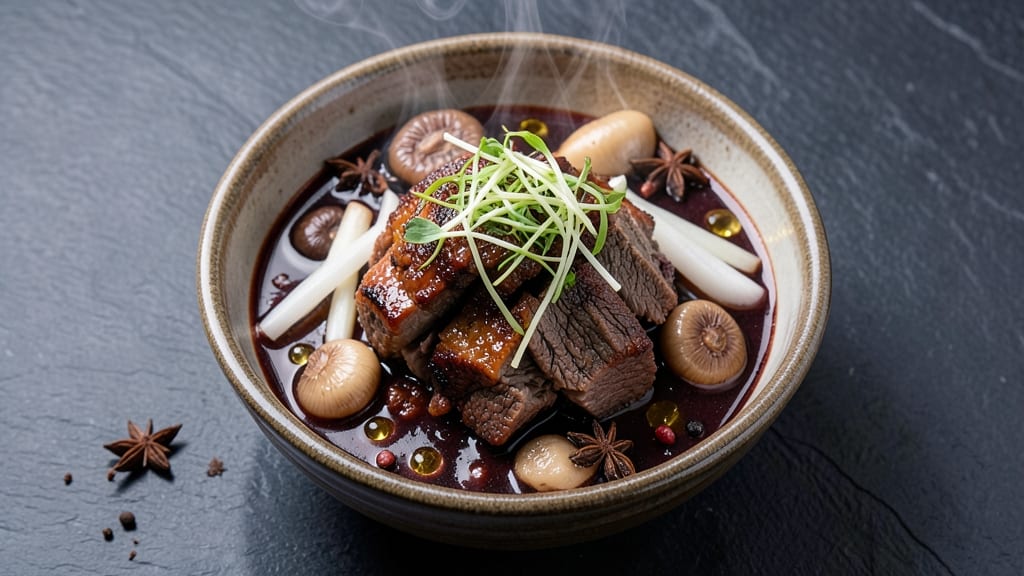
This authentic Chinese beef stew transforms tough cuts into melt-in-your-mouth tenderness using a time-honored braising technique. The secret lies in layering star anise, fennel, and Sichuan peppercorns—aromatic spices that build depth while the wine and soy sauce create a balanced, savory-sweet broth.
I've perfected this recipe through years of testing, ensuring every bite delivers restaurant-quality results at home.
The process begins with searing beef to develop rich fond, then simmering for hours until the meat becomes fork-tender. Potatoes, carrots, and daikon radish add hearty texture, while the spices infuse the broth with complex warmth.
This isn't just stew—it's a flavor journey that captures the essence of Chinese home cooking, where patience and technique create magic.
What you'll achieve is a dish where the beef practically falls apart, the vegetables remain crisp-tender, and the broth is thick enough to coat each spoonful. The aroma alone—warm spices mingling with caramelized wine—will have everyone gathered around the table. This is comfort food elevated, where tradition meets foolproof execution.
Perfect for family dinners or special occasions, this stew reheats beautifully and tastes even better the next day. The balance of sweet, salty, and umami flavors makes it universally appealing, while the tender beef ensures every bite is satisfying. Let's create this authentic masterpiece together.
Ingredients for authentic chinese beef stew
Sixteen ingredients transform tough beef into melt-in-your-mouth perfection through time-honored Chinese braising techniques.
| Ingredient | Amount | Notes |
|---|---|---|
| Chuck Roast Beef 🥩 | 3 lb | Well-marbled, cut into 2-inch chunks |
| Dry Red Wine 🍷 | 1 ½ cups | Bold variety like Cabernet Sauvignon |
| Soy Sauce 🥢 | ½ cup | High-quality, preferably Japanese |
| Star Anise Pods 🌿 | 4 whole | Whole pods for authentic aroma |
| Fennel Seeds 🌾 | 1 tbsp | Lightly toasted for enhanced flavor |
| Sichuan Peppercorns 🌶️ | 1 tsp | Crushed for subtle tingling heat |
| Russet Potatoes 🥔 | 2 lb | Peeled, cut into 1-inch chunks |
| Carrots 🥕 | 1 ½ lb | Whole, cut into 1-inch pieces |
| Daikon Radish 🥬 | 1 lb | Peeled, cut into 1-inch slices |
| Garlic Cloves 🧄 | 8 cloves | Peeled, smashed slightly |
| Fresh Ginger 🌿 | 2 tbsp | Grated, freshly prepared |
| Onion 🧅 | 1 whole | Yellow, chopped into chunks |
| Vegetable Oil 🫒 | ¼ cup | High smoke point for searing |
| Salt 🧂 | 1 ½ tsp | Diamond Crystal kosher salt |
| Black Peppercorns 🌶️ | ½ tsp | Freshly cracked for intensity |
The beef is non-negotiable—chuck roast with good marbling yields the best results. Most Asian markets carry pre-cut chunks, but if buying whole, ask for well-marbled sections. The star anise and fennel seeds are essential for authentic depth; Whole Foods or Penzeys Spices carry high-quality whole pods. Sichuan peppercorns should be lightly crushed to release their aromatic oils without overwhelming bitterness. For the wine, any bold red works—Cabernet Sauvignon or Merlot are ideal, but avoid sweet varieties.
No Sichuan peppercorns? Substitute with a pinch of cayenne plus a dash of black pepper for heat, though you'll lose the distinctive tingling quality. The soy sauce should be Japanese-style—Kikkoman or Pearl River Bridge brands are excellent. Fresh ginger and garlic are ideal, but if using dried, reduce to half the amount. The daikon radish can be swapped for regular white radish if unavailable, though it won't be as sweet. For the potatoes and carrots, organic varieties ensure cleaner prep with less peeling required.
This stew develops best over time—reheat gently on low heat to preserve texture. The beef will continue tenderizing for up to 3 days in the fridge, while the vegetables stay crisp for 2 days. For longer storage, freeze the broth separately from the meat and vegetables—3 months maximum. The spices can be toasted and stored in an airtight container for up to 6 months, maintaining their aromatic potency. Always bring the stew to a simmer before serving to evenly distribute flavors.
Why You'll Love This Recipe
- One-Pot Magic: I swear by this—just toss everything into a Dutch oven (or even a heavy pot) and let it simmer. No chopping, no fuss, just hands-off time while the wine and star anise work their alchemy on that chuck roast.
- Deep Umami Bomb: That soy sauce and red wine combo? It’s like a flavor explosion in your mouth. The fennel seeds add a subtle warmth, while the star anise gives it this just-right aromatic depth—rich but never overpowering.
- Weeknight to Dinner Party: Make it for a lazy Tuesday or impress guests on Saturday—same recipe, different vibes. Serve it over rice with steamed greens for a simple meal, or ladle it into bowls with noodles for a showstopper.
- Budget-Friendly Leftovers: Chuck roast is cheap, and this stew only gets better the next day. I’ll be real: I’ve reheated portions for three days straight, and it’s still the star of my lunch. Plus, the spices stretch every dollar.
Step-by-step instructions for authentic Chinese beef stew
Here's the method for achieving restaurant-quality tenderness with deep, aromatic flavors.
Prepare the Aromatics and Marinate the Beef
In a small dry skillet, toast the 1 tablespoon fennel seeds over medium heat for 1-2 minutes until fragrant and lightly golden. Immediately transfer to a bowl and let cool. Crush the 1 teaspoon Sichuan peppercorns in a mortar and pestle or between two spoons - you want a coarse powder that releases its signature tingling heat.
In a large mixing bowl, combine the 3 lb chuck roast beef cut into 2-inch chunks, 1.5 cups dry red wine, 0.5 cup soy sauce, toasted fennel seeds, crushed Sichuan peppercorns, 1.5 teaspoons salt, and 0.5 teaspoon black peppercorns. Massage the marinade into the beef until fully coated. Cover and refrigerate for at least 4 hours, preferably overnight - this transforms the tough chuck into melt-in-your-mouth tenderness.
Sear the Beef and Build the Flavor Base
Heat 0.25 cup vegetable oil in a 6-quart Dutch oven over medium-high heat until shimmering. Working in batches, add the marinated beef and sear for 2-3 minutes per side until deeply browned. Remove beef and set aside. You want that rich Maillard reaction creating layers of flavor - don't skip this crucial step.
In the same pot, add the 1 whole onion chopped into chunks, 8 cloves garlic, and 2 tablespoons fresh ginger. Sauté for 3 minutes until softened and fragrant. Add the 4 whole star anise pods and stir for 30 seconds to release their essential oils. This aromatic foundation will infuse every bite of your stew.
Simmer the Vegetables and Braise the Beef
Return the seared beef to the pot along with any accumulated juices. Add 2 lb russet potatoes cut into 1-inch chunks, 1.5 lb carrots cut into 1-inch pieces, and 1 lb daikon radish sliced into 1-inch rounds. Pour in any remaining marinade from the bowl. Bring to a gentle simmer over low heat - you should see just small bubbles breaking the surface.
Cover the Dutch oven and simmer for 2.5 hours, stirring occasionally. The vegetables should be fork-tender while the beef becomes so tender it practically falls apart. If the liquid reduces too much, add hot water 1 cup at a time to maintain a 1-inch liquid level above the ingredients. This slow braising is what creates the authentic Chinese restaurant texture.
Finish and Rest for Maximum Flavor
Once everything is tender, uncover the pot and increase heat to medium-high to reduce the sauce slightly. Simmer uncovered for 10 minutes to allow the flavors to concentrate and develop a glossy finish. Taste and adjust seasoning - you may need to add a splash more soy sauce or a pinch of salt to balance the flavors.
Remove from heat and let the stew rest for 15 minutes before serving. This resting period allows all the juices to redistribute throughout the beef and vegetables, ensuring each bite is packed with flavor. The stew will continue to improve as it sits, with the aromatics infusing even deeper into the meat and vegetables.
Pro Tips For Making Authentic Chinese Beef Stew
- SEAR THE BEEF FIRST: I learned this the hard way—skipping the sear means flavor hiding in the sauce instead of clinging to the meat. Get that chuck roast screaming hot in a dry pan for 5-6 minutes per side until it’s deep brown, then pull it out and let it rest. That crust? Non-negotiable for depth.
- CRUSH WHOLE SPICES: Star anise and fennel seeds aren’t just for show—lightly crush them with the flat side of a knife before tossing into the pot. This releases their oils into the stew, turning subtle hints into actual aroma. (Yes, even if you’re impatient like me.)
- DEGLAZE WITH WINE IMMEDIATELY: As soon as you remove the beef, pour in that dry red wine right away—no waiting. Scrape up every last bit of browned bits from the pan while the alcohol’s still hot. That’s where the umami magic lives, and letting it sit turns it into a sticky mess.
- SIMMER LOW AND LONG: This isn’t a race. After the initial sear and deglaze, drop the heat to a bare simmer—just tiny bubbles—and let it cook for at least 2.5 hours. The beef needs time to fall apart, not just get fork-tender. (Your future self will thank you.)
Storing and reheating this authentic chinese beef stew
Fridge Storage Secrets
Let your stew cool to room temperature (about 1 hour) before transferring to airtight containers—I use glass Pyrex with snap-on lids. Store at 40°F or below for up to 5 days, though the beef stays tender for 4 days maximum.
The vegetables lose crispness after 3 days, so plan to eat them first. I always label containers with the date to track freshness. 🥫
Freezer Prep Tips
For long-term storage, freeze the stew in quart-sized freezer bags with 1-inch headspace for expansion. The beef and broth freeze beautifully for 3 months, while the vegetables hold up for 2 months.
I recommend freezing components separately: meat in one bag, vegetables in another, and broth in a third. This lets you customize portions later. 🧊
Thawing Safely
Transfer frozen stew to the fridge 24 hours before serving for best results. If you're short on time, use the cold water bath method: Seal the bag in a second zip-top bag and submerge in cold water (never hot).
Stir occasionally until thawed (2-3 hours max). Never microwave to thaw—it creates uneven heating zones. 💧
Stovetop Reheating
My preferred method is gentle reheating on the stovetop. Transfer stew to a pot and heat over low-medium heat for 15-20 minutes, stirring occasionally. Add 2-3 tablespoons water or beef broth if it looks too thick.
The beef will continue tenderizing during reheating, while the vegetables stay crisp. Keep the lid slightly ajar to prevent steam buildup. 🔥
Microwave Shortcuts
For quick meals, use the microwave on 50% power in 2-minute intervals, stirring between each. Cover loosely with a microwave-safe lid to retain moisture. The beef may become slightly tougher than stovetop reheating, so I recommend this only for 1-2 servings.
Always check internal temperature reaches 165°F. ⏰
Broth Separation Fix
If the broth separates after reheating, simply stir vigorously or use a hand mixer for 10 seconds. The starches from the vegetables will re-emulsify. For extra richness, add 1 teaspoon cornstarch mixed with 1 tablespoon water and simmer for 1 minute to thicken.
This trick works wonders for restoring that restaurant-quality texture. 💡
Nutrition facts
Frequently asked questions
Can I substitute chuck roast with a different beef cut?
While chuck roast is ideal for its marbling and tenderness, you can use brisket or short ribs in a pinch. For brisket, cut against the grain and increase cooking time to 3 hours. Short ribs will cook faster (2 hours) but may need extra liquid. Avoid lean cuts like sirloin—they won't become tender enough.
What if I don't have Sichuan peppercorns?
No problem! Replace them with a mix of ½ teaspoon cayenne pepper and ¼ teaspoon black pepper for heat, though you'll lose the signature tingling sensation. For aroma, add ½ teaspoon ground coriander or ½ teaspoon fennel seeds (toasted). The dish will still taste delicious—just slightly different.
How do I know when the beef is tender enough?
The beef should be fork-tender, meaning it should easily shred with a fork or two prongs. For chuck roast, this typically happens after 2.5 hours of simmering. Test a piece by inserting a fork—if it slides in effortlessly and the meat falls apart, it's ready. If not, add 30 minutes more. Overcooking won't ruin it, but it may make the beef mushy.
Can I make this stew in an Instant Pot?
Yes! Sear the beef first, then add all ingredients to the Instant Pot and cook on High Pressure for 60 minutes. Release pressure naturally, then finish with 10 minutes on Sauté mode to reduce the sauce. The texture will be slightly different (more tender, less caramelized), but still delicious. Use 1 cup liquid instead of 1.5 cups since the Instant Pot cooks faster.
Why does my stew taste too salty?
This usually happens if the soy sauce or salt wasn't balanced properly. Fix it by adding ½ cup hot water or beef broth and simmering for 10 minutes to dilute the salt. For extra flavor, stir in 1 tablespoon honey or brown sugar to balance the saltiness. Always taste as you go—it's easier to adjust early than later!