
Main Courses
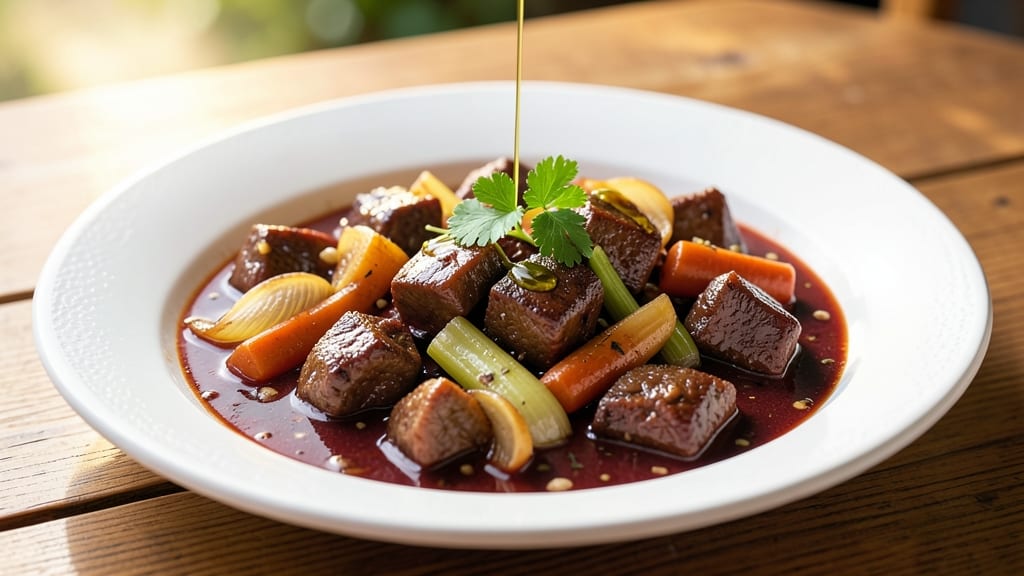
This authentic Italian beef ragu recipe transforms tough cuts of chuck roast into melt-in-your-mouth perfection through slow simmering and traditional techniques. The secret lies in browning the beef deeply, deglazing the pan with red wine, and letting it develop rich, complex flavors over hours—not minutes.
I’ve refined this recipe over years of testing, ensuring every spoonful delivers the depth of flavor found in Italy’s best trattorias.
The foundation of great ragu is patience: low heat, long cooking, and frequent stirring to prevent sticking. You’ll start with a sear that builds flavor, then layer in tomatoes, herbs, and aromatics to create a sauce that’s both hearty and elegant.
This isn’t just a sauce—it’s a labor of love that rewards you with a dish so rich, it’ll have everyone asking for seconds. The key is balancing acidity, sweetness, and umami to achieve that signature Italian depth.
By the time you serve this ragu over al dente tagliatelle or creamy polenta, you’ll understand why it’s a Sunday supper staple across Italy. The texture is velvety yet substantial, with tender beef that practically dissolves in your mouth.
What makes this recipe truly authentic is the technique—no shortcuts, just time-honored methods that turn simple ingredients into something extraordinary. Trust the process, and you’ll end up with a dish that tastes like home.
This ragu keeps well for days, making it perfect for meal prep or feeding a crowd. Pair it with crusty bread to soak up every last drop of that rich, tomato-infused sauce.
The beauty of this recipe is its versatility—use it as a pasta topping, a filling for lasagna, or even a hearty sandwich spread. Once you master it, you’ll never settle for anything less than the real deal.
Ingredients for authentic italian beef ragu
Pantry staples meet Italian tradition for this hearty beef ragu. Every ingredient matters for that deep, slow-simmered flavor.
| Ingredient | Amount | Notes |
|---|---|---|
| Chuck Roast 🥩 | 3 lb | Well-marbled, cut into 1-inch cubes |
| Extra-Virgin Olive Oil 🫒 | ¼ cup | High quality, fruity variety |
| Yellow Onion 🧅 | 2 whole | Medium, finely chopped |
| Carrots 🥕 | 3 whole | Medium, peeled and chopped |
| Celery Stalks 🥬 | 3 whole | Fresh, chopped |
| Garlic Cloves 🧄 | 6 cloves | Fresh, minced |
| Dry Red Wine 🍷 | 1 cup | Bold, like Cabernet Sauvignon |
| San Marzano Crushed Tomatoes 🍅 | 28 oz | High-quality canned tomatoes |
| Tomato Paste 🍅 | 2 tbsp | Smooth, not chunky |
| Fresh Rosemary 🌿 | ½ tsp | Finely chopped, or 1 sprig |
| Fresh Thyme 🌿 | 1 tsp | Leaves only, chopped |
| Fresh Bay Leaf 🌿 | 2 whole | Dried works too |
| Beef Broth 💧 | 2 cups | Low-sodium preferred |
| Whole Milk 🥛 | ½ cup | Full-fat for creaminess |
| Kosher Salt 🧂 | 1 ½ tsp | Diamond Crystal preferred |
| Freshly Ground Black Pepper 🌶️ | ½ tsp | Freshly cracked |
| Granulated Sugar 🍚 | 1 tsp | Balances acidity |
The beef is non-negotiable—chuck roast with good marbling is key. Costco or Whole Foods usually carry the best cuts, but any well-marbled roast works. Cube it yourself for even cooking, or grab pre-cubed from the meat counter. For the wine, Cabernet Sauvignon or Chianti adds the right depth—whatever bold red you have open will do. The tomatoes? San Marzano is the gold standard, but any high-quality canned tomatoes work. Look for ones labeled 'crushed' or 'diced'—avoid those with added salt or preservatives.
No red wine? Beef broth with 1 tbsp balsamic vinegar mimics the acidity and depth. Fresh herbs are ideal, but dried thyme at one-third the amount works in a pinch. The tomato paste can be substituted with 1 extra cup of crushed tomatoes if you're short, though it won't be as concentrated. For the carrots and celery, frozen chopped veggies save time—just drain well. The milk at the end is optional but adds richness; half-and-half works too if you're feeling indulgent.
This ragu tastes even better the next day—3-4 days in the fridge, 3 months frozen. Portion into containers for easy lunches or leftovers. For freezing, cool completely first, then store in airtight containers with a layer of olive oil on top to preserve freshness. Reheat gently on the stove, stirring occasionally. The sauce will thicken as it cools, so add a splash of broth if it's too stiff when reheating.
Why You'll Love This Recipe
- One-Pot Magic: I swear by this recipe—just brown the chuck roast, toss in the onions, carrots, celery, and a splash of red wine, then let it slow-cook. No extra dishes, no fuss, and honestly? The house smells like heaven by the time it’s done.
- Deep Umami Bomb: That chuck roast, when seared and simmered low and slow, turns into melt-in-your-mouth perfection. The carrots and celery sweeten right into the sauce, while the olive oil keeps it rich without needing butter. It’s the kind of flavor that makes you slow down and savor every bite.
- Leftovers That Shine: Between us, this ragu begs to be made in bulk. Freeze half for another week, or reheat the rest over pasta—it’s even better the next day. My freezer is packed with it, and I never regret it.
- Budget-Friendly Luxury: A chuck roast is cheap, and this recipe stretches it into something restaurant-worthy. No fancy ingredients, just good, honest flavor. I’ll be real: this is how I feed my family well without breaking the bank.
Step-by-step instructions for authentic Italian beef ragu
Here's how to build rich, slow-simmered ragu with deep tomato fond and tender beef.
Sear the Chuck Roast Until Deeply Browned
Heat a heavy Dutch oven over medium-high heat until a drop of water sizzles instantly. Add the 3 lb chuck roast cut into 1-inch cubes in a single layer, working in batches if needed. Don't crowd the pan—this prevents steam from forming, which keeps the meat from browning properly.
Sear each piece for 3-4 minutes per side until deeply browned with a dark crust. You want that beautiful fond at the bottom of the pot—this is where all the flavor lives. Once all pieces are browned, remove them with a slotted spoon and set aside. The meat should be caramelized, not just lightly colored.
Build the Flavor Base with Vegetables and Aromatics
In the same Dutch oven, add the 0.25 cup extra-virgin olive oil and swirl to coat the fond. Add the finely chopped yellow onion, peeled and chopped carrots, and chopped celery stalks. Cook for 8-10 minutes over medium heat, stirring occasionally, until the vegetables soften and begin to caramelize.
Add the minced garlic cloves and cook for 30 seconds until fragrant—don't let it burn. Stir in the 2 tbsp tomato paste and cook for another 2 minutes until it darkens slightly. This step develops the deep, rich tomato fond that's essential for authentic flavor. The vegetables should be tender but not mushy.
Deglaze and Simmer with Wine and Tomatoes
Pour in the 1 cup dry red wine and scrape up all the browned bits from the bottom of the pot with a wooden spoon. This deglazing step captures all the concentrated flavors you worked so hard to create. Let the wine simmer for 3-4 minutes until it reduces by half.
Add the 28 oz San Marzano crushed tomatoes, 1.5 tsp kosher salt, 0.5 tsp freshly ground black pepper, 1 tsp granulated sugar, 0.5 tsp fresh rosemary, 1 tsp fresh thyme, and 2 whole fresh bay leaf. Stir well to combine, then return the browned beef to the pot. The mixture should be bubbling gently—if not, increase heat to medium-low.
Slow-Simmer for Deep Flavor Development
Partially cover the Dutch oven with a lid and simmer over low heat for 2.5 hours, stirring occasionally. The ragu should reduce gradually, becoming thicker and more concentrated. If it gets too dry, add ½ cup beef broth at a time to keep it moist.
After 2.5 hours, the beef should be fork-tender but still holding its shape. Taste and adjust seasoning—you might need a little more salt or pepper. This slow cooking process breaks down the connective tissue in the beef, creating that melt-in-your-mouth texture that makes ragu so special.
Finish with Milk and Rest Before Serving
Remove the 2 whole fresh bay leaf and stir in the 0.5 cup whole milk and remaining 2 cups beef broth. Simmer uncovered for another 15-20 minutes until the sauce thickens slightly and the milk is fully incorporated. The milk adds richness and helps balance the acidity of the tomatoes.
Let the ragu rest for 15 minutes before serving. This resting period allows the flavors to meld completely and the sauce to thicken further. Serve over al dente pasta with grated Parmesan cheese and fresh basil. The ragu should coat the back of a spoon with a velvety texture and deep, complex flavors.
Pro Tips For Making Authentic Italian Beef Ragu
- Sear the Chuck Roast First: The meat’s flavor hides in that crust—don’t skip the 3-4 minutes per side in a screaming-hot pan with olive oil. I used to rush this, and the ragu always tasted like it needed more seasoning. Trust me, let it brown deep and dark before touching it with anything else.
- Slice the Onion Thinly: No big chunks—cut the onion into paper-thin slices so it melts into the sauce instead of sitting there like a chewy afterthought. My grandmother swore by this, and she was right: you want it to disappear, not dominate. A sharp knife and patience make all the difference.
- Deglaze with Wine Immediately: As soon as you remove the meat, pour in that glass of red wine right into the pan—don’t let those browned bits cool. Scrape every last bit off the bottom with a wooden spoon; those are pure flavor. Skimp here, and your ragu will taste dull, no matter how long you simmer.
- Simmer Covered, Then Uncovered: First hour with the lid on to build flavor, then crack it open and let the sauce reduce. I learned this the hard way—covered too long, and it turns into a stew. Uncovered, it thickens and deepens without losing moisture. Check it every 15 minutes after that.
Creative variations of this dish
Northern Italian Style
In regions like Lombardy and Piedmont, ragu is often made with a touch of pancetta or guanciale instead of wine for deglazing. I like to add 2 oz diced pancetta along with the onions to render fat, then remove it before adding tomatoes.
This adds a smoky depth that’s especially popular in Milanese-style ragù alla milanese. For extra richness, finish with 1 tbsp butter and a splash of white wine instead of red. 🌟
Southern Italian Twist
Down south, particularly in Naples and Sicily, ragu often incorporates sun-dried tomatoes and chili flakes for a brighter, spicier profile. I blend ¼ cup sun-dried tomatoes into the sauce after 2 hours of simmering and add ¼ tsp crushed red pepper flakes with the tomatoes.
For a Sicilian touch, stir in 1 tsp grated orange zest at the end—it sounds unusual, but it cuts through the richness beautifully. 🌶️
Vegetarian Adaptation
For a meat-free version, swap the beef for 1 lb mushrooms (cremini or portobello) and 1 lb lentils for protein. Sauté the mushrooms first to develop their umami, then proceed with the recipe as written.
Boost the depth with 1 tbsp soy sauce or 1 tsp miso paste during the simmering stage. This version works perfectly over whole wheat pappardelle or as a filling for stuffed shells. 🌱
Pasta Pairing Variations
While tagliatelle is classic, try serving your ragu over bucatini for a thicker noodle that holds up to the sauce. For a rustic touch, serve it with creamy polenta or crusty bread for dipping.
I also love using it as a filling for homemade lasagna—layer it with ricotta and mozzarella between sheets of pasta for a showstopping main course. 🍝
Weeknight Shortcut
When you’re short on time, use pre-cut beef chuck roast and a slow cooker for hands-off cooking. Brown the meat in a skillet first, then transfer everything to the slow cooker and cook on low for 6-8 hours.
This method still delivers deep flavor, just with less active cooking. For extra convenience, use pre-minced garlic and frozen chopped vegetables—just thaw them first. ⏰
Global Fusion Twist
Add a global flair by incorporating 1 tbsp hoisin sauce or 1 tsp fish sauce for an Asian-inspired ragu. This works surprisingly well with the Italian flavors, especially when paired with jasmine rice or udon noodles.
For a Mexican twist, stir in ½ cup black beans and top with avocado slices and cilantro. The key is balancing the new flavors with the traditional base—don’t overpower the ragu’s foundation. 🌎
Nutrition facts
Frequently asked questions
Why does authentic Italian beef ragu require such a long cooking time?
The slow simmering process is essential for breaking down the tough connective tissue in chuck roast, transforming it into tender, melt-in-your-mouth pieces. This method also allows all the flavors—wine, tomatoes, herbs—to meld together, creating that deep, complex taste that defines traditional Italian beef ragù. Patience is key for that signature rich texture and flavor!
Can I substitute red wine with something else if I don't have any? Yes! Use 1 cup beef broth mixed with 1 tablespoon balsamic vinegar for a similar acidity and depth. Alternatively, ½ cup broth + ½ cup tomato paste works well. The wine's purpose is to deglaze and add acidity, so any liquid with those qualities will do. Just
What's the best way to store leftover beef ragu?
Store in an airtight container in the fridge for up to 4 days or freeze for 3 months. For freezing, cool completely first, then add a layer of olive oil on top to preserve freshness. Reheat gently on the stove, stirring occasionally and adding a splash of broth if it thickens too much. The flavors actually improve after 1-2 days of resting!
How do I know when the beef is properly cooked in the ragu?
The beef should be fork-tender but still holding its shape after 2.5 hours of simmering. It should easily pull apart with a fork but not fall apart completely. If you're unsure, cut into a piece—the juices should run clear, not pink. The sauce should coat the back of a spoon with a velvety consistency.
What pasta works best with beef ragu?
Traditional choices are tagliatelle or fettuccine—their flat surfaces hold the rich sauce beautifully. For a heartier option, try pappardelle or bucatini. Cook pasta al dente (1 minute less than package instructions) and toss it with the ragu just before serving to prevent overcooking. Serve with freshly grated Parmesan and a sprinkle of fresh basil.