
Main Courses
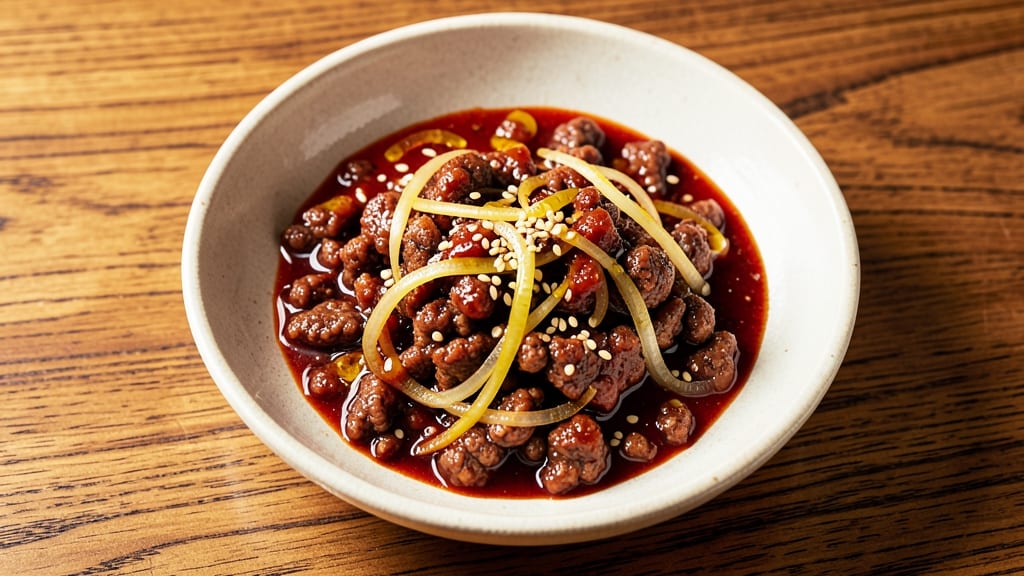
This authentic Korean ground beef recipe delivers the bold, spicy-savory flavors you crave from your favorite Korean restaurant—right in your own kitchen. The secret lies in a perfectly balanced marinade of soy sauce, garlic, and gochujang, which transforms simple ground beef into tender, flavor-packed bites with a crispy edge. I’ve refined this technique over years of testing, ensuring every element—from the caramelized onions to the umami-rich sauce—comes together authentically.
The beauty of this dish is its simplicity: just a few key ingredients, a quick marinade, and a 15-minute stir-fry that delivers restaurant-quality results. The ground beef absorbs the marinade deeply, while the onions add a satisfying crunch that cuts through the richness.
Traditional Korean flavors shine through—without requiring hard-to-find ingredients. What you’ll end up with is a dish that’s spicy, savory, and deeply satisfying, perfect for weeknight dinners or special occasions.
This recipe stays true to Korean culinary traditions while being approachable for home cooks. The gochujang adds that signature heat and depth, while sesame oil and toasted sesame seeds bring a nutty finish.
Serve it over steamed rice with a side of kimchi or quick-pickled vegetables for the full experience. The aroma alone will have everyone at the table asking for seconds.
Whether you’re a Korean food enthusiast or just love bold flavors, this dish is a game-changer. It’s the kind of meal that feels special but doesn’t require hours in the kitchen. Let’s get cooking—your taste buds will thank you.
Ingredients for authentic korean ground beef
Bold flavors start with these Korean pantry staples and fresh ingredients.
| Ingredient | Amount | Notes |
|---|---|---|
| Ground Beef (80% lean, 20% fat) 🥩 | 1 ½ lb | Finely ground for even cooking |
| Gochujang (Korean Red Pepper Paste) 🌶️ | ¼ cup | High-quality, smooth paste |
| Soy Sauce (Korean or Japanese) 🥫 | ⅓ cup | Premium brand preferred |
| Sesame Oil (Toasted) 🫒 | 1 tbsp | For nutty aroma finish |
| Garlic Cloves 🧄 | 6 cloves | Freshly minced, aromatic |
| Yellow Onions 🧅 | 1 ½ cups | Thinly sliced, crisp texture |
| Sesame Seeds (Toasted) 🌾 | 1 tbsp | For garnish, toasted |
| Sugar (Granulated) 🍚 | 1 tbsp | Balances flavors |
| Rice Vinegar 🍶 | 1 tbsp | For brightness |
| Vegetable Oil 🫒 | 2 tbsp | High smoke point |
| Salt 🧂 | 1 tsp | Kosher or sea salt |
| Black Pepper 🌶️ | ½ tsp | Freshly ground |
| Green Onions 🧅 | 2 whole | Sliced, for garnish |
The ground beef is non-negotiable—80/20 fat ratio ensures juiciness and crispy edges. Grab Korean-style gochujang from the international aisle at Walmart or H-Mart for authentic heat. If you can't find it, Dae Jang Gochujang is the gold standard. Fresh garlic and onions are key: yellow onions for sweetness, green onions for freshness. Toast your sesame seeds in a dry pan for 2-3 minutes—nutty aroma makes all the difference. The soy sauce should be Korean or Japanese brand (like Kikkoman) for that deep umami punch.
No gochujang? Substitute 1 tbsp sriracha plus 1 tbsp tomato paste—it won’t be identical, but close. Running low on sesame oil? Avocado oil at half the amount works in a pinch, though it lacks the nutty depth. The sugar can be swapped for honey or maple syrup, but sugar dissolves better. If your onions start browning too fast, add a splash of water to the pan and cover for 30 seconds. For extra crunch, blanch your sliced onions in ice water before stir-frying—trust me on this.
Prep ahead: Mix the marinade ingredients (gochujang, soy sauce, sugar, rice vinegar) in a bowl and let sit for 10 minutes while you prep the onions. The beef can marinate for up to 2 hours in the fridge, but 15 minutes is plenty. Leftover stir-fry reheats beautifully—just add a splash of water and stir-fry 2-3 minutes over medium heat. Stores for 4 days in the fridge or 3 months frozen. Double the batch—it disappears fast.
Why You'll Love This Recipe
- One-Pan Magic: I swear by this recipe when I’m too tired to scrub pots—just brown the beef, toss in the gochujang and soy sauce, and let it simmer. The fat in that 80/20 beef renders into the sauce, making it rich without extra effort.
- Umami Bomb: That first bite? The gochujang’s deep, smoky heat cuts through the beef’s richness while the garlic and sesame oil add layers I can’t get enough of. It’s not just spicy—it’s complex, like a Korean comfort hug in a bowl.
- Leftover Hero: Between us, this dish only gets better the next day. The flavors meld overnight, and reheating it with a splash of water keeps it moist. I make double batches because it’s the only thing my kids will eat after school—no complaints.
- Budget Game-Changer: Ground beef is cheap, gochujang lasts forever, and you’re using basic pantry staples. For under $10, I feed four people a meal that feels fancy but costs next to nothing. My wallet and taste buds win every time.
Step-by-step instructions for authentic Korean ground beef stir-fry
Here's how to create a restaurant-quality Korean beef dish with bold flavors and perfect texture.
Prepare the Onions and Aromatics
Start by thinly slicing the 1.5 cups yellow onions into even strips—about ⅛-inch thick. This ensures they'll cook quickly and maintain their crisp texture. Set them aside in a bowl. Next, finely mince the 6 cloves garlic—you want a paste-like consistency that will quickly infuse the oil with flavor. Slice the 2 whole green onions into ½-inch pieces, reserving the tops for garnish later.
Toast the 1 tablespoon sesame seeds in a dry skillet over medium heat for 1-2 minutes until fragrant and golden. Immediately transfer them to a small bowl to cool—they'll add nutty depth to your dish. Keep all prepared ingredients within reach for quick assembly.
Build the Flavor Base
Heat the 2 tablespoons vegetable oil in a large skillet or wok over high heat until shimmering. Add the minced garlic and stir for 30 seconds until fragrant—don't let it brown, or it'll turn bitter. Immediately add the sliced yellow onions and stir-fry for 2-3 minutes until they begin to soften but still hold their shape.
Reduce heat to medium-high and add the 1.5 lb ground beef, breaking it up with a wooden spoon. Cook for 4-5 minutes, stirring constantly, until the beef loses its raw color and starts to brown. This high-fat beef will render beautifully, creating a rich foundation for your sauce.
Develop the Signature Sauce
In a small bowl, whisk together the 0.25 cup gochujang, 0.33 cup soy sauce, 1 tablespoon sugar, 1 tablespoon rice vinegar, 1 teaspoon salt, and 0.5 teaspoon black pepper. This blend creates the perfect balance of spicy, savory, and slightly sweet flavors that define Korean cuisine.
Pour the sauce mixture over the beef and onions, stirring vigorously to coat everything evenly. Let it simmer for 3-4 minutes until the sauce thickens slightly and clings to the beef. The gochujang will deepen in color, signaling the flavors are melding together beautifully.
Finish with Fragrant Oils
Remove the skillet from heat and stir in the 1 tablespoon toasted sesame oil. This final step adds a nutty aroma and rich depth to the dish. Taste and adjust seasoning if needed—you might want to add a splash more soy sauce for saltiness or a touch of sugar to balance the heat.
Return the skillet to medium heat and stir in the reserved green onion pieces, cooking for 30 seconds to warm through. The dish should be vibrant, with glossy sauce clinging to the beef and onions. Garnish with the toasted sesame seeds and sliced green onion tops for freshness and visual appeal.
Serve Immediately for Peak Freshness
Transfer the Korean beef stir-fry to a serving platter and serve immediately while hot. The high heat cooking ensures the onions remain crisp, while the beef stays tender and juicy. Pair with steamed rice to soak up every last bit of that flavorful sauce.
This dish delivers authentic Korean flavors with proper balance—spicy yet savory, sweet yet umami-rich. The secret lies in proper heat control and timing, ensuring each ingredient contributes its best qualities to the final dish.
Pro Tips For Making Authentic Korean Ground Beef
- Crush That Garlic: I used to just mince garlic for this dish, but pounding it with the flat side of your knife first makes a massive difference—it releases more flavor and blends smoother into the gochujang. Do this right after peeling, while the cloves are still firm.
- Bloom the Gochujang: Don’t just toss gochujang in cold—heat your oil or pan first, then add it and let it sizzle for 30 seconds before adding anything else. This step caramelizes the paste slightly, deepening its smoky-sweet notes and preventing that raw, bitter aftertaste.
- Break Up the Beef: After browning the ground beef, resist the urge to stir constantly. Let it sit undisturbed for 2 minutes in patches—this creates a crust on the bottom, which adds richness. Then break it apart with a spatula, not a knife, to keep it tender.
- Salt the Beef First: Sprinkle the ground beef with a pinch of salt (about ½ teaspoon per pound) before cooking. The salt draws out moisture, helping it sear better and preventing a greasy mess later—especially important with 80/20 fat content. Let it sit 5 minutes while you prep the rest.
Pro cooking tips for this dish
Heat Control Secrets
High heat is your best friend here—start with high heat for the garlic and onions to develop their flavors quickly without burning. When adding the beef, reduce to medium-high heat to ensure even browning without overcooking.
I use a wok with sloped sides to maximize surface area and prevent sticking. If your pan isn’t wide enough, cook the beef in batches to avoid steaming instead of searing. 🔥
Marinade Timing
Don’t over-marinate the beef—just 15-20 minutes is enough to infuse flavor without making it mushy. If you’re short on time, mix the marinade ingredients directly into the pan after cooking the beef.
For extra depth, let the gochujang and soy sauce sit together for 10 minutes before adding to the beef. This lets the flavors meld, creating a richer sauce. 💫
Onion Crunch Hacks
To keep onions crisp, slice them ⅛-inch thick and cook them first at high heat for only 2-3 minutes. For maximum crunch, blanch them in boiling water for 30 seconds, then drain and pat dry before stir-frying.
If your onions soften too quickly, add 1 tablespoon water to the pan and cover for 30 seconds to steam them slightly. 🧅
Sauce Thickness
The sauce should coat the back of a spoon but remain glossy—not gluey. If it’s too thin, simmer uncovered for 1-2 extra minutes to reduce. For a thicker sauce, mix 1 teaspoon cornstarch with 1 tablespoon water, stir into the pan, and cook for 30 seconds.
The gochujang will naturally thicken as it cooks, so don’t rush this step. ✨
Sesame Oil Finish
Add the sesame oil off the heat to preserve its delicate aroma—heating it will turn it bitter. Stir it in just before serving to let the fragrance rise.
For extra nutty depth, toast 1 extra tablespoon sesame seeds in the same dry pan you used earlier and sprinkle them on top. This step elevates the dish from good to restaurant-quality. 🌟
Nutrition facts
Frequently asked questions
Can I use lean ground beef instead of 80/20?
While you can use leaner beef, the 80/20 fat ratio is ideal for authentic texture and flavor. The fat renders beautifully, creating crispy edges and a rich sauce. If you must use leaner, add 1 extra tablespoon sesame oil to compensate for lost moisture and richness.
What if I can't find gochujang?
Mix 1 tablespoon sriracha with 1 tablespoon tomato paste as a substitute. For deeper flavor, add ½ teaspoon smoked paprika. The dish will be spicier but still delicious. For a milder version, reduce the sriracha to ½ tablespoon and add ½ teaspoon honey to balance.
How spicy is this dish?
The heat comes from gochujang, which adds moderate spice with deep umami. For less heat, reduce gochujang to 2 tablespoons or swap for 1 tablespoon gochujang + 1 tablespoon soy sauce. If you love spice, add ½ teaspoon red pepper flakes at the end. Always taste before serving!
Can I make this dish ahead of time?
Yes! Cook the beef and sauce as directed, then refrigerate for up to 4 days. Reheat in a skillet over medium heat with 1 tablespoon water, stirring until warmed through. For best texture, add fresh green onions and sesame seeds after reheating. Freeze for 3 months—thaw overnight in the fridge.
What sides pair best with this dish?
Serve with steamed jasmine rice to soak up the sauce. Add kimchi for tangy contrast, quick-pickled cucumbers for freshness, or steamed spinach with sesame oil. For a complete meal, include mandu (Korean dumplings) or bokkeumbap (fried rice).