
Main Courses
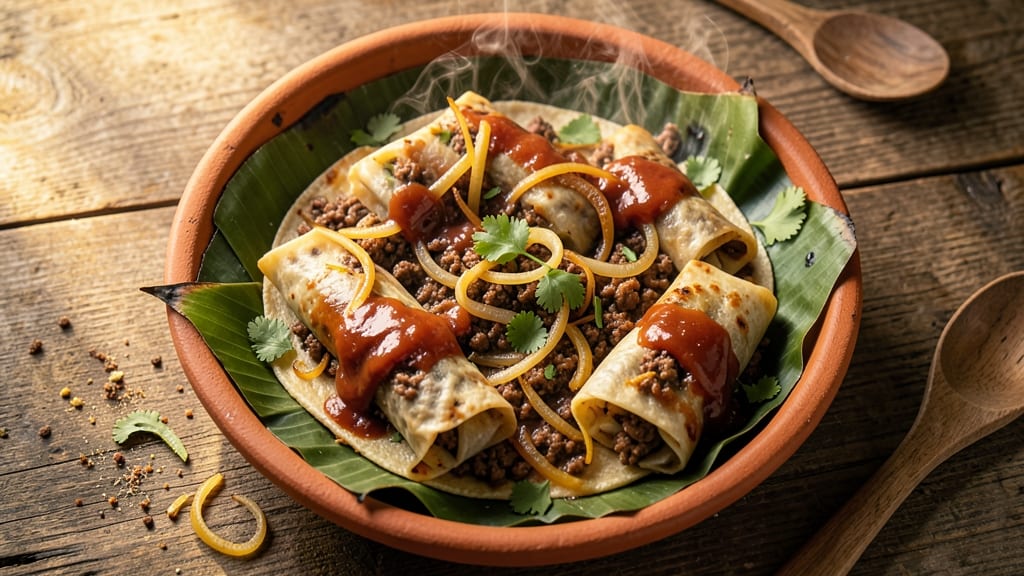
This authentic Mexican ground beef tamales recipe brings the soul of Mexican tradition to your kitchen with every steamed bite. The secret lies in the masa—freshly ground corn dough infused with lard for tender, flavorful pockets—and the rich, spiced beef filling that transforms simple ingredients into something extraordinary.
I've perfected this recipe through years of testing, ensuring the masa stays moist and the filling delivers that perfect balance of smoky, earthy, and slightly sweet flavors.
What sets these tamales apart is the technique: wrapping the masa around the beef filling and steaming it in banana leaves, which imparts a subtle, aromatic depth you won't find in store-bought versions.
The process might seem labor-intensive, but breaking it into steps makes it manageable—especially when you see the reward: tender, flavorful tamales that taste like a home-cooked feast. The filling, seasoned with adobo and red chili, is the heart of these tamales, delivering layers of warmth and complexity.
By the time you're done, you'll have restaurant-quality tamales that are perfect for gatherings, celebrations, or a special family dinner. The aroma alone will have everyone gathering around the table, and each bite—whether you serve them with salsa, crema, or fresh cilantro—will transport you straight to Mexico.
This recipe is a labor of love, but the results are worth every minute of effort.
Ready to master the art of tamales? Let's get started with the masa preparation, where the foundation of these delicious treats begins.
Ingredients for authentic mexican ground beef tamales
Twelve ingredients, twelve flavors of Mexico—this is where tradition meets your kitchen.
| Ingredient | Amount | Notes |
|---|---|---|
| Ground Beef (80/20) 🥩 | 2 ½ lb | Freshly ground for best flavor |
| Masa Harina (Maseca) 🌽 | 4 cups | For authentic corn dough |
| Lard (or Vegetable Shortening) 🧈 | 1 cup | Traditional for tenderness |
| Water (for Masa) 💧 | 2 ½ cups | Warm for smooth dough |
| Adobo Sauce 🍅 | ½ cup | For smoky depth (canned) |
| Yellow Onions 🧅 | 2 whole | Medium size, finely chopped |
| Garlic Cloves 🧄 | 6 cloves | Freshly minced for aroma |
| Dried Oregano 🍃 | 1 tbsp | Mexican oregano preferred |
| Ground Cumin 🌿 | 1 tsp | Toasted for depth |
| Ancho Chili Powder 🌶️ | 1 tbsp | For authentic smokiness |
| Salt 🧂 | 1 ½ tsp | Kosher or sea salt |
| Banana Leaves (or Aluminum Foil) 🍃 | 12 pieces | For traditional steaming |
| Fresh Cilantro (for Garnish) 🌿 | ¼ cup | Chopped, optional garnish |
The masa harina and lard are non-negotiable for authentic tamales. Maseca is the gold standard—find it in the Latin aisle at Walmart or H-E-B. Lard gives that signature tenderness, but vegetable shortening works if you're avoiding animal fat. For the beef, 80/20 ground chuck is best—leaner blends dry out. If you can't find ancho chili powder, mix ground ancho chiles with cumin for a similar effect. The banana leaves? Latin markets sell them dried—soak them in hot water for 10 minutes before using.
No adobo sauce? Mix 1 tbsp tomato paste, 1 tsp smoked paprika, and 1 tsp vinegar as a quick substitute. Fresh cilantro missing? Coriander seeds ground into powder works in a pinch. The onions and garlic can be prepped ahead—just keep them in the fridge until ready to use. For the masa, warm the water slightly (not boiling) to help the dough come together smoothly. And if you're short on time, aluminum foil steams just as well as banana leaves—just add a splash of water to the foil.
Masa dough keeps for 2 days wrapped in plastic in the fridge—reheat by microwaving with a damp towel. The cooked tamales reheat beautifully: steam for 10 minutes or warm in a 300°F oven for 15. I always make extra—freeze them wrapped in foil for up to 3 months. Just thaw overnight in the fridge before reheating. The aroma alone will have your house smelling like a Mexican fiesta.
Why You'll Love This Recipe
- Here’s what sold me: a pound of 80/20 beef and a bag of masa stretch to feed six. Leftover tamales? Even better the next day—just reheat and enjoy, or freeze them for when laziness wins.
- No Fuss, Big Payoff: Honestly, the hardest part is boiling the corn husks—everything else is just mixing and folding. The masa and beef blend together like they were meant to, with zero fussing required.
- Adobo Magic: That smoky, tangy adobo sauce? It’s the secret weapon here. The beef soaks it up perfectly, giving every bite layers of flavor that taste like a proper taquería, not just a weeknight meal.
- Party in a Box: Between us, these are my go-to for birthdays, game days, or when my mom-in-law drops by unannounced. Wrap them ahead, steam them fresh, and suddenly you’re the hero—no last-minute stress.
Step-by-step instructions for authentic Mexican ground beef tamales
Here's how to make tamales with that perfect balance of smoky, spicy, and tender beef filling.
Prepare the Masa Dough for Wrapping
In a large mixing bowl, combine the 4 cups Masa Harina (Maseca) with the 1 cup lard (or vegetable shortening). Using your hands or a fork, work the mixture until it resembles coarse crumbs with pea-sized fat pieces remaining. This texture is crucial for proper tamale formation.
Gradually add the 2.5 cups warm water (for masa) while mixing continuously. The dough should come together into a soft, pliable ball that holds its shape when pressed. If it's too dry, add 1 tablespoon water at a time; if too sticky, add 1 tablespoon masa harina. The ideal consistency is like thick playdough that doesn't stick to your fingers.
Cover the bowl with a damp towel and let the dough rest for 30 minutes. This resting period allows the gluten to relax, making the dough easier to work with when you're ready to wrap your tamales. Real talk: Don't skip this step or your tamales will be tough instead of tender.
Cook the Seasoned Ground Beef Filling
In a large skillet over medium-high heat, add the 2.5 lb ground beef (80/20). Cook without stirring for 3-4 minutes to create a good sear, then break the meat into crumbles. Drain excess fat, leaving about 2 tablespoons in the pan.
Add the 2 whole yellow onions (finely chopped) and cook for 5 minutes until softened. Stir in the 6 cloves garlic (minced), 1 tbsp dried oregano, 1 tsp ground cumin, 1 tbsp ancho chili powder, and 1.5 tsp salt. Cook for 2 minutes until fragrant, then pour in the 0.5 cup adobo sauce. Simmer for 5 minutes until the sauce thickens slightly and coats the beef.
Remove from heat and let the filling cool for 10 minutes. This cooling period is essential—hot filling will melt the masa dough and make your tamales soggy. The filling should be warm but not piping hot when you're ready to assemble.
Assemble and Wrap the Tamales
Lay out 12 pieces banana leaves (or cut 12 pieces aluminum foil to similar size) on a clean surface. If using banana leaves, briefly pass them over an open flame to soften and remove any strong flavors. For each tamale, take a golf-ball sized piece of masa dough and flatten it in your palm to about ¼-inch thickness.
Place 2 tablespoons of the beef filling in the center of the masa disc. Fold the sides inward, then roll tightly from the bottom up, forming a neat cylinder about 3 inches long. The dough should completely encase the filling—no gaps or exposed meat. If the dough tears, patch it with a small piece of extra dough.
Place each completed tamale seam-side down on a prepared banana leaf or foil packet. The leaves should overlap slightly at the ends. This assembly method ensures the steam circulates properly during cooking, giving you that perfect tender texture.
Steam the Tamales to Perfection
Arrange the wrapped tamales upright in a steamer basket or large pot with a rack, leaving ½-inch space between each. Add 2 inches of water to the bottom of the pot and bring to a rolling boil over high heat. Once boiling, reduce heat to medium-low and cover tightly.
Steam for 60-75 minutes until the masa dough is firm to the touch and the filling reaches an internal temperature of 165°F. The tamales are done when you can gently squeeze a tamale and feel no soft dough remaining—it should hold its shape with no give. If using banana leaves, they'll turn darker and slightly crispy at the edges.
Remove the tamales and let them rest for 10 minutes before serving. This resting period allows the filling to set and prevents the masa from becoming gummy. Garnish with the 0.25 cup fresh cilantro (chopped) just before serving for that fresh, bright finish that cuts through the rich flavors.
Pro Tips For Making Authentic Mexican Ground Beef Tamales
- Boil the Beef Low and Slow: After browning the ground beef, drop the heat to a simmer—just a gentle bubble—and let it cook for 15 minutes. I learned this the hard way: rushing it leaves the meat dry and the tamales tough. The slow cook turns the beef tender and soaks up the adobo flavor like a sponge.
- Work the Masa by Hand: Skip the mixer for the dough—your fingers are the best tool. Knead the masa harina, lard, and water until it’s smooth and slightly sticky, like wet sand. Machines make it too elastic, and the tamales won’t hold their shape when steamed.
- Don’t Overfill the Corn Husks: Pack the masa mixture into the husks loosely—about ¾ full. Overstuffing cracks them open mid-steam, and you’ll end up with a messy, uneven cook. Think of it like wrapping a burrito: tight enough to stay together, but not so tight it bursts.
- Steam Over Boiling Water: Use a steamer basket with an inch of water in the pot—no more, no less. Boiling water turns the tamales soggy, while too little water means dry masa. Keep the heat at a steady simmer, not a rolling boil, and cover tightly with foil for the first 20 minutes to trap the steam.
Troubleshooting this recipe
Dry Masa Dough
If your masa dough cracks or feels too dry when handling, it likely needs more water. Add 1 tablespoon at a time until pliable, but don't overdo it—too much water makes the dough sticky and difficult to wrap.
For extra insurance, cover the bowl with a damp towel while resting to prevent drying. I've found that warm water (not hot) helps the masa absorb moisture more evenly. 🌽
Soggy Tamales
Soggy tamales usually mean one of two things: either the filling was too hot when assembling or the steaming time was insufficient. Let your filling cool completely before wrapping—10 minutes minimum.
Also, ensure your steamer isn't overcrowded; ½-inch spacing between tamales is crucial for even steam circulation. If using banana leaves, check they're not too thick or they'll block steam. 💧
Uneven Cooking
If some tamales cook faster than others, it's likely due to uneven heat distribution. Use a large pot with a rack (or improvise with a wire cooling rack) to ensure all tamales are elevated equally above the water.
For extra insurance, rotate the pot halfway through steaming. If using foil packets, fold them tightly to prevent steam from escaping through gaps. I've had the best luck with aluminum foil when banana leaves aren't available. 🔥
Filling Too Dry
Dry filling often happens when too much fat is drained during cooking. Leave 2-3 tablespoons of beef fat in the pan to keep the filling moist. If your filling is already dry, add 1-2 tablespoons of adobo sauce or beef broth while reheating.
For next time, try 85/15 ground beef instead of 80/20—it has slightly more fat content. The filling should be saucy, not crumbly. 🧈
Banana Leaves Too Strong
If your banana leaves impart an overpowering flavor, they might not be fresh or properly prepared. Soak dried leaves in hot water for 10 minutes before using, then briefly pass them over an open flame to soften and remove any strong aromatics.
For a neutral alternative, use aluminum foil or parchment paper—just add a splash of water to the foil to create steam. I keep a stash of dried banana leaves from H-Mart for this exact reason. 🍃
Tamales Stick Together
Sticky tamales usually mean the masa wasn't rested properly or the dough was too wet. Ensure your dough rests for the full 30 minutes before wrapping. If they still stick, lightly dust your work surface with cornmeal or flour during assembly.
When steaming, don't overcrowd—they need space to breathe. For storage, place cooked tamales on a wire rack to cool completely before stacking. 💫
Nutrition facts
Frequently asked questions about authentic Mexican tamales
Can I substitute banana leaves with something else?
If you can't find banana leaves, use heavy-duty aluminum foil instead. Just cut it to the same size and add a splash of water to the foil before wrapping. For extra authenticity, some cooks use corn husks (traditional for some regional tamales), but banana leaves or foil work perfectly for beef tamales.
How do I know when the tamales are fully cooked?
Your tamales are done when the masa dough feels firm to the touch and the filling reaches 165°F internally. Gently squeeze one—if it holds its shape with no soft spots, it's ready. They should take 60-75 minutes of steaming. If using banana leaves, they'll turn slightly crispy at the edges when done.
Why does my masa dough keep cracking?
Cracking usually means the dough is too dry or wasn't rested properly. Add 1 tablespoon warm water at a time until pliable, but don't overdo it—too much water makes wrapping difficult. Always let the dough rest for 30 minutes covered with a damp towel before using. This relaxes the gluten and prevents cracks.
Can I make tamales ahead of time?
Yes! Cooked tamales keep for 2 days in the fridge wrapped tightly in foil. For longer storage, freeze them for up to 3 months. Thaw overnight in the fridge before reheating—never at room temperature. To reheat, steam for 10 minutes or warm in a 300°F oven for 15 minutes wrapped in foil.
What's the secret to keeping the filling moist?
Leave 2-3 tablespoons of beef fat in the pan when cooking the filling—it keeps everything saucy. If your filling seems dry, add 1-2 tablespoons of adobo sauce or beef broth while reheating. Using 85/15 ground beef instead of 80/20 also helps maintain moisture. The filling should be tender and slightly saucy, not crumbly.