
Side Dishes
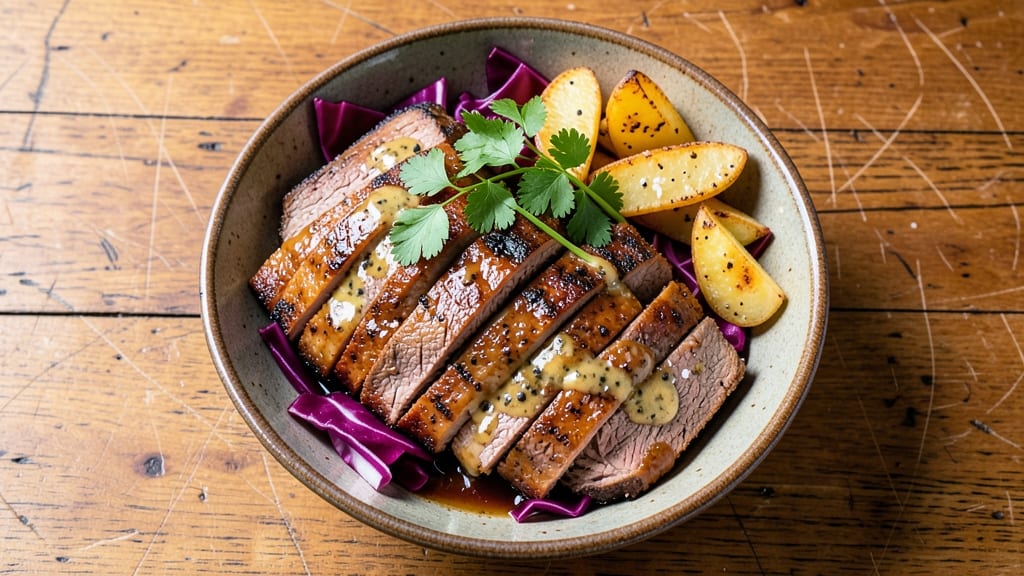
This awesome corned beef recipe transforms tough brisket into melt-in-your-mouth perfection through slow braising—no shortcuts, just deep flavor and tender results. The secret lies in a spice-packed brine that infuses every bite with aromatic complexity, while hours of gentle cooking break down the meat into fork-tender slices.
I developed this method after years of testing, ensuring the final product delivers restaurant-quality texture and bold seasoning without the fuss of traditional curing.
The process begins with a rich, balanced brine featuring bay leaves, mustard seeds, and black peppercorns—classic flavors that create a symphony of tastes when slow-cooked.
Whether you use a crockpot for hands-off cooking or an oven for precise control, maintaining a steady 203°F internal temperature is key to achieving that signature tenderness. The result?
Corned beef so flavorful and tender it practically falls apart at the touch, with a deep pink hue and layers of spice that make every slice unforgettable.
Serve this masterpiece with traditional sides like boiled cabbage and buttery potatoes, or elevate the meal with modern twists like quick-pickled vegetables or a tangy carrot horseradish sauce.
The slow-braised method ensures the meat stays juicy and infused with flavor, while the spices create a depth that’s hard to replicate. This isn’t just corned beef—it’s a spice symphony that turns a simple pot roast into a showstopper.
Perfect for St. Patrick’s Day feasts, Sunday dinners, or any occasion calling for hearty, flavorful comfort food. The recipe scales easily for crowds, and leftovers reheat beautifully—though you’ll likely devour every last bite before that happens. Here’s how to make it.
Ingredients for awesome corned beef
Sixteen ingredients transform tough brisket into a spice-symphony masterpiece through slow braising.
| Ingredient | Amount | Notes |
|---|---|---|
| Beef Brisket 🥩 | 4 lb | Flat cut preferred, trimmed of excess fat |
| Bay Leaves 🌿 | 4 whole | Dried, standard size |
| Yellow Mustard Seeds 🌶️ | 2 tbsp | Whole, not ground |
| Black Peppercorns 🌶️ | 1 tbsp | Whole, freshly cracked |
| Allspice Berries 🌶️ | 1 tsp | Whole, lightly crushed |
| Ground Cloves 🌶️ | ½ tsp | Freshly ground preferred |
| Salt 🧂 | 1 cup | Diamond Crystal kosher salt |
| Brown Sugar 🍯 | ½ cup | Light or dark, packed |
| Water 💧 | 4 cups | Filtered preferred |
| Beef Broth 🍲 | 2 cups | Low-sodium, high-quality |
| Fresh Parsley 🌿 | ¼ cup | Chopped, for garnish |
| Fresh Thyme 🌿 | ¼ cup | Chopped, stems removed |
| Garlic Cloves 🧄 | 6 cloves | Smashed, not minced |
| Onion 🧅 | 1 whole | Yellow, quartered |
The brisket is the foundation—flat cut preferred for even cooking and optimal tenderness. Source from a butcher or Whole Foods for the best quality, ensuring good marbling but not excessive fat. Costco often carries pre-trimmed brisket at a reasonable price, though you may need to trim further for consistency. Look for a piece that feels firm to the touch with a vibrant red color, avoiding any signs of grayish hues or excessive discoloration. The spices are non-negotiable: Penzeys or bulk bins at specialty stores for the freshest whole spices, which release flavor more effectively during the long braising time. If using pre-ground spices, toast them lightly in a dry pan first to deepen their aroma.
No bay leaves? Dried thyme at double the amount works in a pinch, though it won't replicate the distinct bay flavor. Mustard seeds can be omitted entirely if unavailable, but the tang they provide helps balance the richness. For the sugar, turbinado or demerara adds a subtle caramel note, though brown sugar is traditional. The beef broth should be low-sodium—most store-bought varieties contain enough salt to overpower the dish. Fresh herbs like parsley and thyme can be swapped for dried at one-third the quantity, but fresh is ideal for that bright finish. The garlic and onion add depth, so don't skip them—roasting them first before adding to the pot intensifies their sweetness.
This recipe rewards patience—braise at 203°F for 3-4 hours until fork-tender. The brisket keeps beautifully in the fridge for 4-5 days in its braising liquid, which you can repurpose as a sandwich spread or soup base. For longer storage, freeze portions for up to 3 months. Reheat gently in the braising liquid over low heat to maintain moisture. The spices and herbs can be prepped ahead and stored in an airtight container for 2 weeks, though freshly cracked peppercorns and whole spices are always preferable for maximum flavor impact.
Why You'll Love This Recipe
- One-Pot Magic: I swear by this method—just toss the brisket with bay leaves, mustard seeds, and peppercorns in a pot, cover it with water, and let it simmer. No chopping, no fuss, and the spices infuse right into the meat while you’re doing whatever else needs doing.
- Spice Symphony: Between us, those allspice berries and yellow mustard seeds add a warmth that’s next-level—earthy but bright, with just enough bite to keep it interesting. The brisket ends up tender with layers of flavor you won’t find in store-bought versions.
- Leftovers Heaven: This recipe makes way more than you’ll eat in one sitting, and honestly? The second day is just as good. Reheat slices in a pan with a splash of water, and boom—crispy edges, juicy center, zero effort.
- Budget Hero: A whole brisket feeds a crowd for less than takeout, and the spices cost pennies. I’ve made this for game days, Sunday dinners, and even packed lunches—it’s my go-to for stretching meals without sacrificing taste.
Step-by-step instructions for slow-braised corned beef
Transform a simple brisket into a deeply flavorful centerpiece through precise spice layering and patient braising.
Prepare the Spice Blend and Season the Beef
In a small bowl, combine the 2 tablespoons yellow mustard seeds, 1 tablespoon black peppercorns, 1 teaspoon allspice berries, ½ teaspoon ground cloves, 1 cup salt, and ½ cup brown sugar. This blend creates the signature corned beef flavor profile—mustard seeds add subtle heat, while cloves and allspice provide deep aromatic complexity.
Pat the 4 lb beef brisket dry with paper towels, then generously coat all surfaces with the spice mixture, pressing it into the meat so it adheres. Place the brisket in a large bowl and cover with the 4 cups water. Refrigerate for 24 hours, turning occasionally. This step ensures even flavor penetration and tenderizes the meat through osmosis.
Sear the Brisket for Depth of Flavor
Remove the brisket from the brine and pat dry again. Heat a Dutch oven over medium-high heat until hot. Add the 1 whole onion (quartered) and 6 smashed garlic cloves, cooking for 5 minutes until the onion softens and garlic becomes fragrant. Remove these aromatics and set aside.
Return the Dutch oven to heat and sear the brisket on all sides until deeply browned—about 8-10 minutes per side. This caramelization creates the Maillard reaction, which forms the rich, complex base for your braise. Transfer the seared brisket to a plate and set aside, leaving all the browned bits in the pot.
Build the Braising Liquid
Return the Dutch oven to the stovetop and add the reserved onion and garlic. Pour in the 2 cups beef broth, scraping up all the browned bits with a wooden spoon. Bring to a simmer, then add the 4 whole bay leaves and ¼ cup chopped fresh thyme. Simmer for 10 minutes to infuse the liquid with aromatic depth.
Place the brisket back into the Dutch oven, fat-side up, and pour enough liquid to cover by 1 inch. The liquid should reach approximately 3 inches total in the pot. This ensures the meat stays submerged and braises evenly without drying out.
Braise Until Fork-Tender
Transfer the Dutch oven to a preheated 300°F oven and braise for 3 hours. After this initial period, check the internal temperature—it should register 180°F at its thickest point. If not, continue braising for another 30-60 minutes until the meat is fork-tender and pulls apart easily.
During the final 30 minutes of braising, sprinkle the ¼ cup chopped fresh parsley over the brisket. This adds a bright, fresh finish that cuts through the richness of the braising liquid. The parsley also signals the end of cooking, ensuring you don’t overbraise the meat.
Rest and Serve
Remove the brisket from the pot and transfer it to a cutting board. Tent loosely with aluminum foil and let it rest for 30 minutes. This resting period allows the juices to redistribute, ensuring each slice remains moist and flavorful.
Discard the bay leaves and strain the braising liquid if desired, though the rich, spiced liquid makes an excellent accompaniment for mashed potatoes or coleslaw. Slice the brisket against the grain into ¼-inch thick pieces and serve immediately, garnished with additional parsley if desired.
Pro Tips For Making Awesome Corned Beef
- SEAR FIRST, THEN SLOW: Don’t skip the initial high-heat sear—even if you’re planning to braise. A few minutes on each side with the brisket in a hot pan develops a deeper flavor and helps the spices stick. I used to rush this, and the final dish always tasted flat compared to when I took the extra 10 minutes.
- CRUSH THE SPICES: Lightly crush the peppercorns and allspice berries with the flat side of your knife before adding them to the pot. This releases their oils and aromas, making them work harder in the braise. Bay leaves stay whole—no need to tear them.
- DON’T SKIP THE REST: Let the brisket sit, tented with foil, for at least 30 minutes after cooking. The internal temp will drop 10-15°F, and the meat will absorb juices instead of leaking all over your cutting board. (Yes, it’s tempting to carve it right away.)
- USE A THICK POT: A heavy-bottomed Dutch oven or braising pan prevents hot spots and keeps the liquid simmering evenly. Thin pots lead to uneven cooking—especially with a big brisket—and you’ll end up with some parts overcooked and others not quite there.
Dietary considerations for awesome corned beef
Gluten-Free Adaptations
Traditional corned beef recipes often rely on malt vinegar or barley-based broths that contain gluten, but this version stays safe for gluten-free diets. Replace the 2 cups beef broth with a certified gluten-free version like Annie’s Organic or Pacific Foods.
For extra depth, add 1 teaspoon apple cider vinegar to mimic the tanginess of malt vinegar without gluten. Always double-check labels on spices like mustard seeds, as some brands process them in gluten-containing facilities. 💯
Low-Sodium Options
This recipe’s spice blend includes 1 cup salt, which can be overwhelming for those monitoring sodium intake. Reduce the salt to ½ cup and boost flavor with extra black peppercorns and allspice berries.
Use a low-sodium beef broth (like Swanson Low Sodium) and skip the brown sugar entirely—its sweetness can mask the need for extra salt. For a salt-free alternative, substitute with ½ cup unsweetened applesauce to retain moisture without sodium. 🧂
Dairy-Free Serving Suggestions
While the corned beef itself is dairy-free, traditional sides like mashed potatoes or coleslaw often contain butter or cream. Swap mashed potatoes for cauliflower mash (steam cauliflower, blend with olive oil, and season with garlic and herbs).
For coleslaw, use a vinaigrette made with apple cider vinegar, olive oil, and Dijon mustard instead of mayo. Serve with roasted root vegetables (carrots, parsnips, and beets) tossed in olive oil and smoked paprika for a hearty, dairy-free spread. 🥕
Vegetarian Substitutes
For a meat-free version, replace the brisket with extra-firm tofu or hearts of palm, both of which absorb flavors beautifully. Marinate the tofu in the same spice blend (minus the salt) for 12 hours, then braise in the same liquid for 2-3 hours until tender.
Hearts of palm can be simmered directly in the spiced broth for 1 hour. Add mushrooms (like portobello or cremini) for a meaty texture—sauté them with the onions and garlic before adding to the pot. 🌱
Allergen-Friendly Swaps
If allergies are a concern, swap mustard seeds for 1 tablespoon coriander seeds (toasted and crushed) to avoid potential mustard cross-contamination. For nut allergies, ensure your broth is nut-free (many store-bought varieties process in shared facilities).
If using fresh herbs, opt for organic to minimize pesticide exposure. Store-bought spices can harbor allergens—stick to bulk bins or trusted brands like Simply Organic** for cleaner ingredient profiles. Always check labels for hidden additives. 🌿
Nutrition facts
Frequently asked questions
Can I use a slow cooker instead of an oven for this recipe?
For a slow cooker method, sear the brisket first, then transfer it to your slow cooker with all the braising ingredients. Cook on low for 8-10 hours or high for 5-6 hours until fork-tender. The key is patience—the longer it cooks, the more tender the meat becomes. Just add ½ cup water if the liquid reduces too much during cooking.
How do I know when the corned beef is fully cooked?
The corned beef is done when it reaches an internal temperature of 203°F at its thickest point and easily pulls apart with a fork. For extra assurance, check the texture—it should be fork-tender and not stringy. If using a meat thermometer, insert it into the thickest part without touching bone.
What’s the best way to store and reheat leftovers?
Store leftovers in an airtight container with some of the braising liquid to keep them moist. They’ll stay fresh in the fridge for 4-5 days or in the freezer for up to 3 months. To reheat, warm slices gently in the braising liquid over low heat or in a 350°F oven for 20-30 minutes until heated through. Avoid microwaving—it can dry out the meat.
Can I make this recipe with a different cut of beef?
While brisket is ideal, you can use a chuck roast or short ribs for a similar result. Chuck roast will be slightly leaner but still tender when braised. Short ribs will have more fat and flavor but may require 15-30 minutes less cooking time. Avoid tough cuts like flank steak—they won’t become tender enough with this method.
Why does my corned beef turn out too salty?
The spice blend includes 1 cup salt, which is traditional but can be overwhelming. To balance saltiness, add extra black peppercorns, allspice berries, or a splash of apple cider vinegar to the braising liquid. For future batches, reduce the salt to ½ cup and use a low-sodium broth. Taste the liquid before adding the meat—it should be seasoned but not overly salty.