
Main Courses
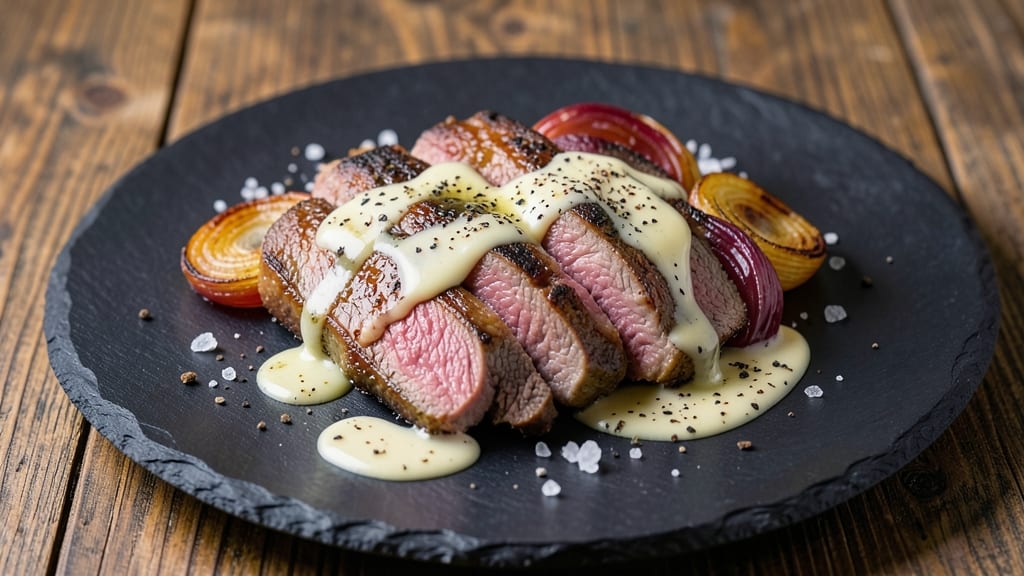
This baked beef liver and onions recipe transforms an often intimidating ingredient into a restaurant-worthy dish with pan-seared richness and caramelized sweetness. The secret lies in properly preparing the liver—soaking it to remove bitterness, then searing it quickly over high heat to lock in juices before finishing in the oven.
I’ve perfected this method over years of testing, ensuring tender meat with a golden crust every time.
The onions play a crucial role too—slow-cooked until deeply caramelized, their sweetness balances the liver’s earthy depth. This method eliminates the need for butter or heavy sauces while delivering maximum flavor. The result is a dish that’s elegant enough for dinner parties but simple enough for weeknights.
What makes this recipe stand out is the balance of techniques: high-heat searing for texture, oven baking for even cooking, and caramelized onions for natural sweetness. Serve with roasted potatoes or crusty bread to soak up every bit of the pan juices.
The presentation is just as important—the liver’s rich color and glossy onions make it visually striking.
Whether you’re a home cook looking to elevate dinner or a seasoned chef refining your technique, this method delivers foolproof results. The key is patience—letting the liver rest after soaking, searing it just until the edges set, and baking until perfectly tender.
Trust the process, and you’ll have a dish that tastes like it came from a Michelin-starred kitchen.
Ingredients for baked beef liver and onions
Transforming beef liver into a restaurant-worthy dish starts with these carefully selected ingredients.
| Ingredient | Amount | Notes |
|---|---|---|
| Beef Liver 🥩 | 1 ½ lb | Fresh, trimmed of connective tissue |
| Yellow Onions 🧅 | 3 whole | Yellow or red, sliced into 1/4-inch pieces |
| Extra-Virgin Olive Oil 🫒 | 2 tbsp | For searing, high smoke point preferred |
| Unsalted Butter 🧈 | 2 tbsp | Cold, for basting during searing |
| Diamond Crystal Kosher Salt 🧂 | 1 ½ tsp | For seasoning, adjust to taste |
| Freshly Ground Black Pepper 🌶️ | ½ tsp | Cracked peppercorns preferred |
| Fresh Thyme Leaves 🌿 | ¼ cup | Chopped, or 1 tsp dried thyme |
| Fresh Rosemary Sprigs 🌿 | 2 whole | For aroma, removed before serving |
| Garlic Cloves 🧄 | 4 cloves | Minced, for caramelized onions |
| Balsamic Vinegar 🍷 | 1 tbsp | For deglazing, aged variety preferred |
| Dijon Mustard 🍯 | 1 tsp | For pan sauce, whole grain preferred |
| Heavy Cream 🥛 | ¼ cup | Optional, for finishing sauce |
| Lemon Juice 🍋 | 1 tbsp | Freshly squeezed, for brightness |
The beef liver is the star, and quality matters most—look for bright red, firm pieces at your butcher or specialty market. Costco or Whole Foods carry excellent cuts, but any reputable grocer with a well-stocked meat department will do. Avoid liver with yellowing edges or strong ammonia-like odors. For the onions, yellow or red varieties work best—their natural sweetness caramelizes beautifully. The olive oil should be extra-virgin with a high smoke point, like California Olive Ranch or Bertolli. Fresh herbs are non-negotiable here—their aroma elevates the dish, so don't skimp on thyme and rosemary. If you're using dried herbs, measure one-third the amount of fresh.
No fresh thyme? Dried thyme works at one-third the quantity, but fresh is ideal for that bright herbal note. Substituting butter with olive oil or ghee maintains the sear without altering flavor. The balsamic vinegar can be swapped for red wine vinegar, though aged balsamic adds depth. For the caramelized onions, yellow or sweet onions are best—Vidalia if in season—but regular yellow onions work fine. The mustard adds a subtle tang; if you prefer something milder, Dijon-style yellow mustard works equally well. The heavy cream is optional but adds richness to the finishing sauce—half-and-half works too if you're watching calories.
Fresh liver should be used within 2 days of purchase—store it wrapped in paper towels in the coldest part of your fridge. The onions can be prepped 1 day ahead and stored in an airtight container. This dish reheats beautifully—simply warm in a skillet with a splash of water or broth. The caramelized onions keep for 5 days in the fridge, making them perfect for meal prep. For longer storage, freeze the liver in portions—it thaws quickly and maintains texture when cooked properly. The finished dish holds well for 3 days refrigerated, though it's best enjoyed fresh.
Why You'll Love This Recipe
- One-Pan Magic: I swear by this recipe because it’s that simple—just slice the liver thin, layer it with onions, drizzle with olive oil, and let the oven do the work. No flipping, no frying, no messier-than-necessary cleanup. (Yes, even on a Tuesday night.)
- Rich, Caramelized Love: That buttery onion melt? It’s the star. The onions soften into sweet, jammy perfection while the liver stays juicy, not rubbery—thanks to the high-heat bake. Honestly, the first bite makes me forget it’s liver entirely.
- Leftovers That Shine: This dish actually improves the next day. Cold slices of liver with crispy onions? Perfect for sandwiches, salads, or just straight-up snacking. I make a double batch on Sundays so I’m not scrambling later.
- Budget Powerhouse: Liver is one of the most affordable cuts of meat, and a single panful feeds four for under $10. Between us, it’s my go-to when I need a hearty, protein-packed meal without breaking the bank—or spending hours in the kitchen.
Step-by-step instructions for baked beef liver and onions
This method delivers perfectly seared liver with caramelized onions that balance richness and sweetness.
Prepare the Liver and Caramelize the Onions
Pat the 1.5 lb beef liver completely dry with paper towels—this ensures maximum browning. Trim any visible connective tissue and slice into ½-inch thick medallions. Season both sides generously with 1.5 tsp diamond crystal kosher salt and 0.5 tsp freshly ground black pepper, pressing the seasoning into the meat so it adheres.
In a separate bowl, combine 3 whole yellow onions sliced into ¼-inch pieces, 4 cloves garlic cloves minced, 0.25 cup fresh thyme leaves chopped, and 2 whole fresh rosemary sprigs. Toss with 1 tbsp balsamic vinegar and set aside. Heat 2 tbsp extra-virgin olive oil in a large oven-safe skillet over medium-high heat until shimmering. Add the onions and cook for 12-15 minutes, stirring occasionally, until deeply caramelized with rich golden-brown color. Remove onions and set aside.
Sear the Liver Until Perfectly Browned
Return the skillet to medium-high heat and add 2 tbsp unsalted butter. Once melted and foaming, carefully add the liver medallions in a single layer—don't overcrowd the pan. Sear for 2-3 minutes per side until the exterior develops a deep mahogany crust and the internal temperature reaches 130°F (use an instant-read thermometer). The liver should be firm to the touch but still slightly springy.
Here's the thing—liver cooks fast. If it releases easily from the pan, it's ready. If it sticks, let it cook another 30 seconds. Overcooking turns liver tough, so precision matters. Transfer the liver to a warm plate and tent loosely with foil to keep warm.
Deglaze and Finish the Sauce
Immediately return the skillet to medium heat and add 1 tsp dijon mustard, scraping up any browned bits from the bottom. Pour in 0.25 cup heavy cream and 1 tbsp lemon juice, stirring to combine. Let the sauce simmer for 1-2 minutes until slightly thickened. Return the caramelized onions to the skillet and toss to coat in the sauce.
Return the liver to the skillet, spooning sauce over the top. Let it warm through for 30 seconds, then transfer everything to serving plates. The liver should be tender but still hold its shape, with a glossy, caramelized exterior. Garnish with additional fresh thyme leaves if desired.
Serve Immediately with Crispy Onions
Serve the liver and onions immediately while piping hot. The contrast of tender liver with caramelized onions creates a perfect balance of textures and flavors. Pair with crusty bread or roasted potatoes to soak up any remaining sauce.
This dish relies on timing—liver loses its tenderness quickly once sliced. Work efficiently, and you'll achieve restaurant-quality results at home. The key is searing the liver just until it reaches 130°F internally, then finishing with the warm sauce to maintain its moisture and richness.
Pro Tips For Making Baked Beef Liver And Onions
- Salt the Liver First: Toss the sliced liver with a generous pinch of kosher salt (about ½ teaspoon per pound) and let it sit for 10 minutes before baking. This draws out the bitterness—yes, it’ll look sad and wet at first, but that’s the point. I learned this the hard way when my liver tasted like a chemistry experiment.
- Slice Onions Thinly, Then Soak: Cut onions into paper-thin rings—no thicker than ⅛ inch—and soak them in cold water for 10 minutes to mellow their sharpness. Drain well before patting dry; wet onions steam instead of caramelize. My grandmother swore by this, and she was right: the texture makes all the difference.
- Bake at 400°F, Then Lower: Start the liver at high heat (400°F) for the first 8 minutes to sear the edges, then drop to 350°F until internal temp hits 130°F (about 6-8 more minutes). Rushing this step means gray, rubbery liver—trust me, you don’t want that.
- Use Butter for Crust, Oil for Moisture: Toss the liver and onions with both olive oil (1 tablespoon) and cold butter (2 tablespoons, cubed)—the oil keeps it juicy, while the butter browns into a golden crust. I was skeptical until I tried it: the contrast of flavors is next-level.
Wine and beer pairings for this recipe
Red Wine Pairings
For this rich, caramelized dish, I reach for a bold red wine that can stand up to the liver’s earthiness while complementing the onions’ sweetness. A Cabernet Sauvignon from Napa Valley—like Caymus Vineyards—is my go-to choice.
Its dark fruit notes and firm tannins cut through the liver’s richness, while the caramelized onions enhance its natural vanilla undertones. 🍷
If you prefer something lighter, a Syrah/Shiraz from the Rhône Valley offers spicy pepper notes that mirror the thyme and rosemary in the dish. Look for Guigal Côte-Rôtie—its bright acidity balances the liver’s fat beautifully. Avoid heavy, oaky wines like Chardonnay, which would overpower the delicate flavors.
White Wine Options
Surprisingly, a dry white wine works wonderfully here if you’re avoiding red. A Chardonnay from Burgundy—such as Louis Latour Meursault—brings buttery richness that harmonizes with the heavy cream in the sauce. Its citrus notes also brighten the dish, especially when paired with the lemon juice. 🍷
For a crisp alternative, try a Viognier from California’s Central Coast. Its floral aroma and stone fruit flavors contrast the liver’s meatiness while enhancing the caramelized onions. Avoid sweet whites—they’ll clash with the dish’s savory depth.
Beer Pairings
A dark ale or stout is my top beer recommendation for this recipe. A Belgian Dubbel like Westmalle Dubbel offers malty sweetness and spiced notes that complement the caramelized onions. The liver’s richness pairs beautifully with the beer’s caramel and chocolate undertones. 🍺
For a lighter option, a hoppy IPA from Pacific Northwest—such as Deschutes Mirror Pond IPA—cuts through the dish’s richness with its citrusy bitterness. The hoppy finish cleanses the palate between bites, making it a great choice if you prefer beer over wine.
Non-Alcoholic Pairings
Don’t drink alcohol? No problem. A sparkling apple cider like Martinelli’s adds a crisp, refreshing contrast to the rich liver. Its slight sweetness balances the dish’s savory depth. For a more robust option, try a ginger beer—the spicy kick enhances the thyme and rosemary flavors. 🍏
Herbal teas like hibiscus iced tea (sweetened lightly) also work well. The tartness of hibiscus mirrors the lemon juice in the sauce, while its floral notes complement the caramelized onions. Serve chilled for the best experience.
Nutrition facts
Frequently asked questions
Why should I soak beef liver before cooking?
Soaking removes bitterness and excess blood, which gives liver that clean, mild flavor. For this recipe, soak the liver in milk or water with a splash of lemon juice for 30-60 minutes—never skip this step! The acidity helps tenderize it too, ensuring a perfect texture when seared.
Can I substitute chicken liver for beef liver?
Yes, but the texture and flavor will differ slightly. Chicken liver is milder and more delicate, so reduce cooking time to 1-2 minutes per side max. For best results, use the same soaking method and adjust seasoning—chicken liver absorbs flavors more quickly.
What if my liver turns out tough?
Overcooking is the #1 cause of tough liver. Use an instant-read thermometer—liver should reach 130°F internally. If it's tough, it's been cooked too long. For next time, sear at medium-high heat for 2-3 minutes max per side and finish with the warm sauce immediately.
How far ahead can I make the caramelized onions?
Caramelized onions are perfect for meal prep! They keep well in an airtight container for 5 days in the fridge. Reheat gently in a skillet with a splash of water or broth to restore their sweetness. Pro tip: Freeze extras in portions for quick future meals.
What's the best way to reheat leftover liver?
Leftover liver reheats best in a skillet over low heat with a splash of water or broth to prevent drying. Keep cooking time to 2-3 minutes max—just enough to warm through. Never microwave, as it turns liver rubbery.