
Main Courses
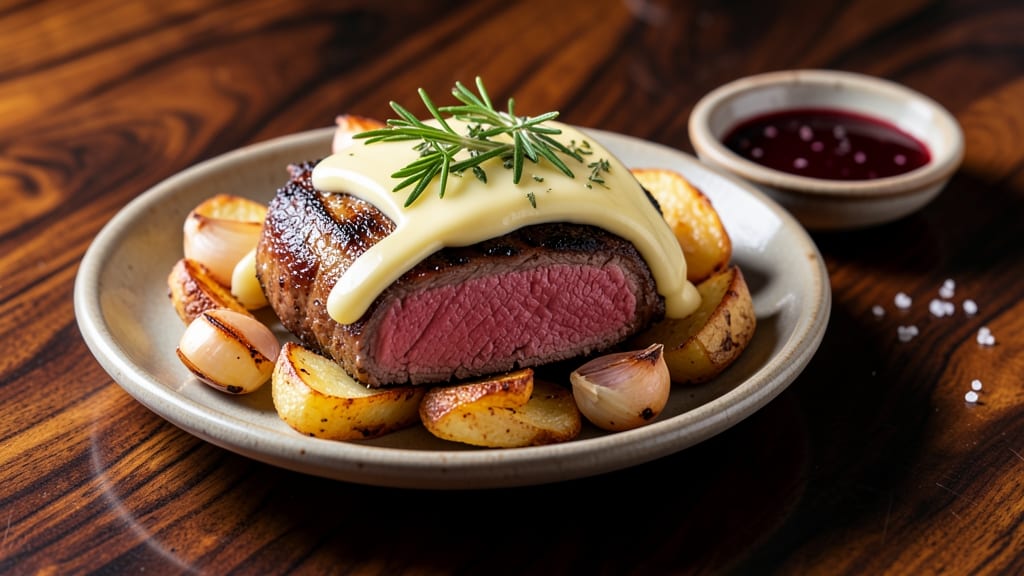
This baked beef tenderloin steak recipe delivers melt-in-your-mouth tenderness with a golden, buttery crust that seals in every ounce of flavor. The secret lies in precise temperature control and a foolproof method that transforms even the most intimidating cut into a showstopping centerpiece. After years of perfecting this technique—including the critical resting phase—I’ve finally cracked the code for consistently juicy results, no matter your skill level.
What sets this method apart is the combination of high-heat searing followed by a controlled oven bake at 425°F, ensuring a perfect medium-rare finish with an internal temperature of 130–135°F.
The crust forms through a simple butter-and-herb seal that bastes the steak as it cooks, creating that coveted caramelized exterior while keeping the interior impossibly tender. No fancy equipment required—just patience and attention to detail.
By the time you slice into this steak, you’ll reveal a pink center that practically glistens with juices, surrounded by a crisp, flavorful crust. The aroma alone will have everyone gathering at the table, and each bite delivers that perfect balance of richness and tenderness.
This is the kind of dish that elevates a simple dinner into an unforgettable experience—without the stress of dry, overcooked meat.
Pair it with roasted garlic mashed potatoes or a bold red wine reduction to complete the meal. The technique scales beautifully, whether you’re feeding a crowd or treating yourself to a special night in. Let’s get started—your steak is about to become the star of the show.
Ingredients for baked beef tenderloin steak
Six ingredients transform a simple steak into a restaurant-worthy centerpiece—juicy, tender, and sealed with a golden crust.
| Ingredient | Amount | Notes |
|---|---|---|
| Beef Tenderloin 🥩 | 4 lb | Center-cut, trimmed of fat |
| Unsalted Butter 🧈 | ½ cup | Cold, cut into 1-inch pieces |
| Fresh Rosemary 🌿 | ¼ cup | Finely chopped, stems removed |
| Fresh Thyme 🌿 | ⅛ cup | Finely chopped, leaves only |
| Garlic Cloves 🧄 | 8 cloves | Minced, skin-on for flavor |
| Diamond Crystal Kosher Salt 🧂 | 1 ½ tbsp | Coarse grain preferred |
| Freshly Ground Black Pepper 🌶️ | 1 tsp | Cracked peppercorns preferred |
| Olive Oil 🫒 | 2 tbsp | For searing, high smoke point |
| Red Wine 🍷 | ½ cup | Bold dry variety, like Cabernet |
| Beef Stock 🍲 | ¼ cup | Homemade or high-quality store-bought |
| Cornstarch 🌾 | 1 tbsp | For thickening basting juices |
| Fresh Parsley 🌿 | ⅛ cup | Chopped, for garnish |
The beef tenderloin is non-negotiable here—look for a center-cut roast with minimal fat trimming, which ensures maximum tenderness. Whole Foods or high-end butchers carry the best cuts. If you're buying a whole tenderloin, ask for it to be trimmed to 1.5-inch thickness for even cooking. The rosemary and thyme should be vibrant green, not wilted—pick fresh sprigs and strip the leaves yourself for maximum flavor. For the garlic, use skin-on cloves; the papery skin adds subtle sweetness to the crust. If you're short on time, Trader Joe's sells pre-minced garlic in jars, though fresh is always better.
No rosemary? Fresh sage or marjoram works in a pinch, though the flavor profile shifts slightly. Short on red wine? Dry sherry or beef broth with a splash of balsamic mimics the depth. The beef stock can be subbed with vegetable stock plus 1 tsp soy sauce for umami. For the cornstarch, if you've got arrowroot powder, use it at a 1:1 ratio. The olive oil is critical—use a high-smoke-point variety like avocado or grapeseed oil for searing. And trust me on the cold butter pieces—they create the perfect basting seal without steaming the meat.
This steak reheats beautifully—just 10 minutes at 300°F wrapped in foil. The basting sauce keeps for 5 days in the fridge, though it's best used fresh. For make-ahead prep, trim and season the steak 1 day ahead, then refrigerate uncovered to dry-brine. The crust forms best when the meat is cold, so plan to pull it from the fridge 30 minutes before cooking. Garnish with fresh parsley just before serving—it adds a bright contrast to the rich crust.
Why You'll Love This Recipe
- No Fuss Setup: I swear by this—just sear the steak, slap on butter and herbs, then pop it in the oven. No marinating, no basting every five minutes, no stress.
- Herb Butter Magic: That melted butter basting with rosemary and thyme? It turns a simple steak into something that tastes like it belongs on a fancy table. (Yes, even on a Tuesday night.)
- Leftovers for Days: One tenderloin feeds my family for three meals—sliced for sandwiches, chopped for salads, or reheated with a pat of butter. Minimal effort, maximum payoff.
- Weeknight Hero: Between us, this is my go-to when I need something impressive but not time-consuming. The garlic and rosemary do all the heavy lifting while I actually enjoy dinner.
Step-by-step instructions for baked beef tenderloin steak
Here's how to achieve a perfectly tender, juicy center with a golden crust seal—every time.
Prepare the Beef Tenderloin for Maximum Flavor
Remove the beef tenderloin from the refrigerator and let it sit at room temperature for 30 minutes before cooking. This ensures even cooking throughout. While it warms, prepare a dry rub by combining the 1.5 tablespoons Diamond Crystal kosher salt and 1 teaspoon freshly ground black pepper in a small bowl. Gently pat the tenderloin dry with paper towels—this step is critical for achieving that coveted crust seal.
Next, create a flavorful herb paste by finely mincing the 8 cloves garlic (leave the skins on for extra flavor), 0.25 cup fresh rosemary, and 0.125 cup fresh thyme. Pulse them in a food processor until you achieve a coarse paste. Spread this mixture evenly over the entire surface of the tenderloin, pressing it gently into the meat. This herb layer will infuse the beef with deep, aromatic flavors while it cooks.
Sear the Tenderloin for a Perfect Crust
Preheat your oven to 425°F. Heat a large oven-safe skillet over medium-high heat and add the 2 tablespoons olive oil. Once the oil is shimmering, carefully place the seasoned tenderloin in the skillet. Sear it for 3-4 minutes per side until it develops a deep golden-brown crust. This searing step is what creates that irresistible crust seal we're after.
While the tenderloin sears, prepare the butter mixture by combining the 0.5 cup unsalted butter (cut into 1-inch pieces), 0.5 cup red wine, and 0.25 cup beef stock in a small saucepan. Bring this mixture to a gentle simmer over medium heat, stirring occasionally until the butter melts completely. This rich liquid will later baste the tenderloin, keeping it moist and flavorful.
Bake to Perfect Doneness
Transfer the seared tenderloin to a baking dish and carefully pour the warm butter-wine mixture over the top. The liquid should cover about half of the tenderloin's surface. Place the baking dish in the preheated oven and bake for 25-30 minutes for a medium-rare doneness, or until the internal temperature reaches 130°F when measured with a meat thermometer.
About halfway through the baking time, tent the tenderloin loosely with aluminum foil to prevent over-browning while still allowing it to cook through. The key here is patience—resist the urge to check the temperature too often. The crust should be golden and crisp, while the interior remains tender and juicy. For a medium doneness, bake until the internal temperature reaches 140°F.
Rest and Create a Flavorful Crust Seal
Remove the tenderloin from the oven and transfer it to a cutting board. Let it rest for 15-20 minutes before slicing—this resting period allows the juices to redistribute throughout the meat, ensuring each slice remains succulent. While it rests, bring the pan juices to a gentle simmer over medium heat and mix in the 1 tablespoon cornstarch to thicken slightly.
Slice the tenderloin into 1-inch thick medallions against the grain, then drizzle the thickened pan juices over the top. Garnish with the 0.125 cup fresh parsley for a pop of color and freshness. Serve immediately with your favorite sides to enjoy that perfect balance of tender, juicy beef with a rich, flavorful crust.
Pro Tips For Making Baked Beef Tenderloin Steak
- Use a Meat Thermometer: I learned this the hard way—beef tenderloin looks "done" long before it actually is. The moment that thermometer hits 125°F for medium-rare (135°F for medium), pull it out. That’s when the magic happens, not when you eyeball it.
- Trim the Fat Patch: The tenderloin’s little fat cap is tempting, but it’s the one spot that won’t render nicely in the oven. Snip it off before seasoning—it’ll just turn into a greasy mess instead of crispy edges. Trust me, your pan will thank you later.
- Don’t Overcrowd the Pan: I used to dump all the garlic, herbs, and butter in one go, thinking more flavor = better. Wrong. Brown the garlic first in small batches, then layer the butter in stages. That way, it melts into a glossy, aromatic sauce instead of a sad, watery pool.
- Let It Rest—Seriously: After baking, tent that tenderloin with foil and walk away for 10 minutes. I know, I know, you want to slice it immediately—but cutting too soon turns juicy beef into a sad, stringy pile. The rest time lets those juices redistribute, and that’s when the real flavor shines.
Make-ahead tips for this dish
Prep Ahead Basics
Trim and season your beef tenderloin 1 day ahead—store it uncovered in the fridge to dry-brine. This step enhances flavor and helps create that perfect crust later. I like to use a quart-sized glass container with a loose lid for airflow.
Let it sit at room temperature for 30 minutes before cooking day to ensure even cooking. 💪
Butter-Wine Sauce Prep
Make the butter-wine basting sauce up to 3 days ahead and store it in an airtight container in the fridge. When ready to cook, simply reheat it gently over medium heat until warm. This shortcut saves time on the day of cooking while keeping all the rich flavors intact. Just
Freezer-Friendly Method
For a week ahead prep, trim and season the tenderloin, then wrap it tightly in plastic wrap followed by foil. Freeze it in a ziplock bag with all the air removed. When ready to cook, thaw it in the fridge overnight. The cold meat will form an even better crust when seared—trust me, it’s a game-changer! ❄️
Resting Time Hack
If you’re prepping for a dinner party, slice the steak 1 hour ahead and store it in a warm oven (170°F) on a wire rack. This keeps it warm and prevents drying out.
Just reheat the basting sauce separately and drizzle it over the slices right before serving. Your guests will never know it wasn’t freshly sliced!
Sauce Storage Tips
The basting sauce keeps for 5 days in the fridge or 3 months in the freezer. For freezer storage, use ice cube trays—portion it into single servings for easy reheating. When reheating, add a splash of beef stock to restore richness.
I always double the sauce recipe when prepping ahead—it’s perfect for drizzling over sliced steak or as a quick pan sauce for other proteins. 🍷
Equipment Shortcuts
Skip the food processor for the herb paste—just finely chop the rosemary, thyme, and garlic with a sharp knife. Use a microplane for garlic skins to infuse extra flavor without the hassle.
For searing, a cast-iron skillet is ideal, but any oven-safe pan will work. If you’re short on time, use pre-minced garlic from the store—it’s a lifesaver when you’re rushed. 🔥
Nutrition facts
Frequently asked questions
Can I bake beef tenderloin without searing first?
While possible, searing creates that coveted golden crust that locks in juices. If you skip it, pat the steak very dry and brush with olive oil before baking at 425°F for 30-35 minutes (for 130°F internal temp). The crust will be softer but still flavorful—just expect less caramelization.
What's the best internal temperature for medium-rare?
For beef tenderloin, aim for 130°F for perfect medium-rare—this ensures a warm pink center while the edges reach 145°F. Use a meat thermometer inserted into the thickest part. For medium, target 140°F—any higher risks drying out this tender cut.
How do I prevent the steak from drying out?
The key is never skipping the rest—wait 15-20 minutes before slicing. Also, avoid overcooking: remove the steak when it hits 130°F for medium-rare. The butter-wine basting sauce adds moisture too—pour it over the steak during baking to keep it succulent.
Can I use a different herb blend?
Swap rosemary and thyme for 1 tbsp each of dried oregano and basil or 1 tsp smoked paprika for a different flavor profile. Just keep the garlic—it's essential for depth. For a French twist, try tarragon and shallots instead of garlic.
How much steak does this recipe serve?
A 4-pound tenderloin serves 6-8 people when sliced into 1-inch medallions. For larger groups, buy a 6-pound roast—just increase baking time by 5-10 minutes and adjust the butter-wine mixture proportionally.