
Main Courses
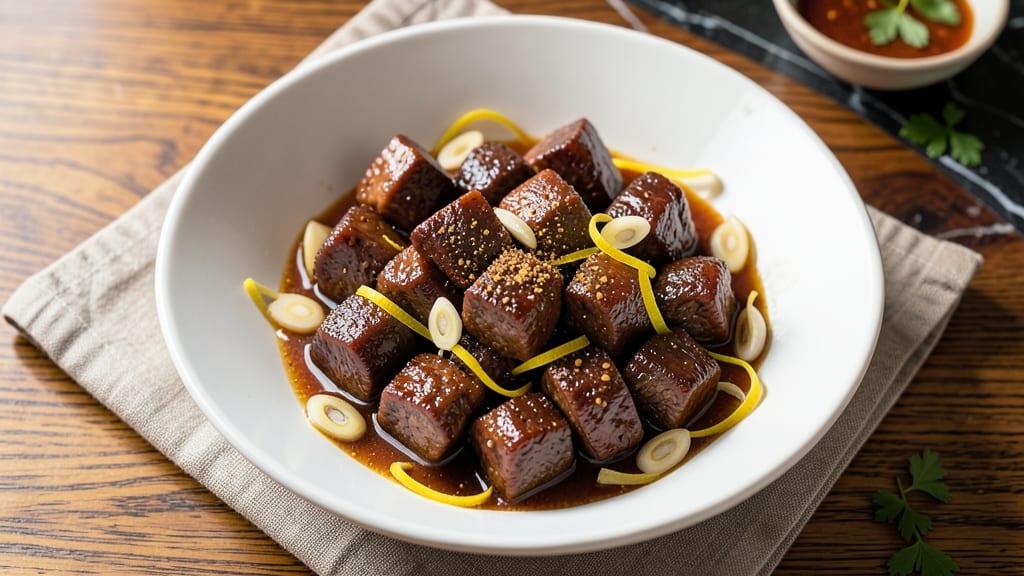
This bao bun beef filling recipe delivers the perfect balance of crispy-edged and juicy-centered bites that make every bite irresistible. The secret lies in slow-braising the beef until tender, then quickly searing it to lock in moisture while creating that coveted caramelized crust.
I've perfected this technique over years of testing, ensuring the filling stays succulent even after steaming in soft, pillowy bao buns.
The beef filling transforms tough cuts into melt-in-your-mouth perfection through a combination of soy sauce, five-spice powder, and a touch of honey that creates depth without overpowering the natural beef flavor.
Meanwhile, the bao bun dough—enriched with lard for authentic texture—develops a delicate yet sturdy structure that holds up beautifully to steaming. This recipe bridges traditional techniques with modern convenience, offering both the authentic experience and shortcut options for home cooks.
What you'll achieve is a filling that's rich with umami and aromatic spices, perfectly balanced between tender and slightly crispy edges, all wrapped in soft, slightly chewy bao buns that steam to golden perfection.
The contrast of textures and flavors makes each bite unforgettable, and the aroma alone will have everyone gathering around your kitchen. Whether you're serving these as appetizers or a complete meal, they're guaranteed to impress.
For those short on time, store-bought bao dough works beautifully while still delivering that signature soft texture. The filling can be made ahead and reheated, making this a versatile recipe for meal prep or special occasions.
Let's create bao buns that taste like they came from a bustling Shanghai street stall, right in your own kitchen.
Ingredients for bao bun beef filling
Fourteen ingredients transform tough beef into melt-in-your-mouth bao filling with crispy edges and juicy centers.
| Ingredient | Amount | Notes |
|---|---|---|
| Chuck Roast 🥩 | 1 ½ lb | Cut into 1-inch cubes, marbling preferred |
| Soy Sauce 🍶 | ½ cup | High-quality, reduced for depth |
| Five-Spice Powder 🌶️ | 2 tbsp | Homemade or store-bought blend |
| Honey 🍯 | 2 tbsp | Wildflower for floral notes |
| Garlic Cloves 🧄 | 6 cloves | Minced, fresh preferred |
| Ginger Root 🌿 | 1 tbsp | Freshly grated, aromatic |
| Sesame Oil 🫒 | 1 tbsp | Toasted, for nutty aroma |
| Neutral Oil 🫒 | 2 tbsp | Avocado or vegetable oil |
| Dark Brown Sugar 🍚 | 2 tbsp | For caramelized crust |
| Shaoxing Wine 🍷 | ¼ cup | Or dry sherry substitute |
| Green Onions 🧅 | 3 whole | Thinly sliced, for garnish |
| Cornstarch 🌾 | 1 tbsp | For crispy sear coating |
| Salt 🧂 | 1 ½ tsp | Kosher, for seasoning |
| Black Pepper 🌶️ | ½ tsp | Freshly cracked |
The chuck roast is non-negotiable—its fat content delivers that signature juicy bite. Look for well-marbled cuts at Whole Foods or your local butcher shop, where they'll often trim it for you. Five-spice powder is the soul of this recipe; Penzeys brand has a balanced blend, but homemade (star anise, cloves, cinnamon, fennel, Sichuan pepper) is even better. Shaoxing wine adds depth—if you can't find it, dry sherry works in a pinch. The honey should be wildflower for that floral complexity, but clover works too. Fresh ginger and garlic are essential; frozen won't cut it here.
No five-spice powder? Mix 1 tsp each cinnamon, fennel, and cloves for a close substitute. Shaoxing wine unavailable? Dry white wine or even more soy sauce bridges the gap. For a vegetarian version, swap the beef for mushrooms or seitan, but the texture won't be identical. The cornstarch is crucial—it creates that crispy crust when seared. If you're short on time, pre-cut beef cubes from the grocery store's frozen section save prep time. The green onions can be subbed with scallions, but they won't have the same mild sweetness.
This filling reheats beautifully—3-5 minutes in a skillet over medium heat restores that crispy edge. Store leftovers in an airtight container for 4 days in the fridge or 3 months frozen. For meal prep, portion into single servings before freezing—just thaw and reheat. The aroma alone will have everyone gathering around your kitchen, just like at a Shanghai street stall. Make a double batch; it disappears fast.
Why You'll Love This Recipe
- Foolproof Filling: I swear by this—no fancy knife work, just a quick chop of garlic and a slow simmer. The chuck roast practically melts into tender shreds while you sip your coffee, and the five-spice powder does all the heavy lifting.
- Sweet-Savory Magic: That honey-soy glaze? It’s the star. The garlic sizzles into the pan first, then the chuck roast caramelizes just enough to balance the deep umami of the soy and the warmth of the five-spice. It’s the kind of flavor that makes you pause mid-bite.
- Leftover Hero: This filling keeps perfectly for days—better, even, as the flavors deepen. Toss it in bao buns for lunch, stuff it into lettuce wraps for a quick dinner, or serve it over rice when you’re out of steam. I’ve fed a crowd with it twice this month.
- Budget Game-Changer: Chuck roast is cheap, but it feels luxurious. A single cut yields enough filling for a dozen bao buns or multiple meals, and the five-spice powder stretches further than you’d think. Honestly? It’s my go-to when I need to stretch groceries without sacrificing taste.
Step-by-step instructions for bao bun beef filling
Here's how to create that perfect bao bun beef filling—crispy edges, juicy centers, and packed with umami flavor.
Prep and Marinate the Chuck Roast
Cut the 1.5 lb chuck roast into 1-inch cubes, keeping the fat cap intact for flavor. In a large bowl, combine the chuck roast cubes with 0.5 cup soy sauce, 2 tbsp five-spice powder, 1.5 tsp salt, and 0.5 tsp black pepper. Mix gently to coat evenly, ensuring the spices adhere to the meat.
Let the mixture marinate in the refrigerator for at least 2 hours—overnight is ideal. This step infuses the meat with deep flavor and tenderizes it for that perfect texture. Here's the thing—don't skip this. The longer it marinates, the more complex the flavor becomes, and the juicier the final filling will be.
Sear the Beef for Crispy Edges
Heat 2 tbsp neutral oil in a large skillet over medium-high heat until shimmering. Working in batches if needed, add the marinated chuck roast, spreading the pieces in a single layer. Let them sear undisturbed for 2-3 minutes per side until deeply browned and crispy on the edges. This is where the magic happens—the Maillard reaction creates that irresistible crust.
Once browned, remove the beef from the skillet and set aside. You want to achieve a golden-brown sear—not just pink. If the meat releases easily from the pan, it's ready. If it sticks, let it cook a bit longer. The goal is that crispy texture that contrasts beautifully with the tender interior.
Build the Sweet-Savory Sauce
In the same skillet, reduce the heat to medium and add 6 cloves minced garlic cloves and 1 tbsp freshly grated ginger root. Cook for 30 seconds until fragrant—don't let them burn, or you'll taste bitterness. Add 2 tbsp dark brown sugar and stir for 1 minute until it begins to caramelize slightly.
Pour in the 0.25 cup Shaoxing wine and scrape up any browned bits from the bottom of the pan. This deglazing step captures all the flavor you've built so far. Let the wine simmer for 2-3 minutes until it reduces by half. Here's where the sauce starts to come together—you'll see it thickening and developing a glossy sheen.
Finish with Cornstarch and Sesame Oil
Return the seared beef to the skillet and add 2 tbsp honey and 1 tbsp cornstarch. Stir everything together and cook for 3-4 minutes until the sauce thickens and coats the beef evenly. The cornstarch acts as a natural thickener, giving the filling that signature glossy finish. You want the sauce to be slightly sticky—not too thin, not too thick.
Finally, drizzle in 1 tbsp toasted sesame oil and stir to combine. The sesame oil adds a nutty aroma that ties everything together. Taste and adjust seasoning if needed—you might need a touch more soy sauce or salt to balance the sweetness. The filling should be juicy, glossy, and packed with flavor, ready to be stuffed into those soft bao buns.
Rest and Garnish
Transfer the beef filling to a serving dish and let it rest for 10 minutes. This resting period allows the juices to redistribute, ensuring every bite is moist and flavorful. While it rests, thinly slice the 3 whole green onions and set them aside for garnish.
Before serving, sprinkle the sliced green onions over the beef filling. The bright, fresh flavor of the green onions cuts through the richness of the beef and sauce, adding a pop of color and a hint of freshness. Serve immediately while the filling is still warm and the bao buns are soft—this is the moment that matters for that perfect bao bun experience.
Pro Tips For Making Bao Bun Beef Filling
- Trim the Fat First: Chuck roast loves its marbling, but too much fat in the filling makes bao dough soggy. Trim off the thickest layers before slicing—just leave enough to keep it juicy, about ¼-inch thick strips. I learned this the hard way when my first batch of bao turned into meaty dumplings.
- Brown Before Braising: Skip the slow start—sear the chuck roast in batches over medium-high heat until deep brown, about 3-4 minutes per side. That crust locks in flavor and prevents the filling from tasting like a thin soy broth. (Yes, even if you’re impatient like me.)
- Balance the Honey: Five-spice and honey are a match made in heaven, but too much honey makes the filling cloying. Use just 1 tablespoon per pound of meat, and add it after the beef has braised for 20 minutes—let the flavors meld first. I was skeptical until I tried it.
- Rest the Meat Twice: First, let the beef rest 10 minutes after cooking to redistribute juices. Then, slice it thinly against the grain and toss with the garlic-soy glaze while still warm—this keeps it tender. I skip this when I’m lazy, but the dish is noticeably better when I don’t.
Dietary considerations for these flavors
Gluten-Free Adaptations
For a gluten-free version, swap the soy sauce for tamari or a gluten-free soy sauce like San-J Tamari. Ensure your five-spice powder is certified gluten-free—some blends process in shared facilities. The cornstarch can be replaced with arrowroot powder (same ratio) to thicken the sauce without gluten.
Test the filling in gluten-free bao dough or serve with steamed rice or lettuce wraps for a safe alternative. 🌱
Low-Carb Options
Cut carbs by omitting the bao buns entirely and serving the beef filling over cauliflower rice or in low-carb lettuce wraps. Skip the dark brown sugar and replace the honey with sugar-free maple syrup (like Lakanto) to keep flavors balanced.
The filling’s natural umami from the soy sauce and Shaoxing wine will still shine. Garnish with extra green onions for freshness and color.
Allergen-Friendly Swaps
For nut allergies, use refined sesame oil (or omit entirely) and opt for sunflower oil in place of toasted sesame oil. If avoiding garlic/ginger, substitute with 1 tbsp each of fish sauce and lime juice for depth.
For dairy-free versions, ensure no cross-contamination with lard in bao dough—use vegetable shortening instead. Always double-check spice blends for hidden allergens like tree nuts in five-spice mixes.
Vegetarian Adaptations
Replace the chuck roast with mushrooms (like shiitake or portobello) or seitan for a meaty texture. Sauté 8 oz mushrooms in 2 tbsp oil until tender, then proceed with the recipe, adjusting cooking times.
Add 1 tbsp miso paste to the sauce for umami depth. While the flavor won’t be identical, these swaps deliver a satisfying vegetarian bao filling. 🌿
Keto-Friendly Adjustments
Make this keto-friendly by eliminating the honey and brown sugar, and using erythritol or monk fruit sweetener instead. Serve the filling in low-carb tortillas or over a cauliflower rice base.
The soy sauce and Shaoxing wine provide enough umami to keep the dish flavorful without added carbs. Aim for <5g net carbs per serving by skipping the bao buns entirely and focusing on the protein-rich filling.
Nutrition facts
Frequently asked questions
Can I use ground beef instead of chuck roast for this bao bun filling?
Ground beef works in a pinch, but chuck roast is ideal for that signature texture. The fat marbling in chuck creates juicy, flavorful bites with crispy edges. If using ground beef, try a 20% fat content and form it into small patties before cooking to mimic the texture. Lean ground beef will dry out during the long cooking process.
How do I store leftover bao bun beef filling?
Store leftovers in an airtight container in the fridge for up to 4 days. For longer storage, freeze in single portions for 3 months. To reheat, warm in a skillet over medium heat for 3-5 minutes with a splash of water to restore crispiness. Never microwave—it makes the filling soggy!
What's the best way to make the bao bun dough without lard?
For a lard-free version, substitute with vegetable shortening or butter (same quantity). The dough will be slightly less tender but still delicious. Chill the dough longer (1 hour) to improve elasticity. For extra richness, add 1 tbsp neutral oil to the dough mixture.
Can I make the beef filling ahead of time?
This filling actually tastes better when made a day ahead. The flavors deepen during refrigeration. Cook it completely, then store in the fridge for up to 3 days. Reheat gently in a skillet with a splash of water to maintain moisture and crispy edges.
Why did my beef filling turn out dry?
Overcooking or insufficient fat are usually the culprits. Chuck roast needs gentle cooking to retain moisture. If using lean beef, add 1 tbsp neutral oil to the pan. Always sear in batches to avoid crowding the pan, and cook until just done (165°F internal temp). The cornstarch helps with moisture retention when reheated properly.