
Sauces & Condiments
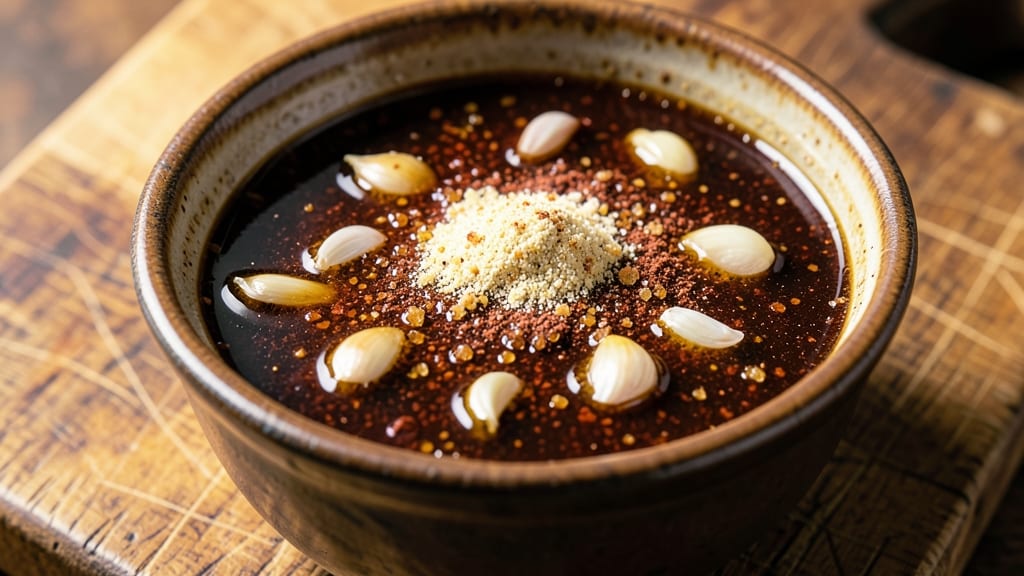
This barbecue beef ribs marinade transforms tough cuts into melt-in-your-mouth perfection with just a few hours of prep. 🔥 As a pitmaster who grew up on slow-cooked ribs, I know the secret isn't just time—it's the right balance of sweet, smoky, and tangy flavors that tenderize while building that irresistible bark. The acid in this blend breaks down collagen, while brown sugar and spices create a flavor crust that locks in moisture.
The magic happens in the marinating process itself—4 to 12 hours in the fridge lets the flavors penetrate deeply without overpowering the natural beef taste. I developed this blend after years of experimenting with wild-foraged herbs and competition-level rubs, and it consistently delivers that fall-off-the-bone tenderness you crave.
The combination of apple cider vinegar and Worcestershire adds depth, while smoked paprika brings that essential smokiness right to your marinade.
What makes this marinade special is its versatility—it works equally well for 3-2-1 ribs or baby back cuts, and the flavors develop even better after overnight marinating.
The sweet and smoky profile creates that perfect balance between caramelized exterior and tender meat, making it my go-to for any backyard cookout or competition-style smoking session. Store leftovers in the fridge for up to a week, ready to transform your next rib project.
For best results, pat the ribs dry before applying the marinade and let them sit uncovered in the fridge for the final hour to develop that flavorful crust.
This isn't just a marinade—it's the foundation for restaurant-quality ribs at home, using simple ingredients and techniques I've perfected over years of pitmaster experience. Let's get cooking!
Ingredients for barbecue beef ribs marinade
Nine ingredients, endless smoky-sweet flavor—this marinade turns tough ribs into melt-in-your-mouth perfection.
| Ingredient | Amount | Notes |
|---|---|---|
| Apple Cider Vinegar 🍎 | ½ cup | Raw, unfiltered preferred for depth |
| Worcestershire Sauce 🍶 | ¼ cup | Anchovy-free version for dietary flexibility |
| Brown Sugar 🍚 | ½ cup | Light or dark, packed firmly |
| Smoked Paprika 🌶️ | 2 tbsp | High-quality, not smoked paprika blend |
| Garlic Cloves 🧄 | 6 cloves | Freshly minced, aromatic |
| Onion Powder 🧅 | 1 tbsp | Freshly ground preferred |
| Ground Black Pepper 🌶️ | 1 tbsp | Freshly cracked for intensity |
| Salt 🧂 | 1 ½ tbsp | Diamond Crystal kosher preferred |
| Fresh Thyme Leaves 🌿 | ¼ cup | Finely chopped, aromatic |
| Fresh Rosemary Sprigs 🌿 | ¼ cup | Finely chopped, piney aroma |
The apple cider vinegar is non-negotiable here—it's the collagen-breaker that transforms tough meat. Grab the raw, unfiltered kind from Whole Foods or your local health store for that extra depth. Worcestershire sauce? Anchovy-free versions like Annie's or Heinz work perfectly. Brown sugar should be packed firmly—don't scoop it loosely. For smoked paprika, Penzeys or bulk bins at natural markets deliver that authentic competition-level smokiness. The garlic and fresh herbs? Farmers markets always have the freshest, but grocery store varieties work if you use them within a week. Pro tip: Toast your spices in a dry pan for 30 seconds before mixing—they'll release their oils and flavor like crazy.
No apple cider vinegar? White vinegar or lemon juice works in a pinch, though the flavor profile shifts slightly. Worcestershire missing? Soy sauce plus a pinch of sugar mimics the umami. Smoked paprika too expensive? Regular paprika plus a dash of liquid smoke gets you close. Fresh herbs wilted? Dried thyme and rosemary at half the amount will do, but you'll lose that bright aroma. The brown sugar can be swapped for maple syrup if you're watching calories, though it'll be slightly less caramelized. Always taste before applying—this marinade is meant to be bold, but you can adjust the sweetness to your preference. For extra tenderness, let the ribs sit uncovered in the fridge for the final hour before cooking—the evaporation concentrates the flavors into that perfect crust.
This marinade keeps beautifully in an airtight container in the fridge for up to 2 weeks. I double the batch and store it in two separate jars—one for ribs, one for chicken thighs. For longer storage, freeze portions in ice cube trays for 6 months. The flavors actually develop more over time, so don't be afraid to make extra. When using, shake well before applying—some ingredients naturally separate. And here's a pitmaster secret: if you've got leftover marinade after coating the ribs, save it! It makes an amazing glaze when reduced by half on the stove.
Why You'll Love This Recipe
- Five-Ingredient Magic: I swear by this combo—just toss it all in a bowl, stir, and let the ribs soak while you make dinner. No fancy equipment, no stress, and honestly, the apple cider vinegar cuts through the richness like a dream.
- Smoky-Sweet Obsession: That smoked paprika and brown sugar team up for a caramelized crust that’s dangerously addictive. The garlic? It melts into the meat, leaving you with layers of flavor that make store-bought sauces feel sad.
- Weeknight or Party Star: Slap this marinade on ribs for a Tuesday night slow cooker meal or double the batch for game day. It’s my go-to for crowds—no one ever guesses how little effort it takes to impress them.
- Leftovers That Don’t Suck: Marinate extra ribs, then freeze them for lazy days. Thaw, grill, and boom—you’ve got a backup meal that tastes just as good the second time. (Between us, I’ve reheated these three times and still crave them.)
Step-by-step instructions for smoky-sweet beef ribs marinade
Mix this marinade carefully—each ingredient plays a role in unlocking fall-off-the-bone tenderness.
👨🍳 Step 1: Combine Wet Ingredients for Depth
In a medium bowl, whisk together the 0.5 cup apple cider vinegar and 0.25 cup Worcestershire sauce until fully blended. The acidity from the vinegar helps tenderize the tough rib meat while the Worcestershire adds that unmistakable umami depth. I like to use raw, unfiltered vinegar here—it has more flavor complexity than distilled versions.
Next, add the 0.5 cup packed brown sugar and whisk until completely dissolved. This isn't just for sweetness; the sugar helps caramelize during cooking, creating that beautiful bark while keeping the meat moist. Don't worry if it looks like too much sugar—it'll balance perfectly with the other flavors.
🍳 Step 2: Add Aromatics and Spices
In a small food processor or with a sharp knife, finely mince the 6 garlic cloves and 0.25 cup fresh rosemary sprigs, then add these to your marinade along with the 0.25 cup fresh thyme leaves. Pulse or chop until the rosemary and thyme are finely chopped but not paste-like—you want visible flecks that'll release their piney, earthy flavors during cooking.
Add the 2 tbsp smoked paprika, 1 tbsp onion powder, 1 tbsp ground black pepper, and 1.5 tbsp salt to the bowl. Give it a good stir with a wooden spoon to distribute all the dry ingredients evenly. The smoked paprika gives that signature BBQ flavor without overwhelming the other ingredients, while the fresh herbs add brightness that balances the richness of the meat.
🥘 Step 3: Mix Thoroughly and Test
Combine everything in the bowl and stir vigorously for about 2 minutes with a wooden spoon. You want to make sure all the spices and herbs are fully incorporated and the sugar is completely dissolved. The marinade should have a thick, syrupy consistency—this helps it cling to the ribs during the marinating process.
For a taste test, dip a clean finger in the marinade and taste. It should be tangy from the vinegar, sweet from the brown sugar, with a nice balance of smoky and herbal notes. If it needs more salt, add a pinch at a time—remember, you can always adjust later when you apply it to the ribs. This marinade works best when used fresh, so make it just before applying to your beef ribs.
⏰ Step 4: Apply and Marinate for Maximum Tenderness
Place your beef ribs in a large resealable plastic bag or shallow dish. Pour the marinade over the ribs, making sure they're completely coated. If using a bag, seal it tightly and massage the marinade into the meat to ensure even coverage. For best results, marinate for at least 4 hours in the refrigerator, but I recommend 8-12 hours for maximum tenderness.
Here's the thing about marinating ribs—don't rush it. The acid in the vinegar and the combination of ingredients need time to work their magic. Flip the ribs occasionally during marinating to ensure all sides get coated. If you're short on time, you can still get great results with at least 2 hours of marinating, but the longer you let it sit, the more tender and flavorful your ribs will be.
Pro Tips For Making Barbecue Beef Ribs Marinade
- Mince That Garlic: I used to throw whole cloves into the marinade and wonder why the flavor felt uneven. Now I smash 3-4 cloves with the flat side of my knife first, then mince—this releases more aroma and blends smoothly without chunks.
- Balance the Vinegar: Apple cider vinegar adds tang, but too much makes ribs taste sour. Start with ¼ cup, taste, then adjust—if it’s sharp, add 1 tbsp brown sugar to mellow it out. (Trust me, you’ll catch it before it’s too late.)
- Skip the Raw Sugar: Brown sugar clumps when wet, and that’s a headache. Lightly toast ¼ cup in a dry pan for 2 minutes until fragrant, then let it cool completely before mixing. Your marinade will dissolve like a dream.
- Marinate Overnight, Not Hours: I learned this after rushing ribs for a last-minute BBQ: 4-6 hours is enough for beef ribs—longer doesn’t penetrate deeper, just makes them soggy. Cover and refrigerate, but don’t let it sit past 12 hours.
Serving suggestions for this recipe
Classic Sides
Serve your ribs with creamy coleslaw—I make mine with a tangy vinegar-based dressing and crisp cabbage for that perfect crunch contrast. Cornbread is another must-have; its slight sweetness complements the smoky ribs beautifully.
For a heartier option, try mac and cheese with a crispy breadcrumb topping—it soaks up all that delicious rib juice. 🌽
Fresh Accompaniments
Add a pickled onion topping to your plate—thinly sliced red onions marinated in vinegar and a pinch of sugar cut through the richness. Grilled vegetables like zucchini and bell peppers also pair wonderfully, especially if you brush them with olive oil and smoked paprika before grilling.
For a refreshing touch, arugula salad with lemon vinaigrette adds brightness and texture.
Bread Pairings
No BBQ feast is complete without crusty bread to sop up those juices. I love sourdough or Texas toast—thick-cut white bread fried in butter until golden.
For extra indulgence, try biscuits with honey butter; the sweetness balances the smoky ribs perfectly. Keep a basket nearby so guests can serve themselves throughout the meal.
Drink Recommendations
For the perfect pairing, serve sweet tea—it’s a Southern staple that complements the smoky flavors without overpowering them. Light beer like a lager or pilsner works well too, as its crispness cleanses the palate.
If you prefer cocktails, a whiskey sour with fresh mint adds a refreshing contrast to the rich ribs. 🍺
Dessert Pairings
End the meal with peach cobbler—its warm, spiced filling contrasts beautifully with the smoky ribs. Banana pudding is another crowd-pleaser, especially if you add a sprinkle of crushed graham crackers for texture.
For something lighter, berry shortcake with fresh whipped cream offers a bright finish. Save room for these—trust me, you’ll want seconds! 🍑
Nutrition facts
Frequently asked questions about barbecue beef ribs marinade
Can I use this marinade on other meats besides ribs?
This smoky-sweet blend works beautifully on pork chops, chicken thighs, or even beef brisket. The acidity tenderizes tough cuts while the spices add depth. For chicken, reduce marinating time to 2-4 hours to avoid over-tenderizing. Just remember—never reuse marinade that's touched raw meat unless you boil it first for safety.
How do I know if my ribs are properly marinated?
Look for even color and slightly glossy surface—this means the marinade has penetrated. The ribs should also smell aromatic with notes of smoke, garlic, and herbs. For extra assurance, cut a small test piece: if it's tender with flavor throughout, you're good to go. Pro tip: Let ribs sit uncovered in the fridge for the final 30-60 minutes before cooking to develop that flavorful crust.
What's the best way to store leftover marinade?
Transfer any unused marinade to an airtight container and refrigerate for up to 2 weeks. For longer storage, freeze in ice cube trays for 6 months. The flavors actually improve over time! When using frozen marinade, thaw it in the fridge overnight and shake well before applying—some ingredients may separate. Never freeze marinade that's touched raw meat unless you boil it first to kill bacteria.
Can I make this marinade without Worcestershire sauce?
Yes! Substitute with 2 tbsp soy sauce plus 1 tsp sugar for umami depth. For a vegetarian option, use 2 tbsp tamari or 1 tbsp miso paste. The key is balancing the saltiness—reduce other salty ingredients slightly if needed. The marinade will still deliver that signature smoky-sweet flavor, just with a slightly different profile. Always taste and adjust before applying to meat.
Why did my ribs turn out too sweet after marinating?
This usually happens when the sugar caramelizes too much during cooking. Try reducing the brown sugar to 0.35 cup next time, or balance it with more acid (extra 1 tbsp vinegar). For extra control, pat ribs very dry before applying marinade and cook at slightly lower temperatures (225°F instead of 250°F) to prevent rapid caramelization. The goal is sweetness that enhances, not dominates, the smoky flavors.