
Sauces & Condiments
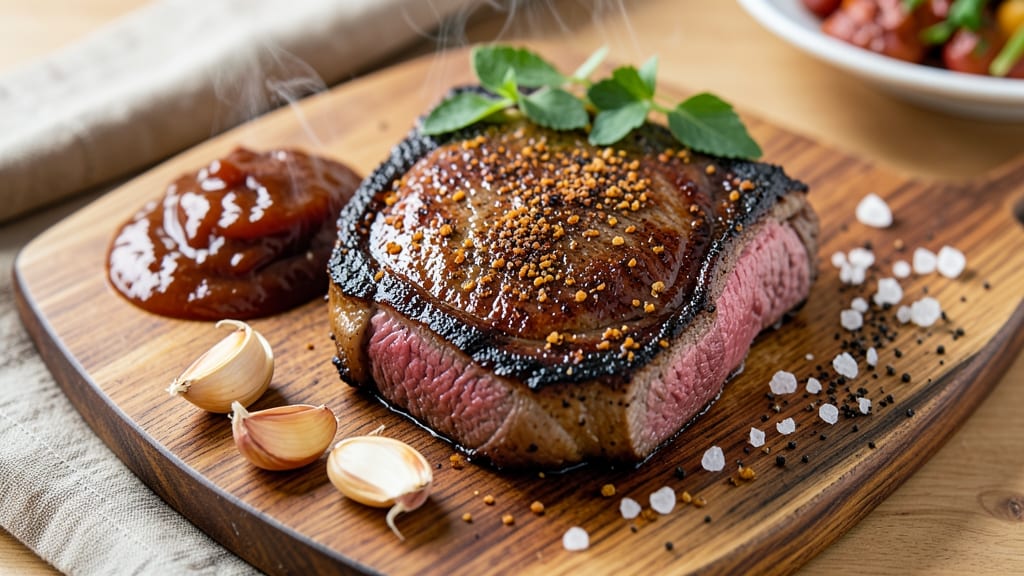
This BBQ beef dry rub recipe transforms tough cuts into tender, flavor-packed masterpieces—no matter your grill or smoker. 🔥 After years of perfecting rubs at competitions, I've distilled the essential spices that create that signature bark and deep, smoky flavor. The secret isn't just the spices, but how they're balanced to enhance the natural beef flavor rather than overpower it.
This blend uses just 7 simple ingredients—no fancy imports or hard-to-find spices. The combination of brown sugar for caramelization, smoked paprika for depth, and a touch of cayenne for heat creates a perfect foundation.
I developed this mix to work equally well on brisket, ribs, or steaks, giving you that authentic BBQ flavor without the guesswork.
The magic happens when you apply this rub generously to dry beef 1-2 hours before cooking. The spices adhere to the meat, forming that coveted crust while the sugar helps create a beautiful bark.
Whether you're smoking for hours or searing on the grill for minutes, this rub delivers consistent, restaurant-quality results every time.
For those who want to experiment, I've included variations in the tips section—from sweet and smoky to boldly spicy profiles. The beauty of dry rubs is their versatility; you can adjust the heat level or sweetness to suit your taste. Let's get started on creating your signature BBQ flavor profile!
Ingredients for bbq beef dry rub
Seven spices and sugar that turn any beef into BBQ perfection—no fancy tools needed.
| Ingredient | Amount | Notes |
|---|---|---|
| Light Brown Sugar 🍚 | ½ cup | Packed for better adhesion |
| Smoked Paprika 🌶️ | 3 tbsp | High-quality for smoky depth |
| Kosher Salt 🧂 | 2 tbsp | Diamond Crystal preferred |
| Ground Black Pepper 🌶️ | 1 tbsp | Freshly ground for best flavor |
| Garlic Powder 🧄 | 1 ½ tbsp | Not garlic salt |
| Onion Powder 🧅 | 1 ½ tbsp | For sweet base notes |
| Cayenne Pepper 🔥 | ½ tbsp | Adjust for heat preference |
The brown sugar is non-negotiable here—it's what creates that signature bark. Store-brand is fine, but if you want to splurge, Whole Foods or Trader Joe's have great organic options. Smoked paprika makes or breaks the flavor. Penzeys or McCormick's smoked are my go-tos—they've got that authentic, deep smoke taste. For the salt, I always use Diamond Crystal—it's finer and dissolves better than table salt. The cayenne can be tricky; if you're sensitive to heat, start with half the amount and adjust to taste.
No smoked paprika? Regular paprika plus a pinch of liquid smoke works in a pinch. Out of garlic powder? Fresh minced garlic at double the amount gives a brighter flavor. Want less heat? Swap cayenne for red pepper flakes at half the quantity. The onion powder can be skipped if you're using fresh onions in your marinade, but I like having it in the rub for that consistent sweetness. For a sweeter profile, add another tablespoon of sugar. Need more kick? Double the cayenne—just don't blame me if it's too spicy!
Store this dry rub in an airtight container in a cool, dark place—it'll keep for up to 6 months. I like to portion it into small jars so I can grab just what I need for each cook. The spices get stronger over time, so if it smells amazing, it's still good. For extra freshness, make a fresh batch every few months. This rub works on anything from brisket to steaks—just be generous with it. The more you apply, the more intense the flavor. Trust me, it's worth the extra minute of mixing.
Why You'll Love This Recipe
- Pantry Magic: I swear by this rub because it uses stuff I always have—no special trips to the store. That smoked paprika alone gives it a smoky depth that’s hard to beat, and the brown sugar keeps it from being too harsh.
- Crispy-Creamy Magic: The garlic powder and salt caramelize the beef into something ridiculously good—crispy edges, tender inside, and that sticky-sweet crust? It’s the kind of flavor that makes people ask for seconds before you even sit down.
- Tailgate to Tuesday: Slap this on steaks for a summer BBQ, cube it for tacos on a lazy night, or even toss it on chicken thighs when you’re craving something hearty. It’s my go-to when I don’t want to think too hard about dinner.
- Leftovers That Don’t Suck: Between us, most dry rubs make food taste better fresh—but this one? Even reheated, it’s solid. I’ll make a big batch, rub up some beef, and have backup meals for days. Plus, it’s cheap enough that I’m not stressing over wasted ingredients.
Step-by-step instructions for BBQ beef dry rub
Here's how to mix this smoky-sweet blend that transforms ordinary beef into mouthwatering masterpieces.
👨🍳 Step 1: Measure All Ingredients Precisely
Start by gathering all your ingredients and measuring them carefully. Pack the 0.5 cup light brown sugar firmly into your measuring cup—this ensures better adhesion to the meat. For the 3 tbsp smoked paprika, use a clean, dry spoon to avoid clumping, and for the 2 tbsp kosher salt, level it off with the back of a knife for accuracy.
I like to measure everything in a medium bowl so I can see the progression. The 1 tbsp ground black pepper should be freshly ground if possible—it makes a noticeable difference in flavor. The 1.5 tbsp garlic powder and 1.5 tbsp onion powder can be measured directly from their containers, but tap gently to settle any clumps before scooping.
🥘 Step 2: Whisk Everything Together Thoroughly
Place all the measured ingredients into a medium mixing bowl. Using a whisk, combine them gently at first to break up any clumps in the brown sugar and spices. I find that starting with a light touch prevents creating a paste while still ensuring even distribution.
Gradually increase the whisking motion to create a fine, even powder. You're aiming for a uniform consistency where no single ingredient dominates. If you notice any dry spots, especially around the cayenne pepper, use your fingers to gently break them up. The 0.5 tbsp cayenne pepper is potent, so distribute it carefully—you can always add more later if you want extra heat.
🔪 Step 3: Test the Rub on Your Beef
Transfer the dry rub to a small bowl or jar for storage. Before using it, I always do a quick test application on a small piece of beef—like a steak or brisket slice—to check the flavor balance. Pat the meat dry first (this is crucial for adhesion), then generously coat it with the rub, pressing it in firmly so it sticks.
Let it sit for 10-15 minutes before cooking. This resting period allows the rub to penetrate slightly and develop its flavors. You'll notice the meat taking on a beautiful, even coating that will caramelize beautifully during cooking. If you find the rub too dry or crumbly after application, you can slightly increase the brown sugar next time for better adhesion.
⏰ Step 4: Store for Future Use
For best results, store your dry rub in an airtight container away from light and moisture. I like to use a small glass jar with a tight-sealing lid—it keeps the spices fresh and protects them from absorbing odors. This rub will keep for up to 3 months if stored properly, though I usually make fresh batches every 2 months to ensure maximum flavor.
When you're ready to use it again, give the jar a good shake before measuring. The spices tend to settle, and you want that even distribution every time. This rub works beautifully on everything from brisket to ribs to steaks—just adjust the amount based on the size of your cut. A good rule of thumb is about 1-2 tablespoons per pound of meat for optimal flavor penetration.
Pro Tips For Making Bbq Beef Dry Rub
- TOAST THE PAPRIKA: Smoked paprika loses its depth if it’s just tossed in raw—think of it like coffee grounds. Heat it dry in a small pan for 30 seconds until fragrant. I used to skip this, and the rub always tasted flat until I realized the difference.
- SALT IN LAYERS: Don’t dump all the kosher salt at once. Sprinkle half before applying the rub, then finish with the rest after it’s stuck to the meat. This guarantees even distribution—no dry patches or over-salted spots.
- GRIND THE SUGAR: Light brown sugar clumps like a stubborn guest at a party. Pulse it in a food processor with the dry rub ingredients until it’s fine and powdery. This ensures a consistent crust instead of sticky patches that burn unevenly.
- REST THE RUB: Mix the rub and let it sit for 10 minutes before applying. The ingredients meld better, and the garlic powder won’t clump into bitter lumps. I learned this the hard way when my first batch tasted like a science experiment gone wrong.
Make-ahead tips for bbq beef dry rub
Prep Ahead
Make this dry rub 3 days in advance—it develops deeper flavor as the spices meld together. I like to portion it into small 1-ounce jars (about 2 tablespoons per jar) so I can grab exactly what I need without measuring each time.
Store the jars in your pantry or fridge for up to 6 months—the cooler environment preserves freshness longer.
For extra convenience, pre-rub your beef 24 hours before cooking and store it in an airtight container in the fridge. The longer the rub sits on the meat, the more flavor it absorbs. Just
Freezer Prep
Freeze pre-rubbed beef for up to 3 months using the vacuum-sealing method or heavy-duty freezer bags. I like to wrap beef tightly in butcher paper first, then place it in a freezer bag with ¼ cup beef broth to prevent drying. When ready to cook, thaw overnight in the fridge and pat dry before hitting the grill.
For quick grilling, you can also freeze the dry rub itself in ice cube trays—just pop out a cube when needed. Each cube makes about 2 tablespoons of rub, perfect for small cuts like steaks or pork chops.
Label your freezer containers clearly with the date and "BBQ Rub" to avoid mystery flavors later! ❄️
Batch Cooking
Double or triple the recipe and store the extra in amber glass jars (light blocks harmful UV rays). I keep one jar in my pantry for quick access and another in my camping gear for tailgates.
The amber glass also helps preserve the vibrant color of the smoked paprika over time.
For large gatherings, pre-rub 5-10 pounds of beef at once and store in a cooling tray lined with parchment paper. This keeps the meat organized and prevents flavor transfer between cuts. When ready to cook, simply transfer to your grill or smoker—no extra prep needed! 🔥
Flavor Boosting
Enhance the rub's potency by adding 1 teaspoon of ground mustard or ½ teaspoon of coffee grounds to the mix. These ingredients add depth without altering the core flavor profile. I discovered this trick after a late-night competition where I needed an extra kick—it became a staple in my arsenal.
For a smoky-sweet profile, increase the brown sugar to ⅔ cup and add ½ teaspoon of cinnamon. This works amazingly on pork shoulder or ribs. The cinnamon adds warmth that pairs beautifully with the smokiness of the paprika. Store this variation separately to keep flavors distinct. 🌶️
Nutrition facts
Frequently asked questions
Can I use this dry rub on other meats besides beef?
While designed for beef, this rub works beautifully on pork ribs, chicken thighs, or even lamb chops. The key is to adjust cooking times—pork benefits from the extra sugar for caramelization, while chicken needs less time to avoid drying out. For poultry, reduce the cayenne to ¼ teaspoon to prevent overpowering the delicate flavor.
How do I adjust the heat level if cayenne is too spicy?
Start by reducing the cayenne to ¼ teaspoon for mild heat, or swap it entirely for ½ teaspoon of red pepper flakes for a gentler kick. For a sweeter profile, add 1 extra tablespoon of brown sugar—this balances the heat while keeping that signature BBQ flavor. Always taste-test the rub before applying it to meat!
What's the best way to store leftover rub?
Keep your dry rub in an airtight container (like a glass jar) in a cool, dark place for up to 6 months. For extra freshness, store it in the fridge—it'll last 1 year this way. Pro tip: Portion it into small jars so you only open what you need. The spices stay potent longer when protected from light and moisture.
Can I make this rub without smoked paprika?
Yes! Mix 2 tbsp regular paprika with ½ teaspoon liquid smoke for a similar effect. For deeper flavor, add ½ teaspoon of coffee grounds—they mimic the smokiness naturally. The rub will taste slightly different but still deliver that rich BBQ profile. Just be sure to use fresh spices for the best results.
Why does my rub not stick to the meat well?
Dry meat or insufficient sugar are usually the culprits. Always pat beef dry with paper towels before applying, and consider adding 1 extra tablespoon of brown sugar to the rub for better adhesion. For extra grip, lightly mist the meat with water or apple cider vinegar before rubbing—this helps the spices cling while cooking.