
Main Courses
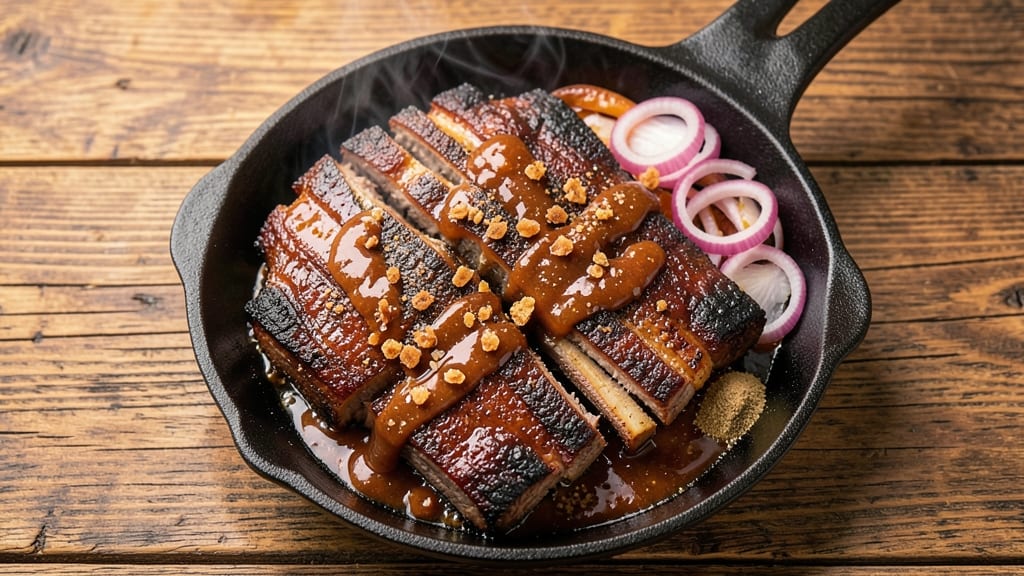
This BBQ beef plate ribs recipe turns tough cuts into melt-in-your-mouth perfection—juicy, tender meat with a deep mahogany bark that cracks with every bite.
Standing on a step stool in my grandmother’s kitchen in Sicily, I learned how slow cooking unlocks flavors, and this recipe carries that same patience and precision.
The key lies in the low-and-slow method, where time and smoke work together to break down collagen into rich, velvety meat while creating that coveted crust.
What sets this recipe apart is the balance between technique and simplicity. You’ll need just a few ingredients—a dry rub of spices, quality beef ribs, and a reliable heat source—but the process demands attention.
The ribs spend hours in the smoker, developing layers of flavor as the rub forms a sticky, flavorful bark. My method ensures the meat stays moist while achieving that perfect crispy exterior, a lesson I perfected after years of trial and error.
By the time you pull these ribs from the smoker, you’ll have a dish that’s restaurant-quality at home—juicy enough to fall off the bone, with a bark so flavorful it’ll have everyone asking for seconds.
The aroma alone will fill your kitchen with smoky sweetness, making it impossible to resist. Serve with classic sides like tangy coleslaw or baked beans to round out the meal.
This recipe is designed for those who appreciate the art of slow cooking, where time and technique create magic. Whether you’re hosting a backyard BBQ or simply craving a hearty meal, these ribs deliver on flavor and satisfaction.
Let’s get started on creating a dish that’s as rewarding to make as it is to eat.
Ingredients for bbq beef plate ribs
Four pounds of beef ribs and a handful of pantry staples transform into melt-in-your-mouth magic.
| Ingredient | Amount | Notes |
|---|---|---|
| Beef Plate Ribs 🥩 | 4 lb | Bone-in, meaty sections preferred |
| Yellow Onions 🧅 | 1 whole | Chopped, for rub base |
| Brown Sugar 🍚 | ½ cup | Packed, for sticky bark |
| Smoked Paprika 🌶️ | 2 tbsp | For deep smoky flavor |
| Garlic Powder 🧄 | 1 tbsp | Freshly ground preferred |
| Onion Powder 🧅 | 1 tbsp | Enhances sweetness |
| Ground Black Pepper 🌶️ | 1 tbsp | Freshly cracked for bite |
| Coarse Kosher Salt 🧂 | 1 tbsp | Diamond Crystal preferred |
| Mustard Powder 🍯 | 1 tsp | Adds tangy depth |
| Cayenne Pepper 🔥 | ½ tsp | Adjust for heat preference |
| Apple Cider Vinegar 🍎 | ¼ cup | For tenderizing soak |
| Yellow Mustard 🍯 | ½ cup | For sticky bark layer |
| Wood Chips 🌳 | 2 cups | Hickory or cherry preferred |
| Butter 🧈 | ½ cup | Unsalted, for basting |
The ribs are the star—look for bone-in plate ribs with good marbling at your butcher or Costco. The meatier sections near the bone are what you're paying for, so don't skimp. I usually grab mine from Whole Foods when I want extra quality, but the regular grocery store stuff works fine if it's fresh. Freshness matters here: ribs should have a vibrant red color and smell clean, not metallic. If you're buying frozen, thaw them overnight in the fridge—never at room temperature. The wood chips? Hickory gives that classic BBQ flavor, but cherry adds sweetness that pairs perfectly with beef. Soak them in water for at least 30 minutes before using—this creates more smoke without burning.
No smoked paprika? Regular paprika plus a pinch of liquid smoke gets you close. Running short on brown sugar? Maple syrup works in a pinch—just reduce the amount slightly since it's sweeter. The apple cider vinegar soak is non-negotiable though—it tenderizes the meat and adds that bright tang. If you're in a hurry, lemon juice works too, but it won't have the same depth. For the mustard powder, if you've only got Dijon, use half the amount—it's way more potent. And that butter? Full-fat is a must—it melts beautifully for basting and adds richness. Don't use margarine or anything buttery spreads. The spices can be pre-mixed if you're short on time, but I always make mine fresh for maximum flavor punch.
These ribs taste even better the next day—plan ahead if you're feeding a crowd. Store leftovers in the fridge for up to 5 days, wrapped tightly in foil to keep them moist. For longer storage, freeze them for up to 3 months. The bark gets even more intense after resting, so let them sit wrapped for at least 10 minutes before serving. I always make extra rub—it keeps for 6 months in an airtight container, perfect for future smoky projects. And save that leftover apple cider vinegar—it's great for marinades or even salad dressings.
Why You'll Love This Recipe
- One-Pan Magic: I swear by this recipe because it’s literally one pan, one sauce, and done. No messy saucepans or extra bowls—just slice the onions, mix the spices, and let the oven do the work while I sip my coffee.
- Sweet-Smoky Bang: That caramelized brown sugar and smoked paprika combo? It’s ridiculously addictive. The ribs get sticky, tender, and packed with a deep, smoky-sweet flavor that makes them disappear faster than I can say “seconds.”
- Tailgate Ready: Between us, these ribs are my secret weapon for game days, potlucks, or lazy Sundays. They’re hearty enough for a crowd but still feel special—no one will guess they’re this easy to throw together.
- Budget Meal Hero: Beef plate ribs are cheaper than baby back but just as impressive. A single pack feeds four, reheats like a dream, and stretches into sandwiches or tacos for days. My wallet and my leftovers thank me.
Step-by-step instructions for BBQ beef plate ribs
Here's how to transform tough beef plate ribs into fall-off-the-bone tender meat with that perfect smoky bark.
Prep the Ribs for Maximum Flavor and Tenderizing
Start by placing the 4 lb beef plate ribs in a large bowl. In a separate bowl, whisk together the 0.25 cup apple cider vinegar, 0.5 cup yellow mustard, and 0.5 cup butter until completely blended. Pour this marinade over the ribs, making sure every surface is coated. Cover and refrigerate for at least 4 hours, or overnight if possible. This marinade does double duty—tenderizing the meat and creating that signature sticky bark we're after.
The acid in the apple cider vinegar breaks down tough muscle fibers, while the mustard and butter add moisture and flavor. I like to flip the ribs halfway through the marinating time to ensure even coating. Don't skip this step—it makes all the difference in the final tenderness of your ribs.
Build the Dry Rub and Prepare the Smoker
In a medium bowl, combine the chopped 1 whole yellow onions, 0.5 cup packed brown sugar, 2 tbsp smoked paprika, 1 tbsp garlic powder, 1 tbsp onion powder, 1 tbsp ground black pepper, 1 tbsp coarse kosher salt, 1 tsp mustard powder, and 0.5 tsp cayenne pepper. Mix thoroughly until you have a coarse, even-textured rub. Pat the ribs completely dry with paper towels—this is crucial for that crispy bark.
Apply the rub generously to all sides of the ribs, pressing it into the meat so it adheres well. For the smoker, fill the wood chip tray with 2 cups of your preferred wood chips—hickory or cherry work beautifully with beef. Preheat your smoker to 225°F, which is the sweet spot for low-and-slow cooking that creates tender meat without drying it out.
Smoke the Ribs Low and Slow
Place the rubbed ribs on the smoker grates, bone-side down if possible. Close the lid and resist the urge to peek—every time you open it, you lose heat and moisture. Smoke the ribs for 5 to 6 hours, maintaining that 225°F temperature. You'll know they're ready when the internal temperature reaches 165°F and the bark is deep, dark, and slightly sticky.
Here's the thing about beef plate ribs—they're tougher than pork ribs, so they need that extra time. The bark should be almost black in spots, but don't worry, it's not burnt. That's where all the flavor lives. If you notice the temperature stalling around 160°F, that's normal—just keep smoking. The ribs will continue cooking and reach the perfect internal temperature.
Wrap and Finish for Maximum Juiciness
Once the ribs reach 165°F internally, it's time to wrap them. Place each rib in a large piece of heavy-duty aluminum foil and add about 2 tbsp of water to the package. Seal tightly and return to the smoker. This technique, known as the "Texas crutch," helps break down the collagen and creates that melt-in-your-mouth tenderness we're after.
Continue smoking at 225°F for another 2 to 3 hours, until the internal temperature reaches 195°F to 203°F. At this point, the ribs should be fork-tender and pull apart easily. The wrapping also helps prevent the bark from becoming too tough during the final stages of cooking. When you're ready to serve, carefully remove the ribs from the foil and let them rest for 10 minutes before slicing.
Serve with Confidence
Slice the ribs between the bones into individual servings. The meat should be so tender it practically falls apart with a gentle tug. Serve immediately with any accumulated juices from the foil packet spooned over the top. These ribs deliver on the juicy promise—each bite is packed with flavor and moisture, thanks to that perfect balance of low-and-slow smoking and the tenderizing marinade.
Don't be surprised if people ask for seconds. The combination of smoky bark, tender meat, and that sweet-savory glaze from the brown sugar and mustard makes these ribs truly unforgettable. Leftovers? Store in the refrigerator for up to 3 days, but they're so good I doubt you'll have any.
Pro Tips For Making Bbq Beef Plate Ribs
- CRANK THE HEAT FIRST: Start your beef plate ribs on high heat for 5 minutes per side—yes, even if they look raw. After burning three batches where the outside stayed pale, I finally learned this step caramelizes the natural sugars before the sauce hits. Skip this, and you’ll end up with soggy ribs instead of crispy edges.
- SLICE ONIONS THICK: Cut those yellow onions into ¼-inch thick slices—not rings, not dice. Thick slices caramelize faster and hold their shape while adding sweetness without turning to mush. I used to chop them too fine, and they’d just dissolve into the sauce like a sad, mushy afterthought.
- WRAP THEM TIGHT: When you foil the ribs for the slow cook or oven, press the foil directly against the meat—no gaps, no air pockets. I learned this the hard way when my ribs steamed instead of roasted, turning them rubbery. Crimp the edges like you’re sealing a burrito, and don’t skimp.
- SWAP BROWN SUGAR FOR HONEY: If you’re in a pinch, replace half the brown sugar with honey—it’s sweeter, so you use less, and it doesn’t crystallize when mixing the sauce. My grandmother swore by this, and I was skeptical until I tried it. The ribs stay glossy and stick to the bone better, too.
Wine and beer pairings for bbq beef plate ribs
Red Wine Pairings
For these rich, smoky ribs, I reach for bold reds that can stand up to the deep flavors. A Cabernet Sauvignon from Napa Valley—like the one I first tried at my Nonna’s favorite Italian-American restaurant—cuts through the fat beautifully.
Its blackcurrant and vanilla notes complement the smoky bark while balancing the sweetness of the brown sugar rub. 🍷
If you prefer something fruitier, a Zinfandel from California brings forward bright red fruit flavors that contrast nicely with the beef’s richness. I always keep a bottle of Louis Martini Cabernet on hand—it’s my go-to for BBQ nights because it’s reliable and affordable without sacrificing quality.
Malbec Magic
Argentinian Malbec is my secret weapon for beef ribs. The dark fruit and earthy undertones in this wine mirror the smoky, caramelized flavors of the ribs.
I love pairing it with the ribs because it adds an international twist—something my Italian roots never taught me, but I’ve grown to love. 🌍
Look for a Torrontés if you want something lighter but still complementary. The citrusy notes in this white wine cleanse your palate between bites of rich, smoky meat.
It’s a perfect choice if you’re serving these ribs during a warm summer afternoon when you want something refreshing alongside the hearty main.
Beer Pairings
A stout like Guinness is my go-to beer pairing—its roasted malt flavors and slight bitterness play off the smoky bark perfectly. I remember my first sip of Guinness with ribs at a backyard cookout in New Jersey, and it’s been a match made in heaven ever since.
The carbonation also helps cut through the richness of the meat. 🍺
For something lighter, a honey brown ale from a local craft brewery adds a touch of sweetness that enhances the caramelized flavors in the ribs.
I often recommend New Belgium Fat Tire—it’s widely available and has just the right balance of malt and hop bitterness to complement the dish without overpowering it.
Cider Complements
Don’t overlook hard cider as a pairing option. A dry hard cider with apple and spice notes—like Angry Orchard—adds a crisp, slightly tart contrast to the sweet and smoky ribs. The acidity in the cider helps balance the richness, making each bite more refreshing. 🍎
For a non-alcoholic option, a sparkling apple cider with a hint of cinnamon works surprisingly well. It’s a great choice for families or guests who prefer not to drink alcohol but still want to enjoy the meal with a complementary beverage. The bubbles and sweetness make it a crowd-pleaser.
Nutrition facts
Frequently asked questions
How long should I marinate beef plate ribs for maximum tenderness?
For best results, marinate the ribs for at least 4 hours, but overnight (8-12 hours) is ideal. The apple cider vinegar and mustard work together to break down tough fibers, while the butter keeps the meat moist. Flipping the ribs halfway through ensures even penetration of flavors.
Can I cook these ribs in an oven instead of a smoker?
Yes, but you'll need to adapt the method. Set your oven to 225°F and place a water pan on the bottom rack for moisture. Smoke the ribs for 3 hours before wrapping in foil with water and cooking another 2-3 hours until they reach 203°F internally. Use a meat thermometer to monitor temperature—oven-cooked ribs may take slightly longer to reach the same tenderness.
What's the best way to tell when beef ribs are done?
Use a meat thermometer to check the internal temperature—beef ribs are done when they reach 203°F (probe between the bones). The bark should be deep mahogany with crispy spots, and the meat should pull apart easily with tongs. If the bark looks too light, return them to the smoker for 30-60 minutes. Never rely on time alone—temperature is your best guide.
Can I make the dry rub ahead of time and store it?
Store your pre-mixed rub in an airtight container for up to 6 months in a cool, dark place. The spices stay fresh longer when protected from light and moisture. Just make sure to pat the ribs completely dry before applying fresh rub—this ensures the best bark formation. I always double the batch and keep it on hand for future BBQ projects.
Why did my ribs turn out tough instead of tender?
This usually happens from one of three issues: cooking too fast (above 275°F), not enough resting time, or skipping the wrap. Beef ribs need low-and-slow cooking—maintain 225°F and wrap them when they hit 165°F. Let them rest 10-15 minutes before slicing to redistribute juices. If you rush the process, the collagen won't break down properly.