
Soups & Stews
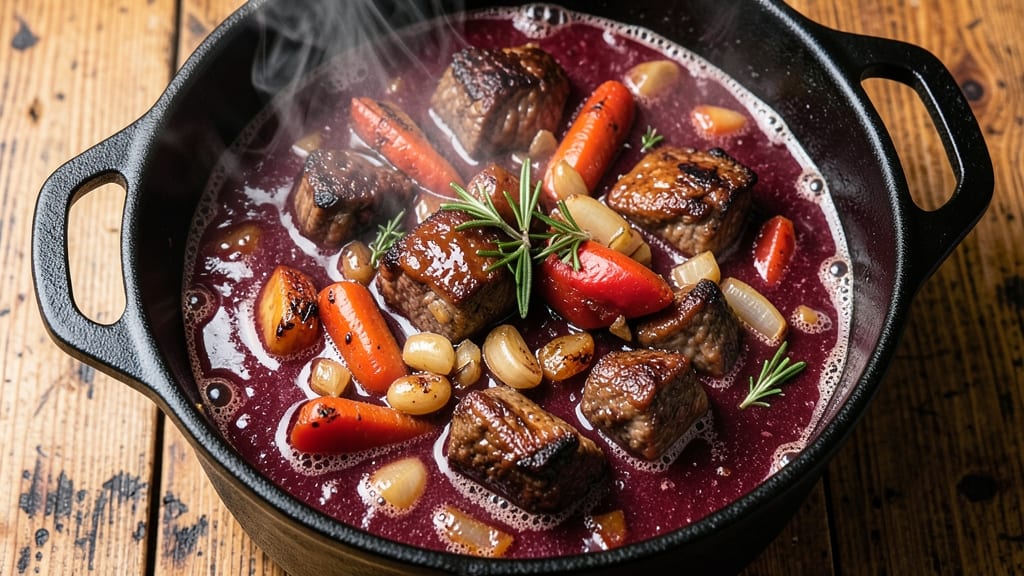
Gordon Ramsay’s beef and ale stew delivers restaurant-quality depth with caramelized fond and rich red wine braise—this isn’t your average pot roast. The secret lies in slow-browning beef for maximum flavor extraction, then simmering with ale and herbs until the sauce becomes velvety and complex.
Every bite reveals tender meat swimming in a sauce that balances smoky, tangy, and sweet notes perfectly.
What sets this stew apart is the two-stage searing—first browning the beef in batches to develop a deep, caramelized crust, then deglazing the pan to capture every flavorful bit. The ale reduces into a glossy, aromatic sauce while the beef becomes fork-tender, proving that patience pays off.
This isn’t just comfort food; it’s a luxurious weeknight meal that rivals fine dining.
The result is a stew so rich and flavorful that it transforms simple ingredients into something extraordinary. The beef falls apart with just a fork, the sauce clings to every bite, and the aroma alone will have everyone gathering at the table.
Serve it with crusty bread to soak up every last drop of that deep-red wine braise—this is the kind of dish that turns ordinary dinners into memorable experiences.
Perfect for chilly evenings or special occasions, this stew scales beautifully for crowds while keeping its restaurant-quality integrity. The techniques are professional, but the execution is approachable—ideal for home cooks who want to impress without stress. Let’s get cooking.
Ingredients for beef and ale stew gordon ramsay
Sixteen ingredients transform into a luxurious stew with deep caramelized fond and velvety red wine braise.
| Ingredient | Amount | Notes |
|---|---|---|
| Chuck Roast 🥩 | 3 lb | Well-marbled, cut into 1.5-inch chunks |
| Dark Ale 🍺 | 2 cups | Full-bodied, like Guinness or Sierra Nevada Pale Ale |
| Dry Red Wine 🍷 | 1 cup | Bold Cabernet Sauvignon or Merlot |
| Yellow Onion 🧅 | 1 whole | Diced, medium-sized |
| Carrot 🥕 | 4 whole | Peeled, cut into 1-inch chunks |
| Garlic Cloves 🧄 | 4 cloves | Peeled, smashed |
| Fresh Thyme 🌿 | 2 sprigs | Stems removed |
| Fresh Rosemary 🌿 | 1 sprig | Woody stems removed |
| Tomato Paste 🍅 | 2 tbsp | High-quality, canned |
| Beef Stock 🥫 | 2 cups | Homemade or premium store-bought |
| Olive Oil 🫒 | 2 tbsp | Extra-virgin, for searing |
| All-Purpose Flour 🌾 | 1 tbsp | For thickening |
| Kosher Salt 🧂 | 1 ½ tsp | Diamond Crystal preferred |
| Ground Black Pepper 🌶️ | 1 tsp | Freshly cracked |
| Bay Leaf 🌿 | 2 whole | For depth of flavor |
The chuck roast is non-negotiable—its marbling ensures fork-tender results. Look for cuts with visible fat between the muscles; Costco or high-end butchers carry the best. Trim excess fat but leave some for flavor. The dark ale should be full-bodied—Guinness or Sierra Nevada Pale Ale work perfectly. For the red wine, opt for a Cabernet Sauvignon or Merlot with at least 12% alcohol and noticeable tannins. The beef stock? Homemade is ideal, but Kitchen Basics or Pacific Foods brands are reliable shortcuts. Fresh herbs are critical—Trader Joe’s sells pre-bundled thyme and rosemary that’s fresher than grocery store singles.
No dark ale? Substitute with beef broth and a splash of balsamic vinegar—it mimics the malty depth. Running out of red wine? Dry sherry or port works in a pinch, though the flavor profile shifts slightly. The tomato paste can be swapped for crushed San Marzano tomatoes (adjust seasoning accordingly). For the flour, all-purpose works fine, but Wondra instantized cornstarch thickens faster if you’re short on time. The bay leaves are essential—they infuse subtle earthiness that rounds out the sauce. If you’re missing them, dried thyme at double the amount provides a similar depth, though not identical.
This stew tastes even better the next day as flavors meld. Store in an airtight container in the fridge for up to 5 days, or freeze for 3 months—portion into containers before freezing for easy reheating. The sauce thickens as it cools, so add a splash of ale or stock when reheating. For serving, keep the crusty bread warm in a 200°F oven while the stew simmers—it soaks up the sauce perfectly. Leftovers reheat beautifully; just cover and warm on the stove over medium-low heat, stirring occasionally to prevent scorching.
Why You'll Love This Recipe
- One-Pot Magic: I swear by this recipe when I’m too tired to scrub pots—just brown the chuck roast, toss in onions and carrots, then let that dark ale and red wine do the heavy lifting. The flavors meld without me lifting a finger after the initial sear.
- Deep, Rich Layers: That dark ale isn’t just for flavor—it’s the secret weapon. The malty bitterness cuts through the richness of the beef, while the red wine adds a velvety depth. Honestly, the first bite tastes like a pub dinner, not a weeknight meal.
- Leftovers That Shine: This stew only gets better the next day. I make a double batch on Sundays because reheating it transforms the beef into melt-in-your-mouth perfection. (Yes, even my picky husband asks for seconds.)
- Budget-Friendly Feast: A chuck roast stretches for days, and ale + wine are cheaper than takeout. Between us, this recipe feeds four for under $20—way better than ordering in when you’re craving something hearty. Plus, the carrots and onions bulk it up without breaking the bank.
Step-by-step instructions for beef and ale stew
Master this rich, velvety stew with layers of deep flavor and caramelized fond.
Sear the Chuck Roast for Maximum Flavor
Heat a heavy Dutch oven over medium-high heat until hot. Add the 2 tablespoons olive oil and swirl to coat the bottom evenly. Working in batches if needed, add the 3 lb chuck roast in 1.5-inch chunks and sear undisturbed for 2-3 minutes per side until deeply browned. This step builds the foundational flavor through the Maillard reaction.
Once browned, remove the beef and set aside. The goal is to develop a rich, caramelized crust that will dissolve into the sauce later. If the oil starts smoking excessively, reduce heat slightly—you want color, not char. This searing process ensures every bite carries that deep, savory essence that makes this stew extraordinary.
Build the Aromatic Base
In the same Dutch oven, add the diced yellow onion and cook over medium heat for 5 minutes until softened and beginning to caramelize. Add the 4 whole carrots cut into 1-inch chunks and 4 smashed garlic cloves, cooking for another 3-4 minutes until the vegetables are tender and fragrant.
Here's where the magic begins: stir in the 2 tablespoons tomato paste and cook for 1 minute to deepen its flavor. This step creates the flavor foundation that will carry through the entire stew. The tomato paste adds umami depth while helping to thicken the sauce naturally as it cooks.
Deglaze with Wine and Ale
Pour in the 1 cup dry red wine and scrape up all the browned bits from the bottom of the pot with a wooden spoon. This deglazing step captures all the concentrated flavors that would otherwise burn. Let the wine reduce by half—about 3-4 minutes—until it becomes syrupy and glossy.
Add the 2 cups dark ale and bring to a gentle simmer. The ale's maltiness will complement the wine's acidity, creating a perfect balance of flavors. Let it bubble away for 5 minutes to allow the alcohol to cook off slightly. This step is crucial for developing the stew's rich, complex character that sets it apart from ordinary beef stews.
Simmer with Herbs and Stock
Return the seared beef to the pot along with the 2 sprigs fresh thyme, 1 sprig fresh rosemary, 2 whole bay leaf, and 2 cups beef stock. Bring to a gentle boil, then reduce heat to low and cover partially. Let it simmer for 2.5-3 hours until the beef is fork-tender and the sauce has thickened beautifully.
Here's the thing about this step—patience is key. The beef should fall apart easily when pierced with a fork, and the sauce should coat the back of a spoon. If the liquid reduces too quickly, add a splash of water or stock to maintain the proper consistency. The herbs will infuse their aromatic qualities into the stew, creating layers of flavor that make each bite more complex than the last.
Finish and Thicken the Stew
Remove the thyme and rosemary sprigs and discard. Stir in the 1 tablespoon all-purpose flour and cook for 1-2 minutes to remove any raw flour taste. Taste and adjust seasoning with 1.5 teaspoons kosher salt and 1 teaspoon freshly cracked black pepper—this stew should be rich but balanced, with each element playing its part.
For the final touch, let the stew rest for 10 minutes off the heat. This resting period allows the flavors to meld completely and the sauce to thicken slightly. Serve hot with crusty bread to soak up every last drop of that luxurious, wine-infused sauce. The result is a stew that's rich, tender, and packed with layers of complex flavor that will impress even the most discerning palates.
Pro Tips For Making Beef And Ale Stew Gordon Ramsay
- SEAR THE ROAST HARD: That chuck roast needs a proper crust—don’t be shy with the heat. After patting it dry (yes, even if it’s cold), sear it in batches over medium-high until deep brown, about 3-4 minutes per side. I learned this the hard way—skipping this step means flavor that’s just… there, not exploding in every bite.
- SWEAT ONIONS LOW AND SLOW: Onions caramelize best when they’re not rushed. Cook them in the same pot you’ll use for the stew, over low heat, until they’re golden and breaking down—about 10-12 minutes. If they start browning too fast, lower the heat and add a splash of wine to deglaze. Trust me, mushy onions ruin the whole dish.
- DEGLAZE WITH WINE IMMEDIATELY: As soon as you pull the roast off the heat, splash in that red wine and scrape every last bit of browned bits from the bottom. Those bits are pure flavor, and skipping this means a stew that tastes like it’s missing something. Do it while the pan’s still hot—no waiting.
- STRAIN THE ALE AFTER COOKING: The ale’s job is done once it’s simmered for 2-3 hours. Strain it through a fine-mesh sieve before adding it back to the stew—this removes haze and sediment that can make the liquid cloudy. I was skeptical until I tried it: the stew looks richer and tastes cleaner. (Yes, even if it’s a pain to wash that sieve.)
Wine and beer pairings for these flavors
Ale Pairing Essentials
The dark ale in this stew isn’t just an ingredient—it’s the soul of the dish. For maximum flavor impact, use a full-bodied, malty ale like Guinness or Sierra Nevada Pale Ale.
These beers provide the deep, caramelized notes that mirror the stew’s rich sauce. If you’re experimenting, try a Belgian dubbel like Westmalle Dubbel—its fruity, spiced profile adds complexity. 🍺
Pro tip: Let the ale sit at room temperature for 10-15 minutes before adding it to the stew. This releases its aromas and prevents a harsh, cold taste. If you’re short on time, a 5-minute warm-up in a microwave-safe mug works in a pinch.
Wine Complements
The dry red wine in this recipe isn’t just for cooking—it’s a flavor bridge. A bold Cabernet Sauvignon or Merlot (12%+ alcohol) works best, as its tannins and acidity balance the stew’s richness.
For a lighter touch, Pinot Noir adds brightness without overpowering. Avoid sweet wines like Zinfandel—they’ll clash with the ale’s bitterness. 🍷
If you’re using wine leftovers, save the dregs (the sediment at the bottom) for another dish—they’re packed with flavor! For a quick sub, dry sherry or port can work in a pinch, though the flavor profile shifts slightly.
Beer Finishing Touches
For an extra layer of depth, finish the stew with a splash of stout (like Founders Kentucky Breakfast Stout) or a smoky Scotch ale. Add 2-3 tablespoons in the last 10 minutes of cooking to intensify the maltiness.
This step is optional but transforms the stew into a next-level experience—think of it as the culinary equivalent of a gourmet garnish. ⚡
Non-Alcoholic Swaps
Skip the alcohol? No problem. Replace the ale with beef broth and add 1 tablespoon balsamic vinegar for depth. For the wine, use dry apple cider or grape juice (like Concord)—it mimics the acidity and sweetness.
The stew will still be rich, just with a slightly different profile. Trust me, it’s still delicious!
Serving Pairings
Serve this stew with crusty sourdough bread or garlic mashed potatoes to soak up the sauce. For a lighter touch, pair it with roasted Brussels sprouts or a simple arugula salad dressed with lemon vinaigrette.
The contrast of textures and temperatures makes every bite feel like a restaurant-worthy meal. 🥗
For a boozy twist, offer warm mulled wine (spiced red wine) or a stout beer on the side. The warmth of the stew and the coolness of the drink create a perfect balance—especially on chilly evenings.
Nutrition facts
Frequently asked questions
Why does the recipe call for searing the beef in batches?
Searing in batches prevents overcrowding, which steams the beef instead of browning it. This creates a deep, caramelized crust (fond) that dissolves into the sauce, adding layers of rich flavor. If you skip this step, your stew will taste more like boiled beef than a restaurant-quality braise.
Can I use a different cut of beef instead of chuck roast?
While chuck roast is ideal for its marbling and tenderness, you can substitute with short ribs (add 30 minutes to cooking time) or stew beef (cut slightly smaller). Avoid lean cuts like sirloin—they’ll dry out. The fat content is key for that luxurious texture and flavor.
How do I know when the beef is fully tender?
The beef should easily pierce with a fork and fall apart when pressed with a spoon. For chuck roast, this takes 2.5-3 hours of simmering. If you're unsure, cut a small piece—if it's fork-tender, the rest will be too. Overcooking can make it mushy, so resist the urge to rush it!
What if my stew is too watery after simmering?
Simmer uncovered for 10-15 minutes to reduce the liquid naturally. If it's still too thin, mix 1 tablespoon cornstarch with 2 tablespoons cold water, stir it in, and simmer for 2 more minutes. The sauce should coat the back of a spoon but still be spoonable—never glue-like.
Can I make this stew in a slow cooker?
Yes! Brown the beef first in a skillet, then transfer everything to the slow cooker. Cook on low for 7-8 hours or high for 4-5 hours. The slow cooker method is forgiving but may need extra flour at the end to thicken the sauce. Just remember—no deglazing step, so flavor development will be slightly different.