
Soups & Stews
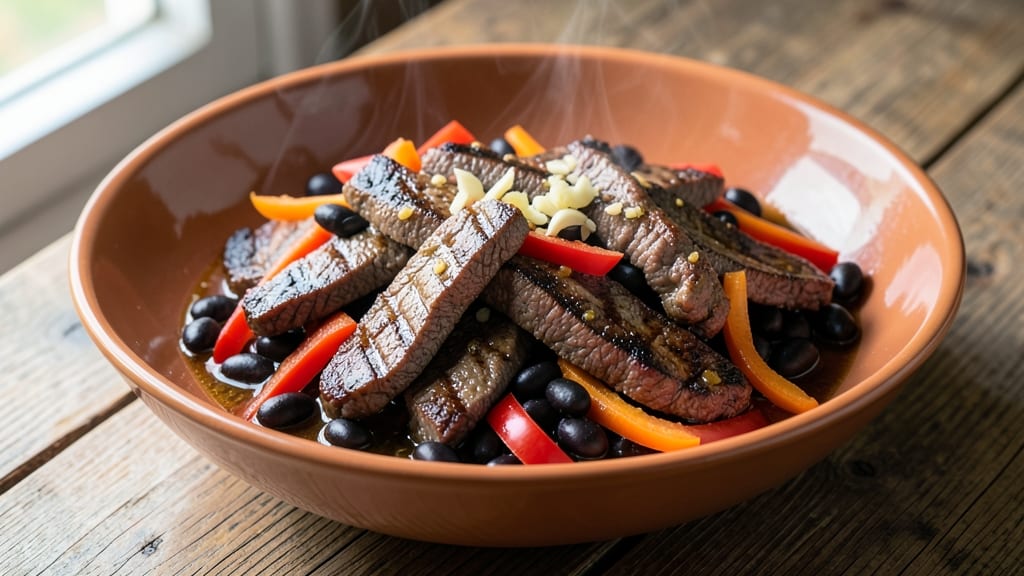
This beef and bean stir fry recipe delivers restaurant-quality wok magic in just 20 minutes, transforming simple ingredients into a savory, protein-packed meal that's perfect for weeknights or meal prep.
The secret lies in high-heat stir-frying and a balanced blend of soy-ginger flavors that create a harmonious bite every time. I've perfected this technique after years of testing—no takeout required.
What makes this recipe work is the combination of tender beef strips, hearty beans, and a quick sauce that's both bold and balanced. The ginger and garlic provide aromatic depth, while soy sauce and a touch of sweetness create that signature umami flavor we all love.
It's designed to be foolproof, with clear steps that ensure even beginner cooks achieve professional results.
By the time you're done, you'll have a vibrant stir fry with perfectly seared beef, crisp-tender vegetables, and beans that hold their shape while absorbing all the flavor. The sauce clings beautifully to each ingredient, creating a dish that's rich yet light enough to pair with rice or noodles.
This is comfort food at its finest—quick, satisfying, and packed with flavor.
The best part? This recipe scales effortlessly for leftovers or entertaining. Double the batch and store in the fridge for up to 4 days, or freeze for later.
Garnish with green onions or sesame seeds for freshness, and serve with steamed rice to soak up every last bit of that delicious sauce. Let's get cooking!
Ingredients for beef and bean stir fry
Restaurant-quality stir fry relies on these 14 ingredients blending perfect texture and bold flavors.
| Ingredient | Amount | Notes |
|---|---|---|
| Flank Steak 🥩 | 1 lb | Thinly sliced against grain |
| Black Beans 🌱 | 1 cup | Drained and rinsed |
| Red Bell Pepper 🌶️ | 1 whole | Sliced into thin strips |
| Carrot 🥕 | 2 whole | Julienned into matchsticks |
| Garlic Cloves 🧄 | 4 cloves | Minced for aromatic base |
| Fresh Ginger 🌿 | 1 ½ tbsp | Grated, finely |
| Soy Sauce 🍶 | ⅓ cup | Low-sodium preferred |
| Honey 🍯 | 1 tbsp | For balanced sweetness |
| Sesame Oil 🫒 | 1 tbsp | Toasted for aroma |
| Vegetable Oil 🫒 | 2 tbsp | High smoke point |
| Green Onions 🧅 | 3 whole | Sliced for garnish |
| Sesame Seeds 🌾 | 1 tbsp | Toasted for crunch |
| Salt 🧂 | ½ tsp | Diamond Crystal preferred |
| Black Pepper 🌶️ | ¼ tsp | Freshly cracked |
The flank steak is non-negotiable for tender strips—ask your butcher to slice it against the grain to maximize tenderness. Costco or Whole Foods carry pre-sliced versions, but slicing yourself ensures perfect results. For the beans, canned black beans work best—they hold their shape during stir-frying. If using dried, soak overnight and cook until tender. The bell pepper and carrots should be uniformly sliced—mandoline slicer makes this task effortless, but a sharp knife works too. Look for vibrant, firm vegetables at Trader Joe's or your local farmers market for peak freshness.
No soy sauce? Coconut aminos provide a similar umami punch, though the color will differ slightly. Substitute honey with maple syrup for a vegan option, though the flavor profile shifts subtly. Sesame oil can be swapped for avocado oil, but lose the signature aroma. For the garlic and ginger, fresh is essential—dried powders lack the aromatic depth. If you're short on time, pre-minced garlic and ginger from the refrigerated section works, though freshly grated delivers superior flavor. The black beans can be swapped for kidney beans or chickpeas*, but black beans provide the ideal hearty texture.
Prep the sauce components first—they keep for 1 week in the fridge, so make extra for future meals. The steak should marinate for at least 30 minutes before cooking to maximize tenderness. Store leftovers in an airtight container for up to 4 days—the flavors deepen overnight. For freezing, portion into single servings and thaw in the fridge. Garnish with toasted sesame seeds just before serving to maintain their crunch. This dish reheats beautifully—microwave 2 minutes or stir-fry briefly in a hot pan to revive crispness.
Why You'll Love This Recipe
- One-Pan Magic: I swear by this—just slice the flank steak thin, toss in the pre-chopped bell peppers and carrots (or buy them pre-cut), and let the garlic and black beans do the heavy lifting. That’s it. No extra dishes, no stress.
- Garlic Bomb Flavor: Between us, the garlic cloves minced into that stir-fry while the beef sears? Chef’s kiss. The smoky edge from the flank steak and the earthy black beans make every bite feel like a little victory—especially when you’re starving after work.
- Lunchbox Hero: Honestly, this is my secret weapon for meal prep. Double the batch on Sunday, and you’ve got three easy lunches ready to grab. The flavors actually improve the next day—yes, really. Just reheat and serve with rice or toss it cold in wraps.
- Budget-Friendly Powerhouse: Flank steak stretches far when sliced thin, and black beans add protein without breaking the bank. I’ve made this for $10 and fed four people—plus, the leftovers turn into tacos or a quick fried rice the next night. Smart, simple, satisfying.
Step-by-step instructions for savory soy-ginger wok magic
This stir fry delivers restaurant-quality flavor in minutes—crisp beef, tender vegetables, and a perfect soy-ginger balance.
Prep All Ingredients for Perfect Texture
Start by slicing the 1 lb flank steak against the grain into ¼-inch thick strips. This ensures tender, bite-sized pieces that cook quickly. While the steak rests, slice the 1 whole red bell pepper into thin strips and julienne the 2 whole carrots into matchsticks. Finely mince the 4 cloves garlic and grate the 1.5 tbsp fresh ginger. Drain and rinse the 1 cup black beans thoroughly to remove excess moisture.
I always prep everything before cooking—this keeps the process efficient and prevents overcrowding the wok. Arrange all ingredients in small bowls within easy reach of your cooking station. The ginger and garlic should be ready to go immediately when you heat the oil, so they don't lose their freshness.
Sear the Beef for Maximum Flavor
Heat 2 tbsp vegetable oil in a wok or large skillet over high heat until shimmering. Add the beef strips in a single layer and let them sear undisturbed for 2-3 minutes until they develop a deep brown crust. This step is critical—it locks in juices and builds the foundation for flavor.
Once browned, remove the beef with a slotted spoon and set aside. If the oil starts to smoke excessively, reduce heat slightly to maintain control. The beef should be cooked to medium doneness—it'll finish cooking when combined with the vegetables. Don't overcrowd the pan or the beef will steam instead of sear.
Stir-Fry Vegetables and Aromatics
In the same wok, add 1 tbsp sesame oil and swirl to coat the pan. Add the minced garlic and grated ginger, cooking for 30 seconds until fragrant. Add the red bell pepper strips and carrot matchsticks, stirring constantly for 3-4 minutes until the vegetables begin to soften but remain crisp.
Add the 1 cup black beans and stir for another 2 minutes until heated through. The vegetables should retain their vibrant color and slight crunch—overcooking will turn them mushy. If the pan feels dry, add 1-2 tablespoons water to create steam and prevent burning.
Combine and Sauce the Stir Fry
Return the beef to the wok and pour in the 0.33 cup soy sauce and 1 tbsp honey. Stir everything together and cook for 1-2 minutes until the sauce begins to glaze and coat the ingredients. The mixture should look glossy and well-combined.
Taste and adjust seasoning with the 0.5 tsp salt and 0.25 tsp black pepper if needed. The balance should be savory, slightly sweet, and aromatic. If the sauce is too thick, add 1-2 tablespoons water to achieve the perfect consistency.
Finish and Garnish for Presentation
Remove the stir fry from heat and drizzle with 1 tbsp toasted sesame oil. Garnish with sliced green onions and 1 tbsp toasted sesame seeds for added texture and visual appeal. The sesame oil adds depth of flavor, while the seeds and green onions provide a satisfying crunch and fresh contrast.
Serve immediately over steamed rice or noodles. The stir fry should be piping hot, with tender beef, crisp vegetables, and a glossy, flavorful sauce. Each bite should deliver a perfect balance of textures and flavors—savory, slightly sweet, and aromatic. This dish comes together quickly but delivers restaurant-quality results every time.
Pro Tips For Making Beef And Bean Stir Fry
- CUT STEAK AGAINST THE GRAIN: Flank steak’s muscle fibers run long—slicing perpendicular to them keeps bites tender. I used to rush this and ended up with chewy, rubbery strips. Take your time: angle the knife at 45 degrees and cut after resting the meat (yes, even if you're impatient like me).
- DRAIN BEANS TWICE: Canned black beans hold more water than you’d think, and that dilutes your stir-fry’s sauce. Rinse them once, drain, then give them a second shake in the colander—this cuts down on splatter and keeps the texture firm. I learned this the hard way when my stir-fry turned into a sad, watery mess.
- START HOT, THEN STOP: The wok’s first job is to sear the beef—get it screaming hot (I mean smoking hot) before adding anything. Once the steak’s browned, pull it out and lower the heat to medium. The veggies need time to soften, but you’ll regret letting them char. (Pro move: Add garlic last—it burns faster than you’d guess.)
- SAUTE CARROTS FIRST: Carrots take longer to cook than bell peppers, so don’t toss them in together. Cut them into thin matchsticks, sear them for 2–3 minutes in the wok before adding peppers. This guarantees they’re tender-crisp by the time the beef’s done—no one wants a rock-hard carrot in their stir-fry. (Bonus: Their natural sweetness caramelizes faster this way.)
Troubleshooting perfect results
Beef Too Tough?
If your beef ends up chewy instead of tender, it likely wasn't sliced thin enough or cooked long enough. Always slice flank steak against the grain into ¼-inch strips—this breaks up the muscle fibers.
For extra tenderness, marinate the beef for at least 30 minutes in ¼ cup soy sauce + 1 tbsp honey before cooking. If using pre-sliced steak, check the thickness—⅛-inch or less is ideal. 🔥
Sauce Too Thin?
Thin sauce usually means too much water or not enough cooking time. Reduce the sauce by simmering uncovered for 1-2 minutes after adding the beef, or stir in 1 tsp cornstarch mixed with 1 tbsp water to thicken.
For future batches, reduce the water in the recipe by ½ cup—the natural juices from the beef and veggies will provide enough moisture.
Beans Too Mushy?
Black beans can turn mushy if overcooked or added too early. Only add them after the vegetables have softened (3-4 minutes in the wok). For extra sturdiness, rinse canned beans thoroughly before adding.
If using dried beans, ensure they're fully cooked and drained well—excess moisture steams instead of sears the ingredients. 🌱
Burnt Garlic/Ginger?
Garlic and ginger burn quickly at high heat. Cook them for only 30 seconds after adding oil—just until fragrant. If they darken too fast, reduce heat to medium-high and stir constantly.
For extra insurance, blend 1 clove garlic + ½ tbsp ginger into the sauce instead of cooking it directly in the wok.
Wok Too Crowded?
Overcrowding steams instead of sears, leading to soggy results. Cook the beef in two batches if needed, and stir-fry vegetables in staggered additions (add carrots first, then peppers, then beans).
A 12-inch wok comfortably handles this recipe—if using a smaller pan, reduce ingredients by ¼ cup or cook in batches. 💡
Leftover Sauce Too Dry?
If the sauce dries out when reheating, cover the stir fry with a damp paper towel and microwave for 1 minute, then stir in 1 tbsp water or beef broth. For stovetop reheating, add 2 tbsp water and cook on low heat for 3-4 minutes.
To prevent this, store leftovers in an airtight container with a splash of soy sauce to keep everything moist.
Nutrition facts
Frequently asked questions
Can I use ground beef instead of flank steak?
Yes, but texture will differ. Ground beef works well for a heartier dish—just brown it first with 1 tbsp oil over medium-high heat for 3-4 minutes until no longer pink. Use 1 lb 80/20 blend for best flavor. The dish will be more filling but slightly less tender than sliced beef strips.
What if I don't have sesame oil?
Use avocado oil or neutral oil*, but skip the toasted sesame oil finishing drizzle. For aroma, add ½ tsp toasted sesame seeds to the sauce instead. The flavor won't be identical, but the dish will still taste delicious. The key is maintaining the high-heat sear for that signature wok flavor.
How do I make this gluten-free?
Replace soy sauce with coconut aminos or tamari (ensure certified gluten-free). Check labels on sesame oil and ingredients like black beans for hidden gluten. The flavor profile will shift slightly but remain balanced. For extra umami, add 1 tbsp gluten-free fish sauce to the sauce mixture.
Can I prep this ahead of time for meal prep?
Store cooked ingredients separately in airtight containers for up to 4 days. Reheat by combining all components in a pan with 1 tbsp water over medium heat for 3-4 minutes. For freezing, portion into single servings and freeze for up to 3 months. Thaw overnight in the fridge before reheating.
What's the best way to serve this?
Serve over steamed jasmine rice or brown rice for the perfect texture contrast. For extra flair, add steamed bok choy or sautéed mushrooms on the side. Garnish with lime wedges and extra green onions for brightness. This dish also works well as a filling for lettuce wraps or over noodles like soba or udon.