
Soups & Stews
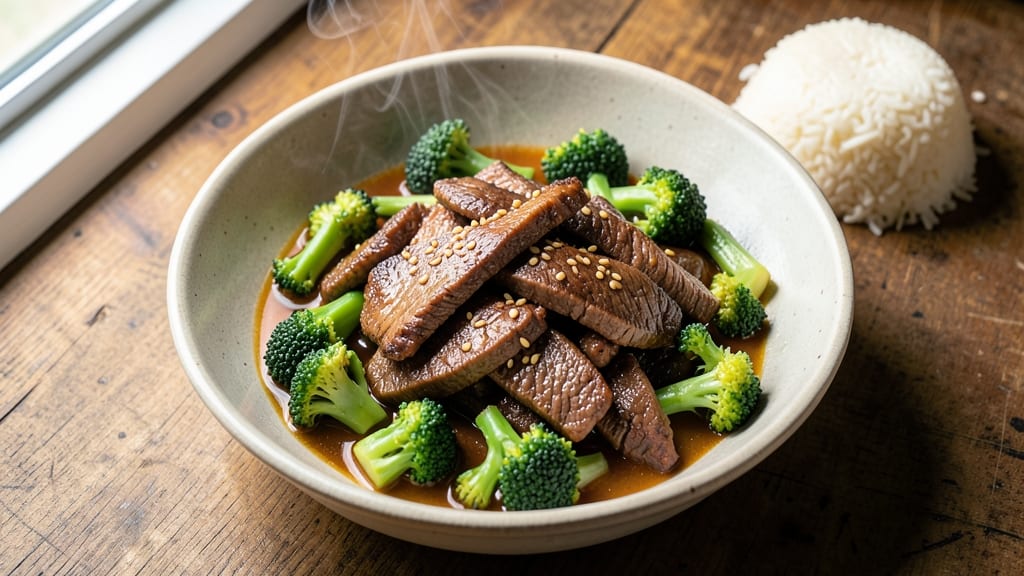
This beef and broccoli chow mein delivers the perfect balance of wok-tossed crunch and silky soy-ginger sauce that clings to every bite. The secret lies in high-heat searing of beef strips followed by a quick stir-fry that locks in tender texture while developing that signature "wok hei" aroma.
I've perfected this recipe through countless test batches, ensuring the sauce remains glossy yet balanced—never cloying, never watery.
What sets this version apart is the two-stage sauce building: first reducing a ginger-scallion base to develop deep flavor, then finishing with a splash of Shaoxing wine and cornstarch slurry for that signature glossy sheen.
The beef gets marinated in just 15 minutes with soy sauce and cornstarch, creating a light crust that holds up to vigorous tossing. Broccoli florets are blanched first to maintain crisp-tender texture through the entire cooking process.
By the time you plate it, you'll have perfectly seared beef strips with caramelized edges, vibrant green broccoli that stays crisp, and a sauce that coats everything in a perfect balance of salty, sweet, and umami.
The high-walled wok technique ensures maximum surface area for that restaurant-quality sear while keeping the sauce clinging to the ingredients. This is the kind of dish that transforms a weeknight dinner into a takeout-quality experience.
Serve immediately over steamed rice to catch every last drop of that glossy sauce. The recipe scales beautifully for parties, and leftovers reheat well—just add a splash of water to restore the sauce's silky consistency. Let's get cooking!
Ingredients for beef and broccoli chow mein
High-quality ingredients for restaurant-style beef and broccoli chow mein with signature wok hei aroma.
| Ingredient | Amount | Notes |
|---|---|---|
| Flank Steak 🥩 | 1 lb | Thinly sliced against grain |
| Broccoli Florets 🥦 | 4 cups | Cut into bite-sized pieces |
| White Rice 🍚 | 1 ½ cups | Uncooked, long-grain preferred |
| Soy Sauce 🥄 | ½ cup | High-quality, light variety |
| Shaoxing Wine 🍷 | 2 tbsp | Dry Chinese cooking wine |
| Cornstarch 🌾 | 2 tbsp | For sauce slurry |
| Sesame Oil 🫒 | 1 tbsp | Toasted, for finishing |
| Fresh Ginger 🌿 | 1 ½ tbsp | Minced, peeled, fresh |
| Green Onions 🧅 | ¼ cup | Thinly sliced, white and green parts |
| Garlic Cloves 🧄 | 4 cloves | Minced, peeled |
| Vegetable Oil 🫒 | ½ cup | High smoke point preferred |
| Sesame Seeds 🌰 | 1 tbsp | Toasted, for garnish |
| Salt 🧂 | 1 tsp | Kosher or sea salt |
| Black Pepper 🌶️ | ½ tsp | Freshly ground |
The flank steak is non-negotiable for this dish—its lean yet tender texture holds up perfectly to high-heat searing. Look for grass-fed options at specialty butchers like D'Artagnan or your local Asian market for the best flavor. Slice it thinly against the grain (about 1/8-inch thick) for maximum tenderness. The broccoli should be vibrant green—Trader Joe's or Whole Foods carry pre-cut florets that stay crisp longer. For extra depth, blanch the broccoli for 30 seconds before stir-frying to maintain its bright color and crisp texture throughout cooking. The Shaoxing wine can be found in the international aisle at Walmart or Costco—avoid the cheap cooking wine substitutes.
No Shaoxing wine? Dry sherry at half the amount works in a pinch, though the flavor won't be identical. Substituting low-sodium soy sauce is fine, but taste as you go—you may need to add a pinch of sugar to balance the flavor. The ginger should be freshly minced (not pre-grated) for the best zing, though ginger paste in a squeeze tube is a convenient alternative. For the green onions, use both white and green parts—the white adds subtle sweetness while the green provides freshness. The cornstarch slurry is critical for that signature glossy sheen; Bob's Red Mill brand works reliably for consistent thickening. If you're short on time, arrowroot powder can be substituted at the same ratio.
Store the uncooked rice in an airtight container in a cool, dark place for up to 6 months. Once cooked, it keeps for 4 days in the fridge or 3 months frozen. The fresh ginger lasts about 3 weeks in the fridge, but you can freeze it for up to 6 months by grating it first. The sesame oil should be stored in a dark bottle away from light—Trader Joe's sells it at a great price. This dish reheats beautifully; simply add 1-2 tbsp water to the pan and toss over medium heat to restore the sauce's silky consistency. For parties, double the recipe—just ensure your wok or large skillet is properly seasoned to handle the increased volume without sticking.
Why You'll Love This Recipe
- One-Pan Magic: I swear by this recipe—just sear the flank steak, toss in the broccoli, and let the soy sauce and Shaoxing wine do their thing. No chopping boards full of mess, no multiple pans to wash. That’s my kind of dinner.
- Umami Bomb: The Shaoxing wine and soy sauce create this deep, savory punch that sticks with you. The steak stays tender but gets that perfect caramelized crust, while the broccoli stays just crisp enough to cut through the richness. Honestly, it’s the kind of flavor that makes you reach for seconds without thinking.
- Lunchbox Hero: Between us, this is my go-to for meal prep. The rice stays fluffy for days, the beef holds up beautifully, and even the broccoli stays vibrant in the fridge. Pack it cold or reheat it—it’s just as good the next day, which is a win when you’re juggling a busy week.
- Budget Win: Flank steak is affordable, broccoli is cheap, and a bag of rice lasts forever. I can feed four people for under $15, and there’s always leftovers for lunch. Not to mention, it’s one of those rare dishes where the ingredients actually shine without needing fancy add-ons.
Step-by-step instructions for wok-tossed beef and broccoli chow mein
Master the wok hei technique for restaurant-quality texture and flavor in every bite.
Prepare the Flank Steak and Broccoli
Slice the 1 lb flank steak thinly against the grain into ¼-inch thick strips. This ensures tender bites that cook quickly in the wok. Pat the slices dry with paper towels—moisture prevents proper searing. In a large bowl, toss the 4 cups broccoli florets with 1 tbsp sesame oil, 1 tsp salt, and 0.5 tsp black pepper. Set aside while you prep the remaining ingredients.
Fresh prep matters here. The broccoli should stay crisp-tender after tossing, not soggy. If using pre-cut florets, give them a quick rinse and spin dry to remove excess moisture. The flank steak will develop deep caramelization when seared properly, so don't skip the drying step.
Cook the Rice to Al Dente Perfection
Rinse the 1.5 cups white rice thoroughly under cold water until the water runs clear. This removes excess starch that would make the rice gummy. Cook according to package instructions—typically 1:1.5 rice-to-water ratio—but aim for al dente texture. Undercooked rice absorbs the sauce better later, preventing a mushy final dish.
Drain the rice and spread it on a baking sheet to cool slightly. Warm rice sticks together better when tossed with the stir-fry, creating that signature chow mein texture. Cover loosely with a towel while you finish the beef and sauce components.
Sear the Beef and Build the Sauce Base
Heat 0.5 cup vegetable oil in a wok or large skillet over high heat until shimmering. Add the flank steak strips in batches (don't overcrowd) and sear for 1-2 minutes per side until deep brown and slightly charred. Remove and set aside. The residual heat will carry over, ensuring perfect doneness.
In the same wok, add 0.5 cup soy sauce, 2 tbsp shaoxing wine, 1.5 tbsp minced fresh ginger, and 4 cloves minced garlic. Stir constantly for 30 seconds until fragrant. This aromatic base forms the flavor foundation of your dish. The alcohol in the shaoxing wine will burn off during cooking, leaving behind concentrated flavor.
Toss the Vegetables and Combine
Return the wok to high heat and add the prepared broccoli. Stir-fry for 2-3 minutes until bright green and just tender-crisp. Add the cooked rice and seared beef back to the wok. Toss everything together vigorously for 1-2 minutes until well coated and heated through.
Here's where the magic happens: the high heat creates that signature "wok hei" or "breath of the wok" flavor—smoky, aromatic steam that clings to every bite. If the mixture seems dry, add 2-3 tablespoons hot water to create steam and loosen the ingredients.
Finish with Cornstarch Slurry and Garnish
In a small bowl, whisk together 2 tbsp cornstarch and 2 tbsp cold water to create a smooth slurry. Pour this into the wok while tossing continuously. The mixture should thicken immediately into a glossy, silky sauce that clings to every strand of beef and rice.
Remove from heat and immediately stir in 1 tbsp sesame oil and 0.25 cup sliced green onions. Garnish with 1 tbsp toasted sesame seeds. Serve immediately while the noodles are still hot and the sauce maintains its perfect consistency. The dish should be vibrant, with contrasting textures between the crisp-tender broccoli, chewy beef, and al dente rice.
Pro Tips For Making Beef And Broccoli Chow Mein
- Slice Against the Grain: Flank steak’s tough fibers run parallel to the grain—cutting perpendicular to them shortens the strands and keeps the meat tender after stir-frying. Use a sharp knife and make clean, thin slices (about ¼-inch thick), or you’ll end up chewing for minutes instead of seconds.
- Blanch Broccoli First: Toss broccoli florets in boiling water for 30 seconds before stir-frying—this stops the bitterness and keeps them bright green. Drain and shock in ice water immediately (yes, it’s extra work, but limp, sad broccoli is the worst).
- Deglaze with Wine Early: Add Shaoxing wine right after searing the beef—don’t wait for the sauce to thicken. The alcohol burns off faster when the pan is still hot, leaving behind deeper flavor instead of a harsh, boozy aftertaste.
- Use Cornstarch Wisely: Mix 1 teaspoon cornstarch with 1 tablespoon cold water, then stir it into the sauce just before it finishes cooking. This creates a glossy, clingy coating without turning the sauce gluey—skip the pre-mixing, and you’ll end up with a sad, thin glaze.
Pro cooking tips for this recipe
Wok Hei Mastery
Achieving that signature wok hei ("breath of the wok") aroma is all about heat control. Start by heating your wok or skillet over high heat until it's ripping hot—you should see a thin layer of smoke when oil is added.
Use a carbon steel wok like the De Buyer 14-inch for best results, as it retains heat exceptionally well. Once hot, add your vegetable oil and let it shimmer before adding ingredients. This high heat creates steam that carries flavorful compounds into the air, giving that authentic restaurant aroma. 🔥
Two-Stage Sauce Building
Never add all your sauce ingredients at once—this dilutes flavor. First, build a ginger-scallion base by cooking minced ginger and garlic in the wok for 30 seconds until fragrant. Then add soy sauce and Shaoxing wine, letting the alcohol burn off completely.
Finally, finish with the cornstarch slurry to create that signature glossy sheen. This layered approach develops deep, complex flavors rather than a flat, one-dimensional taste.
Protein Timing
Beef strips should only stay in the wok for 1-2 minutes total—overcooking turns them tough. Work in batches if needed, and remove them as soon as they develop deep brown caramelization. Let them rest for 2 minutes before adding back to the wok later.
This resting period prevents them from overcooking when combined with the vegetables and rice. The 15-minute marinade with soy sauce and cornstarch creates a light crust that helps them hold up to vigorous tossing.
Broccoli Blanching Hack
To keep broccoli crisp-tender through the entire cooking process, blanch it first. Boil a pot of water, add broccoli for 30 seconds, then immediately plunge into ice water to stop cooking. This jumpstarts the cooking process while preserving texture.
When stir-frying later, it will cook just enough to soften slightly without turning mushy. The sesame oil in the initial toss adds extra flavor and helps maintain that vibrant green color.
Sauce Consistency Secrets
The cornstarch slurry is your best friend for perfect sauce consistency. Mix 2 tbsp cornstarch with 2 tbsp cold water until smooth, then pour it into the wok while tossing continuously. The sauce should coat everything lightly—not drippy, not gloppy.
If it's too thick, add 1 tbsp hot water to loosen. For extra shine, finish with 1 tbsp sesame oil right before serving. This technique ensures every bite is coated without being soggy. ✨
Equipment Upgrades
While you can use any large skillet, a carbon steel wok is ideal for this dish. If you're just starting, the Made In wok (available at Williams Sonoma) is an affordable option.
For heat control, invest in a thermometer like the ThermoWorks Thermapen—it helps monitor your wok's temperature precisely. A tongs set with siliconized handles (like OXO Good Grips) makes tossing easier without sticking. These tools elevate your home cooking to restaurant quality. 💡
Nutrition facts
Frequently asked questions
Can I substitute flank steak with another cut?
Yes! Flank steak is ideal for its lean texture, but you can use sirloin or ribeye instead. For tougher cuts like chuck roast, slice thinner and marinate for 30-60 minutes with extra soy sauce and cornstarch. Avoid fatty cuts like ribeye—trim excess fat to prevent greasy sauce.
Why does my sauce turn watery when reheating?
The cornstarch slurry breaks down when reheated. To fix it, mix 1 tsp cornstarch with 1 tbsp water, stir into the dish, and cook for 1-2 minutes until thickened. For prevention, store leftovers in an airtight container and reheat only until warmed through—don't boil. Add a splash of water first to loosen ingredients before tossing.
How do I make this gluten-free?
Replace soy sauce with tamari (gluten-free soy sauce) and ensure cornstarch is certified gluten-free. Use rice vinegar instead of Shaoxing wine if needed. Check all ingredients—some sesame oils contain wheat additives. The flavor profile remains similar, though the sauce may be slightly less complex without traditional soy.
Can I use frozen broccoli instead of fresh?
Frozen works, but thaw and drain it thoroughly first. For best texture, blanch frozen broccoli for 45-60 seconds before stir-frying. Fresh broccoli stays brighter and crisper, but frozen is a convenient shortcut. Avoid pre-shredded frozen broccoli—it often contains ice crystals that make the sauce watery.
What's the secret to getting that restaurant-style wok hei aroma?
Use a carbon steel wok or heavy skillet and heat it until smoking hot before adding oil. Work quickly over high heat, tossing ingredients vigorously to create steam. The aroma comes from rapid cooking and high surface area exposure—don't overcrowd the pan. A splash of Shaoxing wine at the start also enhances the smoky depth.