
Soups & Stews
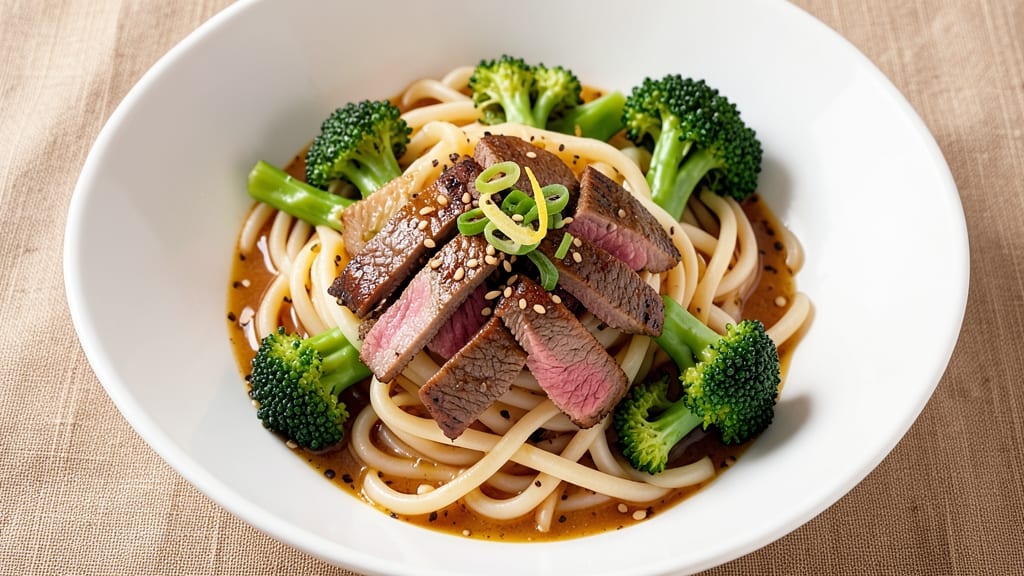
This beef and broccoli udon recipe delivers restaurant-quality umami crunch in just 25 minutes, blending Japanese udon noodles with classic Chinese stir-fry flavors. The secret lies in marinating tender beef strips for maximum tenderness while blanching broccoli to preserve its vibrant green color and crisp texture.
This fusion dish combines the best of both culinary worlds—chewy udon noodles, perfectly seared beef, and bright, fresh broccoli—all tossed in a savory sauce that balances sweetness and depth.
The process is straightforward yet transformative: start by preparing the beef with a simple marinade that tenderizes and infuses flavor, then stir-fry at medium-high heat to achieve that signature caramelized crust.
The broccoli gets a quick blanch to soften slightly while retaining its crunch, ensuring every bite delivers both texture and flavor.
The udon noodles cook in boiling water until just tender, then get tossed together with the beef and broccoli in a wok or large skillet, where the sauce comes alive with the heat.
What you’ll end up with is a bowl of rich, aromatic udon noodles coated in a glossy sauce, studded with tender beef strips and bright broccoli florets.
The combination of chewy noodles, tender beef, and crisp broccoli creates a satisfying contrast in every bite, while the sauce delivers a perfect balance of umami, sweetness, and a hint of spice.
This dish is hearty enough for a weeknight dinner but elegant enough for guests—ideal for anyone craving bold, comforting flavors without the fuss.
Serve immediately with extra sauce on the side and garnish with sesame seeds or sliced green onions for added freshness. The leftovers reheat beautifully, making this a perfect meal prep option for busy weeks. Let’s get cooking—this recipe is a game-changer for udon lovers and stir-fry enthusiasts alike.
Ingredients for beef and broccoli udon
These bold ingredients blend Japanese chewiness with Chinese stir-fry magic—umami-packed and ready in 25 minutes!
| Ingredient | Amount | Notes |
|---|---|---|
| Udon Noodles 🍜 | 8 oz | Fresh or dried, chewy variety |
| Flank Steak 🥩 | 1 lb | Thinly sliced against grain |
| Broccoli Florets 🥦 | 4 cups | Fresh, tightly packed |
| Sesame Oil 🫒 | 1 tbsp | Toasted, for aroma |
| Soy Sauce 🍶 | ½ cup | Light or dark variety |
| Oyster Sauce 🍶 | 2 tbsp | For umami depth |
| Honey 🍯 | 1 tbsp | For subtle sweetness |
| Rice Vinegar 🍶 | 1 tbsp | For brightness |
| Garlic Cloves 🧄 | 4 cloves | Minced for marinade |
| Ginger Root 🌿 | 1 tbsp | Freshly grated |
| Vegetable Oil 🫒 | 2 tbsp | High smoke point |
| Sesame Seeds 🌾 | 1 tbsp | Toasted for garnish |
| Green Onions 🧅 | 3 whole | Sliced for garnish |
| Salt 🧂 | 1 tsp | Kosher or sea salt |
| Black Pepper 🌶️ | ½ tsp | Freshly ground |
The udon noodles and flank steak are the stars here. Japanese udon noodles (the thick, chewy kind) are a must—Maruchan or Nissin brands work perfectly. For the beef, flank steak is ideal—it’s lean but tender when sliced thinly against the grain. If you can’t find flank, sirloin or ribeye work too, but slice them extra thin. Broccoli? Fresh is key—look for bright green florets with tight buds. The Asian market usually has the best selection, but any grocery store’s produce section will do. Pro tip: Blanch the broccoli for 30 seconds before stir-frying to keep it vibrant and slightly crisp.
No sesame oil? Toasted peanut oil or even avocado oil works in a pinch—just skip the toasted aroma. Swapping oyster sauce? Soy sauce plus a dash of fish sauce mimics the umami, but it’ll taste slightly different. Fresh ginger and garlic are non-negotiable for the marinade, but dried ginger at half the amount or garlic powder will get you close. The honey adds that perfect balance—agave or maple syrup are great vegan swaps. For the sauce, Kikkoman soy sauce and Lee Kum Kee oyster sauce are my go-tos, but any good-quality brands work. And if you’re out of sesame seeds, toasted peanuts or crushed nuts add a nice crunch.
Udon noodles keep best in the fridge for 3-4 days—just store them in a sealed container with a damp paper towel to prevent drying. The beef marinade can sit in the fridge for up to 24 hours, making it perfect for meal prep. Once cooked, this dish reheats beautifully—just toss with a splash of water or sauce to loosen it up. For extra convenience, prep the sauce and marinade ahead—everything comes together in minutes. Leftovers? 3-4 days in the fridge or freeze for 2 months. Garnish with sesame seeds and green onions right before serving—trust me, it makes all the difference!
Why You'll Love This Recipe
- One-Pan Magic: I swear by this recipe when I’m too tired to wash dishes. Toss the udon, broccoli, and sliced flank steak in one pan with a splash of soy sauce and sesame oil—no extra pots, no stress. The broccoli steams right in the same oil that sears the beef, and the noodles cook in minutes.
- Umami Bomb: That first bite? The soy-sesamed beef with tender broccoli florets—it’s like a flavor explosion. The flank steak stays juicy while the edges get that perfect char, and the sesame oil ties everything together with a nutty, aromatic punch. Honestly, it’s the kind of dish that makes you reach for seconds without thinking.
- Lunchbox Hero: Between us, this is my secret weapon for meal prep. Cook a big batch of udon, slice the beef thin, and portion it with broccoli—it reheats like a dream. Pack it in containers for work lunches, or serve it cold with a drizzle of extra sesame oil for a refreshing twist. My kids actually eat their veggies this way.
- Budget Powerhouse: Flank steak is affordable, udon is cheap in bulk, and broccoli is a pantry staple. A single pan of this feeds four for under $15, and leftovers taste just as good the next day. I’ll be real: it’s the kind of recipe that makes grocery shopping feel like a victory.
Step-by-step instructions for wok-tossed beef and broccoli udon
This dish comes together faster than you can say "umami bomb"—let's make it shine.
Prep the Steak and Marinade
Slice the 1 lb flank steak thinly against the grain into ¼-inch strips—this ensures tender bites. In a bowl, whisk together 0.5 cup soy sauce, 2 tbsp oyster sauce, 1 tbsp honey, 1 tbsp rice vinegar, 4 cloves minced garlic, 1 tbsp freshly grated ginger, and 0.5 tsp black pepper. Add the steak strips and toss to coat completely. Let it marinate for 15 minutes at room temperature—this jumpstarts the flavor infusion.
Real talk: Don't skip the grain direction. Cutting against it shortens the muscle fibers, making each bite melt-in-your-mouth tender. If you're short on time, a quick 10-minute marinade still works, but 15 minutes is ideal for maximum flavor.
Cook the Udon Noodles
Bring a pot of water to a rolling boil and add the 8 oz udon noodles. Cook according to package directions—usually 4-5 minutes for fresh udon or 6-8 minutes for dried—until they're tender but still slightly firm (they'll finish cooking in the wok). Drain and rinse briefly with cold water to stop the cooking process, then toss with 1 tbsp sesame oil to prevent sticking.
Here's the thing—udon can get gummy if overcooked. You want them al dente so they hold up to the wok tossing. If using dried udon, soak them in hot water for 2-3 minutes first to soften before boiling. Drain well before tossing with sesame oil.
Stir-Fry the Broccoli and Steak
Heat 2 tbsp vegetable oil in a wok or large skillet over high heat until shimmering. Add the 4 cups broccoli florets in a single layer and stir-fry for 2-3 minutes until bright green and just tender-crisp. Remove and set aside. In the same wok, add the marinated steak in batches (don't overcrowd) and sear for 1-2 minutes per batch until deep brown and cooked through. Return the broccoli to the wok.
Watch the heat carefully—this is where the magic happens. The broccoli should blister slightly at the edges, and the steak should develop a caramelized crust. If your wok isn't hot enough, the steak will steam instead of sear. Push the food to one side of the wok if needed to create space for proper browning.
Combine and Finish
Add the cooked udon noodles to the wok along with the steak and broccoli. Toss everything vigorously for 1-2 minutes until the noodles are well-coated and heated through. Drizzle in 1 tbsp toasted sesame oil and toss again. Taste and adjust seasoning with a pinch of salt if needed—this dish should be salty, sweet, and umami-rich all at once.
This is the moment that matters: the tossing. You want every noodle to get that glossy, wok-hei finish. If the dish seems dry, add 1-2 tablespoons of water and toss again—the residual heat will steam the noodles perfectly. The sauce should cling to everything like a second skin.
Garnish and Serve
Transfer the beef and broccoli udon to serving plates. Garnish with 1 tbsp toasted sesame seeds and 3 whole green onions, sliced diagonally. Serve immediately while everything is hot and the noodles are still springy. The aroma alone will have everyone at the table.
Don't skip the garnish—it adds texture and visual appeal. The sesame seeds provide a nutty crunch, while the green onions bring a fresh, bright finish. For extra drama, drizzle with an additional teaspoon of sesame oil right before serving. This dish is best enjoyed fresh out of the wok when everything is at peak temperature and texture.
Pro Tips For Making Beef And Broccoli Udon
- Slice Steak Against Grain: Flank steak’s tough fibers run parallel to the grain—cutting perpendicular breaks them down. Angle your knife at 45 degrees for wider strips, but don’t fight the blade; let it glide. (I used to overcompensate and end up with chewy, uneven pieces.)
- Blanch Broccoli First: Toss florets in boiling water for 30 seconds before stir-frying—this softens them just enough to cook through without turning mushy. Drain and shock in ice water to stop cooking; they’ll hold their color and texture better in the final dish.
- Don’t Crowd the Pan: High heat is your friend here, but a packed wok or skillet drops the temperature like a rock. Work in batches if needed—sizzling beef should stay seared, not steamed. (Yes, even if it means two trips to the stove.)
- Finish with Cold Noodles: Cook udon until just tender (check the package—it’s usually 2-3 minutes), then drain and rinse under cold water. Tossing them straight into the hot saucepan will turn them gummy. Cold noodles absorb the beef-broccoli sauce like a sponge while keeping their bite.
Common mistakes when making this dish
Overcrowding the Wok
One of the biggest mistakes is overcrowding your wok or skillet when stir-frying the beef and broccoli. When you pack too much food in the pan, the heat disperses unevenly, leading to steamed instead of seared ingredients.
The beef won’t develop that crucial caramelized crust, and the broccoli will turn soggy. Instead, work in batches—cook the beef in small portions and set aside before adding more. This ensures each piece gets that perfect sear. 🔥
Skipping the Blanch
Blanching the broccoli for just 30 seconds before stir-frying is a game-changer, yet many skip this step. Without blanching, the broccoli will overcook in the wok, turning mushy and losing its vibrant green color.
The quick blanch softens it slightly while keeping it crisp, so it holds up to the high-heat stir-fry. Pro tip: Use ice water to shock the broccoli immediately after blanching to stop the cooking process.
Under-Marinating the Beef
A 15-minute marinade is ideal for tenderizing the beef and infusing it with flavor, but rushing this step can leave your steak tough and bland. If you’re short on time, even 10 minutes helps, but don’t skip it entirely.
The marinade’s acidity (from soy sauce and vinegar) breaks down the beef fibers, making them tender. For extra tenderness, slice the beef thinly against the grain—this is non-negotiable for a melt-in-your-mouth texture.
Using the Wrong Oil
Not all oils are created equal for high-heat stir-frying. Using oils with low smoke points, like olive oil, can cause them to break down and create bitter flavors. Instead, opt for vegetable oil or peanut oil, which have high smoke points and won’t burn.
Sesame oil is fantastic for aroma, but save it for finishing the dish—not for cooking. A little goes a long way, so use it sparingly to avoid overpowering the dish. ✨
Overcooking the Udon
Udon noodles are forgiving, but overcooking them turns them gummy and unappetizing. Cook them until they’re al dente—just tender but still slightly firm. They’ll finish cooking in the wok when tossed with the beef and broccoli.
For dried udon, soak them in hot water for 2-3 minutes before boiling to soften them up. Drain well and toss with a little sesame oil to prevent sticking. Trust me, perfectly cooked udon makes all the difference in the final dish.
Ignoring the Sauce Balance
The sauce is the soul of this dish, and getting the balance right is key. Too much soy sauce makes it salty, while too little honey can leave it flat.
Taste as you go and adjust with salt, honey, or a splash of rice vinegar to hit that perfect umami-sweet balance. The sauce should coat the noodles and beef evenly, so don’t be shy about tossing everything vigorously in the wok.
If the dish seems dry, add 1-2 tablespoons of water and toss again—the residual heat will steam the noodles perfectly. 💫
Nutrition facts
Frequently asked questions
Can I use regular spaghetti instead of udon noodles?
While you can substitute spaghetti, the texture and flavor will be completely different. Udon's thick, chewy texture is key to this dish's satisfaction. If you must substitute, try thick rice noodles or fettuccine for a similar bite, but expect a softer result. The sauce will cling differently too—udon's natural starchiness helps create that perfect wok-hei finish. For best results, stick with udon!
How do I make this dish spicier?
Add ½ teaspoon of red pepper flakes or 1 teaspoon of sriracha to the sauce during the final toss. For more heat, include 1 minced chili (like Thai bird's eye) in the beef marinade. Start with small amounts—you can always add more, but you can't take it out! Balance the spice with an extra splash of rice vinegar to keep the flavors harmonious.
What's the best way to reheat leftovers?
Reheat in a wok or skillet over medium heat with 1 tablespoon of water or broth to prevent drying. Toss vigorously for 2-3 minutes until everything is hot through. Microwaving works too, but the textures suffer—add a splash of water and cover with a damp paper towel to retain moisture. Leftovers keep well for 3-4 days in the fridge.
Can I make this dish vegetarian?
Swap the beef for extra-firm tofu (pressed and cubed) or mushrooms (shiitake or oyster work best). For tofu, marinate it in the same sauce for 20 minutes and pan-fry until crispy. Add ½ cup of corn kernels for extra texture. The dish will still be packed with umami—just plant-based!
Why does my broccoli turn gray or mushy?
This usually happens from overcooking or not blanching first. Always blanch broccoli for 30 seconds in boiling water, then shock in ice water to stop cooking. When stir-frying, cook at high heat for just 2-3 minutes—it should stay bright green with slight crispness. Overcrowding the pan also causes steaming instead of searing. Work in batches for perfect results!