
Breakfast & Brunch
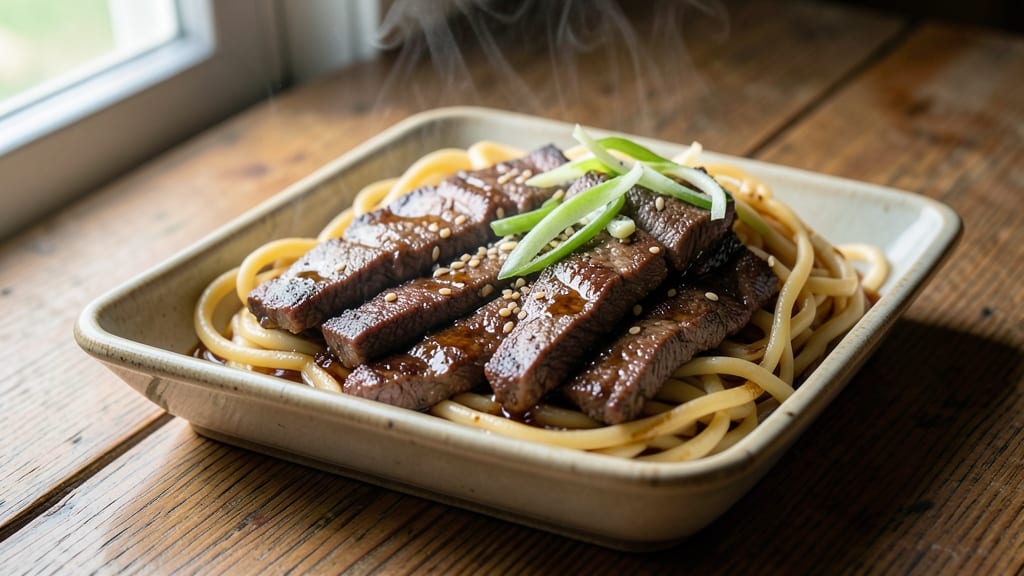
This beef and frozen egg noodles recipe delivers a protein-packed brunch that comes together in one pan with minimal effort. The secret lies in perfectly seared beef strips that stay tender while absorbing bold seasonings, then simmered with egg noodles until they're creamy and clingy—no soggy textures here.
I developed this during a busy morning when I needed a hearty meal that didn't require chopping fresh vegetables or waiting for water to boil.
The beauty of this dish is its versatility—swap in ground beef, flank steak, or even pre-cooked rotisserie chicken for different flavor profiles. A simple soy-ginger sauce ties everything together, while optional toppings like green onions, sesame seeds, or a fried egg elevate it to restaurant-quality.
Most importantly, it's ready in under 30 minutes with just one pan to clean.
What you'll end up with is a savory, satisfying brunch that balances rich beef with chewy egg noodles in a fragrant sauce. The beef stays juicy while developing a caramelized crust, and the noodles absorb just enough sauce to become tender without falling apart.
This is the kind of meal that keeps you full for hours without feeling heavy.
Perfect for weekend brunches, lazy weekdays, or feeding a crowd, this recipe scales effortlessly. The technique is simple enough for beginners but impressive enough for guests—just don't tell them it starts with frozen noodles. Let's get cooking!
Ingredients for beef and frozen egg noodles
Quick grocery run plus your pantry staples. No chopping, no boiling—just one pan magic.
| Ingredient | Amount | Notes |
|---|---|---|
| Flank Steak 🥩 | 1 lb | Sliced thinly against grain |
| Frozen Egg Noodles 🍜 | 8 oz | Wide or medium width preferred |
| Soy Sauce 🍶 | ⅓ cup | Low-sodium preferred |
| Sesame Oil 🫒 | 1 tbsp | Toasted for authentic flavor |
| Fresh Ginger 🌿 | 1 tbsp | Finely grated, fresh preferred |
| Garlic Cloves 🧄 | 3 cloves | Minced, fresh preferred |
| Vegetable Oil 🫒 | 2 tbsp | High smoke point for searing |
| Honey 🍯 | 1 tbsp | For balancing soy sweetness |
| Cornstarch 🌾 | 1 tbsp | For thickening sauce |
| Green Onions 🧅 | ¼ cup | Sliced, for garnish |
| Sesame Seeds 🌾 | 1 tsp | Toasted, for garnish |
| Salt 🧂 | 1 tsp | Kosher or sea salt |
| Black Pepper 🌶️ | ½ tsp | Freshly ground preferred |
| Water 💧 | ½ cup | For deglazing pan |
The steak is everything here. Flank steak gives you that perfect balance of tenderness and chew—sirloin is too lean, ribeye too fatty. Most butchers will slice it for you, but if you're doing it yourself, cut against the grain for that melt-in-your-mouth texture. I usually grab mine from Whole Foods or the meat counter at Kroger—look for good marbling but not too much fat. If you're feeling lazy, pre-sliced flank steak from the deli section works in a pinch, but it's pricier. The egg noodles? Barilla or De Cecco are my go-tos—they hold up better than the store-brand stuff and don't turn to mush.
No soy sauce? Coconut aminos in a 1:1 ratio works surprisingly well. Fresh ginger giving you trouble? Substitute 0.5 tsp ground ginger—it's not the same, but close. The cornstarch is non-negotiable for that silky sauce, but if you're out, arrowroot powder does the trick. Want to skip the sesame oil? A dash of toasted sesame seeds at the end adds the same nutty depth. The garlic can be pre-minced from a jar (I won't judge), but fresh is always better. Pro tip: Toast your sesame seeds and green onions in the same pan after cooking—they'll be warm and fragrant when you plate it.
This reheats like a dream—just add a splash of water or broth to loosen the sauce. Keeps for 4-5 days in the fridge, though I never make it that long. Freezes beautifully for up to 3 months if you're planning ahead. I always double the batch because leftovers make the best next-day lunches. Store in an airtight container with a lid—parchment paper between layers prevents sticking. The noodles will dry out faster than the beef, so eat or freeze within a week for best texture.
Why You'll Love This Recipe
- Pantry to Plate: I swear by this when I open the freezer and see nothing but ice. No thawing, no fancy prep—just toss those egg noodles straight from frozen into boiling water while I slice the steak (seriously, 5 minutes max). The noodles soften perfectly, and the beef caramelizes in the same pan with that soy sauce and ginger. It’s the kind of meal that proves you don’t need a grocery haul to eat well.
- Umami Bomb: That first bite? The flank steak’s savory depth from the soy sauce, the chewy noodles soaking it up, and the bright zing of fresh ginger—it’s like a tiny flavor explosion. Honestly, the sesame oil ties it all together with this nutty, aromatic finish that makes me reach for seconds. It’s the kind of dish where every ingredient matters, but none overpowers.
- Leftover Hero: Between us, this recipe is my meal prep MVP. Cook once, eat twice (or three times). The beef stays tender, the noodles hold their bite, and it reheats like a dream—just a splash of water in the pan, a quick stir, and you’re back to that same rich, satisfying bowl. I keep a container in the fridge for those nights when I’m too tired to think, and it never lets me down.
- Budget Flex: Flank steak on sale? Frozen noodles in the back of the freezer? This is the meal for those moments. I stretch it by adding a handful of spinach or leftover veggies, and it still hits the spot. Plus, the ginger and sesame oil are the kind of small luxuries that make cheap cuts taste like a splurge. It’s reliable, it’s smart, and it never feels like a compromise.
Step-by-step instructions for beef and frozen egg noodles
This one-pan dish comes together faster than you'd think—juicy beef, chewy noodles, and a glossy sauce that ties it all together.
Prep the Flank Steak for Perfect Slices
Remove the 1 lb flank steak from the refrigerator and let it sit at room temperature for 15 minutes. This ensures even cooking. While it rests, slice it thinly against the grain into ¼-inch strips. You'll want about 1-inch long pieces—this keeps them tender and easy to chew.
Season both sides generously with 1 tsp salt and 0.5 tsp black pepper. I like to press the seasoning into the meat so it sticks. Let the seasoned strips sit for 5 minutes before cooking. This gives the salt time to penetrate and develop flavor. The meat should look evenly coated and slightly glistening from the seasoning.
Sear the Beef and Cook the Aromatics
Heat 2 tbsp vegetable oil in a large skillet over medium-high heat until shimmering. Add the seasoned flank steak strips in a single layer and cook undisturbed for 2-3 minutes until they develop a deep golden-brown crust. Don't crowd the pan—work in batches if needed. Once browned, remove the beef and set aside on a plate.
In the same skillet, add 1 tbsp vegetable oil and swirl to coat. Add the 3 minced garlic cloves and 1 tbsp finely grated fresh ginger, cooking for 30 seconds until fragrant. Be careful not to burn the garlic—it should smell sweet and pungent, not bitter. This aromatic base forms the flavor foundation for your entire dish.
Build the Sauce with Soy and Honey
Pour in the 0.33 cup soy sauce and 1 tbsp honey, stirring to deglaze the pan. Let it simmer for 1-2 minutes until slightly reduced. The sauce should coat the back of a spoon and have a glossy appearance. If it looks too thick, add 1-2 tablespoons of water to loosen it slightly.
Sprinkle the 1 tbsp cornstarch over the sauce and stir vigorously for 30 seconds until fully dissolved. The mixture will thicken immediately. Return the beef strips to the pan and toss everything together for 1 minute to coat the meat in the sauce. You're looking for a balance here—enough sauce to coat but not so much that it makes the beef soggy.
Cook the Frozen Noodles in the Sauce
Add the 8 oz frozen egg noodles directly to the skillet, spreading them out evenly. Pour in 0.5 cup water and bring to a gentle simmer. Cover the skillet and cook for 5-6 minutes, stirring occasionally, until the noodles are tender and the liquid has mostly evaporated. The noodles should be al dente with a slight bite, not mushy.
Uncover the skillet and stir in the 1 tbsp sesame oil and 1 tbsp honey to balance the flavors. Taste and adjust seasoning if needed—you might want to add a bit more soy sauce for saltiness or honey for sweetness. The sauce should be cohesive and cling to both the noodles and beef. If it's too thin, let it simmer uncovered for another minute to thicken.
Finish and Garnish for Serving
Remove the skillet from heat and stir in the 0.25 cup sliced green onions. Sprinkle with 1 tsp sesame seeds and toss gently to distribute. Let the dish rest for 2 minutes—this allows the flavors to meld together and the noodles to absorb any remaining sauce. The final dish should have a vibrant green garnish and toasted sesame seeds that add texture and aroma.
Serve immediately while hot, garnished with extra green onions if desired. Each bite should deliver tender beef, chewy noodles, and a glossy sauce with layers of umami, sweetness, and aromatic notes. This dish is perfect for brunch or a quick weeknight dinner when you're craving something hearty but don't want to spend hours in the kitchen.
Pro Tips For Making Beef And Frozen Egg Noodles
- Slice Thin, Cook Fast: Frozen egg noodles need quick cooking, so slice your flank steak against the grain into ¼-inch strips—no thicker or it’ll turn chewy. Use a sharp knife and keep the strips uniform so they cook evenly in the hot pan.
- Thaw Noodles in Sauce: Skip the boiling water—toss frozen egg noodles directly into the pan with the beef and soy sauce, then add ½ cup water. The residual cold helps stop overcooking while the noodles absorb flavor. Stir occasionally until tender.
- Ginger: Grate, Don’t Chop: Fresh ginger loses its punch when chopped, but fine grating releases its oils. Use 1 teaspoon grated ginger (about a 1-inch knob) and let it bloom in the pan for 30 seconds before adding beef—this builds real depth.
- Sesame Oil Last: Add sesame oil after the beef is cooked to preserve its aroma. A splash at the end coats the noodles with that nutty fragrance—dumping it early burns it off. One teaspoon is enough; no need to go heavy.
Wine and beer pairings for beef and frozen egg noodles
Red Wine Pairings
A bold, dry Pinot Noir from Oregon or California is my go-to choice for this dish. The wine's bright acidity and red fruit notes—think cherry and raspberry—complement the beef's savory depth while cutting through the soy sauce's richness.
I love La Crema or Meiomi for their approachable price and consistent quality. Serve slightly chilled (55-60°F) to enhance the wine's freshness against the warm noodles. 🍷
White Wine Options
For those who prefer white, a crisp Riesling with a touch of sweetness balances the dish's umami perfectly. Look for an off-dry German Riesling like Dr. Loosen Blue Slate—its honeyed apple and citrus notes mirror the dish's soy-honey sauce.
Alternatively, a dry Gewürztraminer adds floral complexity that pairs beautifully with the sesame aromatics.
Light Beer Selections
A refreshing Japanese lager like Asahi Super Dry or Sapporo cleanses your palate between bites. The beer's subtle crispness and clean finish prevent the dish from feeling too heavy.
For craft beer lovers, a Belgian witbier such as Hoegaarden brings citrusy notes that complement the ginger and garlic. Avoid heavy IPAs—they'll overpower the delicate flavors. 🍺
Craft Cocktail Pairing
For a brunch twist, try a Gin & Tonic with cucumber and mint. The gin's botanical notes enhance the dish's aromatic ingredients, while the cucumber adds a cooling contrast.
I muddle 4 cucumber slices and 3 mint leaves with 2 oz gin, ½ oz honey syrup, and top with tonic water. Garnish with a lime wedge for brightness. This cocktail's refreshing profile balances the dish's richness beautifully.
Non-Alcoholic Options
Don't drink alcohol? A yuzu soda or sparkling yuzu lemonade offers similar citrus brightness without the boozy notes. The tartness of yuzu enhances the soy and ginger flavors.
For a caffeine kick, an iced matcha latte with honey and oat milk provides a creamy contrast. Both options keep the meal feeling light and refreshing. ✨
Nutrition facts
Frequently asked questions
Can I use ground beef instead of flank steak?
Ground beef works wonderfully—just use 1 lb lean ground beef (85/15 ratio) and break it into small crumbles before cooking. Skip the slicing step and brown the beef thoroughly for 4-5 minutes until fully cooked (165°F). The texture will be different but still delicious, especially if you prefer a more uniform bite.
How do I prevent the noodles from getting mushy?
Cook the frozen noodles in the sauce with just 0.5 cup water and cover for 5-6 minutes—they'll absorb liquid from the beef and sauce too. Never overcook them! If they're still firm after 6 minutes, add 1-2 tbsp more water and cook uncovered for 1 minute to evaporate excess moisture.
What's the best way to reheat leftovers?
Add 2 tbsp water or beef broth to the pan and cover for 3-4 minutes on medium heat, stirring occasionally. The steam prevents drying. For microwave reheating, cover with a damp paper towel and heat for 90 seconds—this keeps the noodles tender. Never reheat uncovered or they'll turn rubbery.
Can I make this dish spicier?
Yes! Add ½ tsp red pepper flakes when cooking the aromatics or 1 tbsp sriracha to the sauce. For extra heat, stir in 1 tsp gochujang (Korean chili paste) with the soy sauce. Balance with extra honey if needed—spice levels vary widely between brands.
Why did my beef turn out chewy instead of tender?
Most likely, you didn't slice against the grain or overcooked it. For flank steak, always cut perpendicular to the muscle fibers (they run lengthwise). Also, remove beef from heat when it reaches 145°F for medium-rare—it will rise to 150°F while resting. If using ground beef, ensure it's fully browned but not overworked in the pan.