
Main Courses
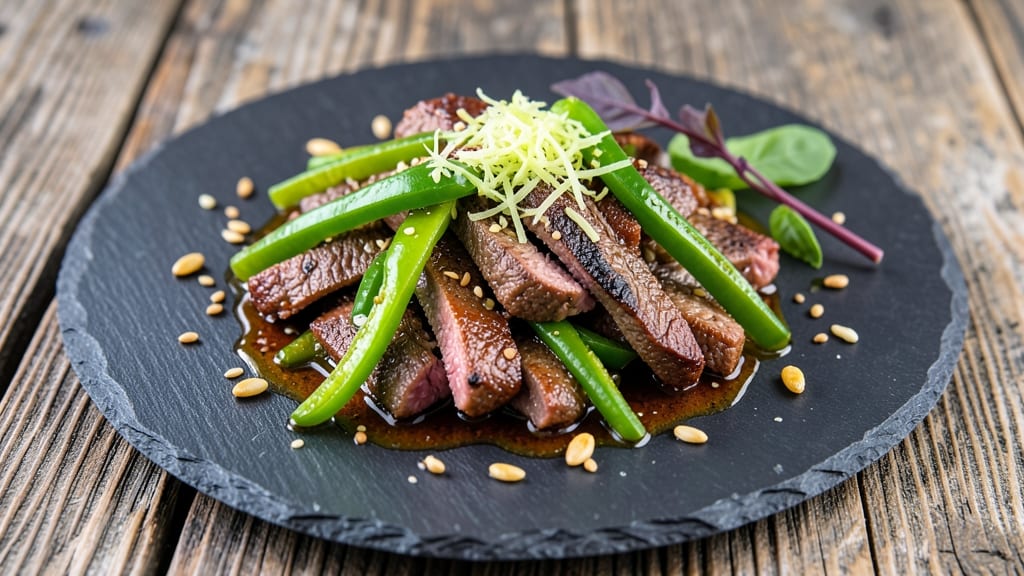
This beef and green pepper stir fry delivers restaurant-quality wok heat in just 20 minutes, with tender beef strips and crisp-tender peppers coated in a silky soy-ginger sauce.
The secret lies in high-heat searing and proper prep—thinly sliced beef and julienned peppers cook fast while retaining texture, creating that perfect balance of crunch and tenderness you crave after a long day.
What sets this recipe apart is the dual-texture technique: beef gets a quick sear in the wok before vegetables join, ensuring maximum flavor development. The sauce—sweet, tangy, and aromatic—binds everything together with just the right amount of gloss without overwhelming the dish.
It's the kind of meal that transforms simple ingredients into something extraordinary with minimal effort.
By the time you plate it, you'll have perfectly browned beef strips, vibrant green peppers, and a sauce that clings beautifully to every bite. The aroma alone will have everyone gathering around the table, and the first forkful delivers that perfect harmony of textures and flavors.
This is comfort food at its finest—quick, satisfying, and packed with wok-house energy.
Serve it over steamed jasmine rice or noodles for the full experience, or keep it as-is for a protein-rich meal that's ready in under half an hour. The best part? Leftovers reheat beautifully, making it perfect for meal prep. Let's get cooking!
Ingredients for beef and green pepper stir fry
Thinly sliced beef and crisp-tender peppers transform into wok-fried perfection with this silky soy-ginger sauce.
| Ingredient | Amount | Notes |
|---|---|---|
| Flank Steak 🥩 | 1 ½ lb | Thinly sliced against grain |
| Green Bell Peppers 🧅 | 3 whole | Julienned into matchsticks |
| Extra-Virgin Olive Oil 🫒 | 2 tbsp | High smoke point preferred |
| Low-Sodium Soy Sauce 🍶 | ½ cup | Kikkoman preferred |
| Fresh Ginger 🌿 | 2 tbsp | Finely grated, peel removed |
| Garlic Cloves 🧄 | 6 cloves | Minced into fine paste |
| Sesame Oil 🫒 | 1 tbsp | Toasted for aroma |
| Brown Sugar 🍚 | 2 tbsp | Light or dark preferred |
| Cornstarch 🌾 | 1 tbsp | For sauce thickening |
| Vegetable Oil 🫒 | 2 tbsp | For high-heat searing |
| Sesame Seeds 🌰 | 1 tbsp | Toasted for garnish |
| Diamond Crystal Kosher Salt 🧂 | 1 tsp | For seasoning beef |
| Black Peppercorns 🌶️ | ½ tsp | Freshly cracked |
| Jasmine Rice 🍚 | 2 cups | Uncooked, for serving |
| Red Chili Flakes 🔥 | ½ tsp | Optional for heat |
The flank steak is non-negotiable—it's lean, flavorful, and slices beautifully when cut against the grain. Ask your butcher to slice it thinly if you're not comfortable doing it yourself, or use the meat slicer attachment on your stand mixer. For the peppers, green bell peppers are ideal—they hold their shape better than red or yellow. If you can't find fresh ginger, pasteurized ginger from the Asian aisle works in a pinch, but fresh always delivers that bright, zesty punch. The Kikkoman soy sauce is a staple in my pantry, but any low-sodium soy will do—just taste and adjust if needed.
No sesame oil? Toasted peanut oil at half the amount mimics that nutty aroma, though it won't have the same depth. The cornstarch is your secret weapon for that glossy, clingy sauce—don't skip it. For extra umami, add 1 tbsp fish sauce (if not vegetarian) or 1 tsp soy sauce swirl to the sauce. The brown sugar balances the acidity, but honey or maple syrup work too if you're avoiding refined sugar. And if you're feeling adventurous, swap the green peppers for shishito peppers or Thai bird's eye chili for a different texture and heat level.
This dish reheats like a dream—just toss with a splash of water or soy sauce and a quick stir. Keeps for 3-4 days in the fridge, or freeze portions for up to 3 months. I always make double batches because it's that good. Store the sauce separately if you're prepping ahead, and reheat it gently to maintain that silky texture. The rice? Cook it in advance and keep it warm in a rice cooker—it stays fluffy for hours.
Why You'll Love This Recipe
- One-Pan Magic: I swear by this recipe when I’m too tired to scrub a million dishes—just the steak, peppers, and a splash of olive oil in one pan. The soy sauce cuts through the richness, and the ginger adds that bright kick without extra cleanup.
- Umami Bomb: That first bite of tender flank steak with the peppers still snappy? The low-sodium soy sauce and ginger make it taste like a restaurant dish, but with way less guilt. Honestly, I’ll take this over takeout any day.
- Lunchbox Hero: Between us, this is my go-to for meal prep—packs perfectly, stays fresh for days, and even my picky teenager won’t complain. Toss it cold or reheat it, and the flavors only get better.
- Budget Flex: Flank steak stretches farther than you’d think, and green peppers last forever in the fridge. A little olive oil and ginger go a long way, so it’s my secret weapon for feeding the family without breaking the bank. (Yes, even on a Tuesday night.)
Step-by-step instructions for beef and green pepper stir fry
This wok-hot stir fry delivers restaurant-quality texture and flavor with just a few key techniques.
Prep the Flank Steak for Maximum Tenderness
Slice the 1.5 lb flank steak thinly against the grain using a sharp knife—this is crucial for tender bites. Arrange the slices in a single layer on a plate and season both sides generously with the 1 tsp diamond crystal kosher salt and 0.5 tsp freshly cracked black peppercorns. Let them sit at room temperature for 15 minutes while you prepare the vegetables.
The salt will begin breaking down the proteins, and the room temperature ensures even cooking. If you're short on time, at least let them sit for 5 minutes—this makes a noticeable difference in tenderness. I always use freshly cracked peppercorns because pre-ground pepper loses its aroma quickly.
Build the Flavor Base with Aromatics
Heat the 2 tbsp vegetable oil in a wok or large skillet over high heat until shimmering. Add the 6 cloves minced garlic cloves and stir for 10 seconds until fragrant—don't let them brown or they'll turn bitter. Immediately add the 2 tbsp finely grated fresh ginger and cook for another 10 seconds, stirring constantly.
Here's where the magic happens: the high heat quickly develops the garlic's sweetness before it burns. If you smell burning, your heat is too high—reduce it slightly and let the aromatics cook more gently. The ginger will release its bright, citrusy notes that cut through the richness of the beef.
Sear the Beef for Wok-Hot Crunch
Working in batches if needed, add the seasoned flank steak slices to the wok. Cook undisturbed for 30 seconds until they develop a deep brown crust on one side. Flip and cook another 30 seconds until just cooked through—you want the center still slightly pink. Remove the beef to a plate and set aside.
Don't overcrowd the pan or the temperature will drop, and you'll steam instead of sear. The beef should release easily when ready to flip. If it sticks, your pan isn't hot enough—let it recover for 30 seconds before trying again. This quick sear creates that wok-hot texture that defines great stir fry.
Stir Fry the Green Peppers to Perfect Crisp-Tender
Add the 2 tbsp extra-virgin olive oil to the wok and increase heat to maximum. Toss in the 3 whole green bell peppers julienned into matchsticks and stir fry for 2-3 minutes until they turn bright green and just begin to soften at the edges. Remove them to join the beef.
The peppers should maintain their vibrant color and slight crunch—overcooking turns them mushy. If they look too soft after 2 minutes, reduce heat slightly and cook another 30 seconds. The high smoke point olive oil prevents burning while allowing the peppers to develop their natural sweetness.
Create the Silky Soy Ginger Gloss
In a small bowl, whisk together the 0.5 cup low-sodium soy sauce, 2 tbsp brown sugar, 1 tbsp sesame oil, and 1 tbsp cornstarch. Pour this mixture into the wok and bring to a rapid simmer, stirring constantly for 1-2 minutes until the sauce thickens to a glossy consistency.
This is where the stir fry transforms from good to exceptional. The cornstarch creates that signature silky texture while the brown sugar balances the soy sauce's saltiness. If the sauce thickens too quickly, add 1-2 tablespoons of water to loosen it. The sesame oil adds depth that regular cooking oil can't match.
Combine and Finish with Toasted Sesame Seeds
Return the beef and peppers to the wok, tossing everything together for 1-2 minutes until evenly coated with the sauce. Stir in the 0.5 tsp red chili flakes if using, and finish with the 1 tbsp toasted sesame seeds. Serve immediately over the 2 cups cooked jasmine rice.
The sesame seeds add a nutty crunch that contrasts beautifully with the silky sauce. Each bite should deliver tender beef, crisp-tender peppers, and that perfect balance of sweet, salty, and umami flavors. The chili flakes add just enough heat to make every mouthful exciting—adjust to taste if you prefer more or less spice.
Pro Tips For Making Beef And Green Pepper Stir Fry
- Slice Steak Against the Grain: Flank steak’s tough fibers run lengthwise, so cutting perpendicular to those lines shortens them—meaning tender bites. Use a sharp knife and make clean, ¼-inch slices. (Yes, it takes a few minutes, but your jaw will thank you later.)
- Blister Peppers First: Toss sliced green peppers in the hot pan before the beef—let them soften and develop a faint char for 2-3 minutes. They’ll release sweetness and stay crisp enough to hold their shape. (I learned this the hard way by adding them last and ending up with mushy, sad peppers.)
- Salt the Steak Early: Sprinkle the sliced flank steak with salt and let it sit uncovered for 10 minutes before cooking. This seasoning penetrates deeper than a quick sprinkle, and the surface draws out moisture so it sears better. (Pro tip from my grandmother: "Salt is the handshake of flavor.")
- Use Two Stages of Heat: Start with the pan screaming hot to sear the beef for 30 seconds, then drop to medium-high and stir-fry. High heat locks in juices, but too much too long turns your stir-fry into a sad, rubbery mess. (I was skeptical until I tried it—now I never rush this step.)
Essential equipment for great beef and green pepper stir fry
Wok Essentials
A carbon steel wok is my go-to for stir fries—it heats up fast and retains heat beautifully. Look for a 14-inch wok with a flat bottom for stovetop use, like the De Buyer 14-inch wok.
If you don’t have a wok, a 12-inch cast iron skillet (like Lodge) works perfectly—just use a little more oil to prevent sticking. Preheat your pan for 2-3 minutes on high heat before adding oil to create that signature wok-hot sear. 🔥
High-Heat Oil
Use vegetable oil or peanut oil for searing—they have high smoke points (400°F+) that prevent burning. I avoid olive oil for stir-frying because its lower smoke point (375°F) can create bitter flavors at high heat.
Keep a small bottle of sesame oil on hand for finishing—just 1 tsp adds incredible aroma without overpowering. For extra flavor, toast 1 tbsp sesame seeds in a dry pan for 30 seconds before using them as garnish. ✨
Knife Skills
A sharp 8-inch chef’s knife is essential for slicing flank steak against the grain into ¼-inch strips. If you’re not comfortable with this, ask your butcher to slice it for you—they’ll do it perfectly.
For the green peppers, use a mandoline set to ¼-inch for consistent julienne strips, or hand-chop them into matchstick-sized pieces. The more uniform your cuts, the more evenly everything cooks. 💡
Sauce Thickener
Cornstarch is your secret weapon for that glossy stir-fry sauce—it thickens instantly when heated. Keep a small bowl nearby to mix your sauce while the wok is hot. If you don’t have cornstarch, arrowroot powder works just as well. For extra depth, add 1 tsp fish sauce (if not vegetarian) or 1 tsp soy sauce swirl to the sauce mixture. The key is to whisk it vigorously before pouring into the wok for a silky finish. 💫
Heat Control Tools
A wok thermometer helps you monitor high heat—aim for 450-500°F when searing beef. If you don’t have one, use the water droplet test: flick a drop of water into the pan—if it sizzles and evaporates instantly, your heat is perfect.
For safety, keep a heat-resistant spatula (like OXO Good Grips) nearby to toss ingredients without burning yourself. A small ladle also comes in handy for deglazing the wok with sauce. 🌡️
Optional Upgrades
For a restaurant-style experience, invest in a wok burner or electric wok—they give you precise control over heat zones. A cleaver (like Victorinox) is great for chopping peppers quickly, but a regular 8-inch knife works fine.
If you love sesame oil, try toasted sesame oil for even more flavor depth. And for extra umami, keep dried shiitake mushrooms on hand—soak and finely chop a few to add to your sauce. 💛
Nutrition facts
Frequently asked questions
Can I substitute flank steak with another cut of beef?
Yes! Sirloin or ribeye work well—just slice them thinly against the grain for tenderness. Avoid fatty cuts like ribeye if you prefer leaner results. For extra flavor, try flank steak from grass-fed beef or marinate it for 30 minutes in soy sauce, garlic, and a touch of brown sugar before cooking.
What if I don't have a wok? Can I use a regular pan?
A 12-inch cast iron skillet or heavy-bottomed stainless steel pan works perfectly. Use 2 tbsp extra oil to prevent sticking, and keep the heat high to mimic wok searing. For even better results, preheat your pan for 2-3 minutes before adding oil. The key is maintaining that high heat throughout the cooking process.
How do I make this dish spicier?
Add 1 tsp chili crisp or 1 tbsp sriracha to the sauce for instant heat. For authentic wok-house spice, stir in 1 tsp doubanjiang (Chinese chili bean paste) with the aromatics. If you love fresh heat, toss in 1 chopped Thai chili at the end. Always taste first—you can adjust to preference!
Can I make this recipe vegetarian?
Swap the beef for extra-firm tofu (pressed and cubed) or mushrooms (shiitake or oyster). For texture, marinate tofu in soy sauce and cornstarch, then pan-fry until crispy. Keep the same cooking technique—high heat and quick cooking—to maintain that stir-fry crunch. The peppers and sauce will still shine!
Why did my sauce turn too thick?
This happens when cornstarch thickens too quickly. Next time, whisk your sauce with 1 tbsp water first, then add to the wok. For immediate fixes, splash in 1-2 tbsp hot water while stirring. The sauce should coat the back of a spoon but still be pourable. If it's too thin, simmer another 30 seconds to thicken.