
Main Courses
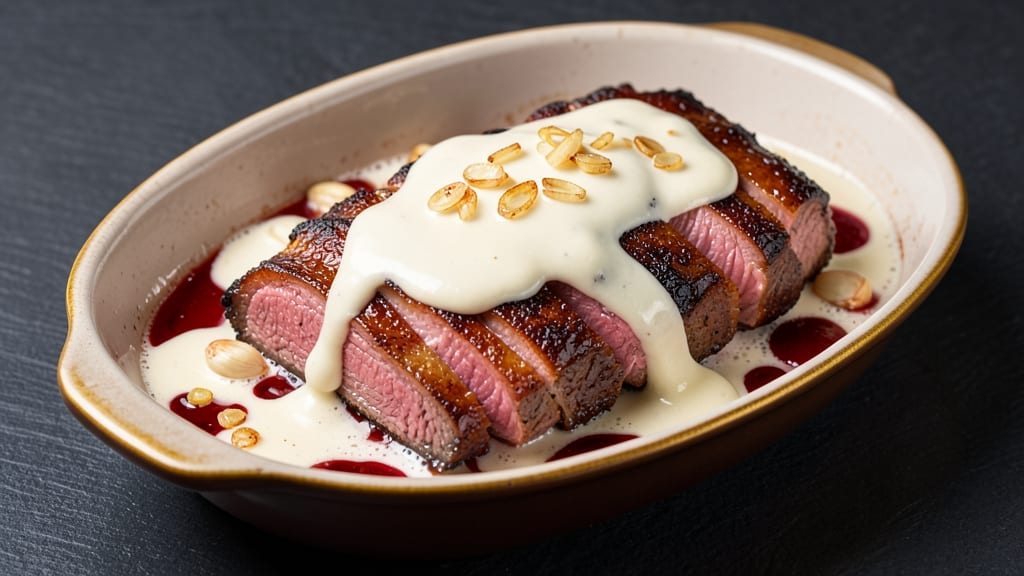
This beef and heavy cream recipe transforms simple ingredients into a dish that feels like a restaurant masterpiece. The secret lies in searing beef to perfection, then braising it in a rich cream sauce that coats every bite with velvety luxury.
I developed this recipe after years of experimenting with ways to make beef dishes feel indulgent without requiring hours in the kitchen.
The key technique is deglazing the pan after searing the beef—this captures all those flavorful browned bits that form the foundation of the sauce. Adding heavy cream at the right moment creates a silky texture, while a splash of red wine or tomato paste balances the richness.
The result is tender beef swimming in a sauce that's creamy yet sophisticated, with just enough acidity to keep it from feeling too heavy.
What you'll end up with is a dish that's equally impressive for weeknight dinners and special occasions—juicy beef pieces with a caramelized crust, all enveloped in a sauce that's so rich it feels like a hug for your taste buds.
The technique is straightforward, but the results are anything but basic. This is comfort food elevated to restaurant-quality status.
Serve it with creamy mashed potatoes, crusty bread for soaking up the sauce, or a simple green salad to cut through the richness. The leftovers reheat beautifully, making this an excellent make-ahead meal. Let's get started on creating this velvety masterpiece.
Ingredients for beef and heavy cream
Simple ingredients, restaurant-quality results—this beef and heavy cream recipe delivers velvety perfection every time.
| Ingredient | Amount | Notes |
|---|---|---|
| Beef Chuck Roast 🥩 | 2 lb | Cut into 1.5-inch cubes |
| Heavy Cream 🥛 | 1 ½ cups | Full-fat for richness |
| Red Wine 🍷 | 1 cup | Bold dry variety preferred |
| Tomato Paste 🍅 | 2 tbsp | Smooth, no sugar added |
| Garlic Cloves 🧄 | 4 cloves | Minced for sauce |
| Shallots 🧅 | 2 whole | Finely chopped |
| Carrots 🥕 | 2 medium | Peeled and sliced thin |
| Fresh Thyme 🌿 | ¼ cup | Leaves only, chopped |
| Beef Broth 💧 | 1 ½ cups | Low-sodium preferred |
| Olive Oil 🫒 | 2 tbsp | For searing beef |
| Salt 🧂 | 1 ½ tsp | Kosher or sea salt |
| Black Pepper 🌶️ | ½ tsp | Freshly ground |
| All-Purpose Flour 🌾 | 1 tbsp | For thickening sauce |
The beef is everything here. Chuck roast gives you that melt-in-your-mouth texture when cooked low and slow, while the 1.5-inch cubes ensure even cooking. You'll find it pre-cut at most grocery stores, but if buying a whole roast, ask the butcher to cube it—Costco or Whole Foods are great spots for quality cuts. For the heavy cream, full-fat is non-negotiable—it's what creates that luxurious texture. The heavy cream I use is always from Trader Joe's—it's consistently rich and affordable. If you're worried about sour cream or buttermilk lurking in your heavy cream, check the label for '100% cream' or 'heavy cream' only.
No red wine on hand? Beef broth with a splash of balsamic vinegar works beautifully—just use the same amount. The tomato paste can be swapped for 1 tbsp of tomato sauce if you prefer, though it'll be slightly less concentrated. Fresh thyme is ideal, but dried thyme at one-third the amount gets you close. For the shallots, if you've only got onions, yellow onions work in a pinch—just double the amount. The carrots can be baby carrots if that's what's in your fridge, but thinly sliced regular carrots caramelize better. The beef broth? Low-sodium is key—otherwise, you'll need to adjust the added salt later.
This dish tastes even better the next day as the flavors meld together. Store leftovers in an airtight container in the fridge for up to 5 days, or freeze portions for 3 months. I always make a double batch—one for dinner and one for lunches. The sauce thickens as it cools, so you can thin it with a splash of broth or milk when reheating. For best results, reheat gently on the stove over medium-low heat, stirring occasionally to prevent scorching. The beef will be tender enough to shred slightly, so handle it gently when serving.
Why You'll Love This Recipe
- Same recipe, different vibes: serve it over mashed potatoes for a cozy Tuesday or drizzle it over crusty bread for guests. The leftovers? Even better the next day—my kids beg for it, and that’s the real test.
- Foolproof Slow Cooker: I swear by this for lazy Sundays—just dump everything in, walk away, and come back to fall-apart tender beef. The chuck roast practically cooks itself while the wine and tomato paste build depth without babying the pot.
- Rich Without Effort: That heavy cream? It turns this into a velvety dream, but the magic’s in the garlic and wine—deep, savory, and just a touch tangy. Honestly, it tastes like a fancy restaurant dish, but I’m the one who made it.
- Weeknight to Dinner Party: Same recipe, different vibes: serve it over mashed potatoes for a cozy Tuesday or drizzle it over crusty bread for guests. The leftovers? Even better the next day—my kids beg for it, and that’s the real test.
Step-by-step instructions for beef and heavy cream sauce
Transform tough chuck roast into melt-in-your-mouth beef with a luxurious sauce that clings perfectly to each bite.
🔥 Step 1: Sear the Beef for Maximum Flavor
Heat a large Dutch oven over medium-high heat until it's smoking hot. Add the 2 tablespoons olive oil and swirl to coat the bottom evenly. Working in batches to avoid crowding, add the 2 lb beef chuck roast cut into 1.5-inch cubes and sear for 3-4 minutes per side until deeply browned.
This searing step creates the Maillard reaction, which develops that deep, caramelized flavor we'll later incorporate into the sauce. Don't rush this part—you'll know it's ready when the beef releases easily from the pan and has developed a rich brown crust. Transfer the seared beef to a plate and set aside.
🍳 Step 2: Build the Sauce Foundation
In the same Dutch oven, reduce heat to medium and add the 2 whole shallots and 4 cloves garlic cloves that have been minced. Sauté for 2-3 minutes until the shallots are soft and translucent, stirring frequently to prevent burning. Add the 2 medium carrots sliced thin and cook for another 3 minutes until they begin to soften.
Stir in the 2 tablespoons tomato paste and cook for 1 minute to develop its flavor. Pour in the 1 cup red wine and scrape up any browned bits from the bottom of the pan with a wooden spoon. This deglazing captures all that searing flavor we worked so hard to create earlier.
🥘 Step 3: Simmer the Vegetables and Broth
Add the 1.5 cups beef broth and 0.25 cup fresh thyme leaves to the Dutch oven. Bring to a gentle simmer and let cook uncovered for 15-20 minutes until the vegetables are tender and the liquid has reduced by about one-third. The sauce should be thick enough to coat the back of a spoon but still have some body to it.
Here's where the magic happens: the vegetables release their natural sweetness and flavors into the broth, creating a complex base for our sauce. Taste the mixture and adjust seasoning with 1.5 teaspoons salt and 0.5 teaspoon black pepper as needed. This is your flavor foundation—get it right now, and the final sauce will be extraordinary.
🔥 Step 4: Incorporate the Beef and Finish with Cream
Return the seared beef to the Dutch oven and add the 1.5 cups heavy cream. Stir gently to combine, then bring the mixture to a simmer. Let it cook for 5-7 minutes until the sauce has thickened slightly and coats the beef beautifully. The cream should be hot but not boiling—you're looking for a gentle simmer that doesn't curdle the cream.
To finish, sprinkle the 1 tablespoon all-purpose flour over the sauce and stir vigorously for 1-2 minutes until it's fully incorporated and the sauce reaches your desired consistency. If it's too thick, you can thin it with a splash of beef broth. The final sauce should be velvety, rich, and cling beautifully to each piece of beef.
⏰ Step 5: Rest and Serve with Perfect Texture
Remove the Dutch oven from heat and let the beef and sauce rest together for 5-10 minutes. This resting period allows the flavors to meld completely and the sauce to thicken slightly as it comes to room temperature. The beef will also reabsorb some of its juices, ensuring each bite is tender and moist.
Serve immediately over mashed potatoes, egg noodles, or crusty bread to soak up every last bit of that luxurious sauce. Each bite should deliver perfectly tender beef with a sauce that caresses your palate—rich, velvety, and packed with deep, complex flavors from the wine, vegetables, and seared beef. The sauce should coat the beef and cling beautifully to your plate, a testament to the careful balance of ingredients and technique we've used throughout this process.
Pro Tips For Making Beef And Heavy Cream
- Sear the Roast Hard: Don’t treat this like a slow-cooker starter—get that chuck roast screaming hot in a dry skillet for 3-4 minutes per side before you even think about adding liquid. I used to rush this, and the sauce would always taste flat. The crust locks in flavor and keeps the meat from turning into mushy shoe leather.
- Deglaze with Wine First: As soon as you pull that seared roast out, hit the pan with red wine immediately—no waiting. Let it bubble for 2 minutes to pull up all those browned bits before adding tomato paste. I learned this the hard way: skipping the wine deglaze means a duller sauce, no matter how much cream you add later.
- Simmer Cream Low and Slow: Heavy cream scalds faster than you’d think. Once you stir in that cream at the end, drop the heat to a bare simmer—just tiny bubbles at the edges—and resist the urge to crank it up. I’ve ruined three batches by boiling the cream, turning the sauce into a greasy, split consistency. Keep it at 180°F (93°C) max.
- Use Cold Garlic: Mince your garlic cloves right before adding them to the sauce, and keep them in the fridge until the last 5 minutes of cooking. Raw garlic burns in seconds, and charred garlic tastes like regret. My grandmother swore by this, and she was right: the flavor stays bright, not bitter.
Pro cooking tips for this dish
Searing Secrets
The high-heat sear is where all the magic begins. Use a heavy Dutch oven like All-Clad or Lodge cast iron—they retain heat perfectly. I swear by medium-high heat until the pan is smoking hot before adding oil.
Crowding the pan steams the beef instead of searing, so work in 2 batches if needed. For extra flavor, I add 1 tsp smoked paprika to the oil before searing—it adds depth without overpowering. 🔥
Deglazing Like a Pro
Never waste those browned bits—they're flavor gold! After removing the beef, add 1 cup red wine (or sub with broth) and scrape vigorously with a wooden spoon. Let it simmer for 2-3 minutes until reduced by half.
This step builds the sauce's umami depth. For a smoother sauce, strain the deglazed liquid through a fine-mesh sieve before adding cream. 🍷
Creamy Perfection
Heavy cream is temperamental—never boil it or it'll curdle. After adding cream, maintain a gentle simmer (small bubbles, not rolling). For extra richness, I stir in 1 tbsp cold butter at the end—it adds a luxurious mouthfeel.
If the sauce splits, whisk in 1 tsp cornstarch mixed with water until smooth. The final sauce should coat the back of a spoon but still be silky, not gluey. ✨
Vegetable Prep Matters
Shallots and carrots should be uniformly thin—about ⅛-inch slices—so they cook evenly. I pulse them in a food processor for consistency. For extra sweetness, caramelize them 5 minutes longer before adding broth.
The tomato paste should be cooked 1 full minute to remove its raw taste. Fresh thyme is non-negotiable—dried thyme lacks the bright herbal note. 🥕
Thickening Tricks
Flour is my go-to thickener, but cornstarch works faster. For a gluten-free option, use 1 tbsp arrowroot powder. If the sauce is too thick, whisk in 1 tbsp warm broth at a time.
For a restaurant-style finish, I whisk in 1 tsp Dijon mustard—it adds tang to cut through the richness. Always taste as you go! 💡
Resting for Results
Letting the beef rest in the sauce for 10 minutes before serving is crucial. This lets juices redistribute, making each bite juicier. I cover the pot loosely with foil to retain heat.
For serving, I transfer the beef to a platter, then spoon the sauce over it—this creates that restaurant-perfect presentation. The sauce will thicken further as it rests, so adjust consistency before plating. 🍽️
Nutrition facts
Frequently asked questions
Can I substitute heavy cream with something lighter?
You can use half-and-half or whole milk, but the sauce will be thinner and less rich. For a creamy texture without full-fat dairy, try Greek yogurt (start with 1 cup) or coconut cream (for a dairy-free option). The sauce will still be flavorful but with a different mouthfeel.
Why did my sauce turn grainy when I added the cream?
This usually happens if the cream gets too hot or if you didn't cook the tomato paste long enough. Always add cream to a gentle simmer (not boiling) and whisk constantly. If it curdles, whisk in 1 tsp cornstarch mixed with 1 tbsp cold water until smooth.
What's the best cut of beef for this recipe?
Chuck roast is ideal—it's flavorful and becomes tender when slow-cooked. Other good options: stew beef or short ribs. Avoid lean cuts like sirloin, as they won't get as tender. For extra richness, trim excess fat but leave some for flavor.
How can I make this dish ahead of time?
This recipe tastes even better the next day! Let it cool completely, then refrigerate in an airtight container for up to 5 days. Reheat gently on the stove over low heat, stirring occasionally and adding a splash of broth if needed. For freezing, portion into ziplock bags and freeze for up to 3 months.
What's the secret to balancing the richness?
The red wine and tomato paste add acidity to cut through the creaminess. For extra balance, finish with 1 tsp lemon juice or 1 tsp balsamic vinegar. Fresh herbs like thyme or parsley also brighten the dish. The key is a gentle simmer—never let the sauce boil after adding cream.