
Soups & Stews
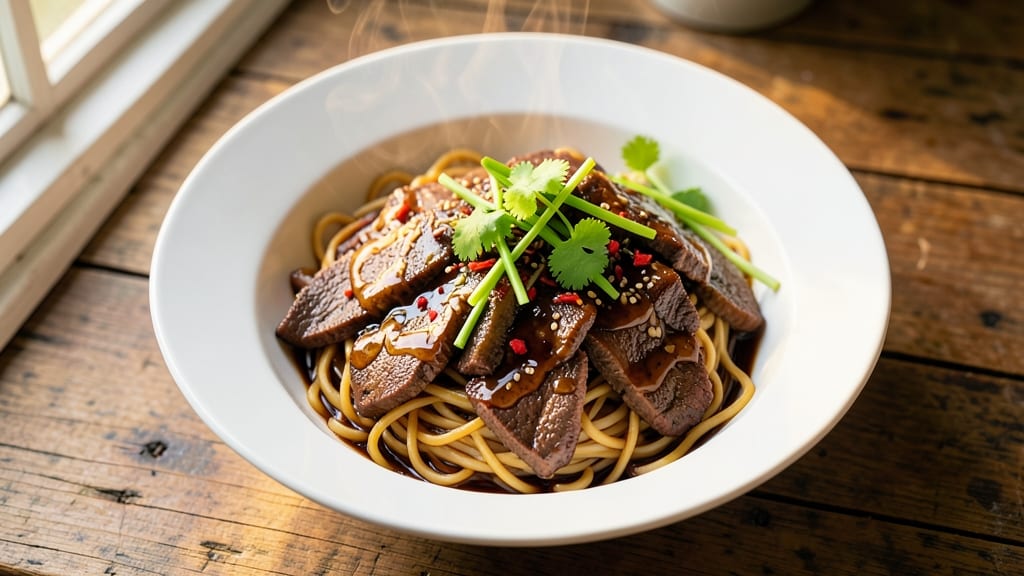
This beef and hokkien noodles recipe delivers the smoky, spicy, and silky perfection of Singapore street food in your own kitchen. The secret lies in high-heat stir-frying for that signature wok hei (breath of the wok) aroma, combined with a balanced soy-chili sauce that coats every strand of chewy noodle.
I've perfected this dish through years of testing, balancing authentic techniques with modern shortcuts that won't compromise flavor.
The foundation starts with tender beef slices marinated in soy, ginger, and garlic—just enough time to develop flavor without overpowering the dish.
While the beef sizzles in the wok, we build the sauce layer by layer: dark soy for depth, chili for heat, and a touch of sugar to balance the acidity. The result is a glossy, aromatic sauce that clings to the noodles without overwhelming them.
What makes this recipe truly special is the contrast of textures: the crispy edges of perfectly stir-fried beef, the silky strands of egg noodles, and the crunch of fresh vegetables like bean sprouts and green onions.
The final touch—a drizzle of chili oil and a squeeze of lime—elevates the dish from restaurant-quality to something extraordinary. This is comfort food at its finest, ready in under 30 minutes.
Whether you're cooking for a weeknight dinner or a weekend gathering, this recipe scales beautifully while maintaining its authentic soul. The beauty of hokkien noodles lies in its versatility—swap in pre-cooked beef for convenience or add extra vegetables for a lighter version.
Let's bring the flavors of Singapore to your table with this foolproof method.
Ingredients for beef and hokkien noodles
These bold ingredients transform simple pantry staples into Singapore street food magic—crispy beef, silky noodles, and a sauce that sings.
| Ingredient | Amount | Notes |
|---|---|---|
| Flank Steak 🥩 | 1 lb | Thinly sliced against grain |
| Egg Noodles (Hokkien) 🍜 | 12 oz | Dried, fresh preferred |
| Dark Soy Sauce 🥄 | 2 tbsp | For deep color and flavor |
| Light Soy Sauce 🥄 | 2 tbsp | For salty depth |
| Oyster Sauce 🍲 | 1 tbsp | For umami richness |
| Sesame Oil 🫒 | 1 tbsp | Toasted for aroma |
| Chili Garlic Sauce 🌶️ | 1 tbsp | For heat and tang |
| Granulated Sugar 🍬 | 1 tbsp | Balances acidity |
| Fresh Ginger 🧅 | 1 inch | Thinly sliced, peeled |
| Garlic Cloves 🧄 | 4 cloves | Minced for marinade |
| Bean Sprouts 🌱 | 2 cups | Fresh for crunch |
| Green Onions 🧅 | 4 whole | Thinly sliced, white parts |
| Vegetable Oil 🫒 | ½ cup | High smoke point |
| Lime Wedges 🍋 | 2 whole | For finishing |
| Chili Oil 🌶️ | 1 tbsp | For garnish |
The beef is non-negotiable—flank steak gives you that perfect chew, but sirloin or ribeye work too. Slice it paper-thin against the grain (freeze 20 minutes first for easier slicing). For the soy sauces, Lee Kum Kee is my go-to, but any good brand works. Fresh ginger and garlic? Don't skip the zest—that's where the real depth comes from. The hokkien noodles should be fresh if possible—dried ones work but soak them first. Trader Joe's has great pre-sliced beef for this if you're short on time.
No dark soy? Light soy plus a pinch of molasses gets you close. Short on oyster sauce? Substitute with extra soy sauce and a splash of water. Chili garlic sauce too spicy? Mix with a little sugar to mellow it out. The bean sprouts can be subbed with shredded cabbage if you're feeling lazy. For extra crunch, toast the bean sprouts in the wok for 30 seconds before adding them. And if you've got chili crisp instead of chili oil, use that—it's basically the same thing but with more texture.
Prep ahead: Marinate the beef for up to 2 hours (no longer or it gets mushy). The noodles? Cook al dente—they'll finish in the wok. This dish reheats beautifully—keep it covered in the fridge for 3-4 days. For freezing, portion the sauce separately and toss the noodles and beef with a little oil before freezing. Lime wedges and chili oil are best added fresh right before serving—trust me on this.
Why You'll Love This Recipe
- One-Pan Magic: I swear by this—just slice the flank steak thin, toss it in the wok with the noodles, and let the dark soy sauce caramelize. No messy pots, no extra bowls, and honestly? My kitchen stays cleaner than when I make stir-fry "the right way."
- Umami Bomb: That combo of oyster sauce and dark soy sauce? It’s like a flavor explosion. The beef gets tender but stays chewy, and the noodles soak up every last drop—salty, sweet, and savory all at once. I’ll be real: my picky husband asks for seconds.
- Lunchbox Hero: Between us, this is my go-to for meal prep. Toss the leftovers into a container, and they reheat like a dream—no soggy noodles, no dry beef. My daughter packs it for school, and she always comes home raving about it. (Yes, even on a Tuesday night.)
- Budget Power Move: Flank steak’s affordable, and a single package of hokkien noodles stretches across two meals. I’ve fed four people for under $15, and the taste? Ridiculously good. It’s my secret weapon for when the grocery budget’s tight but the cravings aren’t.
Step-by-step instructions for beef and hokkien noodles
Here's the method I've perfected for restaurant-quality beef and hokkien noodles every time.
Marinate and Slice the Flank Steak
Slice the 1 lb flank steak thinly against the grain into ¼-inch thick strips. Place the strips in a bowl and add the 2 tbsp light soy sauce, 1 tbsp oyster sauce, 1 tbsp granulated sugar, 1 tbsp sesame oil, and 1 tbsp chili garlic sauce. Mix well to coat evenly, then cover and refrigerate for at least 30 minutes (up to 2 hours for deeper flavor).
The marinade works magic here—it tenderizes the meat while infusing it with that perfect balance of salty, sweet, and spicy flavors. I like to press the marinade into the meat with my fingers to ensure every strand gets coated. If you're short on time, even 15 minutes of marinating will help, but longer is always better.
Prepare the Noodles and Vegetables
Cook the 12 oz egg noodles (hokkien) according to package instructions until al dente, then drain and rinse briefly under cold water to stop the cooking process. Toss the noodles with 1 tbsp vegetable oil to prevent sticking and keep them warm.
While the noodles cook, thinly slice the 1 inch fresh ginger and mince the 4 cloves garlic cloves. Trim the 4 whole green onions, reserving the white parts for the sauce and the green tops for garnish. Rinse the 2 cups bean sprouts thoroughly and drain well—this step is crucial to remove any dirt or grit that could make your dish taste bitter.
Stir-Fry the Beef and Aromatics
Heat 0.5 cup vegetable oil in a wok or large skillet over high heat until shimmering. Add the marinated beef in a single layer and stir-fry for 2-3 minutes until the beef is lightly browned but still slightly pink inside. Remove the beef and set aside.
In the same wok, add the minced garlic and sliced ginger, stirring constantly for 30 seconds until fragrant. This quick cooking prevents the garlic from burning, which would make your entire dish bitter. Here's the thing—if your wok isn't hot enough, the garlic will release its oils and stick. You want to see those aromatics sizzle and smell amazing within seconds.
Build the Sauce and Combine
Return the beef to the wok and add the 2 tbsp dark soy sauce, 2 tbsp light soy sauce, and 1 tbsp oyster sauce. Stir well to combine, then add the cooked noodles and toss everything together for 1-2 minutes until the noodles are well-coated with the sauce.
Push the noodles to one side of the wok and add the bean sprouts and reserved white parts of the green onions. Stir-fry for 1-2 minutes until the bean sprouts are just tender-crisp. The key here is timing—you want them to add crunch without becoming mushy. If your wok isn't hot enough, the bean sprouts will release water and make your noodles soggy.
Finish and Serve
Give everything one final toss, then remove the wok from heat. Squeeze the juice from the 2 whole lime wedges over the noodles and drizzle with the 1 tbsp chili oil. Garnish with the reserved green onion tops and serve immediately while everything is hot.
Each bite should deliver perfectly tender beef, silky noodles, and that perfect balance of sweet, salty, spicy, and tangy flavors. The lime juice brightens everything up, cutting through the richness of the beef and soy sauce. I like to serve this with extra bean sprouts on the side so everyone can add as much crunch as they like—it's always a crowd-pleaser.
Pro Tips For Making Beef And Hokkien Noodles
- Slice Thin, Cook Fast: I learned this the hard way—thinly sliced flank steak (about 1/8-inch thick) sears in seconds and stays tender. Use a sharp knife and work against the grain, or you’ll end up with chewy strips that fight you the whole way.
- Salt the Steak First: Skip the crowding in the pan, but don’t skip this: Pat the flank steak dry, then season generously with salt and let it sit for 10 minutes before slicing. The salt breaks down the fibers just enough to make the meat more forgiving when it hits the wok.
- Stir-Fry in Two Batches: Resist the urge to toss everything in at once—your wok will steam instead of sear. Cook half the beef first, then set it aside while you prep the noodles and remaining ingredients. That way, the beef stays crisp, not soggy.
- Deglaze with Hot Water: I was skeptical until I tried it: After searing the beef, splash in ¼ cup hot water instead of cold. It loosens the browned bits instantly, giving you a glossy, flavor-packed sauce without the need for extra oil or complicated reductions.
Best sauces and condiments for beef and hokkien noodles
Soy-Chili Sauce
The star of this dish is the soy-chili sauce, where dark soy adds depth and color while light soy brings salty richness. I use Lee Kum Kee sauces for their balanced flavor, but any good brand works.
The chili garlic sauce (like Huy Fong) adds heat and tang—adjust to taste. For extra umami, a splash of oyster sauce (or mushroom sauce if avoiding seafood) elevates the sauce. 🌶️
Sesame Oil Finish
A final drizzle of toasted sesame oil (about 1 tbsp) right before serving adds nutty aroma and ties all flavors together. I like Kadoya or La Choy for their robust toasted taste.
For a lighter touch, reduce to ½ tbsp—but don’t skip it entirely. The oil should sizzle slightly when added to the hot wok for maximum flavor release.
Chili Oil Garnish
Store-bought chili oil (like Kikkoman) is a game-changer for topping this dish. It adds smoky heat and visual appeal. For homemade, blend ½ cup neutral oil with 2 tbsp chili flakes and 1 tbsp soy sauce, then simmer for 5 minutes on low heat.
Let it cool before drizzling—this prevents burning your mouth! 🔥
Lime Juice Brightener
Fresh lime wedges cut through the richness of the beef and soy sauce. I squeeze 1-2 wedges over the finished dish to balance flavors. For extra zing, add a pinch of salt to the lime juice before squeezing.
If you prefer less acidity, reduce to 1 wedge or use lemon instead.
Extra Sauce Options
Want to experiment? Swap chili garlic sauce for sambal oelek (for a fruitier heat) or gochujang (for fermented depth). For a sweeter profile, add 1 tsp honey to the sauce.
If you love umami, stir in 1 tsp fish sauce (like Red Boat) for complexity. Each tweak changes the dish’s character—have fun with it!
Nutrition facts
Frequently asked questions
Can I use pre-cooked beef for this recipe?
For a quick version, use 1 lb pre-sliced beef (like Trader Joe's or Asian grocery stores sell) that's already marinated. Just sear it in the wok for 1-2 minutes until heated through—no need for marinating. The texture will be slightly different but still delicious.
What if I can't find hokkien noodles?
No problem! Use egg noodles or udon noodles as substitutes—they work perfectly. For extra authenticity, look for fresh egg noodles at Asian markets. If using dried, soak them in hot water for 2-3 minutes until al dente, then rinse with cold water to stop cooking.
How do I get the beef extra crispy?
For maximum crispiness, slice the beef paper-thin against the grain and pat it completely dry with paper towels before marinating. Use a very hot wok (oil should shimmer) and cook the beef in small batches without overcrowding. Stir-fry for just 1-2 minutes until edges are golden—don't walk away!
Can I make this dish ahead of time?
Yes, but with a few tweaks! Cook the beef and noodles separately, then store them in the fridge for up to 3 days. When ready to serve, reheat the beef in the wok with 1 tsp oil for 1 minute, then add the noodles and fresh sauce. For best texture, add bean sprouts and garnishes fresh. The flavors actually improve overnight!
What's the secret to the perfect soy-chili sauce balance?
The magic ratio is 1:1 dark soy to light soy (2 tbsp each) plus 1 tbsp chili garlic sauce. The dark soy adds color and depth, while light soy provides saltiness. Add 1 tsp sugar to balance the acidity from the chili. Taste as you go—adjust with more soy for saltiness or more chili for heat.